REVIEW · NAPLES
Neapolitan pasta homemade Cooking Lesson
Book on Viator →Operated by GRAND TOURS ITALY · Bookable on Viator
Your hands will get floury in Naples.
This Neapolitan pasta cooking lesson stands out because it’s truly hands-on and traditional: you roll, cut, and shape dough using methods taught the old way, not pasta-machine tricks. I also love the food build-in-the-moment parts, like tasting Vesuvio tomato products and homemade bread before you cook. One thing to consider: it’s a focused class of about 2 hours, so it moves quickly if you want a slow, step-by-step pace.
What you’re learning isn’t just recipes—it’s process. The class starts with pasta basics (what different types are and how they differ), then you work on egg pasta dough using a family-style approach, including time for the dough to rest. You’ll also get a local starter as part of the experience, plus ingredients explained clearly so you can repeat the results later at home. The group is capped at 35 people, which helps, but it’s still a lively classroom setup.
Before you go, check one practical detail: it’s not recommended for gluten intolerance. Also, if you already cook pasta often and want only advanced technique, you might feel the class is more “make it from scratch” than “master advanced pasta chemistry.”
In This Review
- Key points
- A Naples cooking class that tastes like the city
- Via delle Zite: how to show up and get started fast
- Inside the 2-hour lesson: pasta types, dough, and the rest time
- Rolling out the dough the old way (and why that matters)
- Ravioli and fettuccine today, plus tagliolini and pappardelle
- Cooking your pasta and finishing with two sauces
- What you can repeat at home (without special gear)
- Price and value: is $90.76 worth it?
- Who should book this Naples pasta lesson
- Should you book it or keep shopping?
- FAQ
- How long is the Neapolitan pasta cooking lesson in Naples?
- What’s included in the lunch?
- Does the class teach ravioli and fettuccine?
- Where do I meet for the experience?
- Is this class suitable for gluten intolerance?
- What about drinks beyond the first one?
- What’s the group size?
Key points
- Hand-rolled dough with a rolling pin, no machinery
- Vesuvio tomato tasting and homemade bread before cooking
- Learn to make ravioli and fettuccine, plus tagliolini and pappardelle techniques
- Finish with your pasta cooked and seasoned with two sauces
- Included lunch with your homemade pasta and wine (plus soda/pop)
- Hosted by Daniel, a friendly teacher who keeps things practical and doable
A Naples cooking class that tastes like the city
Naples pasta culture isn’t just food. It’s a habit. The kind of lesson that works best here is the one that teaches you how locals think about dough, timing, and simple ingredients.
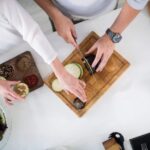
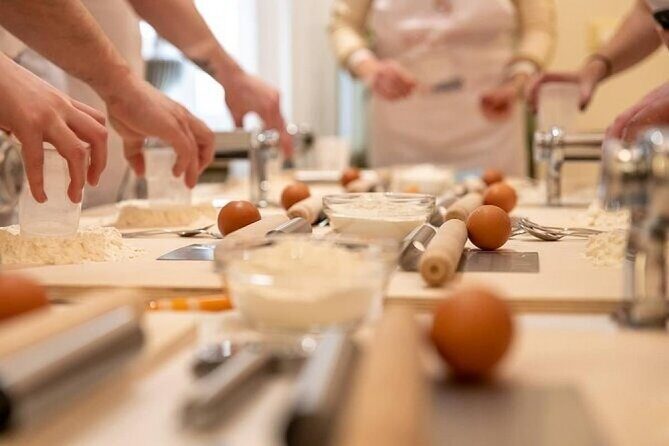
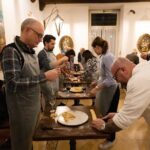
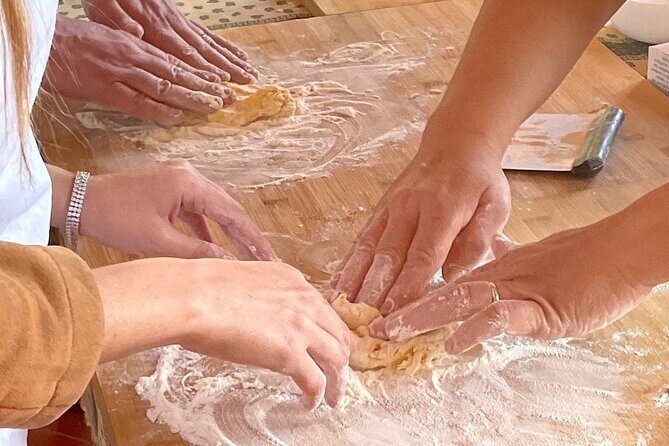
This class is built around that idea: you learn why certain pasta shapes exist, then you jump into making egg pasta dough and working it by hand. You don’t just watch someone else. You do the rolling. You do the cutting. You learn how to handle dough so it doesn’t turn into a sad, sticky mess.
And the food isn’t an afterthought. You get to taste quality ingredients first, including organic tomatoes from Vesuvio and homemade bread. That matters because it teaches you what “good” is supposed to taste like before you’re relying on sauces to save the day.
You can also read our reviews of more cooking classes in Naples
Via delle Zite: how to show up and get started fast
You meet at Via delle Zite, 30, 80139 Napoli NA. The activity ends back at the meeting point, so you’re not dealing with an all-day hopping around Naples.
A mobile ticket makes things straightforward, and the location is listed as near public transportation. That’s important for Naples, where “easy to find” can still mean you’ll walk a bit. Showing up a few minutes early helps you get your bearings, meet your group, and get ready to work with flour right away.
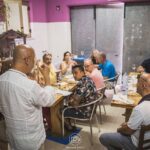
Group size is capped at 35. That’s big enough that you’ll feel some buzz, but small enough that a teacher can still check in and correct technique.
Inside the 2-hour lesson: pasta types, dough, and the rest time
The class runs about 2 hours, and the pace is part of the value. You’ll start with an explanation of different pasta types—what changes from one shape to another and why you’d choose ravioli, fettuccine, or other styles.
Then comes the core: making egg pasta dough using a family recipe approach. You’ll get a description of the dough ingredients, and you’ll learn about resting time. Dough rest is one of those “sounds optional” steps that suddenly becomes obvious once you work it. It relaxes the gluten, makes rolling easier, and helps the dough behave when you cut and fill.
One detail I appreciated from the description is the inclusion of a local starter and tastings (tomatoes from Vesuvio and homemade bread). It turns the class into more than cooking steps—it becomes ingredient education. You taste quality, then you build with it.
Rolling out the dough the old way (and why that matters)
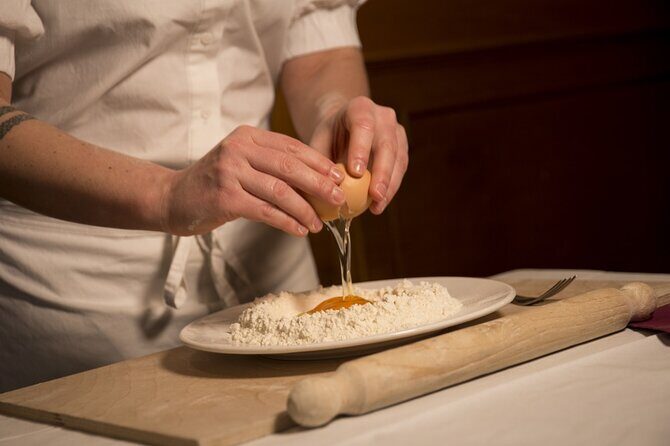
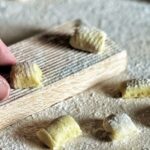
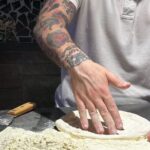
This is where you really feel the Neapolitan method: you roll out the dough with a rolling pin and don’t use machinery. That means you learn the feel of the dough at different thicknesses instead of relying on a machine setting.
For most people, this is the fun part. For a few people, it’s also where frustration can pop up. If your dough fights back, it’s usually because it’s too cold, too wet, or not rested enough. In a short class, your best move is to listen closely when the instructor talks about consistency and time, then adjust by feel.
You’ll use traditional methods taught over generations—grandmother-style technique is exactly the point here. That focus is what makes the class useful after you go home. You can replicate it without owning special equipment.
Ravioli and fettuccine today, plus tagliolini and pappardelle
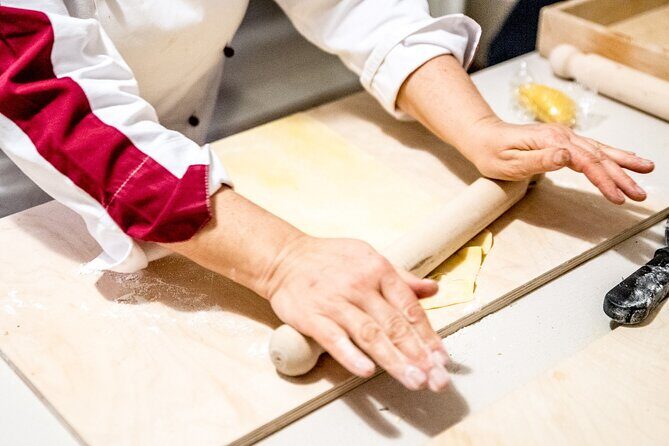
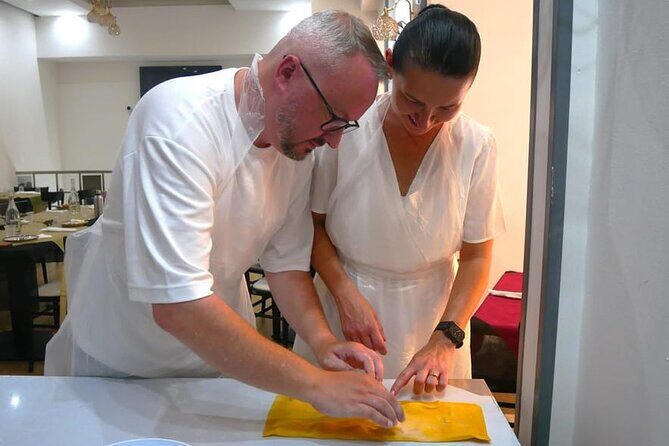
You’ll cut the dough and make fettuccine and ravioli. That’s already a solid “two classics” combo because they’re different jobs. Ravioli requires shaping around filling. Fettuccine is simpler and more about even thickness and clean cutting.
You’ll also learn how to prepare tagliolini and pappardelle. Even if you’re not leaving with plates of those specific shapes, learning the approach helps you understand how cutting thickness and shape relate to sauce choice.
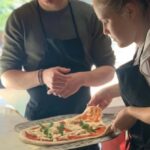
The filling is mixed as part of the class, and then you combine it with the ravioli. This is the moment where good technique matters: too much filling makes sealing harder, and not enough can leave ravioli that taste uneven.
You can also read our reviews of more tours and experiences in Naples

Cooking your pasta and finishing with two sauces
Once your pasta is shaped, you cook it in water. Then it’s seasoned with two different sauces after a few minutes. That structure is practical: you learn what “done” looks like after cooking, then you finish with sauce so you can taste the final result.
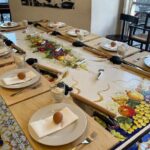
The included lunch is built around what you made: your fettuccine and ravioli homemade with wine. You also get soda/pop. Other drinks after the first one aren’t included, so if you like to have more than one, budget accordingly.
This is one of those travel moments where the food stops being theoretical. You eat what you just made. And because the class includes tastings earlier, you’re more aware of flavor choices instead of just eating to be polite.
What you can repeat at home (without special gear)
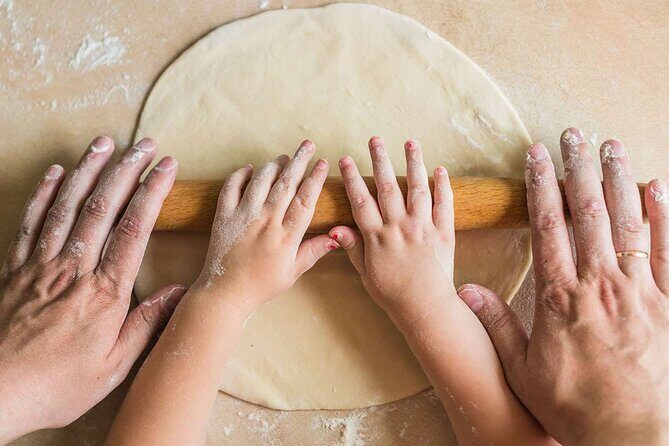
The value of this lesson shows up when you think about home cooking. The teacher teaches you methods that have been lost over time, and the reason that’s valuable is simple: it’s not dependent on high-end equipment.
Here are the most “take-home” skills you’ll likely walk away with:
- Dough handling by feel: how the dough should look and act while rolling and cutting
- Resting as a real step: you’ll understand why it’s not just a wait timer
- Hand-rolling technique: thickness and evenness matter more than you think
- Shaping mindset: ravioli and filled pasta require attention to sealing and portion size
- Sauce pairing logic: you’ll taste how two different sauces land once the pasta is cooked
If you’re planning to make pasta again, keep it simple the first time. Make one shape, use a straightforward filling, and focus on consistency. The best results at home usually come from repeating the same basics until they feel normal.
Price and value: is $90.76 worth it?
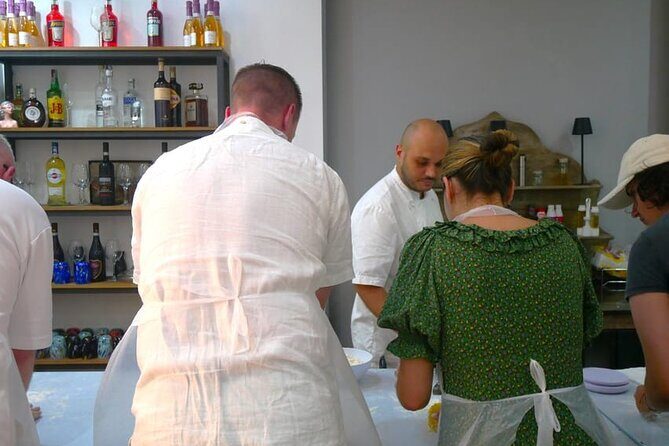
At about $90.76 per person, this isn’t a budget activity. But the price makes more sense when you count what’s included: a 2-hour class, ingredients and tastings, and a lunch built around your homemade pasta with wine and soda/pop.
The key value factor is that you’re paying for two things at once:
1) Instruction (not just access to a kitchen)
2) Food time (you eat the results, not just snack at the end)
Still, you should be realistic about what you’re buying. This is not a half-day immersion. If you’re expecting a long 3-hour cooking binge, you may feel the class is short for the number of steps. The upside is you get momentum and a full outcome without dragging the process out.
Also, demand seems steady—on average it’s booked about 27 days in advance. That’s a hint to reserve early so you can pick a time that fits your schedule.
Who should book this Naples pasta lesson
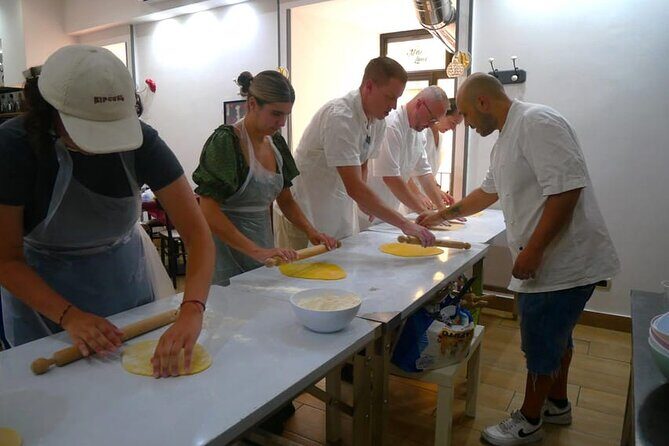
This is a great fit if you:
- want a hands-on cooking experience in Naples (not just watching)
- are excited by ravioli and want to learn shaping, not just boiling
- don’t mind a class that’s focused and efficient over a long, slow evening
- like learning ingredient quality through tastings, like the Vesuvio tomato products
It’s less ideal if you:
- have gluten intolerance (it’s not recommended)
- already feel comfortable making homemade pasta and want advanced technical depth
- strongly prefer long classes with lots of repetition time
The teacher’s style matters, too. Daniel is highlighted as friendly and able to make pasta feel fun and doable, with helpful tips that stick.
Should you book it or keep shopping?
Book this if you want a classic Naples experience with real outcomes: you’ll learn dough basics, make ravioli and fettuccine, taste quality ingredients, and sit down to a lunch that includes your work. The hand-rolled, no-machine approach is especially worth it if you want to cook pasta again at home without special tools.
Skip it (or adjust expectations) if you need a longer, slower course, or if pasta-making is already your daily hobby and you’re hunting for advanced technique only. And if gluten is an issue, pass. Your time is too valuable to spend it fighting dough you shouldn’t eat.
If you’re the kind of traveler who likes to leave with skills you can use, not just photos, this lesson fits.
FAQ
How long is the Neapolitan pasta cooking lesson in Naples?
It’s about 2 hours.
What’s included in the lunch?
You’ll have homemade fettuccine and ravioli, served with wine, plus soda/pop.
Does the class teach ravioli and fettuccine?
Yes. You’ll learn how to make homemade ravioli and fettuccine, and you’ll also be shown how to prepare tagliolini and pappardelle.
Where do I meet for the experience?
The start (and end) location is Via delle Zite, 30, 80139 Napoli NA, Italy.
Is this class suitable for gluten intolerance?
It is not recommended for people who are gluten intolerant.
What about drinks beyond the first one?
Other drinks after the first one are not included.
What’s the group size?
The class has a maximum of 35 travelers.