REVIEW · NAPLES
Hands-On Pasta Making and Traditional Tiramisu Workshop
Book on Viator →Operated by Cooking Classes in Naples San Carlo 17 · Bookable on Viator
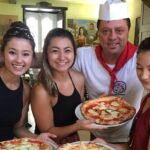
Spoon, rolling pin, and tiramisù cream. This is a hands-on Naples workshop where you start by building tiramisù, then move straight into fresh egg pasta shaping with an English-speaking chef. I also like that they explain the ingredients and the small timing tricks that make the food come out right. The only real drawback to plan for: the class happens in a busy restaurant setting, so hearing every word can be tricky unless you stay attentive to the chef.
I like that the schedule is tight and practical: you do the work, you learn the method, and you get to sit down with a plate of what was made. The tiramisù part is especially satisfying because it’s built to chill, not just thrown together at the last second. And yes, the pace moves, so if you’re new to cooking, keep your hands moving and ask questions early.
By the end, you’ll have eaten from the pasta varieties you shaped and closed the meal with coffee. You also get a water and one drink included, which makes the value easier to swallow for a 2.5-hour food-focused outing. If you want to copy the steps at home, you’ll want to pay attention and snag any recipe sheet they provide.
In This Review
- Key highlights worth your attention
- Where San Carlo 17 sets the tone for Naples cooking
- Build tiramisù first: eggs, cream, coffee-dipped biscuits, cocoa
- Then the real work: egg pasta dough and rolling basics
- Shape three pasta varieties from one dough plan
- Ravioli with fresh ricotta
- Maltagliati with potatoes and provola
- Tagliatelle with Nerano sauce
- How the chef coaching actually helps (and names you might meet)
- What you eat: lunch plates, water, 1 drink, and coffee
- The sample menu you should expect
- Price and value: is $72.41 worth it?
- Who this workshop suits best (and who should rethink it)
- Should you book this hands-on Naples class?
- FAQ
- How long is the pasta and tiramisù workshop?
- Where is the meeting point in Naples?
- Is the class taught in English?
- What dishes do I make?
- What do I get to eat and drink?
- What’s the group size?
- What is the cancellation policy?
- FAQ
- Do I get a recipe to take home?
- Is there a mobile ticket?
- Are service animals allowed?
- Is the meeting point near public transportation?
Key highlights worth your attention
- Tiramisu first, fridge set, then pasta so you taste and learn in a smart order
- English-speaking chef help while you roll, cut, fill, and shape by hand
- Multiple pasta styles from fresh dough including ravioli, maltagliati, and tagliatelle Nerano
- Local ingredients you can name like fresh ricotta, provola, potatoes, and cocoa
- Eat plates of each dish plus water, 1 drink, and coffee to finish
- Small-group feel (max 30) inside a real working trattoria
Where San Carlo 17 sets the tone for Naples cooking
You meet at San Carlo 17, a Trattoria e Pizzeriasancarlo in the Naples area around Via San Carlo (80133). This matters because it’s not a demo kitchen. It’s a real restaurant space where you learn how Italian cooking works when there’s a dining room going on too.
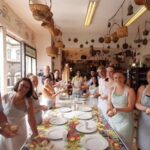
The class runs about 2 hours 30 minutes, and it’s offered in English. The smaller the group, the easier it is to follow along when you’re rolling dough and shaping pasta, not just watching. The tour limits the group to a maximum of 30, and in practice you’ll likely feel more like a table class than a huge auditorium.
As you walk in, you’ll get a quick meet-and-start vibe: you don’t hang around. You get moving, mixing, and prepping right away. That’s one of the best things about cooking classes like this. You feel useful from minute one, and that keeps the whole experience from dragging.
You can also read our reviews of more cooking classes in Naples
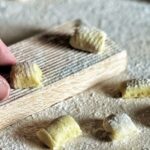
Build tiramisù first: eggs, cream, coffee-dipped biscuits, cocoa
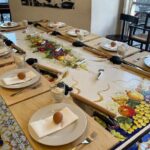
The workshop starts with tiramisù, and that order is clever. Instead of racing through dessert at the end, you make it early enough to chill, so it tastes proper by the time you eat it.
Here’s what the tiramisù process looks like. You whip eggs and prepare the cream, then assemble the layers using coffee-dipped biscuits. After that, you finish with a rich sprinkling of cocoa. The fridge step is key: it helps the layers set and the flavors calm down into that classic tiramisù texture.
This part is also a great “starter win” if you’re intimidated by pasta dough. Tiramisu uses familiar techniques (whisking, layering, chilling), so you get confidence before the rolling pin comes out.
A practical tip: watch how they handle the coffee dipping. Too quick and you get dry biscuits; too long and you get soggy layers that don’t hold. The chef’s coaching on the exact touch matters, and it’s one of the reasons these classes feel different from generic cooking videos.
Then the real work: egg pasta dough and rolling basics
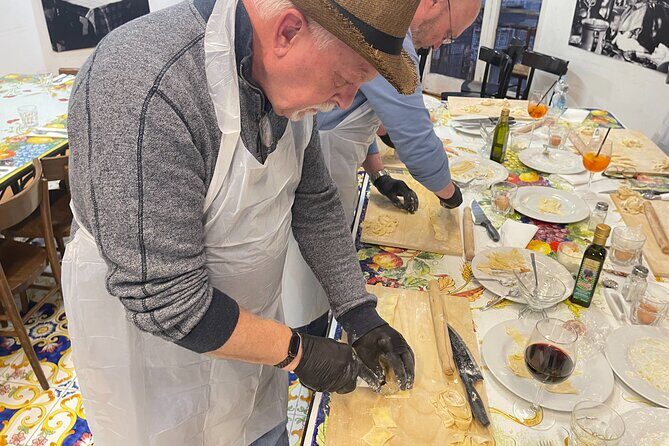
Once the tiramisù is finished and put away to chill, you switch to the pasta dough. The focus here is Italian egg pasta, made from scratch.
You’ll hear and learn about tools and ingredients as you work: flour, eggs, and the “cooking point” idea that Italian cooks talk about all the time. It’s not just about taste. It’s about texture. Pasta can be underdone, overdone, or right on target, and the chef helps you understand what to watch for.
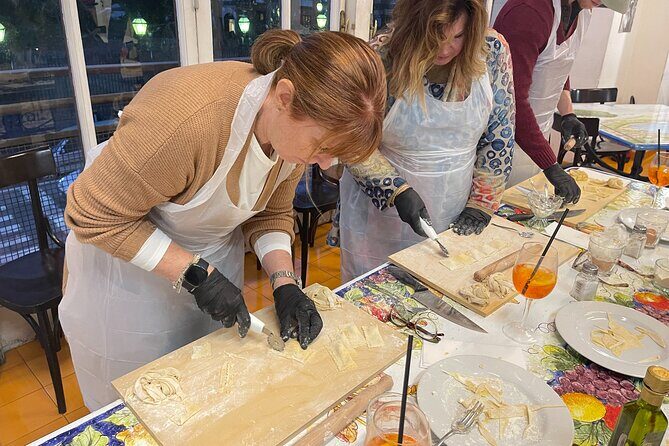
Then comes the physical part. You work with your hands and simple rolling pins to shape pasta sheets. This is one of the most satisfying moments in any pasta class because it forces you to slow down and pay attention to dough feel. If the dough is too thick, your final shapes will be heavy. If it’s too thin, it gets fragile.
Most people arrive thinking pasta is complicated. It isn’t. It’s hands-on. And with guidance, it becomes repeatable. In Naples, where food is a daily language, this kind of instruction feels more grounded than a fancy technique lesson.
Shape three pasta varieties from one dough plan
One of the best ways to judge value in a class is simple: do you learn enough to leave with options? Here, you do.
Ravioli with fresh ricotta
You’ll cut and fill ravioli with fresh ricotta. Ravioli is where patience pays off. You learn how to portion filling, keep it even, and seal so it doesn’t leak during cooking.
Even if you’re a beginner, this is a learnable skill because the chef shows the method at the table. The goal isn’t perfection on your first try. It’s getting close enough that the pasta cooks reliably.
You can also read our reviews of more tours and experiences in Naples

Maltagliati with potatoes and provola
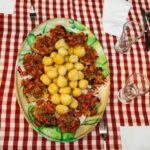
Next is maltagliati, eaten with potatoes and provola. Maltagliati can sound fancy, but the idea is straightforward: this is a pasta shape made from irregular cuts (and yes, the name itself hints at that). It’s designed for hearty, comforting pairings.
Pro tip for this course: pay attention to how they expect you to handle the dough sheet and cuts. If you understand the shape logic, you’ll remember what works at home when you’re substituting sauce or leftovers.
Tagliatelle with Nerano sauce
You’ll also make tagliatelle for the Nerano pasta portion of the menu. Tagliatelle is a classic egg pasta shape, and it gives you a more “everyday pasta” result than the filled varieties.
This is the section where you can feel yourself leveling up. By the time you’re cutting tagliatelle, you already understand how thick the sheet should be and how to keep the strips consistent.
How the chef coaching actually helps (and names you might meet)
The class is led by an English-speaking chef, and based on past sessions, names like Manuela and Matilda come up often. Others like Simona, Matilde, and Emmanuella have taught classes too, so you may recognize one of these names from your instructor assignment.
What I like about this setup is that the chef isn’t just narrating. They’re showing you what to do, then helping while you do it. That makes a big difference with dough—because flour brands, egg size, and humidity can shift outcomes.
You’ll also hear explanations about why ingredients act the way they do. Eggs affect elasticity. Flour affects absorption. Rolling pressure affects thickness. And the “cooking point” concept ties it all together so your pasta tastes like restaurant pasta, not boiled dough.
What you eat: lunch plates, water, 1 drink, and coffee
After the cooking prep, the chef cooks the pasta you prepared. Then you eat a plate of each prepared dish. You also get water and 1 drink included, plus coffee to close.
This meal structure is part of the value. You’re not just buying instruction time. You’re buying a full food experience that includes what you made.
Do keep one thing in mind: because this happens in a working restaurant, service is efficient. Even if your hand shapes the pasta, the kitchen still cooks and portions it. If you’re hoping for a perfect one-to-one plate showing only your exact ravioli, you should ask a staff member where your portion will land. Most people leave happy, but asking takes 10 seconds and clears up expectations.
Still, the overall result is what you want from a Naples food class: you sit down, you eat, and you taste the different pasta styles with the appropriate sauces.
The sample menu you should expect
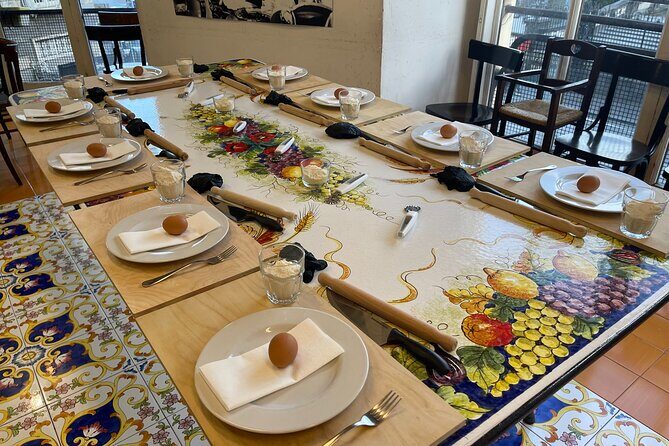
This workshop includes a menu that’s designed to cover both technique and flavor:
Main:
- Handmade pasta with 3 different varieties
- Tagliatelle with Nerano sauce
- Ravioli served in traditional Sorrentina style
- Maltagliati with potatoes and provola
Dessert:
- Traditional handmade tiramisù
Along the way, you’ll also learn about tools, flour, eggs, and ingredient behavior, plus the practical “how to hit the good cooking point” mindset.
Price and value: is $72.41 worth it?
At about $72.41 per person for roughly 2 hours 30 minutes, the price can feel steep until you count what you’re actually getting.
You’re paying for:
- Hands-on instruction for both dessert and multiple pasta shapes
- Cooking help so you actually eat what’s been prepared
- Multiple plates at the meal, not just a small tasting
- Water, 1 drink, and coffee
- An English-speaking guide and recipe materials to take home
In other words, you’re not paying just for entertainment. You’re paying for a real lunch experience with skill-building built in.
If you’re visiting Naples and you’d rather spend money on a class than a museum ticket, this is the kind of meal activity that gives you both. You get food today, plus a repeatable skill for later.
Who this workshop suits best (and who should rethink it)
This class is ideal if you want a practical Naples food skill. It’s also a good match for families and mixed-skill groups because the process is broken into steps, and the chef can help at the table.
It’s less ideal if you need guaranteed quiet instruction. The setting can be noisy since it’s connected to a functioning restaurant space. If you’re sensitive to sound or need close-up visibility, arrive with patience and choose your seat thoughtfully.
Also, if you’re an expert cook, you might already know the basics. You may still enjoy it for the local pasta pairings and the tiramisù layering practice, but you won’t feel the class is a high-level technique workshop unless the instructor focuses on advanced troubleshooting.
Should you book this hands-on Naples class?
Book it if you want a one-stop Naples food day: tiramisù plus fresh egg pasta shapes, cooked and served with drinks and coffee, all in a hands-on format. The structure is beginner-friendly because you start with tiramisù, then build confidence into dough, rolling, cutting, and filling.
I’d think twice if you have trouble hearing in busy rooms or you’re very specific about your pasta being cooked and served exactly as you made it. In that case, ask about how portions are handled when you arrive, then decide with clear expectations.
FAQ
How long is the pasta and tiramisù workshop?
It runs about 2 hours 30 minutes.
Where is the meeting point in Naples?
You meet at San Carlo 17 – Trattoria e Pizzeria San Carlo, Via San Carlo, 17, 80133 Napoli NA, Italy.
Is the class taught in English?
Yes. The experience is offered in English, and there is an English-speaking chef.
What dishes do I make?
You prepare traditional tiramisù, then make fresh egg pasta dough and create pasta shapes including ravioli with ricotta, maltagliati with potatoes and provola, and tagliatelle with Nerano sauce.
What do I get to eat and drink?
You can eat plates of the dishes you prepare, and water and 1 drink are included. Coffee is served to close the meal.
What’s the group size?
The workshop has a maximum of 30 travelers.
What is the cancellation policy?
You can cancel for free up to 24 hours in advance for a full refund.
FAQ
Do I get a recipe to take home?
Some sessions include recipe materials to take home, so you can try the methods again later.
Is there a mobile ticket?
Yes, the experience uses a mobile ticket.
Are service animals allowed?
Yes, service animals are allowed.
Is the meeting point near public transportation?
Yes, it’s near public transportation.