REVIEW · PASTA
Lunchtime Pasta Pro Workshop
Book on GetYourGuide →Operated by Global Experiences · Bookable on GetYourGuide
Fresh pasta and tiramisu in 2.5 hours.
This hands-on Rome lunch workshop is interesting because you’re not just watching cooking. You’ll learn dough work that turns into fresh fettuccine, and you’ll also master a classic tiramisu with the exact steps and techniques the chef shows during class. The meal comes at the end, so the cooking stays practical and appetizing.
I also like that the whole thing is built around a real Italian lunch rhythm: drinks up front, cooking in the middle, eating together at the table. The only real drawback to keep in mind is diet limits: the class can’t accommodate gluten-free, vegan, or lactose-intolerant guests because the menu uses wheat and dairy.
In This Review
- Key Highlights You’ll Notice Right Away
- Why This Rome Pasta Pro Workshop Feels Like a Real Lunch
- The 2.5-Hour Structure: From Welcome Drinks to Sitting Down
- Making Pasta Dough and Cutting Fresh Fettuccine
- Cooking Your Roman-Style Sauce: Carbonara or Cacio e Pepe
- Tiramisu Workshop: Turning Technique Into Layers
- The Lunch Table Experience: Eating What You Cook
- Price and Value: Is $78.17 Worth It?
- Dietary Limits: The One Thing to Confirm Before Booking
- Who This Workshop Suits Best (and Who Might Prefer Something Else)
- Final Thoughts: Should You Book Lunchtime Pasta Pro Workshop?
- FAQ
- How long is the Lunchtime Pasta Pro Workshop?
- What’s included in the price?
- What food will I learn to make?
- Is the class suitable for vegetarians?
- Are gluten-free, vegan, or dairy-free options available?
- Do you accommodate non-drinkers?
- What language is the instruction in?
- Where do I meet the group?
- What’s the cancellation and payment policy?
- Where does the workshop end?
Key Highlights You’ll Notice Right Away
- Prosecco welcome, wine with your pasta, limoncello to finish: it feels like an actual meal, not a short demonstration.
- Fresh fettuccine from scratch: you learn dough mixing, rolling, and cutting—not just assembly.
- Carbonara or cacio e pepe pairing: you cook and eat a classic Roman sauce style, not a generic “pasta dish.”
- Tiramisu step-by-step plus take-home recipe: you leave with something you can repeat at home.
- English-speaking instruction with an expert local chef: the pace stays friendly, with techniques you can follow.
Why This Rome Pasta Pro Workshop Feels Like a Real Lunch
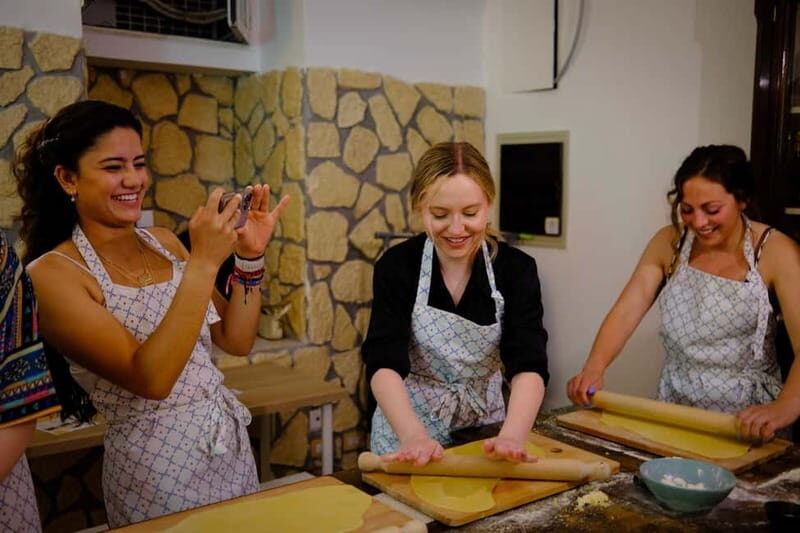
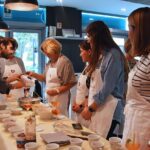
This experience is built around one simple idea: make lunch the Italian way. You start together, you work together, and you finish together. Instead of rushing from one “activity moment” to the next, the workshop flows like a condensed version of an actual kitchen day.
The value is in the combination. You’re paying for three things at once: hands-on skill-building, a full homemade lunch you get to eat, and recipe take-homes. Many cooking classes in Rome focus mostly on the spectacle. Here, the emphasis is on learning how the food is made so you can reproduce it.
One more smart touch is how the drinks are integrated. A welcome glass of prosecco sets the mood, then you get wine with your pasta, and limoncello closes out the table time. That pacing helps if you want a social, food-centered afternoon without turning it into a long night.
You can also read our reviews of more tours and experiences in Rome

The 2.5-Hour Structure: From Welcome Drinks to Sitting Down
The timeline matters because it’s short enough to stay energetic, but long enough to actually practice. The duration is listed as about 2.5 hours, with starting times that vary by availability. Expect the session to move steadily from welcome to cooking to eating.
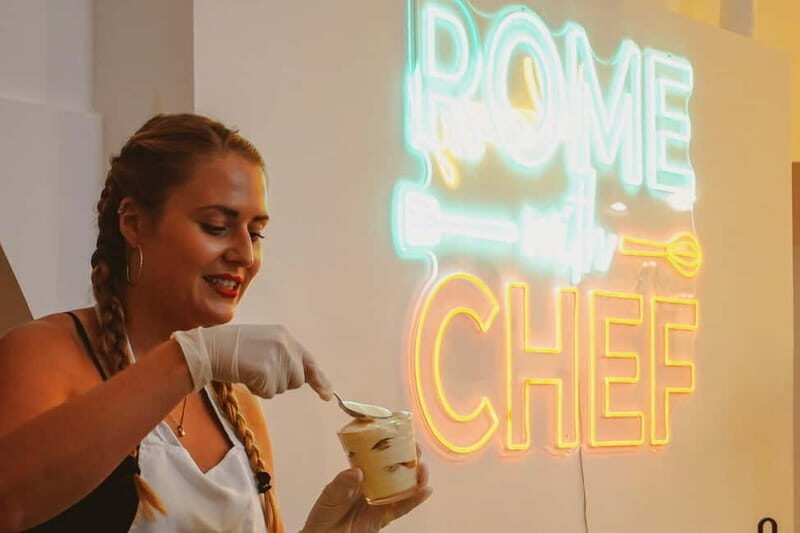
You’ll meet at Via Cesare Balbo 25, around the corner from the Hotel 77 entrance. Look for a sign that says Rome With Chef outside the class area. Since the activity ends back at the meeting point, you don’t need to plan transport from a different neighborhood.
Once you’re gathered, you’ll get the welcome glass of prosecco. From there, the chef leads you through the full pasta-making process—dough to cutting to the point where your pasta is ready for the sauce stage.
Making Pasta Dough and Cutting Fresh Fettuccine
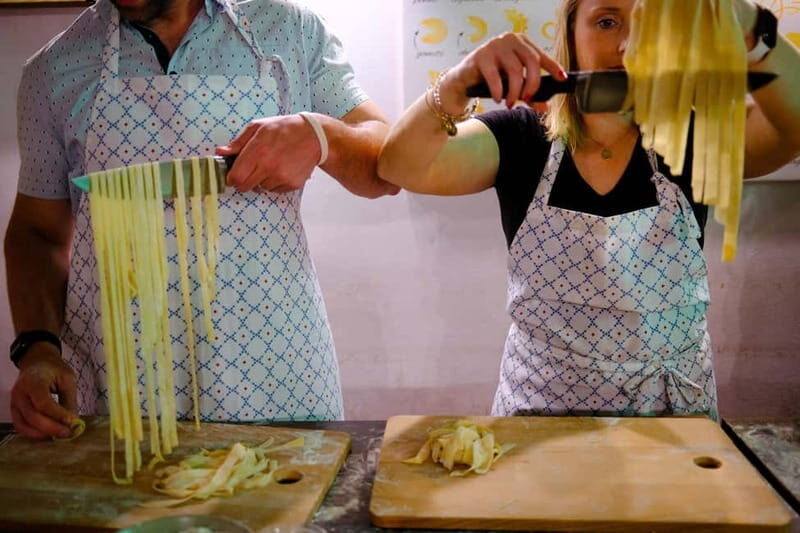
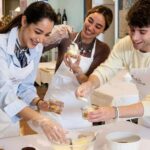
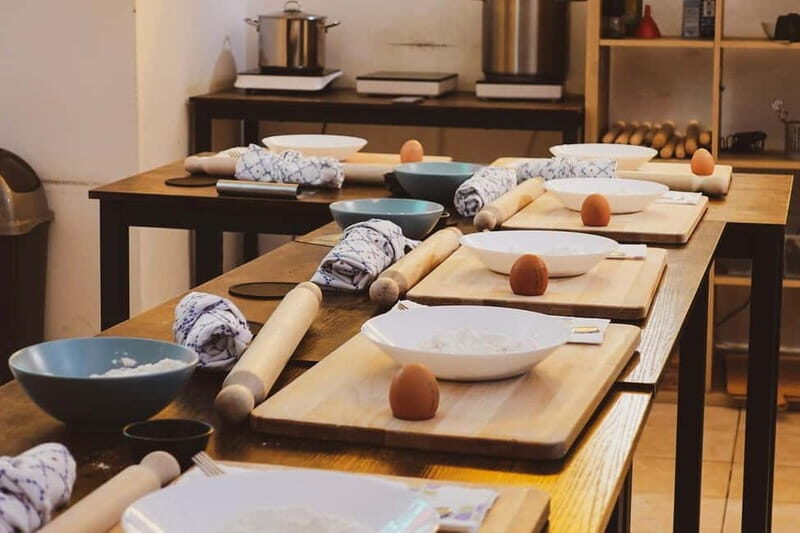
This is the part people remember because it’s real work. You’ll mix, roll, and then cut the dough with guidance from the expert chef. Fresh pasta making isn’t complicated in theory, but it’s touch-and-technique based, and that’s where a teacher earns their keep.
You’ll end the pasta portion with handmade fettuccine. Fresh egg pasta (or egg-forward dough, depending on the method used) changes everything compared to dried noodles. You get a more tender bite, and the sauce clings differently. When you make it yourself, you also learn what the dough should feel like and how to adjust as you go.
A practical tip for your own prep: show up ready to get flour on your hands. The class is interactive, and the best experience comes when you treat it like you’re learning a craft, not just collecting photos.
Cooking Your Roman-Style Sauce: Carbonara or Cacio e Pepe
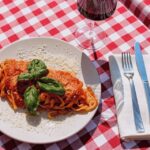
After your fettuccine is ready, the class shifts into the Roman classics stage. You’ll turn your pasta into either carbonara or cacio e pepe and then eat it with a glass of local wine (or a non-alcoholic beverage if you prefer).
Both are iconic, but they’re also a great learning choice because they’re about method. Carbonara is about how you handle the sauce so it becomes creamy instead of scrambled. Cacio e pepe teaches you how cheese and pepper work together to create a simple but powerful coating.
The workshop includes the locally sourced fresh ingredients, which matters here. These dishes live or die by the basics. When you’re cooking with what the chef chooses for flavor and consistency, you’re learning something closer to what locals actually do at home.
If you’re vegetarian, the class offers vegetarian options. The exact menu isn’t spelled out here, so if you’re vegetarian and want to know what you’ll cook, it’s worth telling the provider in advance so they can match you to the right preparation.
Tiramisu Workshop: Turning Technique Into Layers
Then comes the part most people love most: dessert. You’ll learn how to make tiramisu the way it’s done as a staple Italian dessert—using the chef’s process, plus historical context about why these famous dishes became so standard.
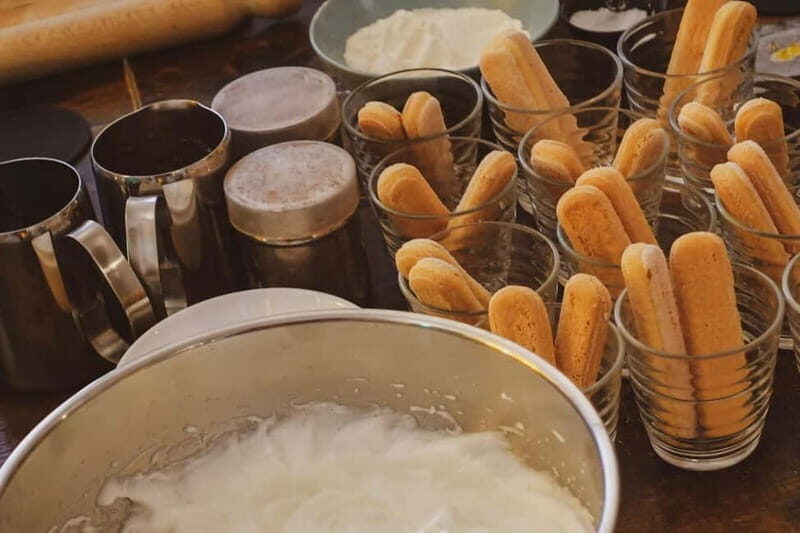
This is where the hands-on value really shows. Tiramisu can look straightforward, but the result depends on details: how you build layers, how you balance sweetness and texture, and how you handle the components so you get that signature creamy-yet-structured finish.
The class also gives you a take-home recipe. That’s important. If you only watch dessert being assembled, you’ll forget parts by the time you get home. With the recipe in hand and the method explained during class, you’re set up to re-create it for friends.
And yes, you finish the whole experience with a refreshing glass of limoncello. It’s a bright landing after rich pasta and creamy dessert, and it also makes the end of the meal feel ceremonial.






The Lunch Table Experience: Eating What You Cook
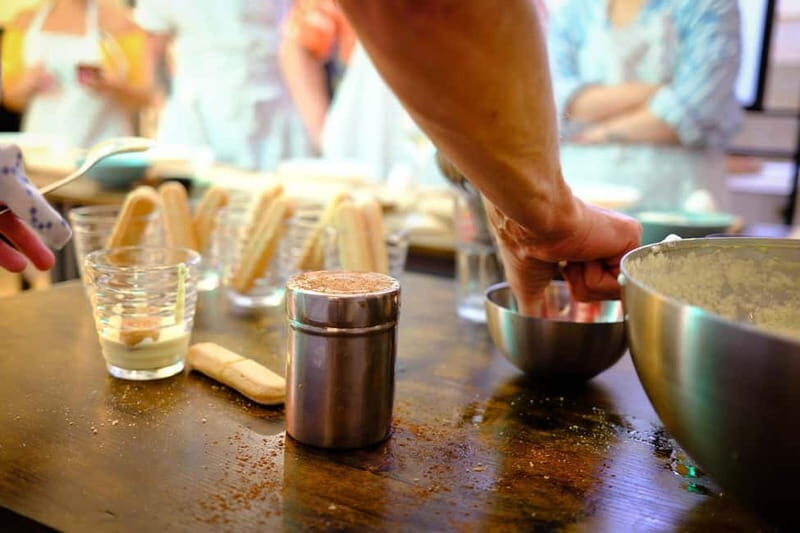
This workshop doesn’t end when the cooking stops. You’ll sit down and eat everything you’ve made. That matters more than people expect.
When you taste your own pasta and sauce after learning the technique, you build real understanding. You can connect what you did—rolling thickness, cutting shape, how sauce coats—to the final bite. That’s the kind of learning that sticks, and it’s why this experience rates so highly among people who want more than a food show.
You’ll also have unlimited water available throughout. It’s a small detail, but it keeps the meal comfortable, especially if you’re also having prosecco and wine.
Price and Value: Is $78.17 Worth It?
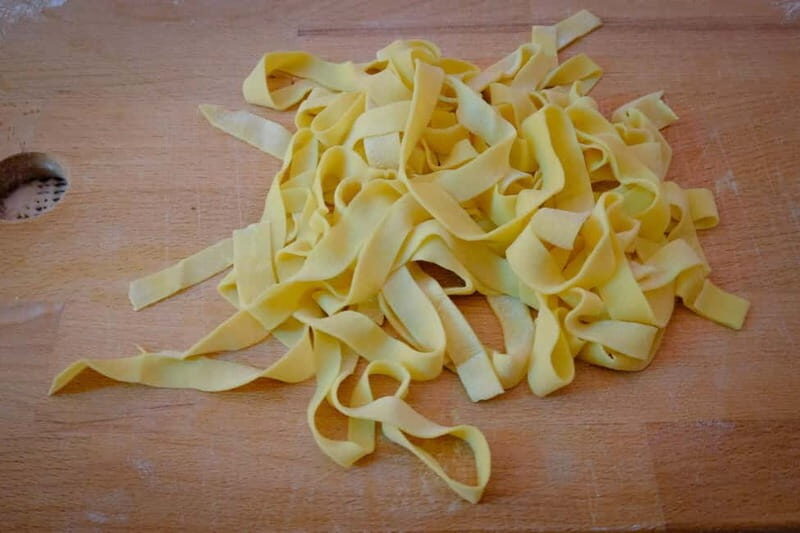
Let’s talk value in plain terms. At $78.17 per person, this isn’t the cheapest thing you can book in Rome. But it can be a good deal when you look at what’s included.
You’re getting:
- An interactive chef-led pasta workshop
- Locally sourced fresh ingredients
- Pasta you make (fettuccine), plus a classic sauce (carbonara or cacio e pepe)
- Handmade tiramisu
- Multiple drinks: prosecco, wine, limoncello
- Unlimited water
- Take-home recipes
- Vegetarian options
- Non-alcoholic beverages for non-drinkers and kids
So you’re not just buying instruction. You’re buying ingredients, meals, and beverage service wrapped into one short session. In Rome, that blend can be worth it because it replaces multiple separate meals and reduces the guesswork of trying to learn these recipes on your own.
It’s also fairly good value for anyone who wants a guided culinary experience in English. You get the technique taught by an expert chef, not a vague cooking video.
Dietary Limits: The One Thing to Confirm Before Booking
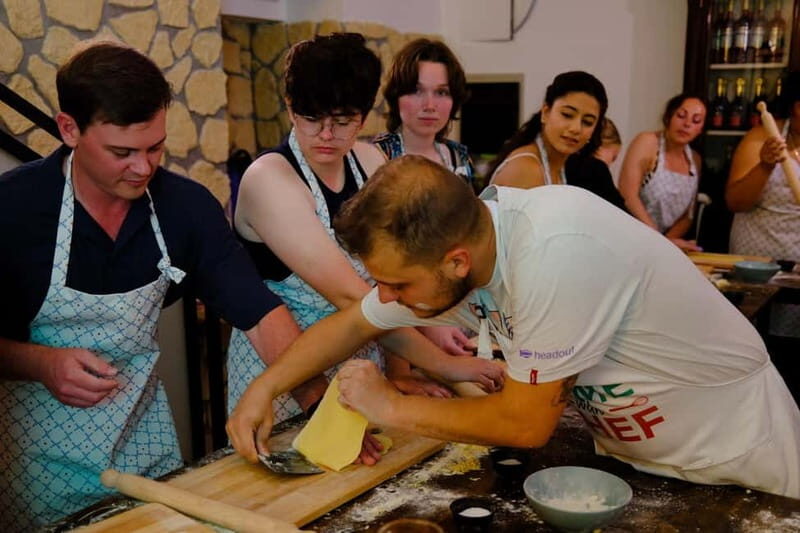
This class has clear limits, and you’ll want to take them seriously.
The provider states they can’t accommodate:
- Coeliac disease and gluten intolerance (no gluten-free options)
- Vegan diets (no vegan options)
- Lactose intolerance and dairy-free needs (dairy is used)
If any of those apply to you, don’t assume there’s a workaround. The menu is prepared during class around specific ingredients, so you should plan accordingly.
If you have other restrictions, you can and should tell the provider in advance so they can figure out the best option. Vegetarian options are listed, and non-alcoholic beverages are available if you don’t want alcohol.
Who This Workshop Suits Best (and Who Might Prefer Something Else)
This is a strong fit if you:
- Want a hands-on cooking class rather than a passive food tour
- Like classic Roman food and want to learn the difference between carbonara and cacio e pepe methods
- Enjoy social meals and want prosecco and wine included
- Want something you can repeat later at home with the take-home recipes
It’s also a good pick if you’re traveling with limited time. Two and a half hours lets you get a memorable cooking experience without blowing up your whole day.
This may not be the best choice if you:
- Need gluten-free, vegan, or lactose/dairy-free options
- Prefer a purely alcohol-free experience with no wine/prosecco included (non-alcoholic beverages are available, but the class still includes alcoholic drinks in the flow)
Final Thoughts: Should You Book Lunchtime Pasta Pro Workshop?
I’d book this if you want an Italian lunch that teaches you real technique. The fresh pasta process, the choice of a classic Roman sauce, and the tiramisu lesson with a take-home recipe make it feel like a skill-building meal, not just a fun afternoon.
Book it early enough to match your schedule, and double-check your diet needs up front. If you’re gluten-free, vegan, or lactose-intolerant, look for a different class that can truly meet your requirements.
FAQ
How long is the Lunchtime Pasta Pro Workshop?
The workshop lasts about 2.5 hours, with starting times that depend on availability.
What’s included in the price?
The price includes an interactive chef-led pasta workshop, locally sourced fresh ingredients, a glass of prosecco, a glass of wine, and a glass of limoncello, plus unlimited water. You also get handcrafted pasta and sauces, handmade tiramisu, and take-home recipes.
What food will I learn to make?
You’ll learn how to make fresh homemade pasta (fettuccine) from scratch, and then turn it into either carbonara or cacio e pepe. You’ll also learn how to make tiramisu.
Is the class suitable for vegetarians?
Vegetarian options are available.
Are gluten-free, vegan, or dairy-free options available?
No. The class can’t accommodate coeliac disease, gluten intolerance, or vegan diets. It also can’t accommodate lactose intolerance because dairy products are used.
Do you accommodate non-drinkers?
Yes. Non-alcoholic beverages are available for non-drinkers and kids.
What language is the instruction in?
The instructor teaches in English.
Where do I meet the group?
The meeting point is Via Cesare Balbo 25, around the corner from the Hotel 77 entrance. Look for a sign that says Rome With Chef outside the class.
What’s the cancellation and payment policy?
Free cancellation is available up to 24 hours in advance for a full refund. There’s also an option to reserve now and pay later to keep plans flexible.
Where does the workshop end?
The activity ends back at the meeting point.