REVIEW · COLOSSEUM TOURS
Imperial Rome and External Colosseum Tour
Book on Viator →Operated by RomaTourGratis · Bookable on Viator
Rome, compressed into one smart walk.
This tour is built around the power plays of Roman emperors, starting at the Colosseum exterior and moving along the Imperial Forum Road toward the Capitoline area. You’ll see the names that shaped Rome—Julio César, Augusto Octavio, Trajano—while the route threads together monuments and viewpoints in a way that helps the city make sense fast.
I like that it’s a tight, small-group experience (max 15) with a mobile ticket, so you’re not stuck in a huge crowd. One thing to consider: the Colosseum admission ticket is not included, and entry rules are strict—your passport or ID must match the full names you provide at booking.
In This Review
- Key highlights worth knowing
- Your 2.5-hour route from Colosseo to Campidoglio
- Colosseum exterior: why starting at the Flavio Amphitheater makes sense
- Imperial Forum Road: Nerva, Augusto, Julio César, and Trajan in sequence
- Nerva to Augusto: the story behind the stones
- Julius Caesar and Trajan: when ambition gets theatrical
- Trajan Markets and the Trajan Column
- Venice Square and Vittorio Emanuele: a politics stop that adds context
- Altare della Patria and the climb to the Capitoline area
- Campidoglio and the she-wolf: finishing in a designed square
- Price and value: why $17.44 can be a smart buy
- Who this tour suits best (and who should skip it)
- Should you book this Imperial Rome and External Colosseum tour?
- FAQ
- How long is the Imperial Rome and External Colosseum tour?
- What time does the tour start?
- Where does the tour start and end?
- Is the Colosseum admission ticket included?
- Do I need to use a passport or ID, and does it need to match my booking name?
- Is this tour small-group?
- What ticket type is used?
- What happens if I cancel?
Key highlights worth knowing
- Small group size (15 max) keeps the walk from feeling chaotic.
- Mobile ticket means less fuss with paper vouchers.
- A fast, logical route ties the Colosseum area to the Imperial Forums and then to Capitoline Hill.
- Trajan’s monumental zone includes the Trajan Markets and the Trajan Column in the same sweep.
- Campidoglio’s big view ends at Piazza del Campidoglio, where Michelangelo’s design frames the famous she-wolf theme.
Your 2.5-hour route from Colosseo to Campidoglio
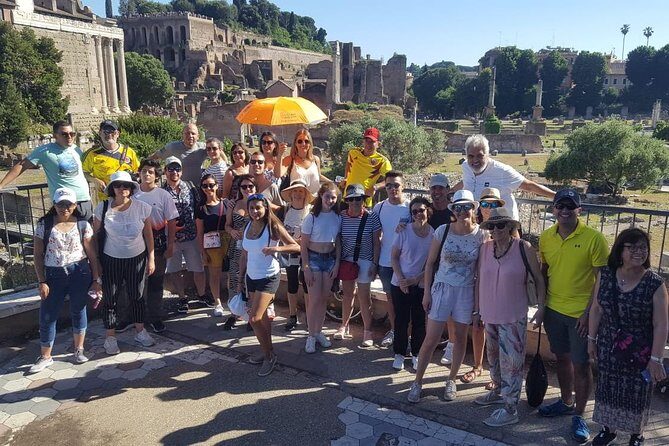
Plan for about 2 hours 30 minutes of walking and sights. The tour starts at 4:30 pm from Colosseo (Colosseo00184) and ends in the Piazza del Campidoglio (00186 Roma RM) area—so you finish in one of Rome’s most iconic viewpoints instead of backtracking.
I like the timing. Late afternoon is a practical choice because you avoid some of the worst midday heat, and you still get usable light for photos around the forums and the Capitoline hill area. With a maximum of 15 people, the pace feels manageable rather than rushed.
The tour also stays close to public transport, which helps if you’re juggling other plans in Rome that day. And since it’s generally suitable for most travelers, it’s a strong option if you want a structured Roman intro without committing to a full-day museum marathon.
You can also read our reviews of more tours and experiences in Rome.



Colosseum exterior: why starting at the Flavio Amphitheater makes sense

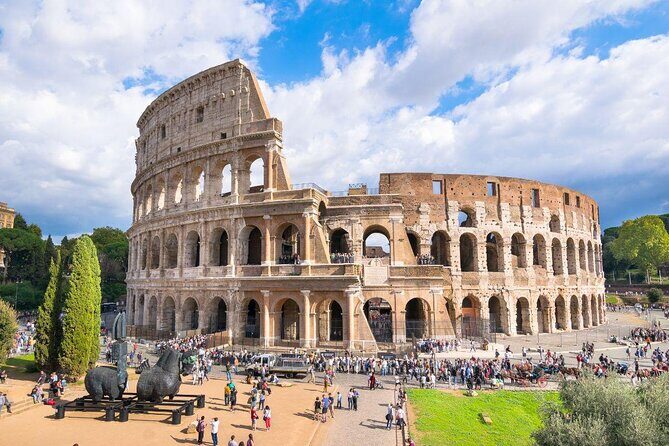
You begin at the Colosseum, often called the Flavio Antitheater. Even though this is an exterior-focused walk, the start matters because the Colosseum is the anchor of the whole story. It’s the kind of place where you can immediately connect scale to politics: massive public buildings were power statements in stone.
The Colosseum stop is listed at about 10 minutes, and admission is not included. That’s an important trade-off to weigh. If you want to go inside, you’ll need your own entry ticket for the Colosseum (and the Roman Forum area is also mentioned in the entry-name rules). If you’re happy with the outside views and quick orientation, this structure keeps the experience moving and prevents the day from bogging down.
A smart way to get value here is to use those first minutes to locate key directions in your head: where the forums stretch, where Capitoline Hill sits, and how the streets connect. This tour is designed to give you that map feeling early.
Imperial Forum Road: Nerva, Augusto, Julio César, and Trajan in sequence
After the Colosseum start, the walk focuses on the Imperial Forum Road, the spine connecting the major emperor-linked areas. This is where the route stops being just scenic and starts feeling like a timeline you can walk through.
You’ll move past named stops that include:
- Nerva Forum
- Augusto Forum
- Julio César (Julius Caesar) Forum
- Trajan Forum
- Trajan Markets
- Trajan Column
Here’s why I think this approach works for real travelers. Rome can feel like scattered ruins until you connect them with a simple sequence. Seeing Nerva, Augusto, Julius Caesar, and then Trajan in order helps you understand the imperial habit of building over the previous emperor’s imprint. It turns the landscape from random stones into a political ladder.
Nerva to Augusto: the story behind the stones
The early forum names you encounter (Nerva and Augusto) are good for orientation. They’re a reminder that Rome’s center wasn’t one single moment—it was rebuilt repeatedly, with each ruler trying to leave a signature. If you’ve felt overwhelmed by how many “forums” Rome has, this section gives you a clean framework.
Julius Caesar and Trajan: when ambition gets theatrical
When the route reaches Julius Caesar and then Trajan, the tone shifts from orientation to spectacle. This is where you start noticing how much space emperors dedicated to public messaging—buildings that weren’t only functional, but also designed to persuade.



Trajan Markets and the Trajan Column
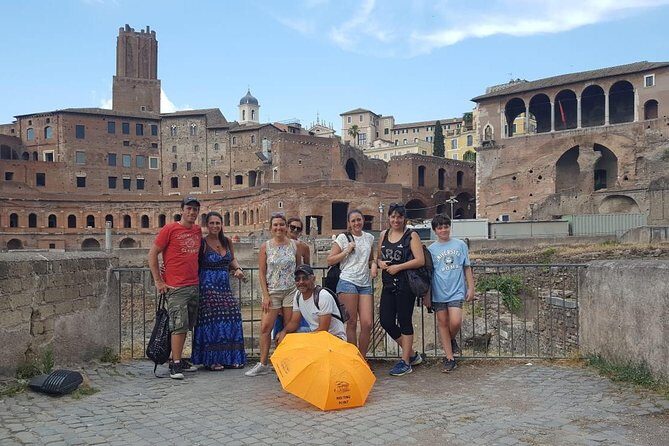
The inclusion of the Trajan Markets and the Trajan Column is a big value bump. These aren’t just famous names; they’re standout landmarks that help you anchor your mental map of the forum zone. If you like detailed monuments, the tour gives you a lot of “bookmark-worthy” stops without demanding hours of museum time.
Venice Square and Vittorio Emanuele: a politics stop that adds context
Next comes Venice Square (Piazza Venezia) and the monument to Vittorio Emanuele. The tour description specifically calls out the square’s importance in Fascism, and that matters because Rome’s story isn’t only ancient. The city has layers, and big monuments often reflect modern political messages as well.
This stop is useful if you’re trying to understand why Rome’s monuments feel so loaded. The ancient world built grand symbols for power; later eras kept using that same playbook. Even if you’re not a history buff, the chance to connect ancient imperial display to later monument culture makes the walk more than a sight list.
Altare della Patria and the climb to the Capitoline area
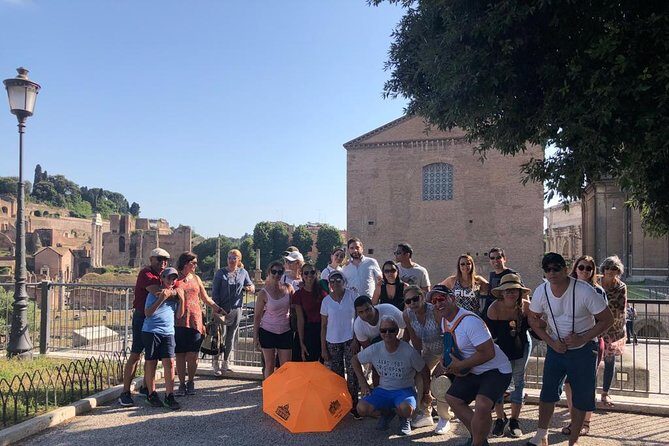
From there you head to the Altare della Patria and then toward Capitoline Hill. This portion is valuable for two reasons.
First, it adds a strong “Rome panorama” feeling as your route lifts and opens visually. Second, it helps you connect the forum zone to the ceremonial heart of the city. Capitoline Hill is one of those places where the geography teaches you something: Rome makes more sense when you can see how areas relate.
Campidoglio and the she-wolf: finishing in a designed square
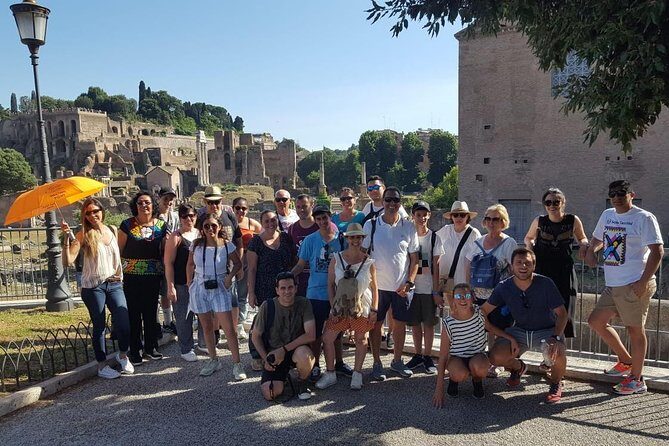
You end at Piazza del Campidoglio (Campidoglio), which the tour highlights as a plaza designed by Miguel Angel Buonarroti (Michelangelo). The finale also includes the famous she-wolf detail: the Loba feeding Romulo and Remo.
I like an ending like this because it gives you a satisfying “finish line.” After the emperor names and forum landmarks, the Campidoglio design feels intentional and theatrical—the perfect contrast to the crowded, broken-stone feeling you might get elsewhere. It’s also a great place to pause and reset before dinner, since you’re in the middle of a major viewpoint area.
Price and value: why $17.44 can be a smart buy
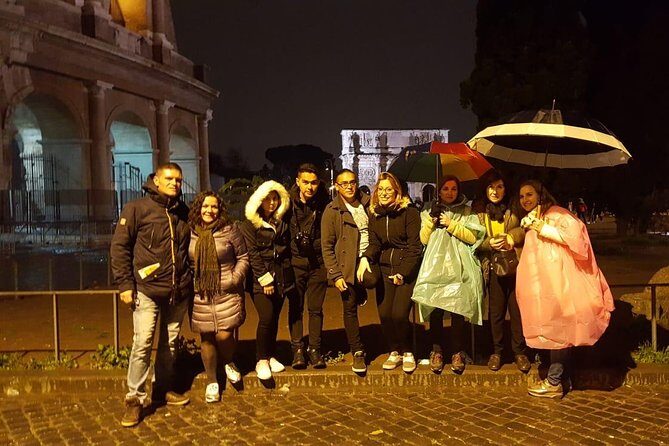
At $17.44 per person, this is priced as an accessible way to get a structured Roman experience. The main value isn’t that it’s cheap—it’s that you’re paying for a tight route with an efficient sequence: Colosseum start, Imperial Forum Road stops, then Venice Square and the Capitoline finish.
Also, it runs about 2.5 hours, which is helpful if you want something substantial but not all-day. With a max group size of 15, you get a better chance of hearing the guide and following the flow without feeling like you’re part of a football stadium.
That said, the admission-ticket reality matters. Since Colosseum entry is not included, you’ll want to decide ahead of time whether you’re okay with an exterior-and-orientation experience or whether you want to plan separate ticket time for inside access.
Who this tour suits best (and who should skip it)
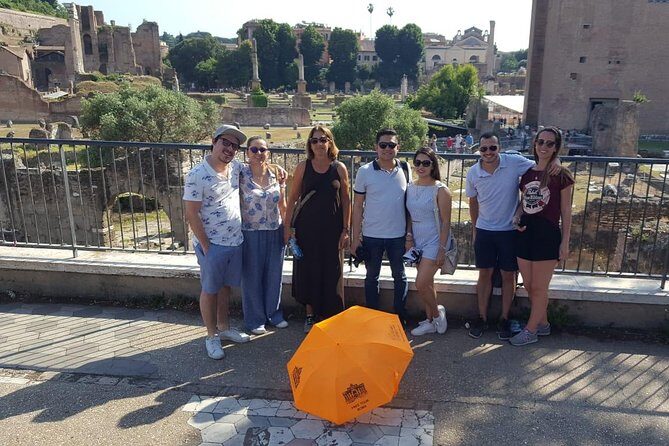
This works best if you:
- Want a first-time Rome route that links the biggest emperor-linked sights without confusion
- Prefer a structured walking plan over reading forums on your own
- Like monument-to-monument storytelling, especially around Julio César, Augusto, and Trajan
You might want to choose something else if you:
- Specifically want inside Colosseum access as part of the same ticket
- Don’t want to deal with strict ID/name matching rules for entry into Colosseum and Roman Forum areas
Should you book this Imperial Rome and External Colosseum tour?
If you want a simple way to get your bearings fast, I’d say yes. The route is built around the most important imperial anchors, it stays within a realistic 2.5-hour window, and the pricing makes it easier to fit into a tight itinerary.
Book it especially if you’re traveling on your first trip and you want the emperor timeline to feel organized while you walk it. Just go in knowing this is external and orientation-heavy at the Colosseum, with entry not included, and make sure your booking names match your passport or ID exactly.
If that all fits your style, this is the kind of Rome tour that leaves you understanding what you’re looking at before the day is over.
FAQ
How long is the Imperial Rome and External Colosseum tour?
It’s approximately 2 hours 30 minutes long.
What time does the tour start?
The listed start time is 4:30 pm.
Where does the tour start and end?
It starts at Colosseo (Colosseo00184) and ends at Piazza del Campidoglio (00186 Roma RM).
Is the Colosseum admission ticket included?
No. The admission ticket is not included.
Do I need to use a passport or ID, and does it need to match my booking name?
Yes. Each traveler must present a valid passport or ID document that matches the name provided at booking for successful entry to the Colosseum and Roman Forum.
Is this tour small-group?
Yes. The tour has a maximum of 15 travelers.
What ticket type is used?
The tour uses a mobile ticket.
What happens if I cancel?
This experience is non-refundable and cannot be changed for any reason. If it’s canceled because a minimum traveler requirement isn’t met, you’ll be offered a different date/experience or a full refund.