REVIEW · EVENING EXPERIENCES
Evening Vespa Sidecar Tour with Gourmet Pizza Tasting
Book on GetYourGuide →Operated by Vespa Sidecar Tour · Bookable on GetYourGuide
Rome after dark is better on a scooter. This evening Vespa sidecar tour pairs live guide narration through onboard headphones with a totally no-stress setup where you do not drive or park. I especially like the mix of classic stops plus quieter lanes at night, and the gourmet pizza tasting at VICO Pizza & Wine in Palazzo Rondanini. One heads-up: it is not a great fit if you have serious back or heart issues, and it is not permitted for pregnant travelers.
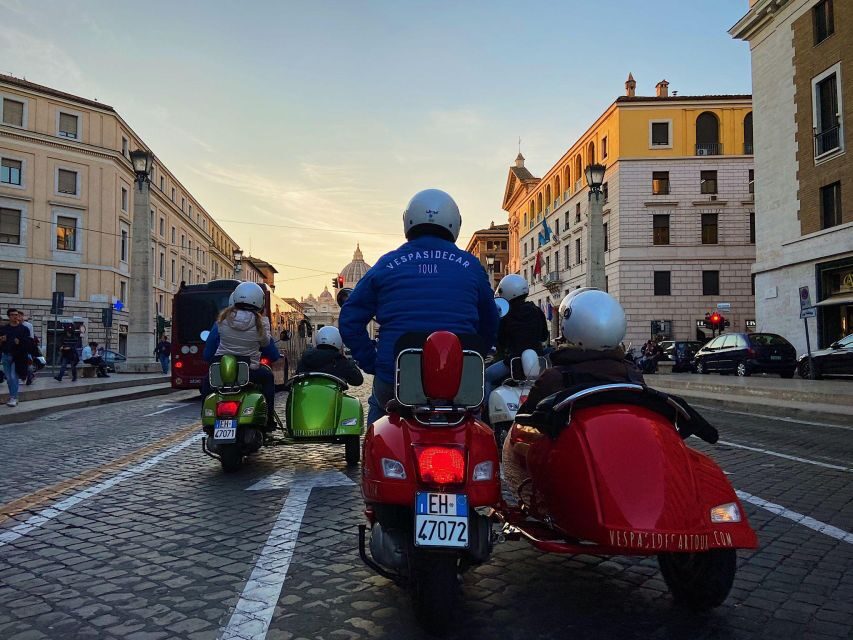
In about 3 hours, you’ll cover major landmarks from Quirinale down through Trastevere and back toward the Colosseum area, with a Pantheon entry ticket included. You also get real comfort and safety gear for night riding in traffic and (maybe) rain: CE helmets with sterilized disposable covers, seat belts in the sidecar, ponchos, and winter blankets plus electric water bottles.
In This Review
- What You Get From a Vespa Sidecar Tour (It’s More Than Transportation)
- The Evening Rhythm: 19:00 Start and How the Night Flow Feels
- The Featured Pizza Stop at VICO Pizza & Wine, Palazzo Rondanini
- Route Breakdown: Quirinale to the Colosseum Area, With Night-Perfect Stops
- Quirinale: Where Hillside Rome Starts to Make Sense
- Fontana di Trevi: The Fountain Is Famous for a Reason
- The Pantheon: Why Entry Matters on a Tight 3-Hour Tour
- Trinità dei Monti (Spanish Steps): Drama Plus People-Watching
- Piazza del Popolo: A Classic Square Stop With Big Views
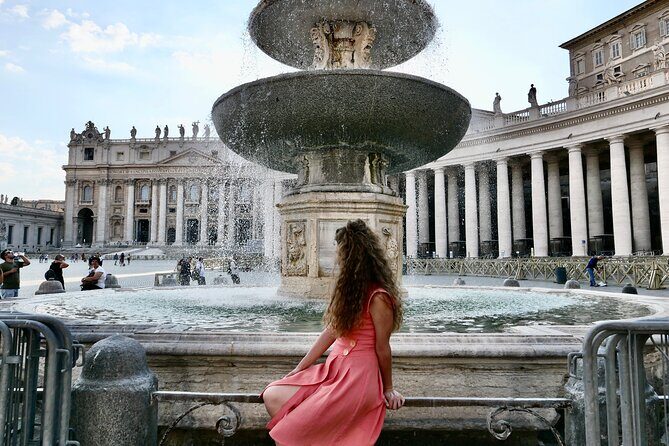
- S. Peter: Getting the St. Peter’s Area Vibe Without a Full Basilica Day
- Gianicolo Hill: Panoramic View Time That Changes Your Mental Map
- Trastevere & Jewish Ghetto: The Neighborhood Feeling You’ll Remember
- Piazza Venezia: The Big Roman Photo Stop Energy
- The Colosseum Area: Ending With the City’s Most Famous Name
- Safety, Comfort, and the Stuff You Should Know Before You Ride
- Guides, Headsets, and Why the Narration Feels Personal
- Value Math: Why $169.93 Can Make Sense (If You Want Night + Pizza)
- Who This Tour Fits Best (And Who Should Skip It)
- Should You Book This Vespa + Pizza Night Ride?
- FAQ
- What time does the tour start?
- How long is the experience?
- Is the tour narrated in English?
- What’s included with the pizza tasting?
- Are entrance tickets included?
- What safety and comfort gear is provided?
- Are there age or height requirements for children?
What You Get From a Vespa Sidecar Tour (It’s More Than Transportation)
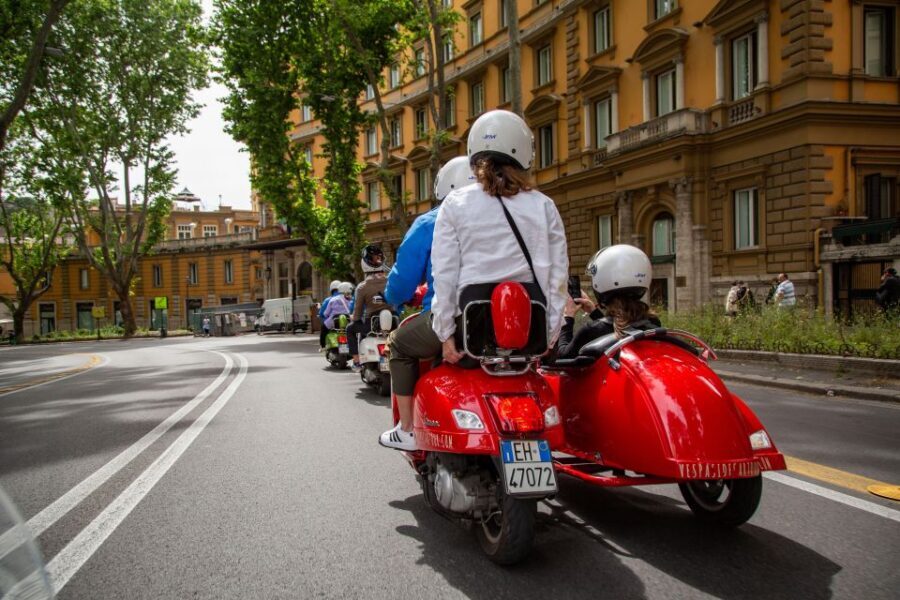
This kind of Rome evening tour works because the “vehicle” is doing a lot of the thinking for you. You’re seated, harnessed, and helmeted—then your licensed guide handles the big picture: where to go, what you’re looking at, and what it meant, explained through headphones so you can focus on the streets, not the noise.
The practical win is simple: you do not need to worry about finding lanes, timing crosswalks, or parking. Rome’s streets are narrow and chaotic at peak hours, and trying to self-navigate by car or scooter can turn a fun evening into a stress project. Here, your driver takes care of the driving; your job is to look up and enjoy the ride.
The second win is storytelling. With the guide’s narration piped to your headset, you get context right when the sights are in front of you—Fontana di Trevi makes more sense when you’re seeing it at night, and the Pantheon lands differently when you’re not reading about it hours later.
And yes, the pizza matters. The tour ends up being a “Rome highlights + dinner-style payoff” combo, not just another sightseeing loop.
The Evening Rhythm: 19:00 Start and How the Night Flow Feels
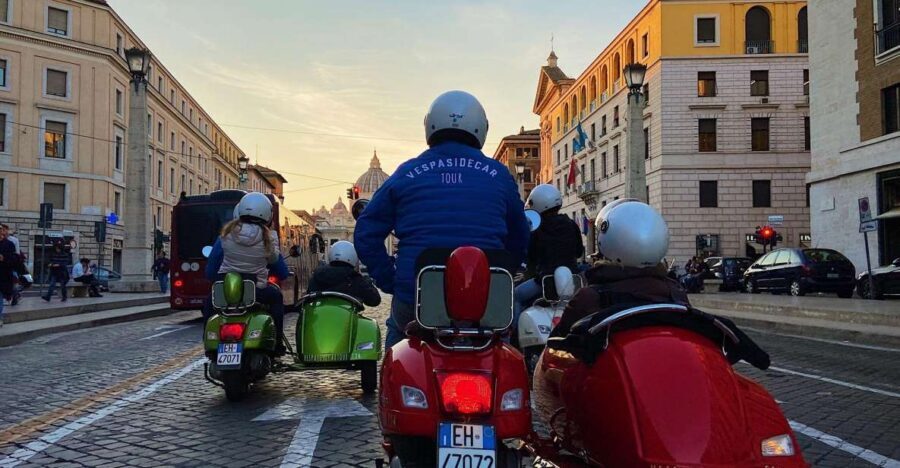
The tour starts at 19:00 and returns to the same meeting point around the end—P.za della Repubblica, 41, Roma RM, Italy, near the green newspaper kiosk. Nighttime is a sweet spot in Rome. Many major sites are still busy, but the light changes the mood. You get that glow on stone façades and fountains, plus the streets feel livelier because people are out for dinner.
Timing-wise, you’ll be moving through a lot of locations in a compact window. That means brief stops, not long museum sessions. It’s perfect if you want the big hits and some “how is this street so small?” moments, without spending the entire evening standing in lines.
This tour also includes entry tickets to the Pantheon, which is a nice value add. The Pantheon is one of those places where timing and access make a difference—having that ticket included prevents a last-minute scramble.
You can also read our reviews of more food & drink experiences in Rome
The Featured Pizza Stop at VICO Pizza & Wine, Palazzo Rondanini
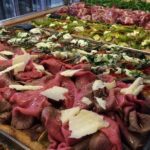
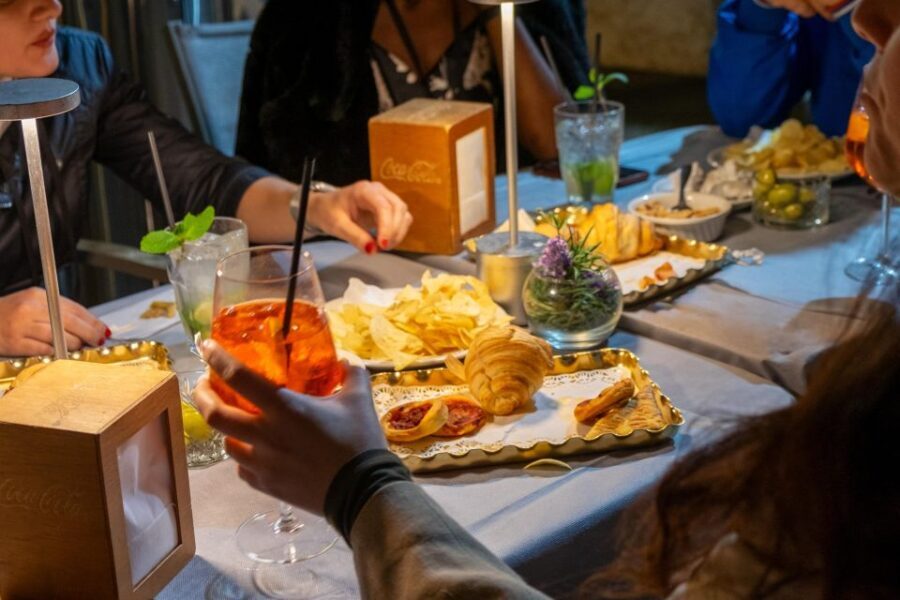
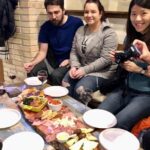
Your tasting stop is at VICO Pizza & Wine, described as a top pizza destination in Rome, located in the Palazzo Rondanini near the Pantheon. This isn’t just “grab a slice.” It’s a set-piece meal in a setting that blends history and design: frescoed ceilings, Liberty-style decor, and contemporary touches.
What you’ll eat is traditional and creative pizza, made with attention to dough and quality ingredients. The chef lead is young pizzaiolo Ciro De Vincenzo, trained by maestro Enzo Coccia. Even if you’re not a pizza nerd, it helps to know you’re not just being fed—you’re being served a tasting intended to show range.
Practical tip: because this is a tasting during a tour, you’ll want to pace yourself. Rome evenings are full of walking and short rides between stops, and you’ll likely appreciate something warm and filling once you’ve been out in the evening air.
The vibe here also makes the whole tour feel more “Roman evening” and less like a quick drop-off. You go from helmets and street corners to a stylish dining space in a historic building—two different sides of the same city.
Route Breakdown: Quirinale to the Colosseum Area, With Night-Perfect Stops
Your standard route is built like a greatest-hits walk through multiple Roman eras. You’ll see major squares, famous fountains, and views from higher ground—plus time in neighborhoods that feel more human than postcard.
Here’s what each stop is about, and what to watch for.
Quirinale: Where Hillside Rome Starts to Make Sense
The Quirinale area works as an opening chapter because it sets the stage: Rome is not flat. Even when you’re just riding, you’ll feel the city’s ups and downs, and that helps you understand later viewpoints and why certain buildings dominate sightlines.
At night, this area can feel especially dramatic because street lighting turns façades into silhouettes. Keep an eye out for the way the skyline shifts as you move.
Fontana di Trevi: The Fountain Is Famous for a Reason
At Fontana di Trevi, the best part of the night visit is the atmosphere. The fountain becomes a focal point, with people clustered around—close enough to feel the scale, but bright enough to see details.
When your guide’s narration syncs with your sightline, you’ll get context without having to stop and read. That’s the advantage of hearing the story while you’re there.
If you want a photo, bring patience. You’ll share space, and you’ll have better results by waiting for a moment when the crowd shifts rather than trying to force a shot immediately.
You can also read our reviews of more evening experiences in Rome
The Pantheon: Why Entry Matters on a Tight 3-Hour Tour
The Pantheon stop includes entry tickets, which is a big deal in a tour window this size. This is one place where being inside is not optional—you feel the structure and scale in a way pictures never fully capture.
At night, the entry timing helps you avoid the feeling of rushing through an attraction you already know by reputation. You can slow down just enough to notice proportions and that iconic dome effect.
Practical note: it’s still an active site, so expect crowds. Headphones help here too, because you can listen while you stand and look.
Trinità dei Monti (Spanish Steps): Drama Plus People-Watching
The Spanish Steps are one of those stops that always gets attention, because the stairs are both a landmark and a social space. At night, the scene shifts from daytime sightseeing to evening strolling.
Watch how the street grid opens up toward nearby viewpoints and piazzas. It’s also an area where you can catch a sense of the city’s layering—different eras and styles all pressed into the same view.
Piazza del Popolo: A Classic Square Stop With Big Views
Piazza del Popolo is a good “reset” stop. Squares like this give you orientation—so later stops feel connected rather than random.
At night, the square lighting helps define edges and symmetry. It’s a nice spot to stand for a moment, check your bearings, and then get back on the sidecar feeling oriented.
S. Peter: Getting the St. Peter’s Area Vibe Without a Full Basilica Day
Your route includes S. Peter. This is likely a viewpoint or area stop rather than a long inside visit, which fits the 3-hour timeframe. The value here is the outside context: you see the scale and presence of the area and get guided explanation while you’re still in the Rome flow.
If you’re hoping for a long time inside a major church, plan extra time separately. This is built as a fast, high-impact evening ride.
Gianicolo Hill: Panoramic View Time That Changes Your Mental Map
Gianicolo Hill is the kind of stop that makes the rest of the route click. From higher ground, you start to understand Rome’s geography—and why certain routes feel like they “unlock” the city.
This is also where night views shine. City lights turn distant buildings into a layered collage, and the guide can help connect what you’re seeing to what it represents.
Trastevere & Jewish Ghetto: The Neighborhood Feeling You’ll Remember
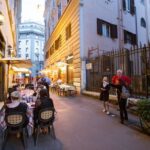
Your evening includes Trastevere & the Jewish Ghetto, which gives the tour a more lived-in side of Rome. These are not just monuments. They’re street-and-community places, where narrow lanes and small squares create the Rome mood.
Even if you only get brief moments on foot, the vibe matters: the streets feel older in texture, and you’ll likely notice how people move through the neighborhood at night—more like an evening stroll than a formal stop.
Piazza Venezia: The Big Roman Photo Stop Energy
Piazza Venezia is built for iconic photos and wide-angle city views. It’s also a key junction that helps the route make sense as you move toward the Colosseum area.
At night, the contrast between bright stone and darker streets can make the architecture feel sharper. It’s a quick but satisfying stop in the “final third” of your ride.
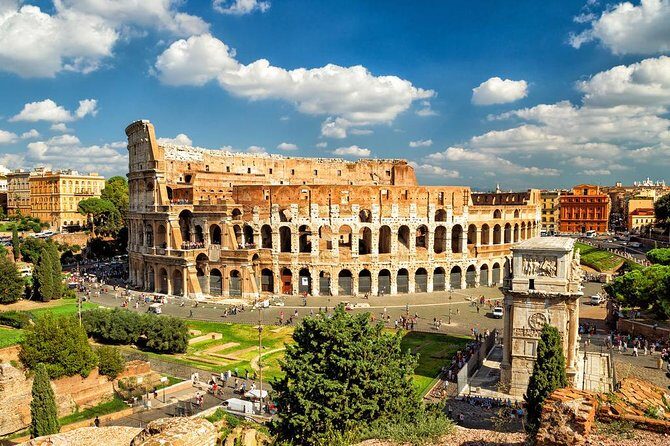
The Colosseum Area: Ending With the City’s Most Famous Name
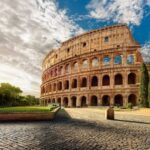
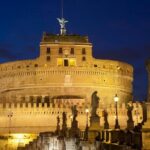
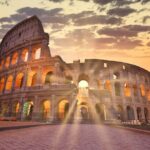
The tour ends back near the meeting point, but the route includes the Colosseum area. That matters because the Colosseum is one of those sights that gives your brain a reference point for everything you’ve seen.
When you see it at night, it feels less like a daytime monument and more like a glowing backdrop to real city life. Your guide’s narration helps link the Colosseum to the earlier Roman stops—so it doesn’t just feel like a standalone checkmark.
Safety, Comfort, and the Stuff You Should Know Before You Ride
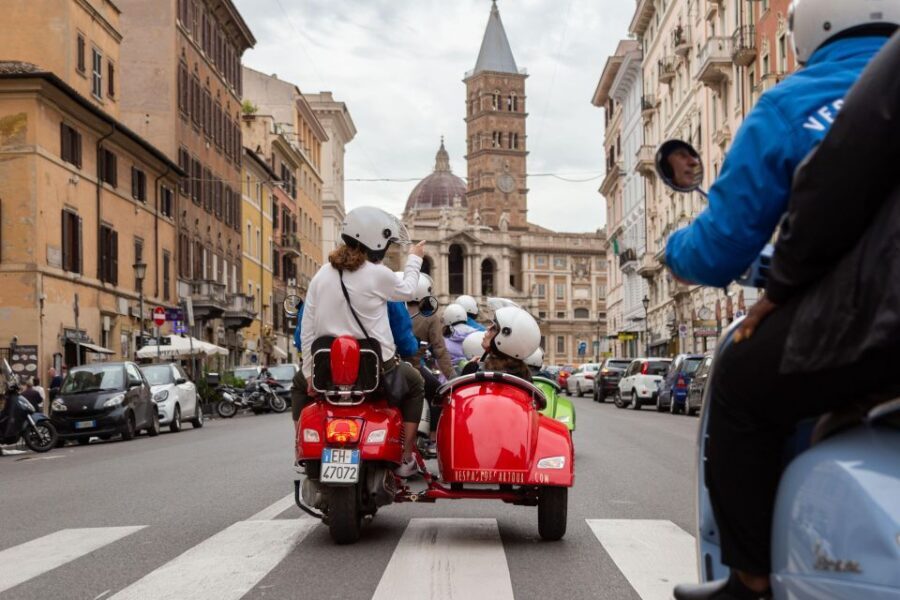
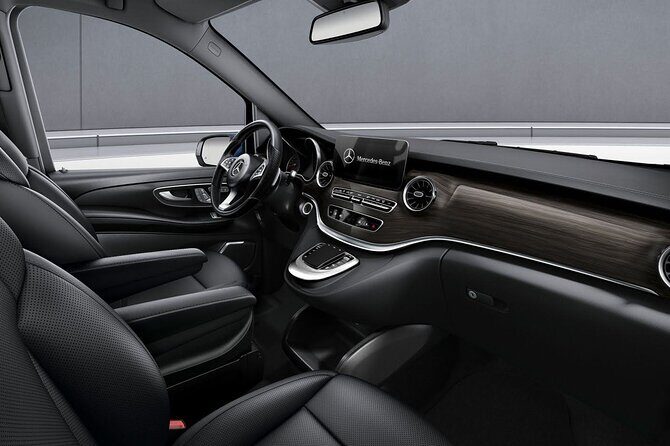
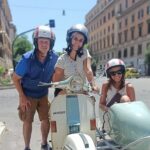
This is a sidecar tour, so the comfort details are not trivia—they’re the experience. The tour provides homologated CE helmets with sterilized disposable head covers for hygiene, and seat belts for the passenger riding in the sidecar.
You’ll also get waterproof ponchos if rain moves in. In winter, there are blankets and electric water bottles, which is a thoughtful touch for an evening activity.
On the body side: the tour is not recommended for travelers with back problems or for travelers with heart problems or other serious medical conditions. It’s also not permitted for pregnant travelers.
Child rules are specific: children must be at least 5 years old, and if they are taller than 150 cm they can sit behind the driver; otherwise they ride in the sidecar with the seatbelt on. Sidecar capacity is listed as up to 110 kg / 242 pounds, with a maximum height of 1.90 m. There’s also a maximum weight for the back seat area listed as 118 kg / 260 pounds.
If you’re bringing a service animal, they are allowed.
One practical mindset shift: this is not the type of tour where you can “stretch out.” You’ll be riding and occasionally stopping, so it’s best suited if you’re comfortable with a fun, brisk pace.
Guides, Headsets, and Why the Narration Feels Personal
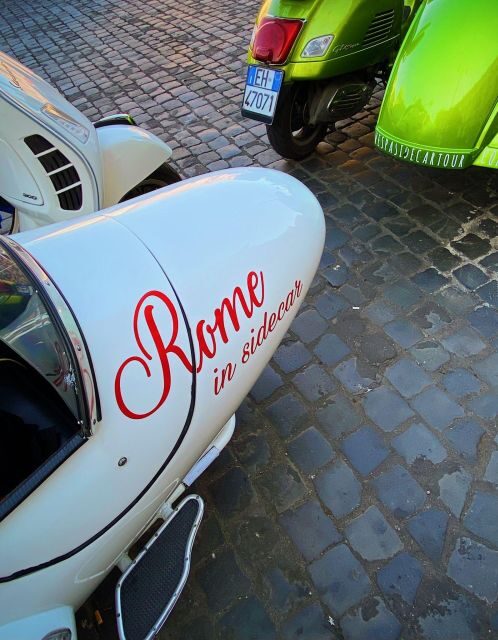
The tour runs with a professional licensed guide in English, narrating through headphones for the whole experience. That headset element changes how you experience the city at night. You’re not trying to hear over traffic, and you’re not constantly asking the driver where you are.
From past tours, guides have included people like Barbara and Monica, and the common thread in the feedback is how animated and motivating the guides can be—like they’re showing you Rome through their own map.
Even if you already know some Roman names, the biggest value is the timing: you get explanations while you’re watching the city unfold, not later on a page.
Value Math: Why $169.93 Can Make Sense (If You Want Night + Pizza)
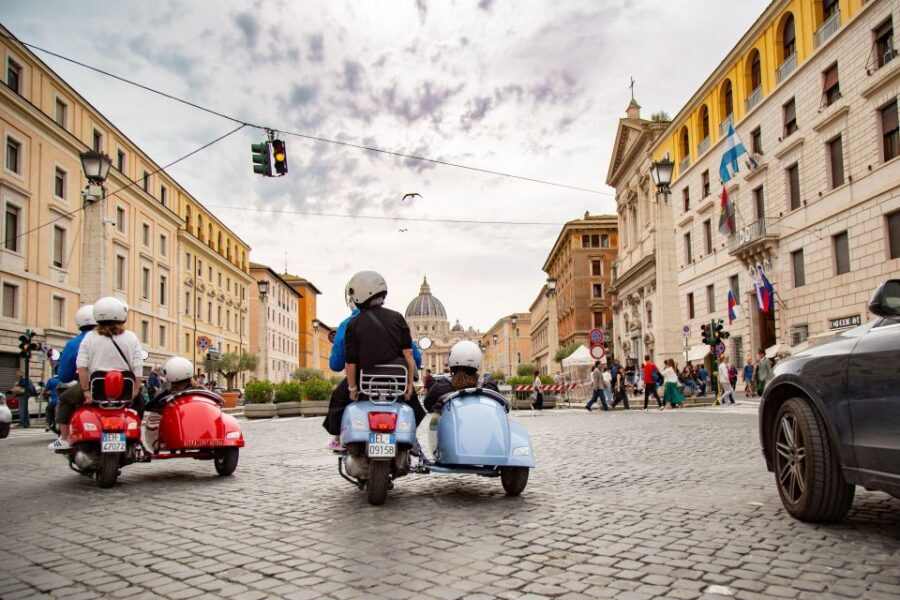
At $169.93 per person for a roughly 3-hour evening, the cost feels easier to justify when you look at what’s bundled:
- Professional guide with live narration
- Professional drivers
- Full insurance policy included
- Helmets, head covers, seat belts
- Ponchos, plus winter comfort items
- Pantheon entry tickets
- A gourmet pizza tasting at VICO in Palazzo Rondanini
If you were to recreate the same night yourself—tickets, finding a guide, arranging transport, and then paying for a sit-down pizza meal—you’d likely spend at least a similar amount, and more time figuring out logistics than enjoying the ride. Here, you pay for the convenience of not driving and not parking, with the guide doing the navigation and context.
This is also good value for groups and mixed ages. It’s structured and easy to join without each person managing their own plan.
Who This Tour Fits Best (And Who Should Skip It)
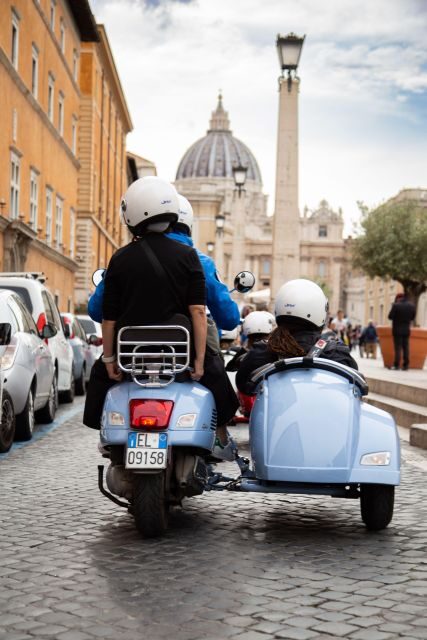
This is a smart match if you:
- Want Rome highlights without the headache of navigating traffic
- Like guided history but also want the fun of movement
- Enjoy evening sights more than daytime crowds
- Want pizza as part of the experience, not just a random dinner stop
Skip it or think twice if you:
- Have medical limitations mentioned above (back/heart/serious conditions, pregnancy)
- Need long, slow museum time inside major sites beyond what fits in a short evening
- Prefer a DIY street-by-street walking plan
For families, it’s often appealing because the ride turns transit into sightseeing. For couples, the tone tends to feel like a date-night version of Rome planning—short stops, good atmosphere, then pizza in a historic building.
Should You Book This Vespa + Pizza Night Ride?
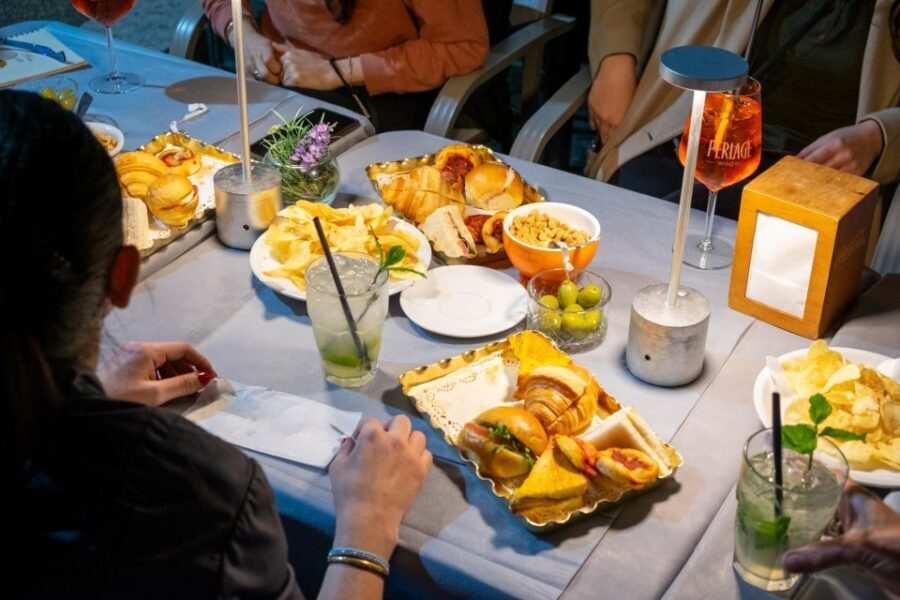
I’d book it if your goal is a high-impact Rome evening: sights + story + views + a real pizza payoff, all while someone else handles driving and route timing. The Pantheon ticket included and the VICO tasting in Palazzo Rondanini make it feel like more than a “ride around.”
If you’re cautious about sidecar comfort, or you have any health concerns related to riding, you should compare it carefully to a walking-only guided tour. And if you want long inside visits and slow museum time, plan that separately.
Bottom line: this is a fun, structured way to see a lot of Rome after dark, with the kind of dinner stop that turns the evening into an event.
FAQ
What time does the tour start?
The standard start time is 19:00. Check availability for any other starting times.
How long is the experience?
The duration is listed as 3 hours.
Is the tour narrated in English?
Yes. The live tour guide narration is available in English, delivered through headphones.
What’s included with the pizza tasting?
The tour includes a gourmet pizza tasting at VICO Pizza & Wine in Palazzo Rondanini, with traditional and creative pizzas prepared by the pizzaiolo team there.
Are entrance tickets included?
Yes. Entry tickets to the Pantheon are included.
What safety and comfort gear is provided?
You get homologated CE helmets with sterilized disposable head covers, seat belts for the sidecar passenger, plus waterproof ponchos if it rains. In winter, there are blankets and electric water bottles. Water is also provided via electric bottles.
Are there age or height requirements for children?
Children must be at least 5 years old and must be accompanied by an adult. If a child is taller than 150 cm, they can sit behind the driver; otherwise they must ride in the sidecar with the seatbelt on.