REVIEW · GUIDED
Domus Aurea Guided Tour: The Golden House of Nero
Book on Viator →Operated by Through Eternity Tours · Bookable on Viator
Nero’s palace is still under Rome. The Domus Aurea Guided Tour takes you into Emperor Nero’s long-buried underground rooms, with an archaeologist-led story that connects what you see to how the Golden House worked. You also get VR at the end to rebuild the palace in your mind.
I love the archaeologist-led walk through an active dig and restoration, and I love the VR headset at the end that helps you picture the palace in full color and scale. One drawback: the tour is worth it, but you should pay attention to English clarity and the exact meeting point, since a few departures have had confusion or accents.
In This Review
- Key Things I’d Prioritize
- Domus Aurea: Why Nero’s Golden House Feels Like a Time Machine
- Meeting at Oppio Caffè: How to Start Without the First-10-Minute Panic
- Inside Nero’s Palace: How the Two-Hour Guided Visit Actually Flows
- VR Headsets and 3D Reconstructions: Why the Underground Makes More Sense
- Nero’s Story, Myth vs Reality: What Your Guide Helps You Understand
- Comfort and Practical Tips: The Stuff That Makes or Breaks the 2 Hours
- Price and Value: Is $56.72 Worth It in Rome?
- Should You Book This Domus Aurea Guided Tour?
- FAQ
- How long is the Domus Aurea Guided Tour?
- What’s included in the $56.72 price?
- Do I need to bring a ticket or can I use my phone?
- What do I need to bring for entry?
- Where do I meet, and where does the tour end?
- Is the tour in English?
- Can I cancel for free?
Key Things I’d Prioritize
- Active archaeological setting: you’re walking through a site that’s still being uncovered and restored.
- Expert commentary with English: an English-speaking archaeologist guide leads the experience inside.
- VR at the end: a headset experience that helps your brain handle the fact this is all underground.
- Limited group size (max 22): smaller groups make the commentary easier to follow.
- Two hours is realistic: enough time to get the point without eating your whole day.
- Cold underground environment: bring layers even in summer.
Domus Aurea: Why Nero’s Golden House Feels Like a Time Machine
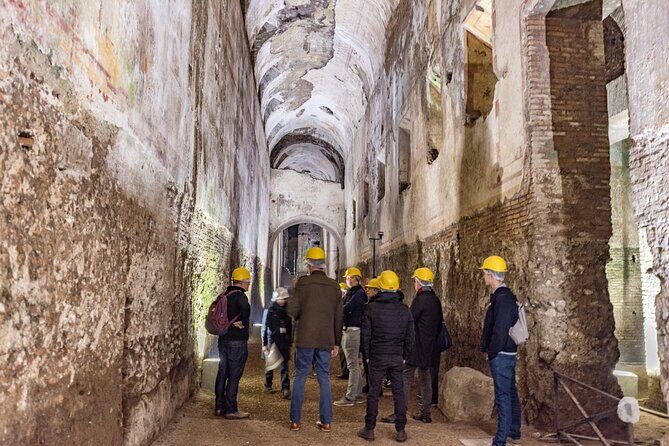
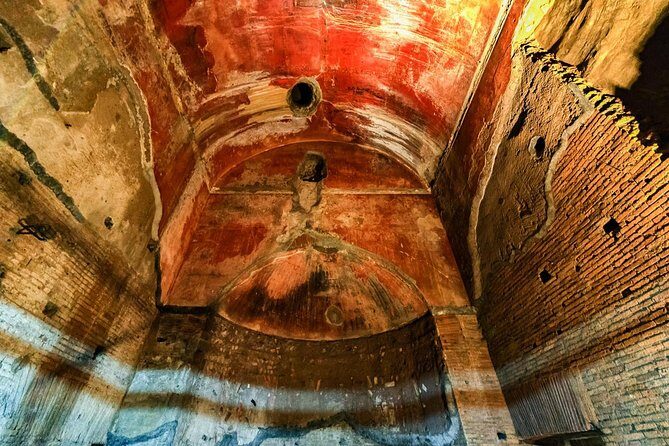
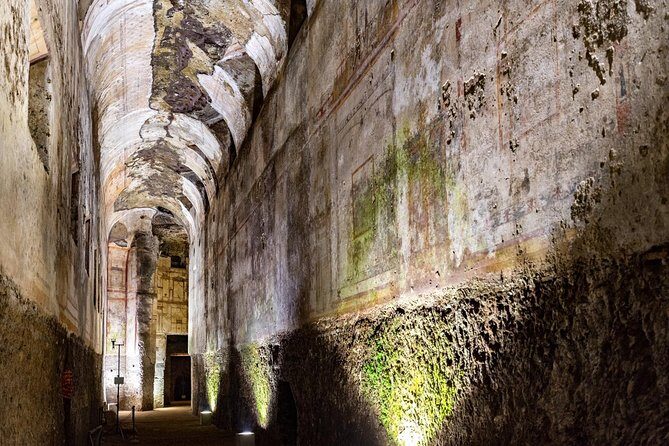
The Domus Aurea is one of Rome’s most unusual attractions because it breaks the normal city pattern. You’re not wandering bright marble streets with crowds. You’re going underground into a massive, once-glamorous complex that was later buried for centuries—then slowly revealed again as archaeologists work to preserve what’s left.
What makes the tour interesting is the way it ties the buildings to the real world of Nero’s power and Roman entertainment. The Golden House wasn’t just a private residence vibe in the simple sense. You’ll hear how the space worked and why it looked the way it did—plus how the stories you know about Nero don’t always match what the site suggests now.
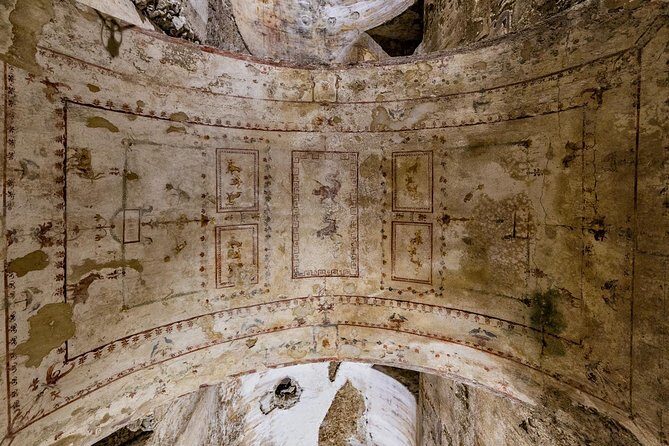
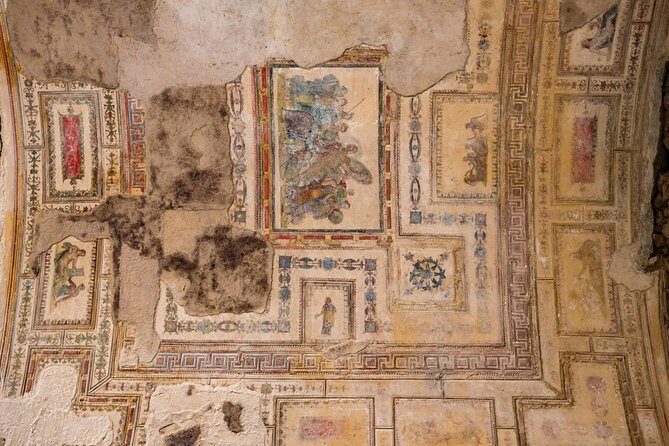
I also like that you’re not asked to just stare at art. The guide’s job is to turn the walls, ceilings, and surviving decoration into clues. Even if parts of the palace can’t be fully seen today, the explanation helps you understand what you’re looking at and what the site is still revealing as restoration continues.
And then there’s the practical magic: VR helps fix the scale problem. Underground spaces can make your imagination guess. The headset experience pushes you toward a clearer picture of what the palace was meant to look like.
You can also read our reviews of more guided tours in Rome



Meeting at Oppio Caffè: How to Start Without the First-10-Minute Panic
The meeting point is Oppio Caffè, Via delle Terme di Tito 72, 00184 Rome. Your tour ends at Vle della Domus Aurea, 00184 Rome.
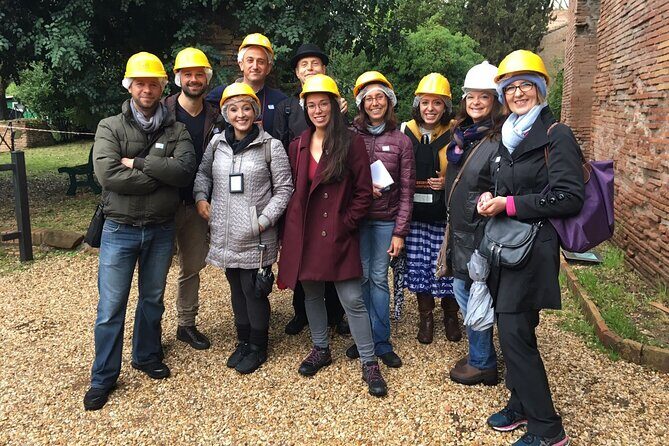
Here’s the main thing to plan for: the start can be easy to misread. One common hiccup is that the guide may not be right at the cafe sign line—sometimes they’re across the street area, near the park/garden entrance. If you arrive at the last second, you’ll be the person doing the frantic head-scan in a crowd.
So I’d do two simple moves:
- Arrive a bit early and look for the group name signage.
- Keep your confirmation message handy, especially because Jubilee-related restoration can shift how monuments are handled on certain dates.
Also, this is a walking tour with steps, staircases, and uneven surfaces. You’ll be more relaxed if you start off ready to move.
Inside Nero’s Palace: How the Two-Hour Guided Visit Actually Flows
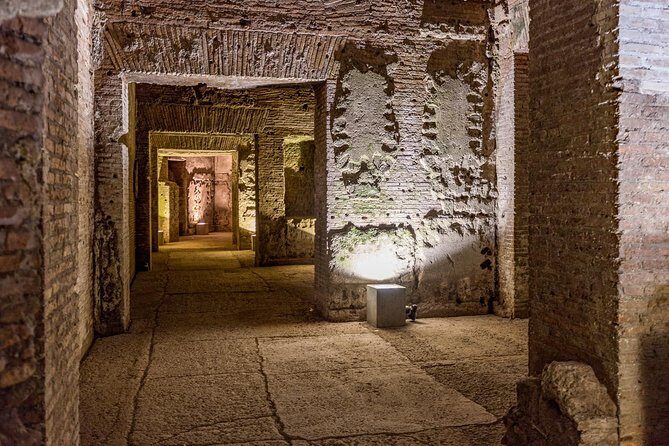
You’re on the site for about 2 hours, and admission is included. There’s one main stop: the Domus Aurea entrance with your guide, then the guided experience inside.
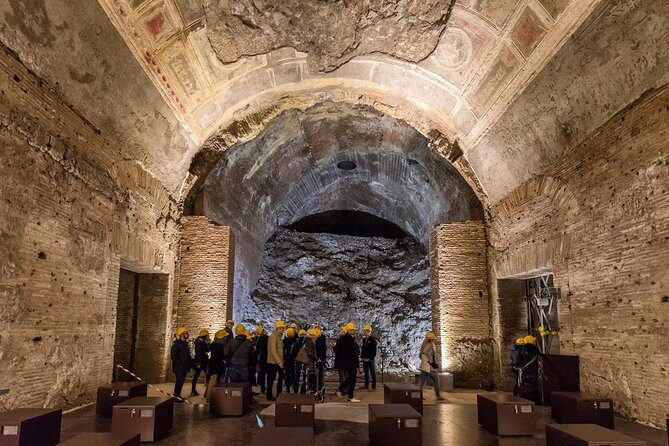
A good way to think about the flow is: guided storytelling first, then visual reconstruction help near the end. As you walk through the excavated areas, the guide connects what you see to what it originally looked like, and how archaeologists interpret the remains. This is where the “active dig” feeling matters. You’re not just viewing finished rooms; you’re seeing a living archaeological project.
At some point during the walk, you’ll also use supporting visuals—screens or renderings that show what certain rooms may have looked like. That’s a big deal here, because underground ruins can be hard to mentally complete.
Then the VR experience comes later in the tour. The headset is designed to give you the bigger context: the palace scale, the room layout, and the visual effect of decoration that’s partially preserved or hard to imagine in its original form.
The value of keeping it to roughly two hours is that you can still build the rest of your Rome day around it. This is the kind of visit that works well before dinner plans, or as a quieter contrast to the high-volume sites that dominate most first itineraries.
VR Headsets and 3D Reconstructions: Why the Underground Makes More Sense
VR is one of the strongest reasons to choose this tour format. It isn’t just flashy tech. It solves a real interpretation problem.
Underground spaces mess with scale. Even if you’re standing in the right spot, it’s difficult to picture the full palace as it once appeared. The VR headset experience gives you a recreation to compare against the excavated setting around you.
You’ll also see visual reconstructions on screens along the way, so the VR doesn’t feel like a random extra at the end. It reads more like a final “now it clicks” moment—especially if you’ve been squinting at ceilings and decorative fragments trying to imagine how dramatic the original rooms must have been.
If you’re traveling with kids, VR is often a winner too. It gives them a way to “see” what’s gone and understand that the underground isn’t empty—it’s just hidden time.
Practical note: inside can be cold even during summer, so you’ll want layers. VR and headset time can make you notice the chill more than you expect.
Nero’s Story, Myth vs Reality: What Your Guide Helps You Understand
This tour is built around Nero’s life and what the Domus Aurea reveals about how he wanted to be seen. You’ll hear the narrative through an archaeologist’s lens rather than a basic “here’s a palace, admire it” approach.
One theme you should expect: correction. The guide explanation tends to dispel simplified myths about Nero and clarifies how the Domus Aurea was used. You may come away with a sense that this was more than a personal “home” fantasy. It’s described as a massive daytime entertainment complex, which changes how you interpret the decoration and scale.
Another theme that pops up in the experience is the connection between Rome and Egypt. That’s a fun thread because it helps explain decorative choices and the cultural mix Nero’s Rome was reaching for.
Guide names from past groups include Zenda (helpful, passionate, and organized at the start), Sara (leading the inside walkthrough with strong details), Valentina (resolving start-day hiccups while keeping the tour moving), and Stu (making the experience engaging with strong historical context). You might not get the same guide, but it’s a good sign that the staffing can include people who clearly enjoy talking about the site.



Comfort and Practical Tips: The Stuff That Makes or Breaks the 2 Hours
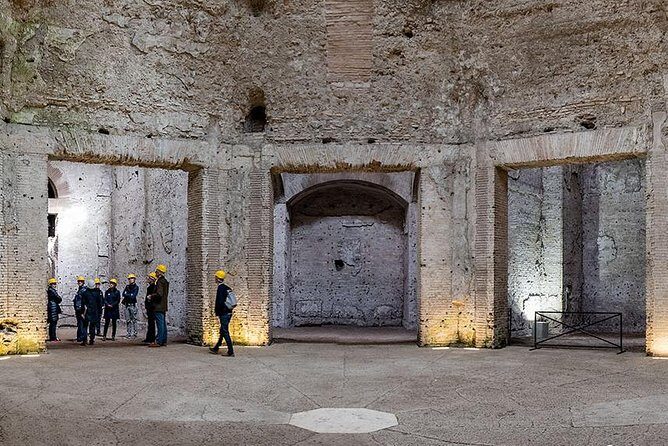
This is an indoor archaeological site, and the surface conditions are real. You’ll deal with steps, staircases, and uneven ground. Bring comfortable shoes that don’t punish ankles. Then add a bottle of water. Even though it’s only about two hours, you’ll be happier moving without worrying about your footing.
Dress for cold. Even in summer, underground air can feel chilly. A jacket or light sweater is usually a smart bet.
One more entry detail that matters: you need to bring a government issued photo ID. The full names of all participants are required for ticket purchase, and those names must match what’s on your ID. If the names don’t match exactly, entry can be blocked.
Mobility needs also deserve attention. The tour is walking-based with steps and uneven surfaces, so if you have mobility concerns, tell the provider during booking so they can best accommodate you.
Price and Value: Is $56.72 Worth It in Rome?
At $56.72 per person, this isn’t the cheapest thing you can do in Rome. But the value is stronger than it looks at first glance because you’re paying for a specific mix:
- Admission included plus ticket and reservation fees
- Exclusive access to the Domus Aurea
- An English-speaking archaeologist guide
- A virtual reality experience
You’re not just buying entry. You’re buying interpretation and time inside with limited capacity. That’s important here because entry slots are limited, and the site itself is a controlled archaeological space.
The two-hour length is also part of the value. You get a focused experience without needing to block an entire half day. That means you can pair it with other nearby sights or use the rest of your day for lower-effort Roman wandering.
One more thing: English quality can vary from guide to guide. The tour is marketed as English-speaking, and that’s usually true, but if you struggle with accents, it’s worth coming prepared mentally and arriving on time so you’re not rushed at the start.
Should You Book This Domus Aurea Guided Tour?
Yes, if you want an underground Rome experience that’s guided by an archaeologist and supported by VR. This tour works especially well if you’ve already seen the big-name monuments and want something weirder, quieter, and built around an archaeological project that’s still unfolding.
Skip it or think carefully if you need very clear English at all times, because guide language clarity can be inconsistent on different days. Also consider whether the walking conditions (steps, staircases, uneven surfaces) fit your comfort level.
If your goal is to understand Nero’s Golden House in a way that’s more than surface viewing—then booking early is smart. Limited entry means availability can disappear, and you’ll want that VR-assisted understanding while the experience is fresh in your head.
FAQ
How long is the Domus Aurea Guided Tour?
It lasts about 2 hours.
What’s included in the $56.72 price?
Admission is included, along with all fees and taxes, an expert English-speaking archaeologist guide, tickets and reservation fees, exclusive access to the Domus Aurea, and a virtual reality experience.
Do I need to bring a ticket or can I use my phone?
The tour uses a mobile ticket.
What do I need to bring for entry?
Bring a government issued photo ID. You also need the full names of all participants exactly as they appear on your photo ID.
Where do I meet, and where does the tour end?
You start at Oppio Caffè, Via delle Terme di Tito 72, 00184 Rome, and the tour ends at Vle della Domus Aurea, 00184 Rome.
Is the tour in English?
Yes. The tour is offered in English.
Can I cancel for free?
Yes. You can cancel for a full refund up to 24 hours before the experience’s start time. After that point, the paid amount isn’t refunded.