REVIEW · ROME
Rome: Guided Walking Tour in English or Spanish
Book on GetYourGuide →Operated by Global Experiences · Bookable on GetYourGuide
Rome at night is a different city.
This 2-hour guided walk helps you make sense of the center fast, with major sights like the Pantheon and Trevi Fountain lit up in the evening. I love that you get a local guide telling clear, street-level stories you can actually picture while you walk, like why certain monuments and squares matter for Italy’s big turning points. I also like the pace: it is long enough to feel like you saw real Rome, but short enough that you are not dead tired at the end. One drawback: the meeting point can be tricky to spot, so you’ll want to arrive early and confirm exactly which starting option you booked.
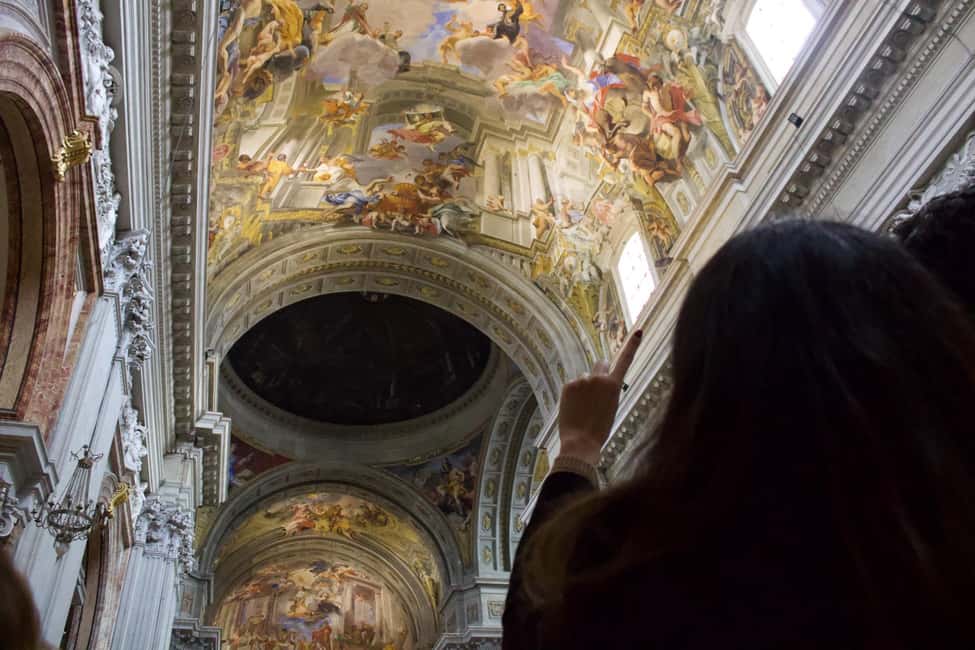
You’ll also pass some lesser-seen corners along the way, including a very small church with a hidden painted illusion and a bunch of behind-the-scenes political gossip that the guide ties to the city’s changing eras. Guides I’ve heard praised by name include Dan, Alina, Sila, Theo, Domenica, and Sharon, and the common thread is how they keep the group engaged with facts plus stories. If you struggle with hearing on busy streets at night, plan to stand where you can face the guide and listen for the key details.
In This Review
- Key Highlights to Look For
- A Two-Hour Rome Night Walk With Real Central-Route Value
- Where the Walk Starts (and Why It Matters)
- Piazza d’Aracoeli or Piazza di Pasquino: Your Orientation Launch
- Monumento a Vittorio Emanuele II: Big National Meaning in the Middle of It
- Trevi Fountain at Night: More Than a Photo Stop
- The Pantheon: A Guided Stop That Makes Architecture Feel Personal
- Piazza Navona: Squares, Stories, and the Human Side of Rome
- Trajan’s Column: When You’re Walking a Timeline
- Drop-Off Options: How the Walk Ends
- The Tour Style: What the Guides Do That Makes It Click
- What’s Included (and What Isn’t)
- Price and Value: Is $28 Worth It?
- What to Bring (So You Enjoy the Walk)
- Who This Tour Fits Best
- Should You Book This Rome Guided Night Walk?
- FAQ
- How long is the guided walking tour?
- How much does the tour cost?
- What languages are offered for the tour?
- Where do I meet the guide?
- What sights are covered during the walk?
- What is included in the price?
- Is food and drink included?
- What should I bring?
- Is free cancellation and pay later available?
Key Highlights to Look For
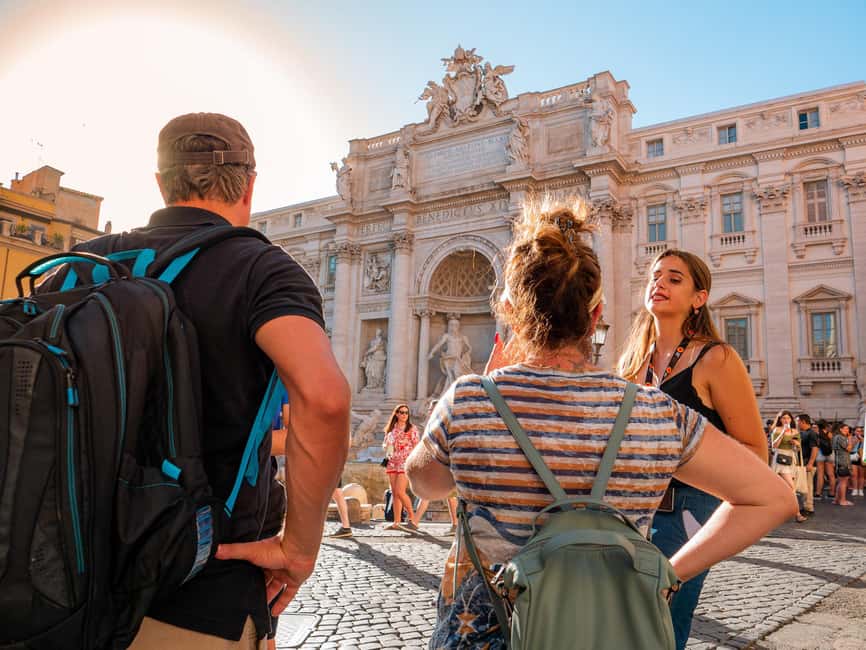
- Major monuments in 2 hours: Trevi Fountain, Pantheon, Piazza Navona, and more, all in one tight route
- Night lighting effect: the sights feel calmer and more cinematic after dark
- Story-driven walking: explanations connect squares and monuments to Italy’s history and later political life
- Two starting options: Piazza d’Aracoeli or Piazza di Pasquino, depending on the departure you choose
- Guides with personality: names like Dan, Theo, Alina, Sila, and Sharon show up often in praise
A Two-Hour Rome Night Walk With Real Central-Route Value
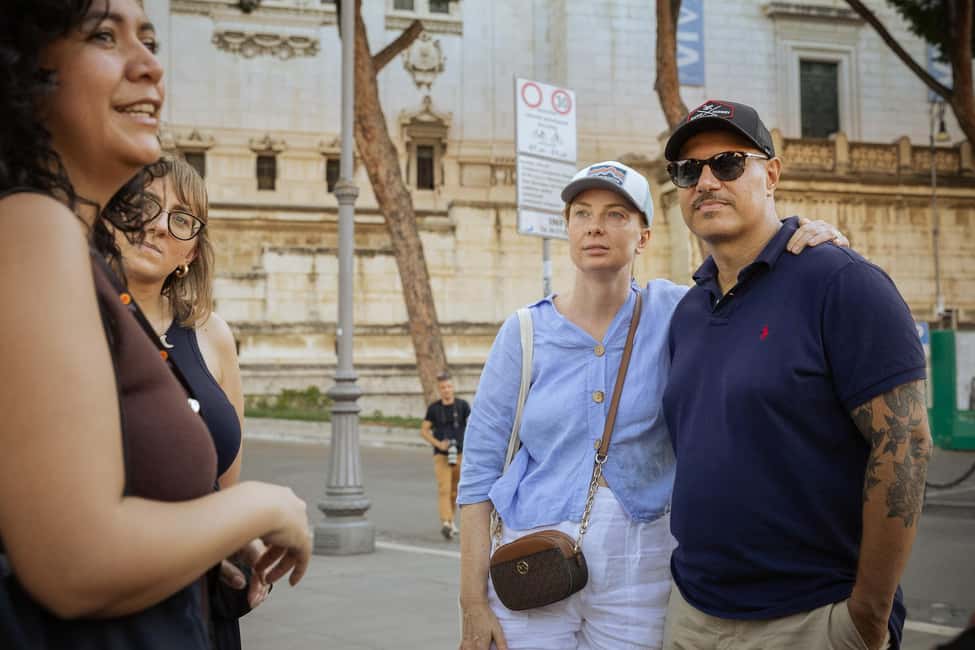
This tour is built for one goal: help you understand central Rome by walking a sensible line through it. It covers headline stops, but it also adds the kind of context you miss when you just snap photos and move on. The evening timing matters here. Rome looks more layered after dark, and the monuments you normally see in daytime crowds feel a little more like they are talking to you.
For $28, you are paying for three things: a local guide, a structured route, and a list of recommendations so you can keep going after the walk. That makes it a strong first-day or second-day option. You get a map in your head, not just a pile of images on your phone.
You can also read our reviews of more tours and experiences in Rome.



Where the Walk Starts (and Why It Matters)
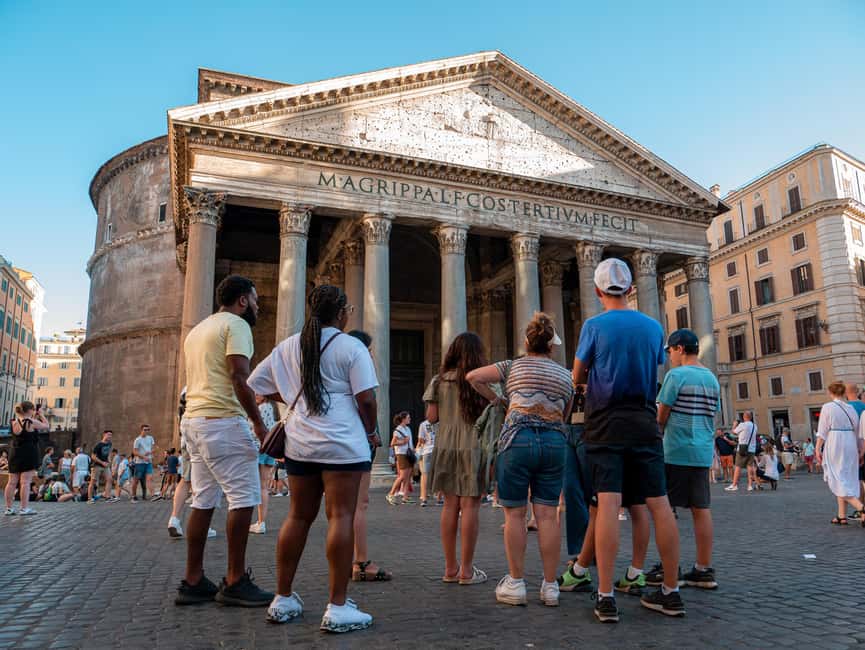
Your start point can vary by booking option. Depending on which version you select, you might meet near Piazza d’Aracoeli or Piazza di Pasquino. In other variants, the meeting location can also be described around Trajan’s Column or Piazza Navona. Since the tour ends back at the meeting point, getting the first step right helps the whole experience feel smooth.
Here’s the practical trick I’d use: get there early enough to find your exact spot without stress. Some people reported the guide being hard to spot at the start, with one helpful suggestion to look for a bigger flag or flagpole. So treat this like a meetup, not a casual stroll—face the landmark you’ve been given, and keep your phone ready in case you need a quick call to locate your group.
Piazza d’Aracoeli or Piazza di Pasquino: Your Orientation Launch
The route begins either at Piazza d’Aracoeli or Piazza di Pasquino. This opening segment is more than just walking to your first big sight. It is where the guide helps you get bearings fast—what you are seeing, why it exists, and how the neighborhoods connect.
This is also where you start picking up the tour’s theme: Italy’s story written in stone and squares. The guide explains the historical significance of well-known plazas and how some tie to the unification of Italy, while other moments relate to more recent history. That framing helps later stops click into place, instead of feeling like random “must-sees.”
Monumento a Vittorio Emanuele II: Big National Meaning in the Middle of It
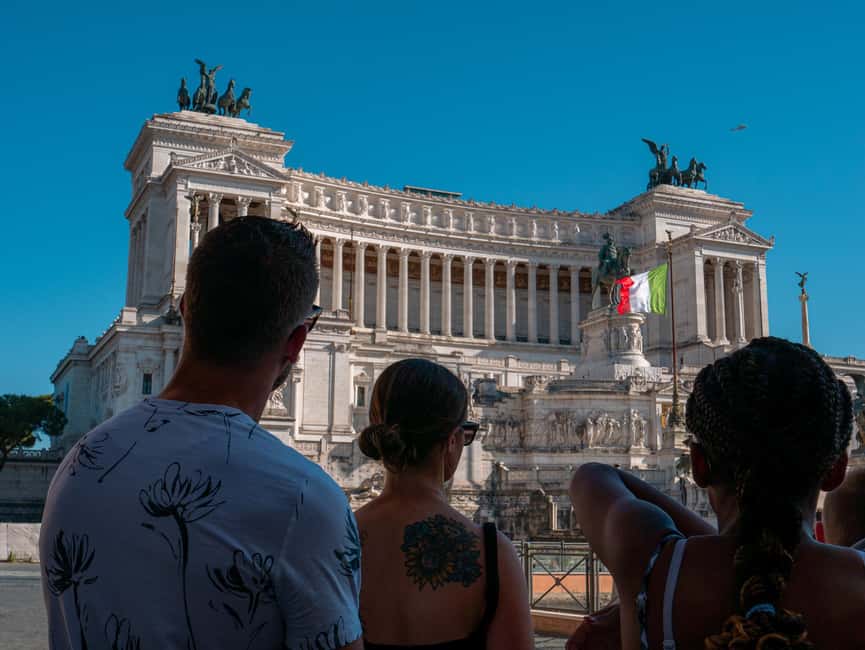
Next on the walk is Monumento a Vittorio Emanuele II, followed by guided time for context. Even if you know this landmark name already, the benefit of having a guide is the angle. You are not just looking at the structure—you are learning how the guide connects it to the wider story of Italy and what people wanted these grand spaces to communicate.
At night, this kind of monument also changes mood. It becomes more about scale and silhouette than crowds and daytime details. That makes it easier to notice the overall shape and how it fits into the surrounding streets before you move on to smaller, more intimate spaces.
Trevi Fountain at Night: More Than a Photo Stop
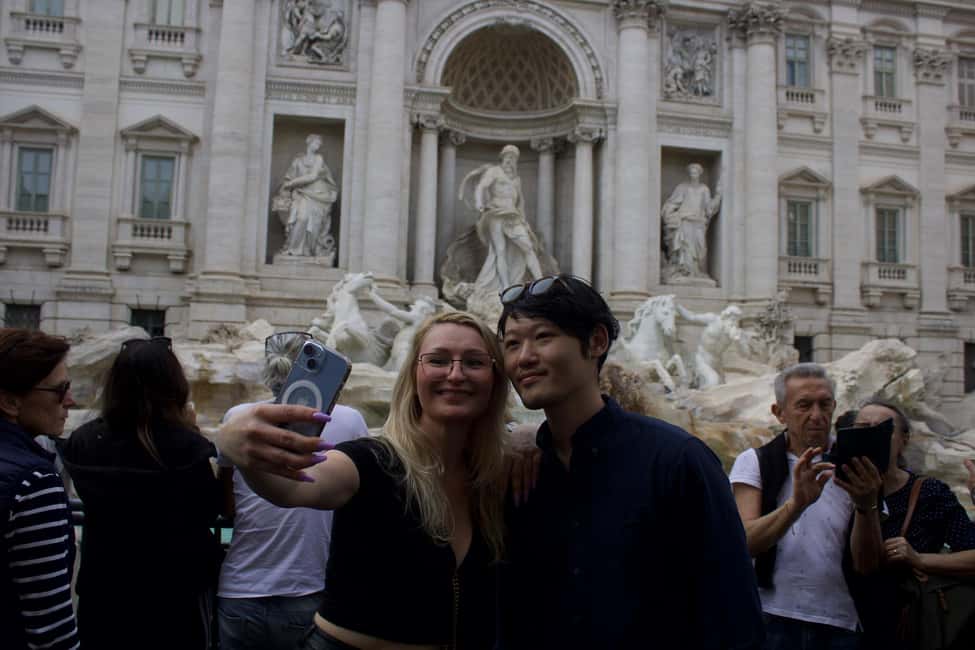
Then comes Trevi Fountain, with guided time built in. This is the part where most people expect crowds. What you get with a guide is the “why” behind what you are seeing—stories and details that turn a famous landmark into something you can understand as you stand there.
Night lighting helps too. The fountain feels like a focal point instead of background noise. The guide’s job is to stop you from rushing through. You take your time, absorb the explanation, then let the atmosphere do the rest.
And if you are traveling solo, this is a strong moment to regroup and ask questions—because the group is stationary and the guide can answer without everyone feeling pulled along.



The Pantheon: A Guided Stop That Makes Architecture Feel Personal
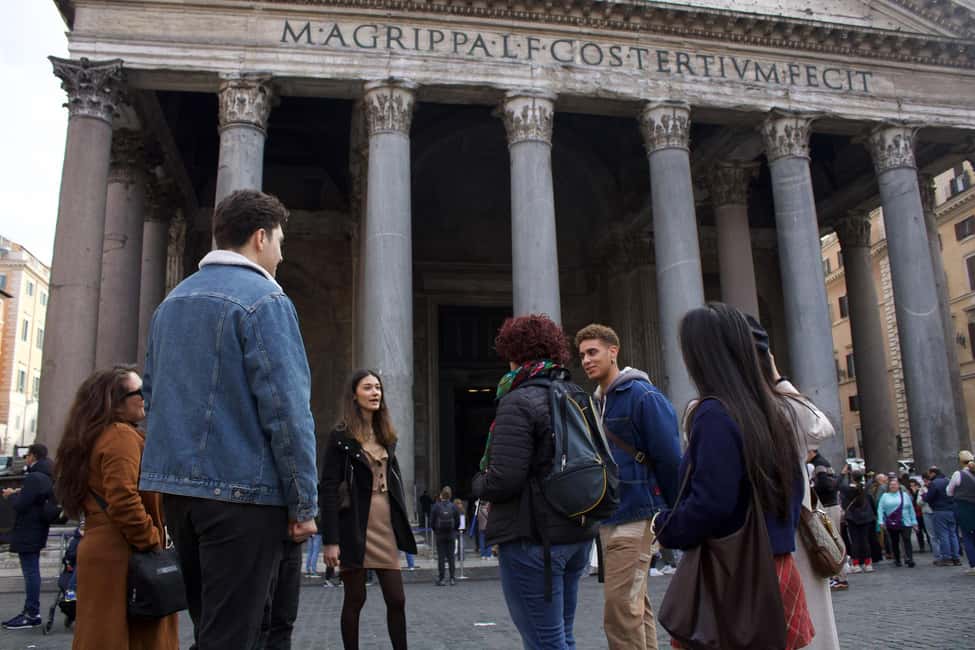
After Trevi, you reach the Pantheon, again with guided time. This is one of those sights where people either love it instantly or feel like they missed something. A good guide fixes that second problem by pointing out what matters in the setting and explaining how it fits into Rome’s long cultural timeline.
Even from the way guides are praised, the pattern is consistent: they give clear explanations that connect the building to the city around it. That matters because the Pantheon does not exist in a vacuum. It sits inside a network of squares, streets, and neighboring history.
My advice: stand where you can face the guide without blocking others. At a place this famous, a good group flow makes the whole stop more enjoyable.
Piazza Navona: Squares, Stories, and the Human Side of Rome
Next is Piazza Navona, with guided time. Squares like this are where Rome feels most “alive,” especially at night when the pace slows down a bit and people linger. The guide uses this space to explain how important plazas function—socially and historically.
This stop also connects to the tour’s broader theme: Rome as a layered place, where different eras leave visible marks and where power and public life show up in architecture. The guide may also bring in stories that link past events to more recent political scandals—part of what makes this tour feel like more than a checklist.
One small practical point: Piazza Navona can get crowded. Keep an eye on where the group is gathered so you don’t drift away while taking photos.
Trajan’s Column: When You’re Walking a Timeline
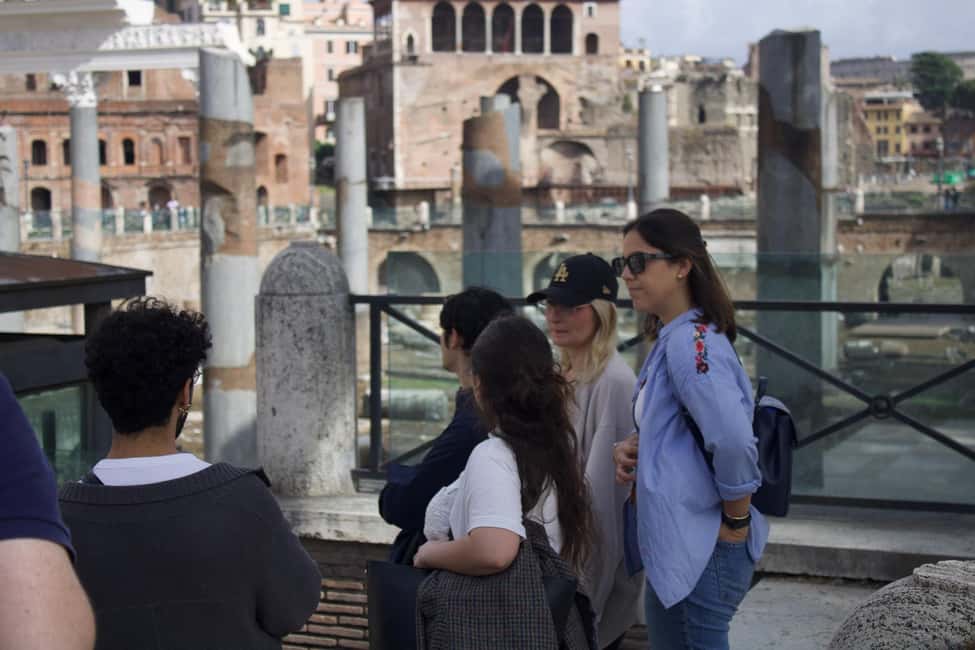
The final major sight on the main route is Trajan’s Column, with guided time built in. This is the kind of landmark where explanations help you read the monument instead of just admiring it. The guide can connect what you see to Rome’s historical narrative, turning a single structure into a way to understand the city’s timeline.
By the time you reach this stop, the earlier explanations should have made you faster at noticing patterns—how Rome reuses public space, how eras overlap, and how different political stories show up in the built environment. That payoff is a big reason people rate this tour highly.
Drop-Off Options: How the Walk Ends
The walk finishes back at the meeting point, but the experience can end in a couple of practical spots depending on the version you book—Piazza Navona and Colosseum are both mentioned as drop-off locations. So if you are also trying to line up your next stop, this is useful. You can turn the walk into a two-part plan: “guide route now, explore on my own next.”
The Tour Style: What the Guides Do That Makes It Click
The best part of this experience is the guide storytelling. People mention that guides like Dan, Theo, Alina, Sila, Domenica, and Sharon kept the group engaged with humor and clear explanations, and often focused on why details are positioned a certain way. One person even noted how helpful it was to understand why a statue is looking or pointing a specific direction—small insight, big payoff.
That is the tour’s real value: it trains your eye. After a couple of stops, you start seeing not only what something is, but why someone put it there.
A practical listening note: some guests suggested that adding small radios would help in louder city sections. So if you know you struggle hearing in groups, choose a spot close to the guide and be ready to step in a little when the group stops.
What’s Included (and What Isn’t)
Included:
- Local guide
- Walking tour
- List of recommendations
Not included:
- Food and drink
So build a simple plan for yourself. If you’re doing this near dinner time, eat before or after—don’t count on the tour providing a meal.
Price and Value: Is $28 Worth It?
For $28 per person, this is one of the better deals in central Rome—because the tour compresses multiple marquee sights into a short, organized walk with guided context. You are paying less for access and more for interpretation. Rome is easy to tour badly: you can hit landmarks, but you leave confused about what you saw and why it matters. A guide prevents that.
You also get a list of recommendations. That matters because it turns the tour into momentum for the rest of your days. You leave with a few clearer next steps instead of guessing where to go when you are tired.
What to Bring (So You Enjoy the Walk)
Bring:
- Comfortable shoes
- Comfortable clothes
That’s it. This tour is mostly about walking between points, so footwear is the difference between enjoying the evening and rushing through it just to survive your feet.
If you are sensitive to temperature, remember Rome nights can feel different from daytime. Dress in layers so you stay comfortable while standing still for guided explanations.
Who This Tour Fits Best
This is an excellent match if:
- You want a 2-hour night route that hits the core monuments without heavy planning
- You like your Rome experience explained, not just photographed
- You are traveling solo and want a group setting that still feels social and manageable
- You are with kids or teens who benefit from stories and a steady pace (some guides were praised for keeping younger people engaged)
It may be less ideal if:
- You hate walking or want long stops inside buildings
- You know you have trouble hearing in crowded areas, especially at street-level
- You tend to arrive late and then scramble to find a group
Should You Book This Rome Guided Night Walk?
Yes—if you want Rome to make sense quickly. This tour is a strong value because it mixes the biggest names (Trevi, Pantheon, Piazza Navona) with the kind of context that turns famous places into clear stories. If you care about atmosphere as much as landmarks, the nighttime timing makes it feel more special than the standard daytime circuit.
Just do two things to make it smoother: pick your exact starting option ahead of time, and arrive early enough to find the group without stress. After that, you’re set for a fun, story-led walk that leaves you with better questions for your own wandering the rest of the night.
FAQ
How long is the guided walking tour?
It lasts 2 hours.
How much does the tour cost?
The price is $28 per person.
What languages are offered for the tour?
The tour is available in English and Spanish.
Where do I meet the guide?
The meeting point can vary depending on the option booked. You may meet near Piazza d’Aracoeli or Piazza di Pasquino, and some versions start around Trajan’s Column or Piazza Navona. The tour ends back at the meeting point.
What sights are covered during the walk?
The tour includes stops at Monumento a Vittorio Emanuele II, Trevi Fountain, the Pantheon, Piazza Navona, and Trajan’s Column. It also highlights major central Rome sights such as Piazza Venezia.
What is included in the price?
Included are a local guide, the walking tour, and a list of recommendations.
Is food and drink included?
No, food and drink are not included.
What should I bring?
Wear comfortable shoes and comfortable clothes.
Is free cancellation and pay later available?
Yes. You can cancel up to 24 hours in advance for a full refund, and there is a reserve now & pay later option.