REVIEW · NAPLES
Cooking Lesson: Neapolitan pasta homemade
Book on GetYourGuide →Operated by GRAND TOURS ITALY · Bookable on GetYourGuide
Hand-rolling pasta in Naples feels special fast. This Neapolitan homemade pasta lesson teaches you how Campania cooks think—hands-on dough work, traditional shaping, and then real table time with what you made.
I love that it’s practical from minute one: you learn the difference between pasta types, then you make egg pasta using a family-style approach. I also love the no-machine method—rolling pin, cut by hand, and the chef shows techniques that can disappear when people rely on gadgets. One thing to consider: it’s not suitable for gluten intolerance, since you’ll be working with wheat-based dough.
The whole experience centers on Naples’ old-school flavors and techniques, with tastings along the way and two sauces waiting at the end. The format keeps momentum, and you end up eating a proper meal (not just a sample).
In This Review
- Key things I’d pin on your map
- Where You Start in Naples: Spaccanapoli and the Kitchen Lab Feel
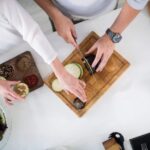
- The Real Lesson: Egg Pasta Dough the Old Way
- Dough Rest Tastings: Vesuvio Tomato and Local Bread
- Rolling, Cutting, and Filling: Ravioli and Fettuccine by Hand
- Cooking and Saucing: Two Flavors, One Shared Table
- Price and Value: Is $92 Reasonable for a 2-Hour Lesson?
- Who Should Book This Neapolitan Pasta Lesson
- Should You Book It?
- FAQ
- How long is the Neapolitan pasta cooking lesson in Naples?
- Where does the class meet?
- What pasta will I make?
- Do they use a pasta machine?
- What languages does the instructor speak?
- Is this class suitable for gluten intolerance?
Key things I’d pin on your map
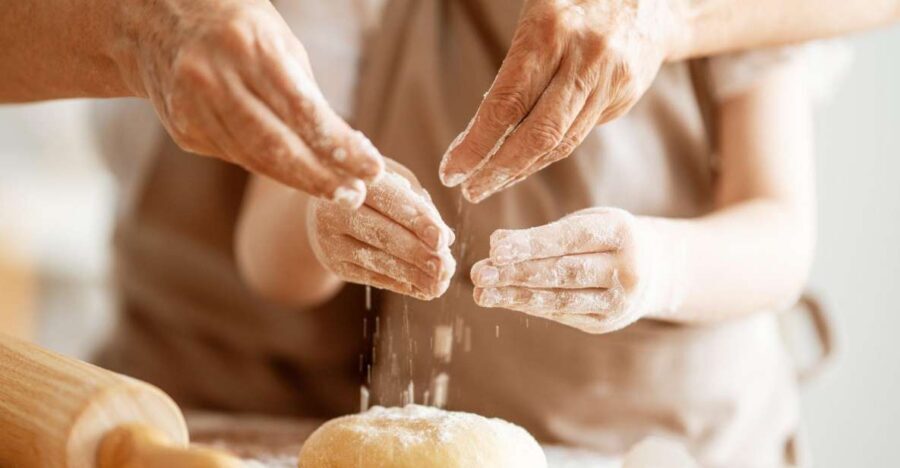
- Hand-rolled pasta, no machine, using traditional methods with a rolling pin
- Fresh tasting stops during the dough rest, including organic Vesuvio tomato and homemade bread
- You shape and cut multiple pasta styles, including ravioli and fettuccine (plus tagliolini and pappardelle shown)
- Two different sauces and a plated meal: tagliatelle with Neapolitan sauce plus ravioli al ragu
- Chef Amos style of teaching, clear explanations and steady help as you work
- Value-packed price at $92 for a 2-hour lesson plus lunch or dinner, appetizer, and a drink
Where You Start in Naples: Spaccanapoli and the Kitchen Lab Feel
This course begins in the historic center of Naples, at the Naples Cooking Lab on Spaccanapoli. That location matters because you’re stepping into a real neighborhood rhythm, not a remote classroom out of sight.
The meeting point is straightforward, and you’ll use a separate entrance to skip the line. Sometimes the lesson runs at Pizzeria Mammì in Galleria Umberto I instead, and you’ll be told in advance if that happens.
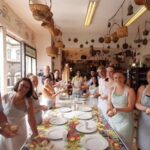
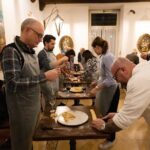
Either way, the vibe is practical. You’re here to cook, not watch. Expect a kitchen setup with tools and aprons provided so you can focus on the dough.
A small plus that you’ll feel right away: the instructor can teach in English, Italian, French, or Spanish. If your Italian is rusty, you won’t lose the thread.
Finally, the class is designed around group work. You’ll be cooking alongside your own group, then eating together, which makes the whole thing less formal and more fun.
You can also read our reviews of more cooking classes in Naples
The Real Lesson: Egg Pasta Dough the Old Way
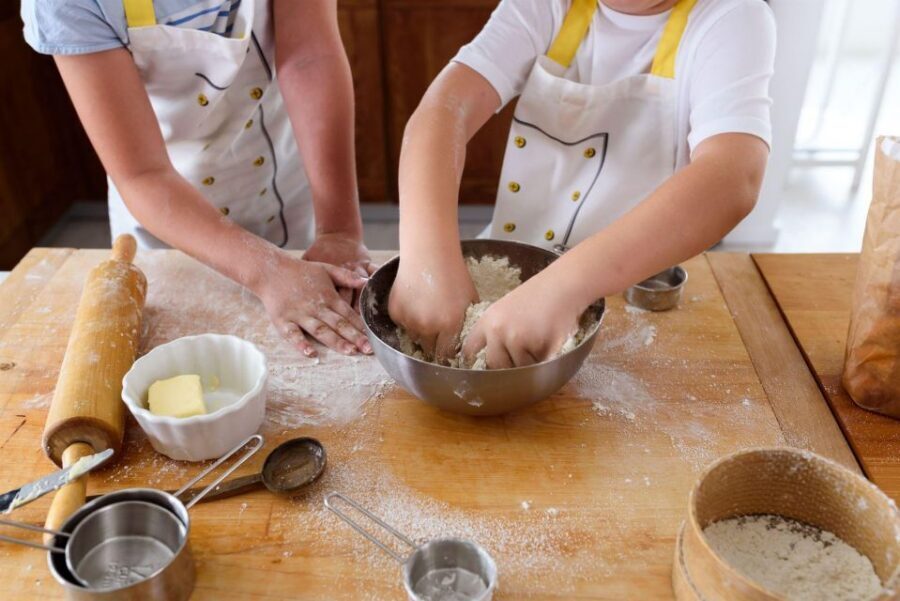
The class starts with a simple but smart foundation: the chef explains the difference between the pasta types. It’s not academic. It’s the kind of explanation that helps you understand why shapes exist—how they catch sauce, how they hold texture, and what to expect when you cut and cook.
Then you move into the main event: making egg pasta with the chef’s family recipe. You’ll get details on the dough ingredients and what they do, so you’re not just copying steps.
One detail I think you’ll appreciate is the emphasis on rest. The dough is described as a dough from the 1800s, and while it rests the chef builds in tastings and context. This makes the timing feel intentional instead of rushed.
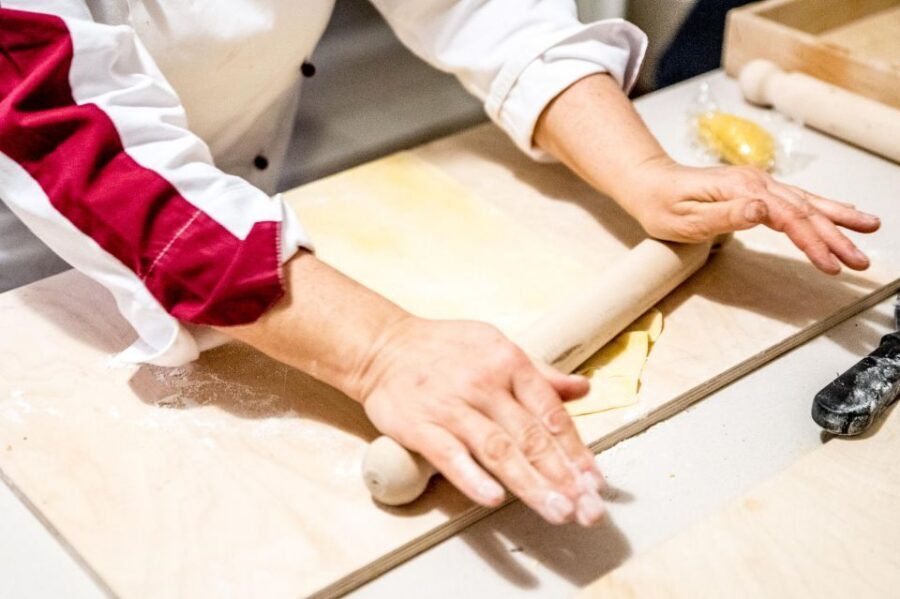
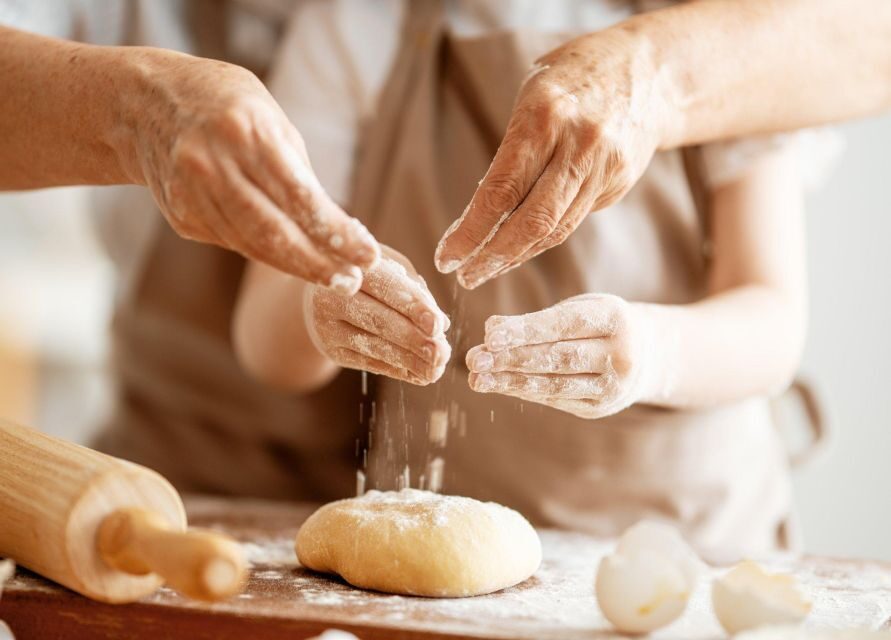
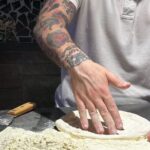
You’ll roll the dough with a rolling pin, and this is a key point: the class says no pasta machine. You’ll use ancient, traditional methods taught by grandmothers, and that matters because the dough behavior changes when you’re rolling by hand.
In practice, that means you learn how to work the dough—how it should look and feel as you shape it, and how to keep control as it gets thinner.
Dough Rest Tastings: Vesuvio Tomato and Local Bread
While the dough rests, the chef shifts gears to teach you taste. You’ll be given a local starter, then you’ll taste organic tomato from Vesuvio along with homemade bread.
This part is more than a snack break. It’s how the chef ties dough work to the sauces and final meal, so you’re understanding the flavor logic behind Neapolitan cooking instead of just making dough for dough’s sake.
Even if you’re not a foodie, you’ll get it fast. You’ll notice that good tomatoes aren’t just red sauce ingredients—they bring sweetness, acidity, and a fresh aroma that shows up in the finished sauces.
The homemade bread tasting also helps set expectations for what the meal will feel like: comfort, warmth, and simple ingredients handled well.
If you’re the type who likes to eat well on a trip, this is a strong setup. You’re not waiting until the end to experience Campania flavors.
Rolling, Cutting, and Filling: Ravioli and Fettuccine by Hand
Once the dough is ready, you roll it out and move into cutting and shaping. This is where the class becomes truly hands-on, and where your patience pays off.
You’ll learn how to make fettuccine and ravioli. The chef also shows how to prepare tagliolini and pappardelle, so even if you don’t end up with every one on your plate, you still leave with practical knowledge of multiple shapes.
Because it’s no-machine rolling, the cutting step is where you’ll feel the difference. Hand-rolling teaches you to judge thickness and consistency by feel and look, not by a dial.
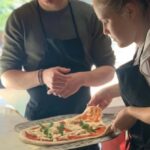
Then comes the filling. You mix the filling ingredients, and you combine it with the ravioli. This is the part where the chef guidance helps most—you learn how much filling to use and how to work the seal so the pasta stays together during cooking.
If you like cooking classes that actually teach technique, this is one of the better ones. You don’t just assemble. You learn what matters.
And from the way Chef Amos is described, the teaching style is attentive and encouraging. The class keeps you moving, but it doesn’t leave you guessing.
Cooking and Saucing: Two Flavors, One Shared Table
When your pasta is ready, it gets cooked in water. That part is essential, because fresh pasta cooking is quick, and you want to time it well.
After the brief cook, it’s seasoned with two different sauces. That lets you taste how the same homemade pasta behaves with different flavor directions.
Then you eat the results in a proper meal format: tagliatelle with Neapolitan sauce and ravioli al ragu. This combination is a great match for Naples cooking: tomato-based comfort alongside a richer meat ragù.
You’ll also get a nice alcoholic or no-alcoholic drink included. The meal is positioned as lunch or dinner, so it fits easily into a travel day without you needing to find food afterward.
There’s also a Chef diploma included. It’s not the reason to go, but it does make the whole thing feel like an earned experience instead of a quick tasting session.
Most important: you eat what you made. That turns the lesson into something you can repeat later at home, not just something you watched in someone else’s kitchen.
You can also read our reviews of more tours and experiences in Naples

Price and Value: Is $92 Reasonable for a 2-Hour Lesson?
At $92 per person for a 2-hour class, the price sounds simple—but the value comes from what’s bundled.
You’re getting kitchen tools and aprons, a lesson with the chef, and a meal that includes fresh pasta you make during the session. On top of that, there’s a local appetizer plus the included drink. You’re not paying extra for the core food experience.
That’s the big difference between this and the cheaper options that sometimes end at sampling. Here, you’ll actually cook, shape, cook again, and sit down to eat a full plate.
There’s also the quality layer: the chef brings in ingredients like Vesuvio tomato and homemade bread during the lesson. Even if you don’t care about the ingredient origin story, it affects flavor, and that flavor shows up in the final sauces.
One practical note on timing: you’re in and out in two hours. That’s ideal if you want a structured cultural food activity without losing half a day.
If you’re budgeting for Campania experiences, this is a solid call because the class isn’t just instruction—it’s a meal and a hands-on skill you take home.
Who Should Book This Neapolitan Pasta Lesson
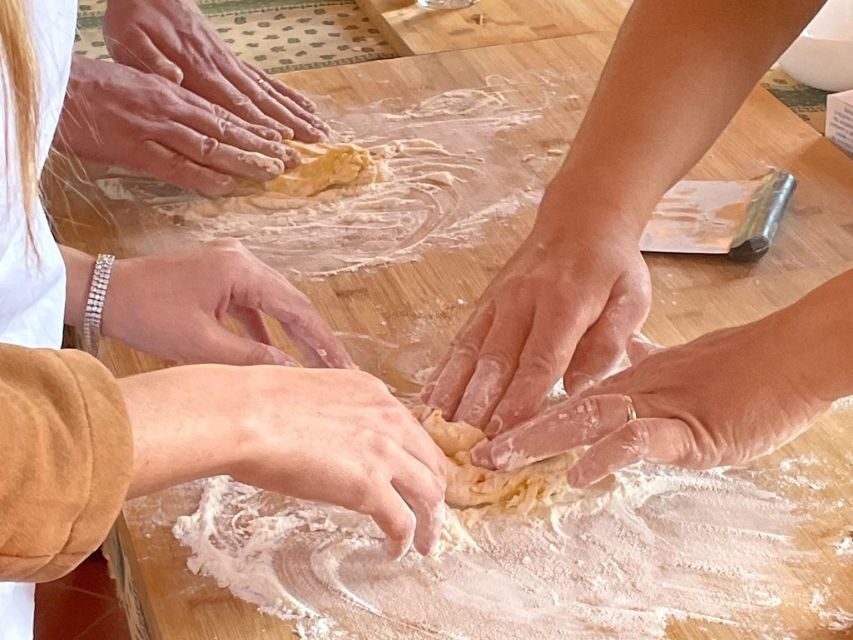
This works best if you want a hands-on Naples cooking experience with real food at the end. It’s a good match for couples, small friend groups, and anyone who enjoys practical cooking tasks rather than passive sightseeing.
It’s also a nice option for group celebrations. One class description you might relate to is that it can be organized for an addio al nubilato, so the group energy can be fun and lively.
If you speak English, Italian, French, or Spanish, you’re covered. The instructor can teach in those languages, which keeps communication clear as you work with dough.
Wheelchair accessibility is noted, so you should be able to plan around that. Still, as with any kitchen, it’s worth keeping in mind the space needed to move comfortably around workstations.
The main reason to skip: gluten intolerance. Since the dough is egg pasta made from wheat-based ingredients, it’s explicitly not suitable.
Should You Book It?
If you want more than a meal and more than a photo stop, I’d book this. You’ll learn to make ravioli and fettuccine by hand, taste key local ingredients like Vesuvio tomato, and sit down to eat tagliatelle with Neapolitan sauce plus ravioli al ragu.
Choose it if you love the idea of traditional technique: rolling pin, shaping by feel, and sauces that match the dough you just made. Choose another option only if gluten-free needs are involved, or if you strongly prefer watching over cooking.
If your schedule fits a 2-hour block in Naples’ historic center, this is a high-value way to spend time in Campania with food that tastes like Naples, not like a generic tourist version.
FAQ
How long is the Neapolitan pasta cooking lesson in Naples?
It lasts 2 hours.
Where does the class meet?
You meet at the Naples Cooking Lab on Spaccanapoli in the historic center. Sometimes it’s held at Pizzeria Mammì in Galleria Umberto I, and you’ll be informed in advance if that changes.
What pasta will I make?
You’ll learn to make homemade ravioli and fettuccine. The chef also shows how to prepare tagliolini and pappardelle.
Do they use a pasta machine?
No. The class uses traditional methods with a rolling pin, not a pasta machine.
What languages does the instructor speak?
The instructor can teach in English, Italian, French, and Spanish.
Is this class suitable for gluten intolerance?
No, it’s not suitable for people with gluten intolerance.