REVIEW · COOKING CLASSES
Cooking Class with Lidia YoungGrandma in Jewish area
Book on Viator →Bookable on Viator
Rome tastes different with six people.
That’s the core appeal here: a hands-on cooking class taught by Lydia, a real Roman young grandmother, in the Jewish area of Rome. The group is kept to just 6 people, so you’re not watching from the sidelines, and the English/French/Spanish/German setup makes it easy to follow along.
What I like most is the step-by-step coaching as you work dough and shape pasta. You start with a classic Roman aperitivo (tomato bruschetta, olives, cheese) and wine, then move into two Roman staples: fettuccine carbonara and tagliolini with cacio and pepper. A small caveat: this is primarily a cooking lesson, so if you want lots of wandering and big sightseeing moments, you may find it more kitchen-focused than city-focused.
In This Review
- Key Highlights You’ll Care About
- A Small, Private Class in Rome’s Jewish Area With Lydia
- Finding Torre Soricara: Meeting Point and Timing That Works
- Aperitivo First: Bruschetta, Olives, Cheese, and Italian Wine
- Cooking Fresh Pasta Dough the Roman Way
- Two Pastas, Two Roman Styles: Carbonara and Cacio e Pepper
- Fettucine Carbonara
- Tagliolini With Cacio e Pepper
- Tiramisù Finish: The Creamy Dessert You’ll Want to Recreate
- What Makes This Experience Feel Like Real Rome
- Price and Value: What $118 Buys in a 6-Person Kitchen
- Who Should Book This Cooking Class (and Who Might Skip It)
- Should You Book Cooking With Lydia?
- FAQ
- Where is the meeting point?
- How long is the cooking class?
- What’s included in the menu?
- Is it a small group or a public tour?
- What languages are supported?
- Is mobile ticketing used, and are service animals allowed?
Key Highlights You’ll Care About
- Six people, private-home feel: personal attention and a warm, family-style atmosphere.
- Aperitivo before the cooking: bruschetta, olives, cheese, plus Italian wine to get you in the mood.
- Real Roman dishes, not tourist versions: carbonara with pecorino romano and black pepper, plus cacio e pepe-style tagliolini.
- Hands-on pasta work: you’ll make fresh pasta dough and learn by doing.
- Tiramisù to finish: the creamy Roman dessert anchors the whole meal.
A Small, Private Class in Rome’s Jewish Area With Lydia
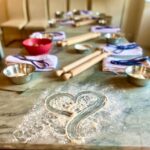
This class is built for people who learn best by doing. You’ll spend about 3 hours in a home-style setting, where the focus is on pasta technique and simple Roman flavor logic, not performance.
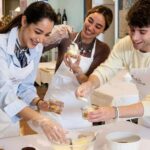
Lydia’s role matters. She’s presented as a young grandmother from Rome, and that shows in the tone of the experience: welcoming, patient, and very much like you’ve been invited into someone’s kitchen routine rather than sent through a factory-style program. The small group size is what makes that work. With only 6 people, questions don’t get lost, and you actually get time with the food instead of hovering over it.
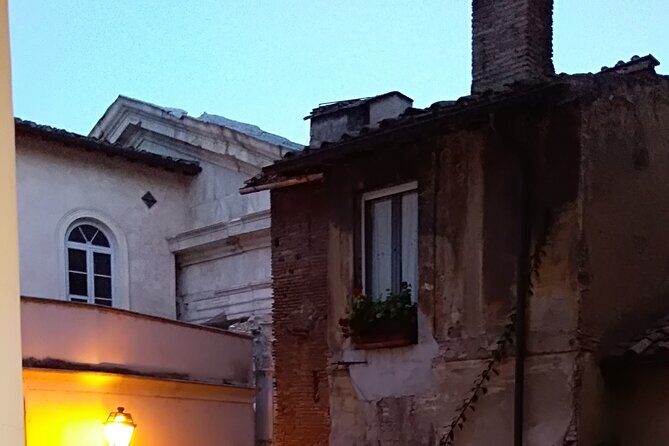
The location choice also helps. Being in Rome’s Jewish area gives you a different sense of the city than the postcard routes. Even if you don’t study the neighborhood deeply, you’re in a part of town that still feels local, not engineered for crowds.
One practical note: you’ll need to be comfortable with a hands-on pace. This isn’t a quick tasting with a few stories. Plan to stay engaged, roll up your sleeves, and accept that flour and sauce can happen in any pasta class.
You can also read our reviews of more cooking classes in Rome
Finding Torre Soricara: Meeting Point and Timing That Works
You start at Torre Soricara, Via del Portico d’Ottavia, 25, 00186 Roma RM. From there, the experience includes a stop at Piazza Venezia / Ancient City before your cooking time. Then it ends back at the same meeting point, which is convenient if you plan to return to your hotel or keep exploring afterward.
Why I like this setup: you get at least a quick sense of Rome’s scale and setting before you go into food mode. Piazza Venezia is one of those anchor points where you can orient yourself fast, especially if it’s your first day in the city. It also gives the lesson more meaning. Roman cooking isn’t floating in a vacuum; it’s tied to real places, older streets, and the way Romans live.
The duration is about 3 hours. That’s a good length for travelers who want something memorable without sacrificing an entire day. It’s long enough to learn, taste, and eat, but short enough that you can still do dinner plans the same evening.
For getting there, it’s listed as near public transportation. You won’t be forced into a complicated logistics puzzle, which matters in Rome where a short walk can turn into a long one if you’re negotiating cobblestones and crowds.
Aperitivo First: Bruschetta, Olives, Cheese, and Italian Wine
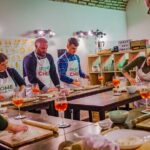
Before you touch dough, you start with a classic Roman aperitivo. Your starter includes tomato bruschetta, plus olives and cheese. Wine is included, and the point is to get you ready for what comes next: salty, bright, and a little bit indulgent.
This order is smart. Many cooking classes skip the social part and jump straight to work. Here, you settle in first, you eat something familiar, and you start picking up flavor cues. That helps when you later taste what you made, because you already understand the baseline of Roman eating: simple ingredients, strong seasoning, and no wasted steps.
Bruschetta is also a good training food in its own way. Tomatoes, bread, and good cheese teach texture and balance quickly. Olives and cheese add salt and fat, which you’ll notice again later in the pastas.
If you’re the type who learns by tasting, this portion will feel like warm-up training. You’ll see how the class thinks about flavor, then you’ll recreate those instincts in your own cooking.
Cooking Fresh Pasta Dough the Roman Way
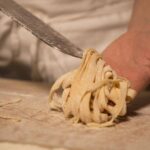
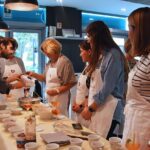
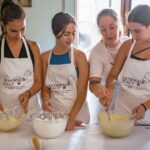
Now comes the part most people are really paying for: learning how to make fresh pasta dough with Lydia. The class is hands-on and limited to 6 people, so you’re not just watching someone else do the hard work.
The lesson is framed as making pasta like a true chef. That doesn’t mean complicated theory. It means you’ll work the dough, learn what it should feel like, and follow along as Lydia guides you step-by-step. One of the strongest themes in the feedback is this teaching style: people described feeling guided carefully through each part of the process.
For practical value, that kind of pacing matters. Pasta dough is forgiving, but it also has signals. Too dry, too wet, too elastic, not elastic enough. When someone can correct your technique early, it saves you from turning the rest of the session into guesswork.
Also, the experience is described as set in a peaceful home setting, and that helps. You’re not cooking in a noisy commercial studio. Instead, you get a calm, family-like rhythm, which makes it easier to stay focused on technique.
If you’re worried you’re not a confident cook, don’t overthink it. This is designed for beginners who want real guidance, not for experts hoping for a challenge.
Two Pastas, Two Roman Styles: Carbonara and Cacio e Pepper
You’ll make and serve two homemade pastas, and they’re both Roman classics with clear differences.
You can also read our reviews of more tours and experiences in Rome

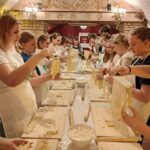
Fettucine Carbonara
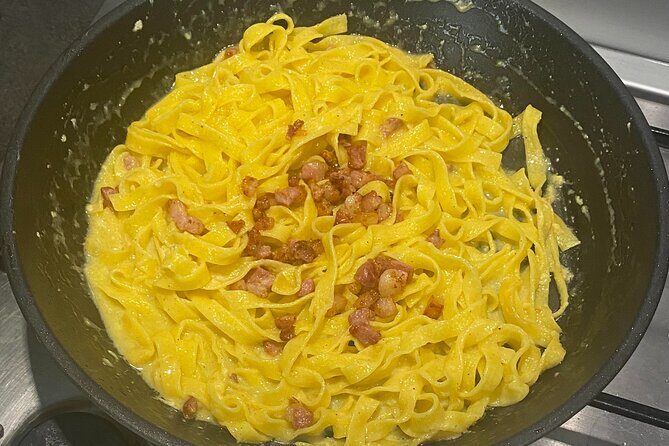
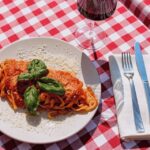
First up is fettuccine carbonara, made with pork cheek, eggs, pecorino romano, and black pepper. The ingredient list tells you a lot about what to expect. Carbonara is all about the balance between creamy egg texture and salty cheese, with black pepper giving the bite. Pork cheek adds depth and richness without turning the dish heavy.
In a class like this, the important part isn’t memorizing a recipe. It’s learning how to treat the sauce so it clings properly and tastes like Rome. Egg-based sauces have a reputation for being tricky in restaurants, so getting step-by-step help here is a big value.
Tagliolini With Cacio e Pepper
Next is tagliolini seasoned with black pepper and cheese—often described as cacio e pepe-style. Compared to carbonara, it’s simpler on paper, but it can be just as exacting in practice. The key is how the cheese and pepper come together to create a sauce that feels silky rather than grainy.
What I appreciate as a diner and as someone who likes cooking lessons: the class gives you contrast. You learn how two Roman dishes can both be comforting and classic, yet built on different approaches. That means when you taste the food later, you can actually understand why it works.
And because this class is limited to 6 people, you get more chances to adjust your technique in real time. That’s the difference between a memorable meal and a “we all made dough once” experience.
Tiramisù Finish: The Creamy Dessert You’ll Want to Recreate
After pasta comes tiramisù, the dessert everyone recognizes and yet most people have only eaten, not made carefully. The class positions tiramisù as the king of Italian desserts, and the goal is that final finish: creamy, sweet, and satisfying.
Why this ending works in a pasta class: it gives you a reward that matches the effort. When you spend time learning dough and sauces, you want something that feels like a full-circle meal, not an afterthought. Tiramisù checks that box.
Also, dessert is a great place to practice confidence. If pasta was the technique-heavy part, tiramisù is where you can focus on assembly and texture. If you’ve ever had tiramisù that was too wet or too dry, you know how much difference small choices can make. A guided class helps you aim for the right consistency.
You’ll be eating what you made, not just taking home a vague lesson. That’s how cooking classes become truly memorable.
What Makes This Experience Feel Like Real Rome
A lot of food tours claim authenticity. This one earns it through the structure. It’s not a big group passing through a set of staged rooms. It’s a small group in a home setting with instruction built around learning.
One of the most praised elements is the way Lydia and her husband welcome people. The overall tone is described as warm and family-like, with step-by-step help that makes you feel at ease. That’s not just nice branding. In practice, it means you’re less intimidated and more willing to ask questions when something doesn’t go right.
Another standout theme is the cooking space itself. Feedback mentions a peaceful location and an authentic cooking yard vibe, with the kitchen described as being at the top. Even without over-explaining it, that matters: the setting is part of why the class feels calm instead of rushed.
Finally, the language support is a practical win. The class says it speaks English, French, Spanish, and German. That tells me instruction won’t be awkward for you if your Italian is basic. You can focus on technique instead of translating everything in your head.
Price and Value: What $118 Buys in a 6-Person Kitchen
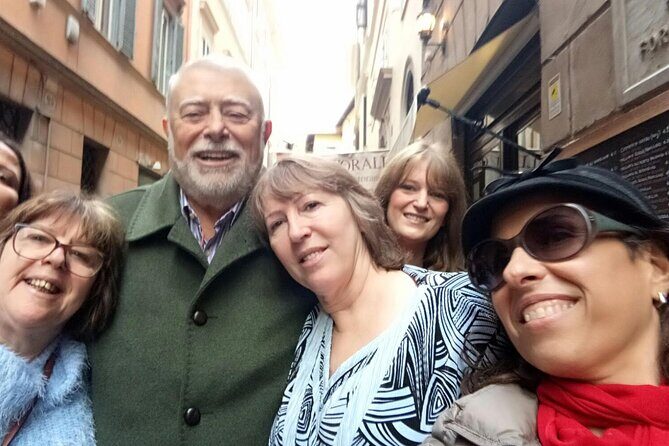
At $118 per person for about 3 hours, you’re paying for more than ingredients. You’re buying time with Lydia, a small-group format, and a meal built around multiple courses.
Consider what’s included based on the menu: bruschetta, olives, cheese, Italian wine, two homemade pastas (carbonara and cacio/pepper tagliolini), and tiramisù. That’s a full eating experience, not a snack session.
The small size is what pushes the value higher. With only 6 people, you get more coaching and less standing around. In Rome, where many cooking experiences can feel like a production line, the personal attention is a real differentiator.
Also, it’s listed as private for your group. So you won’t be shoved into someone else’s party or forced to share attention with strangers beyond your own group. That’s worth something when you’re trying to learn.
One thing to keep your expectations realistic: you’re not paying for a museum guide. You’re paying for a kitchen lesson and a meal. If that’s your priority, this price starts to look fair.
Who Should Book This Cooking Class (and Who Might Skip It)
This class is a great fit if you want hands-on Roman cooking with guidance. You like learning by working with your hands, and you care about eating what you cook.
It’s especially well-suited for:
- Couples or small groups who want a quieter, personal experience
- Food lovers who want carbonara and cacio e pepe-style pasta done properly
- Travelers who prefer practical instruction over scripted food history
It might be less ideal if you’re primarily chasing major landmarks. The only explicitly mentioned city stop is Piazza Venezia / Ancient City, and after that, the time is in the kitchen. You’ll leave fed and skilled, not sightseeing-saturated.
If you’re traveling with kids, the data you have doesn’t specify family-friendliness. In that case, you might want to check whether the pace and hands-on work will work for your child’s attention span.
If you want a smooth social night with zero cooking mess, this class won’t match that mood. It’s hands-on by design.
Should You Book Cooking With Lydia?
If you care about real technique and a small-group feel, I’d book it. The repeated theme is the warm welcome, the careful step-by-step guidance, and the fact that people end up feeling like they were treated as part of a home routine, not just customers.
What seals the deal for me is the full meal package. Aperitivo with wine, then two Roman pastas with very specific ingredient identities (pork cheek, pecorino romano, black pepper), then tiramisù. That’s not a random selection of dishes. It’s a coherent Roman menu.
If you’re choosing between several cooking experiences in Rome, pick this one if you want fewer people, more instruction, and a homey atmosphere. Pick something else if you want a big-group show, heavy sightseeing, or a lesson that doesn’t involve actual pasta work.
FAQ
Where is the meeting point?
You meet at Torre Soricara, Via del Portico d’Ottavia, 25, 00186 Roma RM, Italy.
How long is the cooking class?
The experience lasts about 3 hours.
What’s included in the menu?
You’ll have tomato bruschetta with olives and cheese, Italian wine, two homemade pastas (fettuccine carbonara and tagliolini with cacio and pepper), and tiramisù.
Is it a small group or a public tour?
It’s a private tour/activity, and it’s limited to just 6 people.
What languages are supported?
The class is offered in English, French, Spanish, and German.
Is mobile ticketing used, and are service animals allowed?
It uses a mobile ticket, and service animals are allowed.