REVIEW · COOKING CLASSES
Cooking Class in the Heart of Rome: Pizza and Tiramisu Making
Book on Viator →Operated by Eat and Walk Italy · Bookable on Viator
A cooking class can be the best way to see Rome. In this hands-on lesson, you make pizza and tiramisù with a chef in central Rome, then eat what you bake and walk it off with a relaxed stroll. It’s the kind of activity that feels personal fast, especially when instructors like Chef Leo or Matia keep things clear and fun.
I love that you choose your pizza style in advance, so the meal feels like your Roman dinner, not a one-size-fits-all production. I also like the built-in payoff: you learn, you bake, then you sit down with included wine and a limoncello or coffee finish.
One thing to consider: you’re cooking indoors for much of the lesson, so if you’re hoping for lots of outdoor sightseeing time, this is more about food than photo stops.
In This Review
- Key Things to Know Before You Cook
- Pizza and Tiramisu in Rome: What You Really Get for $56.53
- Meeting at Via Giuseppe Zanardelli and Getting Into the Flow
- Choosing Your Pizza Style: Margherita, Marinara, Diavola, or Neapolitan
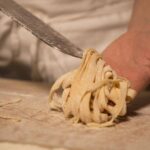
- The Pizza-Making Lesson: Dough Skills You Can Use Back Home
- Baking, Then Sitting Down: Wine, Limoncello, and What Comes With It
- Making Tiramisu: A Classic Dessert You Learn and Actually Eat
- The Small-Group Advantage: Why Max 15 Feels Like the Sweet Spot
- Timing on the Day: When to Book It for Maximum ROI
- Tips to Make the Most of the Class (and Not Feel Rushed)
- Who This Class Is Best For
- Should You Book This Pizza and Tiramisu Class in Rome?
- FAQ
- How long is the cooking class?
- How many people are in the group?
- Is the lesson taught in English?
- What food and drinks are included?
- Can I choose what type of pizza I make?
- Can I cancel for a full refund?
Key Things to Know Before You Cook
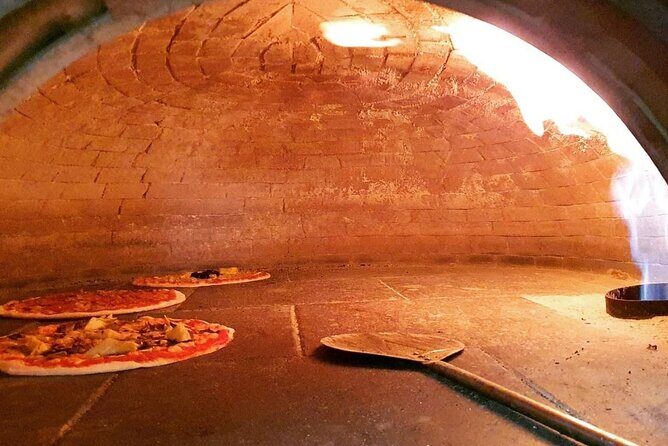
- Small group (max 15) keeps the pace human and lets the chef actually help.
- Two full recipes: pizza from fresh ingredients plus traditional tiramisù.
- You pick your pizza style, including options like anchovies or pepperoni.
- Included drinks make dinner feel like a night out, not just an activity.
- Hands-on pacing is designed so you can bake during the class (not weeks later).
- Central Rome location makes it easy to plug into your sightseeing day.
Pizza and Tiramisu in Rome: What You Really Get for $56.53
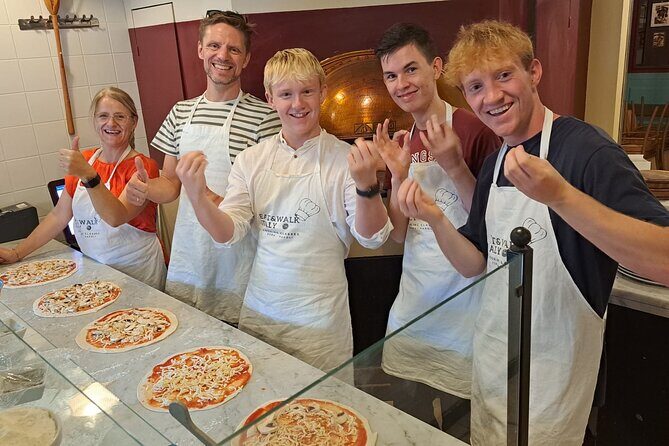
At $56.53 per person, this class bundles three things that cost money on their own in Rome: instruction, ingredients, and a meal with drinks. You’re not just watching—you’re shaping dough, building a pizza, and making your own tiramisù.
The value isn’t only the final food. It’s the practical skills you leave with: how to handle pizza dough, how to put toppings on your style, and how to build a tiramisù the traditional way, then enjoy it while it’s still part of the experience.
This is also an easy break from the usual Rome rhythm. After hours walking landmarks, it’s refreshing to stop, concentrate, and then eat something that tastes like you earned it.
You can also read our reviews of more cooking classes in Rome
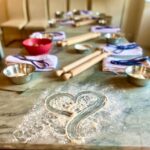
Meeting at Via Giuseppe Zanardelli and Getting Into the Flow
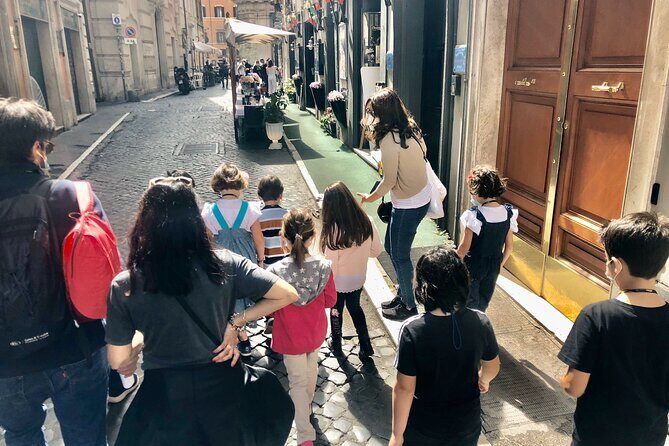
You meet at Via Giuseppe Zanardelli, 14, 00186 Roma RM. The meeting point is in central Rome and near public transportation, which matters because Rome days tend to get chaotic if your plan depends on a long taxi ride.
The activity ends back at the meeting point, which makes it simple to continue your day. Plan for about 2 hours 30 minutes of total time, then you can head back out for a normal stroll or dinner nearby.
Once you arrive, you’ll meet your small group and chef. From there, the lesson moves in a logical order: pizza first (learn and bake), then tiramisù (learn and enjoy). That keeps it from dragging and helps everyone actually finish.
Choosing Your Pizza Style: Margherita, Marinara, Diavola, or Neapolitan
This class lets you choose which style of pizza you want to learn. The menu options are:
- Neapolitan with anchovies
- Diavola with pepperoni (spicy)
- Margherita
- Marinara
That’s a bigger deal than it sounds. If you’re picky, this lets you steer the class toward something you’ll genuinely want to eat. If you’re adventurous, it gives you a reason to try flavors you might not order casually.
During the pizza portion, you’re working with fresh ingredients under the chef’s guidance. The vibe is very hands-on. And because pizza dough has timing rules, the class setup is designed so you don’t end up waiting around for dough to do something it needs hours or days to do.
In other words: you get the experience of making pizza, without the lesson turning into a “come back tomorrow” project.
The Pizza-Making Lesson: Dough Skills You Can Use Back Home
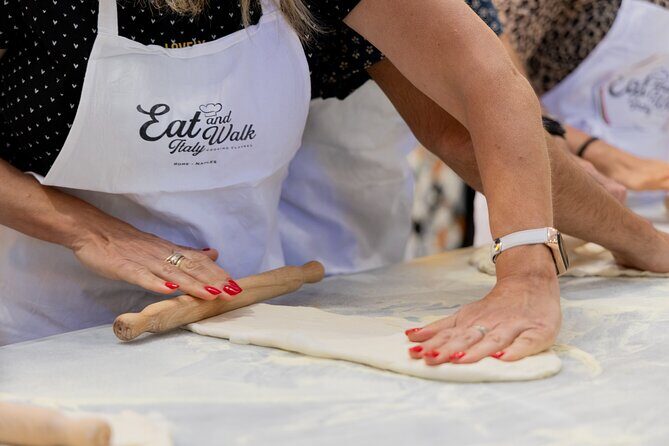
Pizza dough is one of those things that makes people feel intimidated. The good news here is that the chef teaches it in a way that works for different skill levels, including people who have never cooked much at home.
A detail that helps the class run smoothly: since dough normally needs time to rise, chefs may have dough ready to go so everyone can make and bake pizzas during the lesson. That means you still touch the process, but the schedule stays realistic for a 2.5-hour experience.
You’ll also learn how to handle the dough and build your pizza while the chef keeps everything moving. This is where you start picking up the small techniques that separate a decent homemade pizza from one that tastes like you actually learned something.
Baking, Then Sitting Down: Wine, Limoncello, and What Comes With It
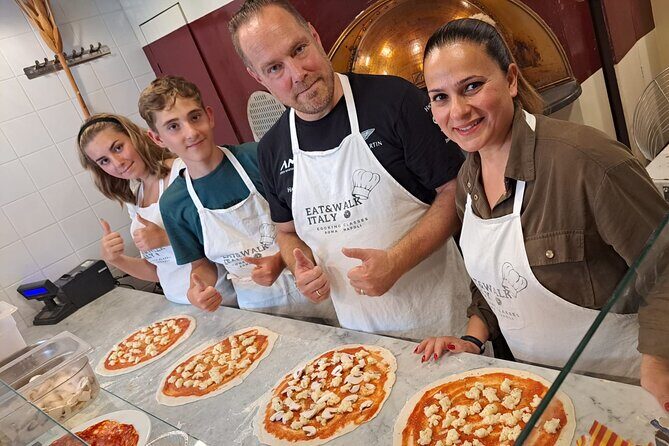
After your pizzas are baked, it’s time to eat—no waiting for someone else’s food. You sit down as a group and enjoy what you made.
Your meal includes:
- A glass of wine or a non-alcoholic beverage
- Option of coffee or limoncello
- Water
The included drink choices matter because they turn the class into a real Rome dinner. It’s not just “here’s your food”; it’s a proper tasting with the classic Italian vibe of wine with dinner.
If you’re choosing between limoncello and coffee, go with what matches your day. Coffee can feel perfect if you’re still on sightseeing mode later. If you’re ready to slow down, limoncello fits the mood of finishing something sweet.
You can also read our reviews of more tours and experiences in Rome

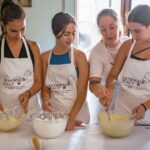
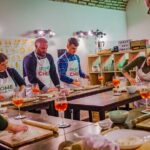
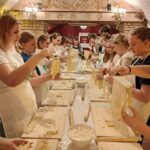
Making Tiramisu: A Classic Dessert You Learn and Actually Eat
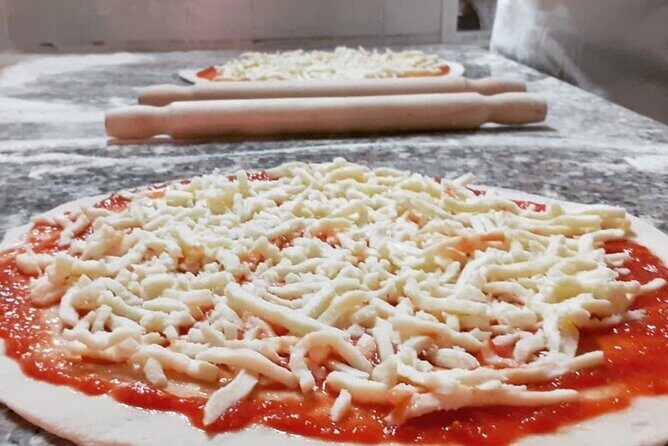
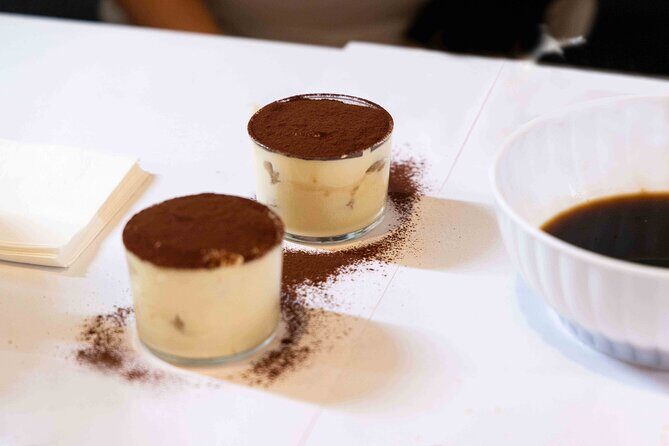
Then comes the dessert: traditional tiramisù, made just like nonna would make, so you can enjoy it as part of your meal. You’ll learn how it’s put together, and the goal is simple—you leave with a method you can repeat.
This is the portion where the class becomes extra satisfying. Pizza is instant. Tiramisu has a built-in “patience” element, so the way the class handles timing is part of the success.
Some groups describe assembling tiramisù and then having it set up in individual portions to chill properly, so the dessert you eat still feels fresh and ready at the end. You don’t have to worry about bringing timing tools or knowing kitchen tricks—your chef guides the process.
And yes, you get to taste it. That’s a key difference from classes where you make something you barely get to try.
The Small-Group Advantage: Why Max 15 Feels Like the Sweet Spot
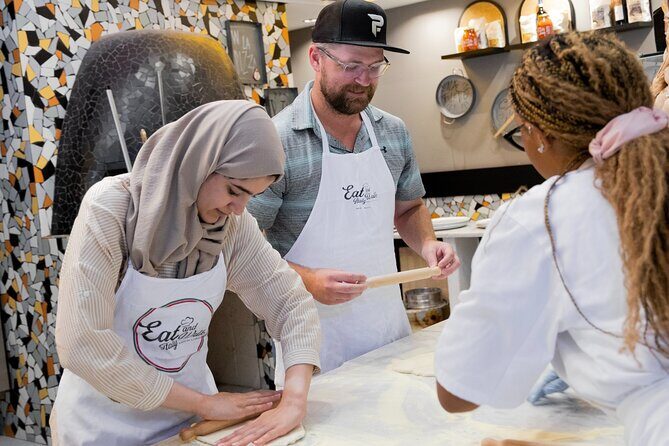
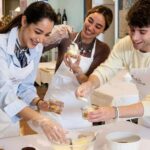
With a maximum of 15 travelers, this doesn’t feel like a cattle-car tour. You get enough space to work, and the chef can actually see what you’re doing.
This format also makes the social side easy. Many people show up with friends, couples, or family, but the class structure naturally creates conversation at the table. It’s not forced. Food just does that.
If you’re traveling solo, this is a friendly way to meet people without the pressure of an organized group outing. And if you’re with kids, it’s one of the more structured activities that keeps younger diners occupied without feeling like a school assignment.
Timing on the Day: When to Book It for Maximum ROI
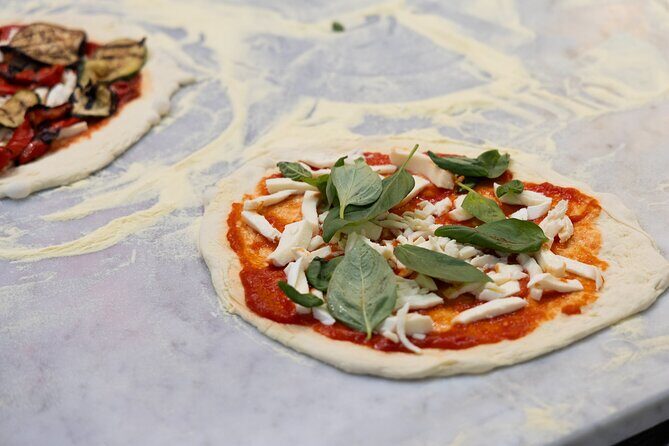
Because the lesson includes both cooking and eating, I’d treat it like a scheduled dinner plan with added skills. A great use is after a heavy sightseeing block when you’re ready to sit down and reset.
If you book it too early, you may still be in full-pace tourist mode and feel impatient. Too late, and you may be tired before the lesson ends. The sweet spot is usually mid-to-late afternoon, when you’ve walked enough to work up an appetite but you still have energy to enjoy dessert.
Since it ends back at the meeting point, you can also plan a simple next step nearby: gelato, a short walk, or a casual dinner.
Tips to Make the Most of the Class (and Not Feel Rushed)
Keep these in mind so you get the most out of your money:
- Arrive a few minutes early. Cooking starts fast once everyone is in place.
- Pick your pizza style confidently. Even if you’re unsure, the chef can help you commit to a choice you’ll enjoy.
- Ask questions about dough. The dough techniques are what you’ll use again when you cook at home.
- Plan for wine or limoncello, or pick the non-alcoholic option. The drinks are part of the meal.
- Bring a mindset of learning, not perfection. Your first pizza won’t look like a restaurant, and that’s fine. The point is the method.
Also, if you’re the kind of person who loves bringing home practical souvenirs, look for the recipe guidance provided after the class. At least one group highlighted a recipe book as especially useful.
Who This Class Is Best For
This is a strong match if you want:
- A hands-on Rome experience that breaks up sightseeing
- A small-group setting with personal teaching
- A meal that’s included, so you don’t have to hunt dinner afterward
It’s also a good fit for families. Several class accounts mention kids enjoying the experience, including ages around elementary school. And it works for beginners. You don’t need a culinary background to join in.
If you’re the type who hates kitchens, strong smells, or busy instructions, you might find the cooking portion less relaxing. But if you like doing, tasting, and learning one or two core techniques, you’ll probably enjoy it.
Should You Book This Pizza and Tiramisu Class in Rome?
Book it if you want a fun, structured way to experience Rome through food—without losing half your day to logistics. The mix of pizza + tiramisù, the included drinks, and the small group format makes it feel like a real evening plan, not just a ticketed activity.
Skip it if you’re only interested in outdoor sightseeing or you’d rather spend your time sampling Rome from a restaurant menu than making it yourself.
If you’re deciding between “another tour” and “a memory with skills,” this one leans strongly toward the second option.
FAQ
How long is the cooking class?
The class runs about 2 hours 30 minutes.
How many people are in the group?
It’s a small group with a maximum of 15 travelers.
Is the lesson taught in English?
Yes. The class is offered in English.
What food and drinks are included?
You get your pizza with toppings of your choice, your tiramisu, and beverages including a glass of wine or soft drink plus a choice of limoncello or hot coffee, with water available. Extra drinks or food are not included.
Can I choose what type of pizza I make?
Yes. You can choose a style such as Neapolitan with anchovies, Diavola with pepperoni, Margherita, or Marinara.
Can I cancel for a full refund?
Yes. You can cancel up to 24 hours in advance for a full refund. If you cancel later than that, the amount paid won’t be refunded.