REVIEW · NAPLES
Cesarine: Small Group Market Tour & Cooking Class in Naples
Book on Viator →Operated by Cesarine: Cooking Class · Bookable on Viator
Naples smells like food for a reason. This small-group market-to-home experience turns local ingredients into an actual meal you can cook again. You get a market visit with a host, then a hands-on pasta class that ends with you sitting down to what you made.
I especially like two things about this format: the local home cooking setting (not a studio kitchen) and the chance to learn a complete pasta-and-dessert flow, including tiramisu. It’s designed so you’re not just watching—you’re doing the work, with wine and an aperitif as the warm-up.
One thing to consider is that the experience depends on your home-host team. Since it’s run in a private setting, it’s smart to be flexible in case of last-minute changes, and to confirm what the day will look like if anything shifts.
In This Review
- Key things to know before you go
- Market-to-home flow: the 5-hour Naples rhythm
- Where the market visit fits (and what you should watch for)
- Cooking pasta in a home kitchen: the skills you’re really buying
- Tiramisu and the aperitivo table: turning work into a meal
- Lunch or dinner option: pick the meal timing that fits you
- Price and value: what you’re paying for (and what to check)
- Who this suits best in Naples
- Practical tips for a smooth Naples day
- Should you book this Cesarine Naples market and cooking class?
- FAQ
- Is this tour offered in English?
- How long is the Naples market tour and cooking class?
- What do you cook during the class?
- Is lunch or dinner included?
- How big is the group?
- Where does the tour start and end?
- What is the cancellation policy?
Key things to know before you go
- Small group size (up to 12) keeps the vibe more personal and easier for Q&A.
- Market visit + cooking in a local home means you connect ingredients to technique, fast.
- You cook pasta and make tiramisu, not just one recipe demo.
- Wine and an aperitif are part of the meal, so the class feels like a real evening out.
- English is offered, which matters for timing, technique tips, and what you’re actually paying for.
Market-to-home flow: the 5-hour Naples rhythm
This is built as a single smooth arc: you start in Naples, spend time at a local market to choose ingredients, then head to a home kitchen for cooking and eating. With an around-5-hour duration, it’s long enough to feel like a full experience, but not so long that it crushes your whole day.
The small-group size (max 12) is a big deal in practice. In a group that size, your host can correct your technique without everyone falling behind. It also helps if you’re nervous with pasta—hands-on cooking goes better when the pace stays human.
You’ll also get a mobile ticket, which is a small comfort in a city where paper tickets get lost. And since the activity is near public transportation, you’re not forced into long taxi hops just to start.
You can also read our reviews of more shopping tours in Naples


Where the market visit fits (and what you should watch for)
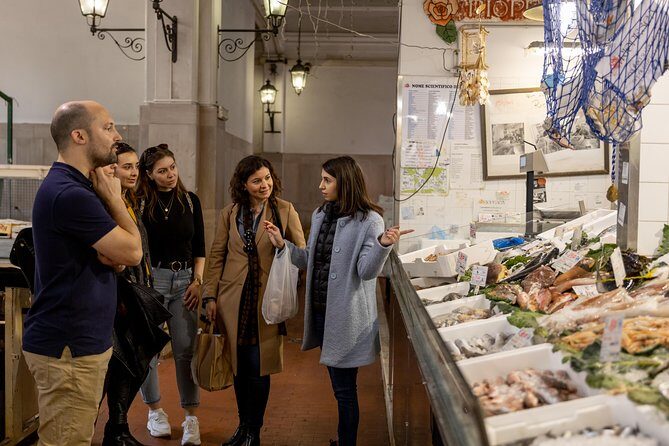
The market stop is the ingredient engine of the day. You’re not browsing for fun; you’re gathering what you’ll actually cook. That’s how the class sticks in your head: you learn why an ingredient matters before you touch it.
In Naples, markets can be a sensory workout—noise, smells, quick questions, and people moving fast. The good news is that your host steers you. In one set of experiences, Ana was described as making the market visit feel clear and useful, with teaching tips that went beyond the shopping list.
If you want to get the most from the market portion, keep an eye on three things:
- Ingredient quality cues: how produce looks and feels when it’s worth using the same day.
- Local flavors: you might see seasonal choices that show up again in your lesson (for example, fennel came up as an ingredient that can work in a salad).
- How cooking choices start at the stall: the way ingredients are chosen affects texture and flavor later.
One practical note from real-world experience: getting there can involve a metro ride plus a walk. One person noted Metro got them close quickly, then a short, straight walk to the home. That’s the kind of plan that keeps the day easy—just give yourself a little buffer so you arrive calm, not rushed.
Cooking pasta in a home kitchen: the skills you’re really buying
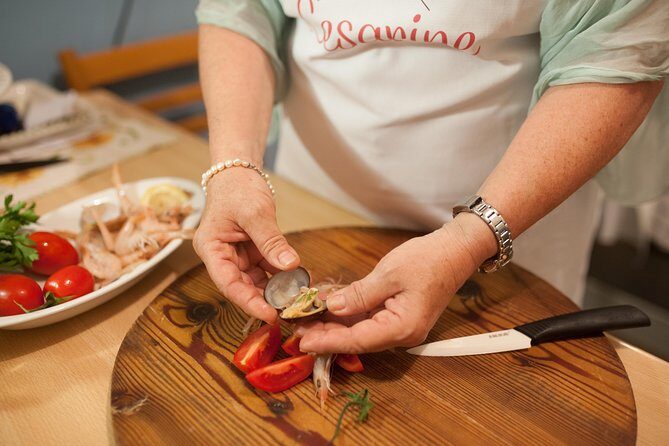
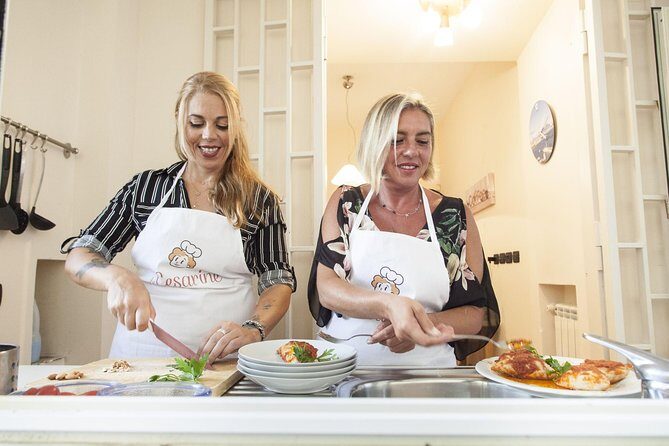
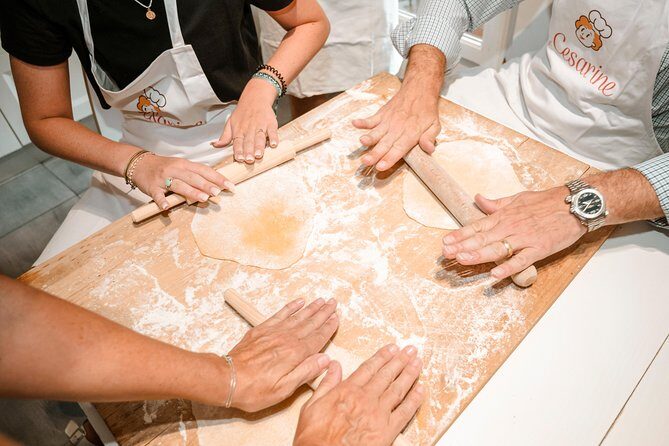
This is the heart of the tour: you learn how to make a pasta dish in the home of a local host. That home setting matters because it changes the whole feel of the class. You’re not fighting with a big classroom setup. You’re more likely to get direct coaching, including small technique fixes you wouldn’t catch from watching.
The most praised part in the experiences tied to this format is simple and repeatable: your host keeps instructions practical and focused on great ingredients. Ana, for instance, was described as an excellent teacher who kept things simple while still sharing helpful tips—exactly what you want if your goal is to cook well again at home.
When it comes to pasta technique, listen for details like dough handling and kneading. In one example, Rafaella and Enzo walked guests through kneading tricks, plus advice that made the dough feel manageable instead of mysterious. If you’re the kind of cook who hates vague instructions, a class like this is a good match.
What you’re likely to do during the cooking segment:
- Prepare and shape your pasta dish
- Get help with dough or assembly steps
- Learn how the dish comes together so you can follow the rhythm when you cook later
And remember: cooking in a home kitchen can be more interactive than a commercial setup. That’s a benefit. You get quicker feedback, and you’ll probably ask a few questions that lead to better results than sticking to a timer.
Tiramisu and the aperitivo table: turning work into a meal
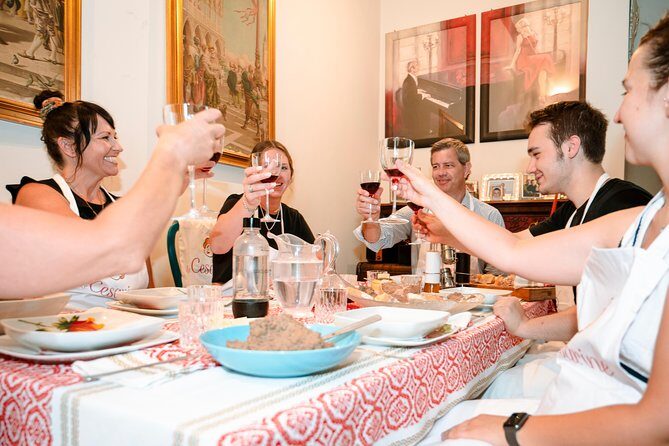
After you cook, you eat what you made. That might sound obvious, but the key detail is that the class includes the full sit-down experience with wine and an aperitif. It turns a lesson into an evening.
You’ll also make dessert—tiramisu—which gives you a satisfying finish. For many people, dessert is the part they skip learning. Here, it’s part of the same time block as pasta, so you leave with both a savory and sweet win.
One of the nicest descriptions from these experiences is how the table experience feels like shared hospitality, not just plating food. In a home setting, you’re more likely to get conversation and a laid-back meal pace, and that makes it easier to relax after working with dough.
A typical flow you can expect:
- Cook pasta
- Make tiramisu
- Enjoy the meal with wine and an aperitif
- Sit and eat together (not “grab and go”)
It’s also a nice moment to compare what you did with what your host did, or how other people handled a step. In a small group, that can turn into real learning without anyone making it awkward.
Lunch or dinner option: pick the meal timing that fits you
The experience lets you choose between a lunch or dinner option. That choice matters because it changes how the class fits into your Naples day.
Go for lunch if:
- You want an earlier anchor for the day
- You prefer to keep your evenings free
- You’d rather not schedule anything else late after eating and drinking
Go for dinner if:
- You want Naples to end with food
- You’d like the class to turn into your evening plan
- You’re okay with a later finish
Since the total time is about five hours, both choices can work. The bigger factor is how you want the day to feel. Lunch tends to read as lighter and more flexible. Dinner feels more like a full local evening.
You can also read our reviews of more tours and experiences in Naples

Price and value: what you’re paying for (and what to check)
At $142.97 per person, you’re paying for three things at once:
- Market time with a host who can guide ingredient decisions
- Hands-on cooking instruction inside a local home
- The meal experience: you eat what you make, plus wine and an aperitif
That’s different from cheap cooking demos where you watch and then leave. Here, you’re doing the work and sitting down to a complete meal. For many people, that alone is worth it, because the learning is tied to action, not just explanation.
The small group cap (up to 12) also supports the value. If you’ve ever been in a large class, you know how quickly attention disappears. In a smaller group, you stand a better chance of getting real coaching.
One thing to consider on the value side: the experience depends on your host team being available and well. In home-run formats, last-minute changes can happen. If you’re booking because you truly want the hands-on cooking portion, it’s smart to choose a time where you have flexibility, and to ask what happens if plans shift on the day.
Who this suits best in Naples
This tour is ideal if you want a Naples food experience that feels personal and practical. You’ll probably enjoy it most if you:
- Like learning by doing, especially with pasta
- Want to understand Italian cooking through ingredients you can name
- Prefer small groups where you can ask questions
- Enjoy meeting hosts who share simple, reliable methods
It may be less ideal if you’re looking for a purely sightseeing-focused day. Even though the day involves walking and exploring the market area, the core goal is cooking and eating in a home setting.
If you’re traveling solo, this can still work well. The class format naturally builds conversation. And because it’s described as offered in English, it’s a solid option if you don’t want to rely on guesswork while cooking.
Practical tips for a smooth Naples day
A few simple things can make or break your experience in a city like Naples, where schedules and walking routes matter.
Plan your arrival early. Even when public transport is close, you may still walk a bit to reach the home. One person mentioned a Metro ride under 30 minutes plus about a 15-minute walk. If your timing is tight, you’ll feel it.
Come hungry, but don’t overdo it right before. You’ll be shopping, cooking, and then eating with wine and an aperitif. If you show up starving, great. If you already had a big late meal, the energy for pasta and dessert can drop.
Bring a curious mindset. Ask about why certain ingredients are chosen. Market-to-home cooking works best when you treat the market as part of the lesson, not just a stop on the way.
Be ready for hands-on work. Even if you’ve never made pasta dough before, that’s the point. You’ll learn technique step by step. Hosts like Ana were praised for keeping instructions simple and helpful, which is what you want from a class.
Should you book this Cesarine Naples market and cooking class?
If you want a real Naples food day—market first, then hands-on pasta and tiramisu—this is a strong pick. The combination of a local host, a small group size, and a sit-down meal with wine is exactly the kind of value that usually beats generic food tours.
I’d book it if:
- You want pasta plus tiramisu in one day
- You like learning techniques you can repeat at home
- You prefer English instruction
- You’re comfortable doing a market visit and cooking session indoors at a home
I’d think twice if:
- You need a guaranteed plan with no possible last-minute changes (home-based formats can shift if illness or other issues come up)
- You’re only interested in sightseeing and have zero interest in cooking
Overall, if your main goal is to learn Naples cooking in a way that sticks, this format makes a lot of sense.
FAQ
Is this tour offered in English?
Yes. The experience is offered in English.
How long is the Naples market tour and cooking class?
It runs for about 5 hours.
What do you cook during the class?
You make a pasta dish and a tiramisu dessert.
Is lunch or dinner included?
You can choose between lunch or dinner options.
How big is the group?
The group size has a maximum of 12 travelers.
Where does the tour start and end?
It starts in Naples, Metropolitan City of Naples, Italy and ends back at the meeting point.
What is the cancellation policy?
You can cancel for a full refund if you cancel up to 24 hours in advance of the start time. If you cancel less than 24 hours before the start time, the amount paid is not refunded.