REVIEW · ROME
The secret lives of artists
Book on Viator →Operated by Luisa Belviso · Bookable on Viator
Rome’s Baroque secrets live on your feet. This 2 hours 45 minutes guided walk through Rome’s historic center connects the big names you already know to the less polite side of the city: rivalry, scandal, street-level drama, and the close-quarters world of artists working for patrons. I love how guide Luisa Belviso ties what you see to what people were actually doing back then, so each square feels like a chapter, not a postcard.
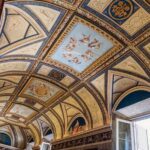
What I also like is the balance of famous landmarks and standout interiors that many people rush past. You get Andrea Pozzo’s mind-bending church ceiling at Sant’Ignazio di Loyola, plus Caravaggio paintings you can view in churches that still feel like active places of worship rather than museum stages. One drawback to keep in mind: this is a walking tour with multiple churches, so comfy shoes and a bit of standing time are part of the deal.
By the end, you’ll finish with a stronger sense of how Baroque art worked in Rome: big emotion, clever illusion, and real competition—right where you’re standing.
In This Review
- Key Highlights You’ll Actually Care About
- Why Rome’s Baroque Artists Feel Personal on This Walk
- Meet Luisa Belviso and Understand the Pace (Small Group, Lots of Looking)
- Fontana di Trevi: The Story Starts Where Everyone Already Photographs
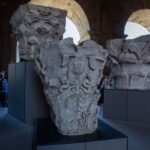
- From Hadrian’s Temple Ruins to Old Columns in Piazza di Pietra
- Sant’Ignazio di Loyola: Andrea Pozzo and the Art of Illusion
- The Pantheon’s Dome and Raphael’s Tomb: When Rome Goes Calm
- St. Louis of the French and Sant’Agostino: Caravaggio’s Dark Glow
- Piazza Navona: Bernini’s Fountains and Borromini’s Church in One Square
- Piazza di Pasquino and Casa di Fiammetta: Ending on Street-Smart Art
- Price and Value: Is $52.09 Worth It
- Who This Tour Suits Best (and Who Might Not)
- Should You Book This Secret Lives of Artists Tour?
- FAQ
- How long is the Secret Lives of Artists tour?
- How much does the tour cost?
- Where does the tour start and where does it end?
- Is this tour ticketed with a mobile ticket?
- What’s included in the price?
- Are admission tickets included for the sights?
- How large is the group?
- What’s the cancellation policy?
- Is the tour dependent on weather?
Key Highlights You’ll Actually Care About
- Luisa Belviso’s story-first guidance: art and life connect scene by scene.
- Caravaggio in two different churches: you see the painter’s work in separate settings, not just one highlight.
- Sant’Ignazio’s fake dome effect: a technical trick that changes how you look at the ceiling.
- Bernini and Borromini face off in public space: Piazza Navona becomes a “who’s winning” lesson in stone.
- Piazza di Pasquino’s street gossip legend: you end with a story you can walk off with.
Why Rome’s Baroque Artists Feel Personal on This Walk
If you think Baroque Rome is all showy ceilings and dramatic saints, this tour gives you the behind-the-scenes version. You’ll move through major squares, yes. But the point is the “secret life” angle—how artists like Bernini, Borromini, and Caravaggio lived and worked in Rome during the Baroque golden centuries, when success meant patrons, politics, and constant comparison.
I like that the tour doesn’t treat these artworks like distant masterpieces. Instead, it frames them with human motives: fights, passion, competition, and all the court-side intrigue that swirled around cultural life. That context matters. When you know an artwork was made for power, persuasion, or survival in a crowded scene, you start noticing details differently. A fountain stops being just a fountain. A fresco stops being just a ceiling. They become arguments.
And since this is a guided walk rather than a bus day of quick photo stops, you get a calmer pace for asking questions in real time. The stories are the glue; the architecture and paintings are the proof.
You can also read our reviews of more tours and experiences in Rome.
Meet Luisa Belviso and Understand the Pace (Small Group, Lots of Looking)
This experience is led by Luisa Belviso and capped at a maximum of 15 travelers. That size is important. Rome crowds can be chaotic, and a group this size is usually manageable in tight church spaces and busy squares. You’re not stuck behind a wall of shoulders.
The tour runs for about 2 hours 45 minutes, and you’ll spend that time on foot through the historic center. You should expect multiple short segments where you’ll pause, look closely, and listen—then move again. It’s not slow sightseeing. It’s active sightseeing.
Practical note: the tour includes a mobile ticket, and it’s set up as a walking experience near public transportation. Also, service animals are allowed, and most travelers can participate. The simplest advice I can give is: plan for steady movement, bring water if it’s warm, and wear shoes you trust on uneven Roman sidewalks.
Fontana di Trevi: The Story Starts Where Everyone Already Photographs
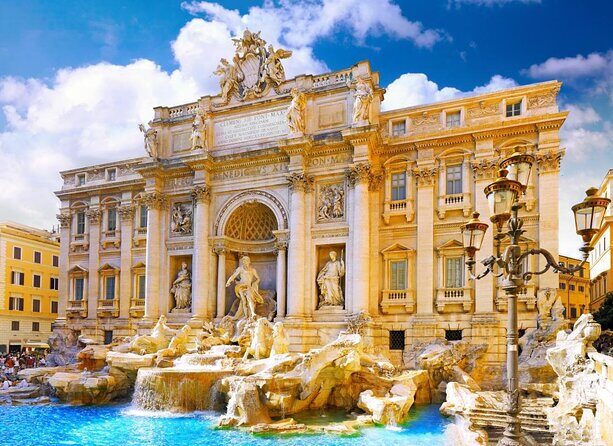
You begin at Via della Stamperia, 72 and immediately head toward Fontana di Trevi. Even if you’ve seen Trevi in pictures, seeing it as the first stop changes the mood. Instead of starting with “wow, that’s big,” you start with why it matters in the Baroque story you’re following.
Trevi is the kind of place where crowds can make your experience feel chaotic. The tour’s value here is that you’re not left to figure everything out alone. You’ll get a guided connection to the artists and ambition behind this era’s grand public work. There’s also an admission ticket included for this stop (listed as about 10 minutes), which is often what helps turn a standard photo moment into something with more structure.
If you’re the type who likes to understand the meaning of what you’re looking at, this opener is a strong start. If you just want a quick snapshot, you might find yourself wishing for more time there. But the tour’s format is designed to keep the narrative moving.
From Hadrian’s Temple Ruins to Old Columns in Piazza di Pietra
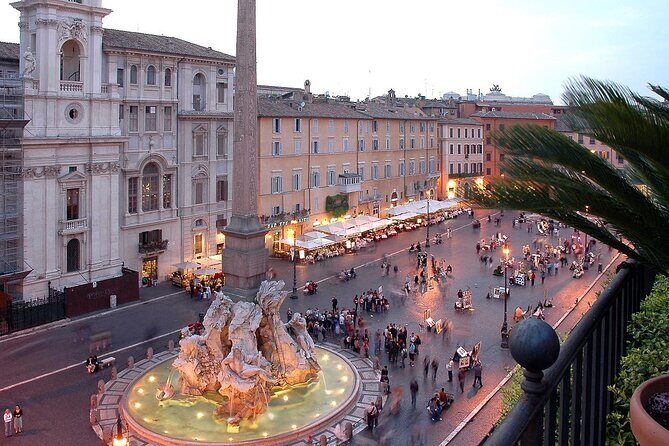
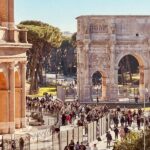
Next comes the Tempio di Adriano area, with ruins and the striking 11 columns in Piazza di Pietra. This stop is short (about 5 minutes), but it adds a useful layer: Baroque Rome didn’t appear out of thin air. It developed in a city packed with older authority—Roman engineering, Roman power, Roman monuments still shaping how people walked and built.
Why this matters on a “secret lives” tour: Baroque artists worked in a landscape where the past was everywhere and where “new” ideas still had to talk to the old world. Even a quick glance at ancient columns can help you understand why Baroque artists went for theatrical effects and persuasive visuals. The city itself was a stage.
So even though you’re not spending long here, you’re being given a baseline. You’ll appreciate later stops more because you’ll be thinking in layers: ancient foundations, then Baroque ambitions.
Sant’Ignazio di Loyola: Andrea Pozzo and the Art of Illusion
One of the tour’s big credibility builders is Chiesa di Sant’Ignazio di Loyola, where you’ll see the church and the famous ceiling frescoes by Andrea Pozzo. This stop is listed for about 20 minutes, and it’s a perfect example of why guided viewing helps.
Pozzo’s work is about optical illusion—a ceiling that makes you rethink space. The description calls it a breathtaking fresco experience, and the key detail here is the fake dome effect. When you know what you’re looking for, you don’t just see pretty paint. You notice the technique. You start asking how it works and why it was so effective for Baroque spirituality: it turns worship into a visual transformation.
You’ll also see the square and church details, including the monument in honor of Pope Gregorius XV. That’s another reason the tour lands well: it connects art effects to the people who commissioned and promoted them. In Baroque Rome, that link is often the difference between appreciating decoration and understanding persuasion.
If you’re someone who likes technical craft, Sant’Ignazio is a stop you’ll remember even after you move on.
The Pantheon’s Dome and Raphael’s Tomb: When Rome Goes Calm
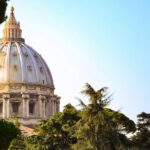
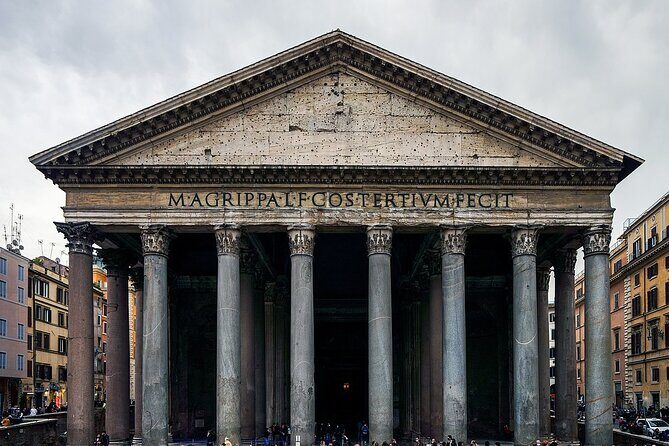
Then comes the Pantheon, with its majestic dome and the Tomb of Raphael. This is a short stop (about 15 minutes), but it’s a major “shift” in tone. After the illusion and theatrical church effects, the Pantheon feels like a different kind of power: classic structure, long-standing fame, and a calmer interior that still lands with weight.
This is where I like the tour’s approach. It doesn’t try to keep the drama level at maximum all the time. Instead, it uses the Pantheon to show you that Baroque isn’t the only language artists used in Rome. Different eras—and different artist strategies—share the same physical stage.
You’ll take in the dome itself and then look toward Raphael’s resting place. Even if you don’t know much about Raphael before the day, the guided framing helps you see him as part of the wider artist lineage. It’s another reminder that these artists weren’t working in isolation; they were in conversation with what came before.
St. Louis of the French and Sant’Agostino: Caravaggio’s Dark Glow
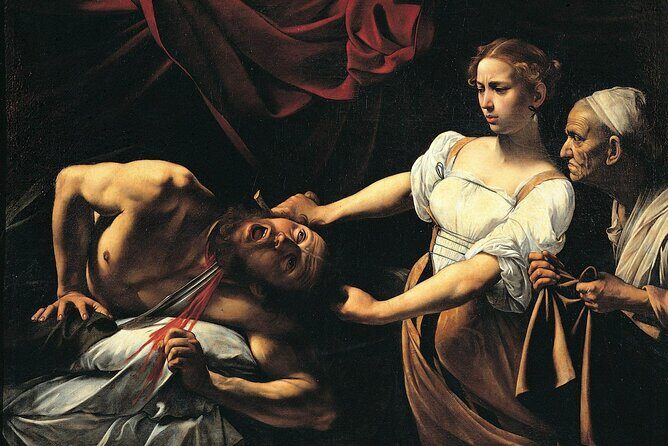
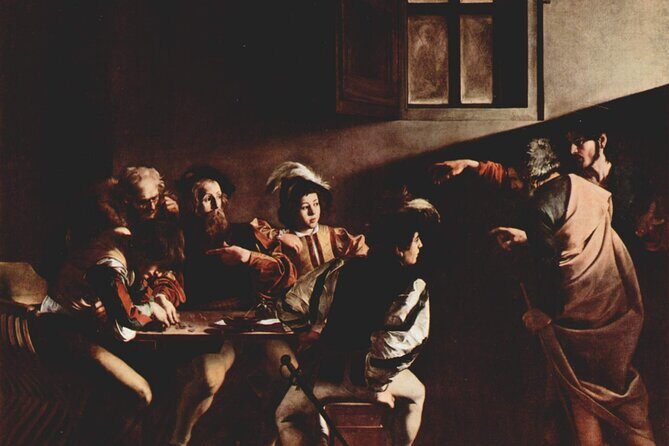
Two of the most compelling stops are the Caravaggio-focused church visits. First is the Church of St. Louis of the French, where you’ll admire Caravaggio paintings (listed as about 20 minutes, and admission is free). Next is Basilica di Sant’Agostino, which you visit briefly (about 5 minutes) to see another Caravaggio work: the Virgin of pilgrims.
The tour listing is careful to frame these not as random church stops, but as points in a focused thread. That’s important. Caravaggio’s impact isn’t only in famous subjects. It’s also in the way his paintings feel emotionally immediate. You’ll likely find the contrast useful: each church setting changes the mood, and seeing more than one work helps you understand the wider range of his style.
This is also a great moment to slow down. In busy Rome, church interiors can tempt you to skim. Don’t. If the guide gives you a pointer on what to look for in the painting, follow it. On a tour like this, those comments are usually what make the art click.
Piazza Navona: Bernini’s Fountains and Borromini’s Church in One Square
When you reach Piazza Navona, the “secret lives” theme turns into a public performance. You’ll see fountains by Bernini and a church by Francesco Borromini. This stop is listed at about 10 minutes, and it’s an efficient way to teach a big lesson: Baroque wasn’t just private genius. It was also public competition—who could create the stronger visual claim?
Piazza Navona is one of those places where the architecture feels like it’s pushing you to look from angle to angle. With both Bernini and Borromini credited in the same square, it becomes a quick visual comparison lesson. Even without deep technical analysis, you can feel different priorities in the shapes, the drama, and the way people gather around the fountains.
What makes this stop work on a guided tour is the context. Without guidance, you can end up just photographing and moving on. With guidance, you start noticing how each artist’s choices supported a style that was meant to win attention and admiration.
Piazza di Pasquino and Casa di Fiammetta: Ending on Street-Smart Art
The final story stop is Piazza di Pasquino, where you’ll learn the story of Pasquino, the talking statue. This is listed as about 5 minutes, and it’s exactly the kind of small detail that makes a tour feel different from a standard checklist.
The “talking statue” legend fits the overall theme of the day. It’s street gossip turned into a cultural instrument. In a city where artists and patrons relied on reputation, public commentary mattered. The fact that this story ends your walk is smart. It lets you carry the Baroque vibe into a real-world social habit: people talking about power, criticism, and scandal in public space.
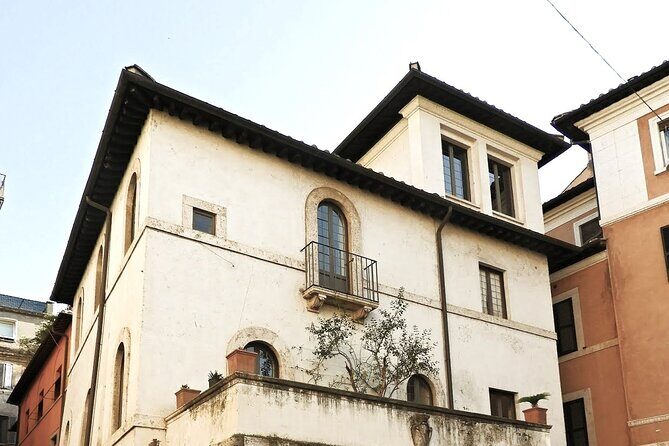
Then the tour ends in front of Casa di Fiammetta, at Via degli Acquasparta, 15, 00186 Roma RM. You’ll leave with your bearings better for the surrounding area, because you’ve been guided through the art-world logic of Baroque Rome rather than just marched from highlight to highlight.
Price and Value: Is $52.09 Worth It
At $52.09 per person, this is positioned as a short, guided, story-driven day segment. The value isn’t just the time. It’s what you’re getting for that time: a dedicated guide (Luisa Belviso), a small group capped at 15, and multiple meaningful art stops that include one specific admission ticket (Fontana di Trevi), with other listed church and site admissions noted as free.
Also, there’s a practical point: you’re paying for interpretation. The places on the route are famous enough that you can technically see them without a guide. But understanding what makes a Baroque effect work—why it was commissioned, what it’s trying to do, and how artists competed for attention—takes more than looking.
So the “value question” comes down to you. If you like being told what to notice, and you want the human context behind the art, the price feels fair. If you’re mostly there for quick photos and don’t care about stories, you might decide to DIY.
Who This Tour Suits Best (and Who Might Not)
I think this tour is a strong match for:
- People who enjoy art with context, not just famous names
- First-time Rome visitors who want a guided route through core Baroque sights
- Anyone who finds Caravaggio’s intensity more satisfying when it’s explained in a broader artistic world
- Travelers who like small-group pacing and questions along the way
It might be less ideal for you if you:
- Want a very slow walk with lots of free time at each stop
- Have limited ability to stand for church viewing (there are multiple interiors and pauses)
- Prefer purely outdoor sightseeing only
The tour does require good weather. If conditions are poor, it may be canceled and you’ll be offered another date or a full refund.
Should You Book This Secret Lives of Artists Tour?
Yes—if your goal is to understand Baroque Rome in a way that feels human. The tour’s best feature is the way it connects the big artistic names to motives and drama, then backs it up with real sites: Trevi, Sant’Ignazio with Andrea Pozzo, Caravaggio paintings at St. Louis of the French and Sant’Agostino, and the public showdown energy of Piazza Navona with Bernini and Borromini.
If you’re the type who reads a scene in a painting like a story, you’ll get a lot out of this. And because the group is capped at 15 and guided by Luisa Belviso, it feels less like a rushed “hit list” and more like a compact course in how Baroque art worked in real life.
If you want, I can also suggest a simple plan for what to do the rest of your day in Rome after the tour ends at Casa di Fiammetta.
FAQ
How long is the Secret Lives of Artists tour?
It runs for about 2 hours 45 minutes (approx.).
How much does the tour cost?
The price is $52.09 per person.
Where does the tour start and where does it end?
It starts at Via della Stamperia, 72, 00187 Roma RM, Italy, and ends at Casa di Fiammetta, Via degli Acquasparta, 15, 00186 Roma RM, Italy.
Is this tour ticketed with a mobile ticket?
Yes, it includes a mobile ticket.
What’s included in the price?
A private guide is included. Private transportation is not included.
Are admission tickets included for the sights?
Fontana di Trevi includes an admission ticket. The other listed stops are listed as admission free.
How large is the group?
The maximum group size is 15 travelers.
What’s the cancellation policy?
You can cancel for a full refund up to 24 hours in advance.
Is the tour dependent on weather?
Yes. The experience requires good weather, and if it’s canceled due to poor weather you’ll be offered a different date or a full refund.