REVIEW · COOKING CLASSES
Cesarine: Market Tour & Cooking Class at Local’s Home in Rome
Book on Viator →Operated by Cesarine: Cooking Class · Bookable on Viator
There’s dinner, then there’s learning dinner. This Cesarine experience pairs a market visit with a private cooking class inside a local’s home, so you shop, cook, and eat in the same Roman rhythm. It’s also in English and runs about 4.5 hours, starting at 10:00 am.
I love how hands-on it is: you don’t just watch pasta happen, you build it step by step with your host and then eat what you make. I also love the food payoff, since the night ends with a full three-course meal served with wine and coffee, not a tiny tasting.
One thing to consider: you’re committing to a half-day that includes walking around food shops and then cooking at home, so come ready to be active and stay flexible with timing.
In This Review
- Key Things to Know Before You Go
- A Market Tour That Actually Explains What You’ll Cook
- The 10:00 am Start and How the 4.5 Hours Feel in Real Life
- Picking Ingredients at the Market: More Than a Photo Stop
- Back at the Apartment: Where You Learn the Technique
- Your Three-Course Roman Meal: Starter, Fresh Pasta, Dessert
- Starter: Seasonal starter
- Main: Fresh pasta
- Dessert: Roman Dessert
- Wine and coffee included
- Why the Private Home Setting Is the Real Differentiator
- Who This Tour Fits Best (and Who Should Think Twice)
- Price and Value: What $225.18 Per Person Covers
- Tips to Get the Most Out of Your Cooking Day
- Should You Book Cesarine for a Rome Food Day?
- FAQ
- What is the duration of the Cesarine market tour and cooking class?
- What time does the experience start?
- Is this experience private?
- What language is the tour offered in?
- What’s included with the cooking class?
- What kind of food will I eat?
- Where does the experience take place?
- What is the price per person?
- What is the cancellation policy?
Key Things to Know Before You Go
- Private, home-based class: Only your group cooks in the host’s home, not a crowded demo setup.
- Market shopping first: You’ll browse local food shops and pick ingredients that directly become your meal.
- A classic Roman-focused menu: Think fresh pasta (rigatoni, bucatini, or gnocchi options) and a Roman dessert like ricotta and cherry tart or tiramisu.
- Wine and coffee at the table: The meal is structured as a real three-course finish, not scattered bites.
- You’re cooking with an instructor, not a script: Hosts in this style teach at a pace that feels conversational and personal.
- English experience: The tour is offered in English, which makes the how-and-why of Roman cooking easier to follow.
A Market Tour That Actually Explains What You’ll Cook
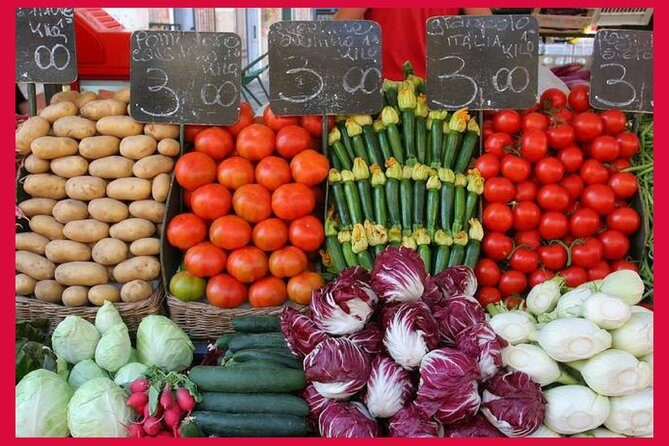
Rome can be noisy and fast. This experience slows you down in the best way: you start with the ingredients first. That order matters, because Roman cooking is built around a handful of staples—pasta shapes, cheese, cured meats, and seasonal produce—and once you’ve seen those ingredients in front of you, the cooking steps make more sense.
You’ll also get a clearer idea of what Roman food means day to day, not just as a postcard menu. The home-base format helps, too. Instead of “taste and go,” you’ll transition from buying food to prepping it, then sit down to eat it as one cohesive meal.
You can also read our reviews of more shopping tours in Rome

The 10:00 am Start and How the 4.5 Hours Feel in Real Life
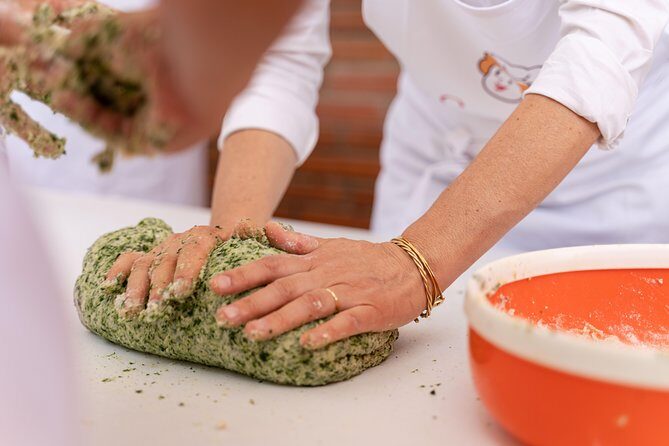
The class starts at 10:00 am and runs about 4 hours 30 minutes. That timing is a smart choice if you want a Rome day that’s not split between a morning tour and a late dinner plan. You get an early start, some movement during the market portion, and then a proper meal finish.
Because it’s private, the pace is more comfortable. You’re not fighting for elbow room at a crowded table or rushing through questions. That said, cooking still takes time, and you’ll be doing real prep and real cooking, not just “assembly.”
Meeting and ending are both tied to the same general start area (Province of Rome, Lazio). You’ll want to arrive a bit early so you can get settled and start on time. Once you’re cooking, you’ll likely be glad you gave yourself breathing room before the real work begins.
Picking Ingredients at the Market: More Than a Photo Stop
Your market time is the foundation of the whole day. You’ll walk through local food shops with your Cesarina guide, learn what ingredients matter, and then buy what you’ll cook back at home. This is where the experience becomes practical.
Here’s what you should pay attention to as you browse:
- Seasonal produce: Even when the core dishes are classic, seasonal ingredients help your starter feel of-the-moment.
- Pasta choices: Rome pasta cooking can vary by sauce pairing and technique, so seeing pasta shapes in person helps.
- How ingredients are displayed and sold: The way shops package and portion items affects how you’ll use them later.
If your host is the conversational type (and they usually are), you’ll likely talk through what makes Roman flavors different from other Italian regions. That context is valuable because it helps you recreate the dish later at home without guessing.
Back at the Apartment: Where You Learn the Technique
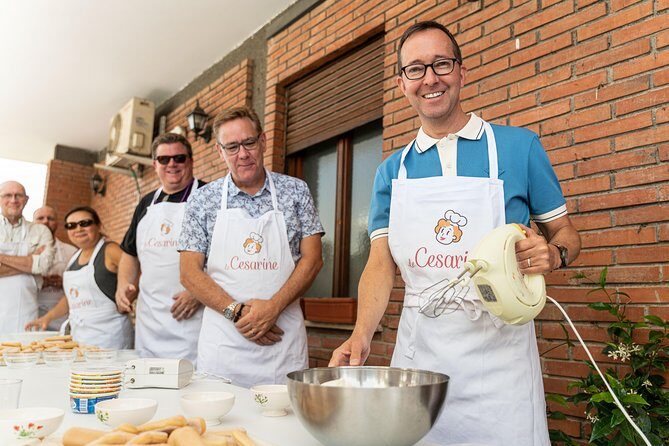
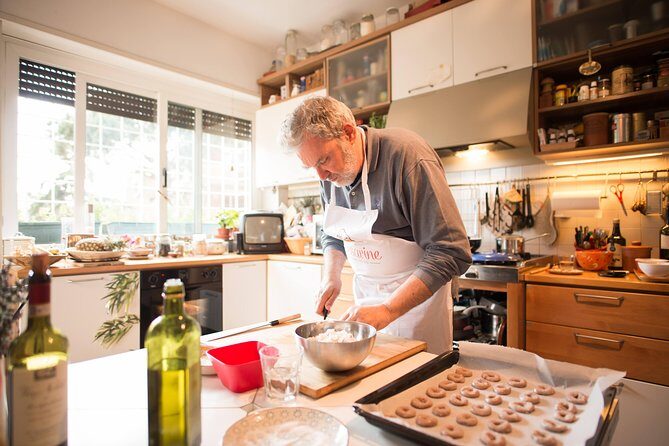
After the market, the scene shifts from public to home. You’ll get to your host’s home and then start cooking. That step change is part of the value: you’re learning technique in a setting designed for cooking, not in a demo room with limited space.
In classes like these, the host typically sets up stations and explains the workflow as you go. You’ll likely cook classic Roman recipes centered on fresh pasta and classic Roman building blocks. Based on the dishes listed, expect to work toward pasta like rigatoni, bucatini, or gnocchi. You’ll also prepare sauces and components for your meal.
You should also be ready for the reality that pasta-making is physical. You’ll roll, shape, and coordinate steps. If you’ve ever struggled with timing in the kitchen, this is the perfect kind of structured practice. Someone’s right there to guide you, correct small mistakes early, and keep you moving.
And yes, it ends with sitting down together. Cooking is only half the point. The other half is eating what you made while the food is still at its best temperature.
Your Three-Course Roman Meal: Starter, Fresh Pasta, Dessert
This experience is built around a full meal. The structure matters because it teaches you how Roman cooking flows across courses, not just how to make one dish.
You can also read our reviews of more tours and experiences in Rome



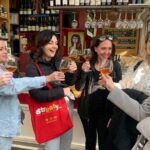
Starter: Seasonal starter
Your first course is a seasonal starter. Even when you’re not told the exact dish in advance, the idea is consistent: you start with something that uses ingredients you saw and purchased at the market.
Main: Fresh pasta
The main course centers on fresh pasta with options such as rigatoni, bucatini, or gnocchi. You’ll learn how to finish it with the right sauce style for Roman preferences. Fresh pasta changes everything: sauce clings differently and the texture shifts from what you get with dried pasta.
Dessert: Roman Dessert
Dessert is Roman-focused and can include choices like ricotta and cherry tart, Roman tiramisu, or chocolate shortbread (or a similar typical Roman dessert). In practical terms, this gives you a sweet ending that matches the rest of the meal, rather than a random gelato stop.
Wine and coffee included
You’ll be served local wine with the meal, and it ends with coffee. This is one reason the price can feel more reasonable than it first appears. You’re not just paying for instruction, you’re also paying for a complete sit-down meal with beverages.
Why the Private Home Setting Is the Real Differentiator
Rome has plenty of cooking classes. What sets this one apart is the home setting paired with a private format. That combination changes the whole feel of the day.
In a home, you get:
- A more relaxed pace while you learn
- A less theatrical setup and more teaching-by-doing
- A meal that feels like dinner with hosts, not a performance
You may also meet different instructors depending on the date. Names tied to the experience you could encounter include Maria and Giorgio, Laura, Valeria, and Ofelia, along with additional help mentioned with some hosts (like a friend joining in). The common thread is warmth and hands-on instruction.
If you’re the type who wants to ask questions—why this sauce works, how to time pasta, what to look for when cooking—you’ll likely feel more comfortable in this format than in a larger group class.
Who This Tour Fits Best (and Who Should Think Twice)
This is a great fit if you:
- Want a real Roman meal experience, not a generic cooking demo
- Enjoy market time and seeing ingredients up close
- Like cooking with an instructor in an intimate setting
- Prefer a private group setting for comfort and conversation
It’s less ideal if you:
- Don’t want any cooking responsibility, even light hands-on steps
- Are easily thrown off by kitchen noise, smells, and active prep
- Need a very short, purely sightseeing-focused schedule
Also, because you’re cooking and eating at a local home, you’ll want to be respectful of the space and follow your host’s rhythm. That’s part of what makes the experience work.
Price and Value: What $225.18 Per Person Covers
At $225.18 per person, this isn’t the cheapest way to do Rome food. But it may be better value than you think because the day includes several “paid components” bundled together:
- A market tour with guided ingredient selection
- A private cooking class in a local home
- A three-course meal
- Wine and coffee included
When you break it down, you’re paying for experience design: shopping, teaching, cooking, and dining all in one. In cities like Rome, a standalone dinner can cost a lot too, and you don’t get the how-to learning part. Here, you get both the meal and the skill.
Is it pricey? Yes. Does it feel like a splurge day? Also yes. But for food-focused travelers, it’s the kind of splurge that actually creates a repeatable memory: you can cook Roman dishes later because you learned them in sequence.
Tips to Get the Most Out of Your Cooking Day
A few practical moves can make your class smoother:
- Arrive a little early so you can get oriented and not feel rushed.
- Wear comfortable shoes. Market time and movement are part of the day.
- Come hungry but not overly stuffed. You’ll snack and taste as part of learning, and then you’ll have a real meal.
- Ask questions as you cook. The best technique lessons come when you’re in the step.
If you’re the type who loves food details, take a moment before cooking to watch how your host explains the sequence. Roman cooking often rewards timing, not just ingredients.
Should You Book Cesarine for a Rome Food Day?
If you want a Rome experience that’s both hands-on and meal-centered, I’d book it. This is one of the few formats where market time, cooking instruction, and a three-course meal all connect cleanly. The private home setting makes it feel personal, and the inclusion of wine and coffee turns it into a full dining experience.
Skip it only if you prefer passively sightseeing most of the time, or if you really don’t want to do any cooking work. Otherwise, this is a strong choice for a day when you want something memorable that goes beyond plates photographed and forgotten.
FAQ
What is the duration of the Cesarine market tour and cooking class?
It lasts about 4 hours 30 minutes.
What time does the experience start?
The start time is 10:00 am.
Is this experience private?
Yes. It’s a private tour/activity, and only your group participates.
What language is the tour offered in?
The experience is offered in English.
What’s included with the cooking class?
You’ll enjoy a market visit and a private cooking class at your host’s home, and you’ll finish with a three-course meal served with wine and coffee.
What kind of food will I eat?
You’ll have a starter (seasonal starter), fresh pasta (rigatoni, bucatini, or gnocchi), and a Roman dessert such as ricotta and cherry tart or Roman tiramisu (or similar typical Roman desserts).
Where does the experience take place?
It takes place in Rome, Italy, with the start and end tied to the Province of Rome, Lazio area.
What is the price per person?
The price is $225.18 per person.
What is the cancellation policy?
Free cancellation is available. You must cancel at least 24 hours in advance for a full refund.