REVIEW · COOKING CLASSES
Authentic Roman Cooking Class & Market Experience
Book on Viator →Operated by Gray Line I Love Rome by Carrani Tours · Bookable on Viator
Skip museum fatigue for fresh pasta. This experience mixes a guided stroll through Rome’s food stalls with real kitchen time, so you go home with skills and a full stomach. You start with ingredient picking in the city center, then cook with a chef and finish with a multi-course lunch you made yourself.
I especially like the market scouting part. You learn what to look for in produce, cheese, and other staples, not just what to buy. And I like the hands-on pasta coaching, where technique gets corrected as you work.
One possible drawback: the class aims to cook a lot in one sitting. If you prefer slow, deep instruction, a fast pace can feel a little hectic—especially if the kitchen room ever feels tight.
In This Review
- Key highlights worth your attention
- Why a market walk is the secret sauce here
- Campo de’ Fiori morning flow: from start point to private kitchen
- Three pastas and the technique that actually transfers home
- The main course, four-course lunch, and wine pairing
- Price and value: $225 for shopping, cooking, and wine
- Who should book this pasta class (and who might hesitate)
- Practical tips so your day runs smoothly
- Should you book this Roman Cooking Class?
- FAQ
- How long is the cooking class experience?
- Where does the tour start?
- What time does it start?
- How big is the group?
- Is there a minimum number of participants?
- What languages is the tour offered in?
- What does the tour include for lunch?
- Are beverages included?
- Can I request a vegetarian option?
- What is the cancellation and refund policy?
Key highlights worth your attention
- Small-group kitchen time (max 8) means you get closer to the work, not just a front-row show
- Central market ingredient picking helps you shop like a local, including how to spot top basics
- Three homemade pastas plus a main course gives you multiple wins in one afternoon
- Personal chef feedback targets key moments that actually change the result
- Sit-down lunch with wine pairing turns the cooking into a real meal, not a snack break
- English or Spanish keeps it easy to follow along at pace
Why a market walk is the secret sauce here
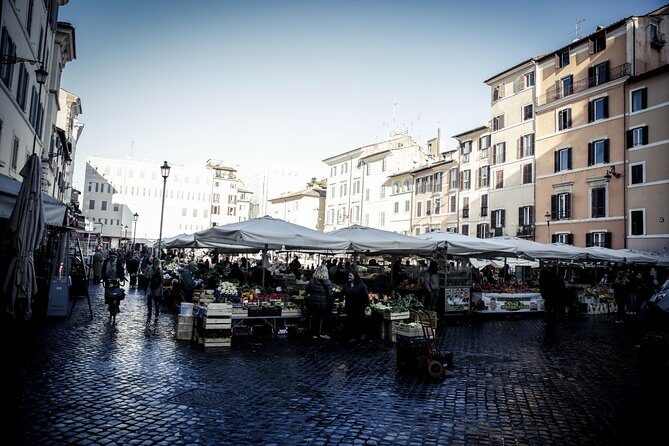
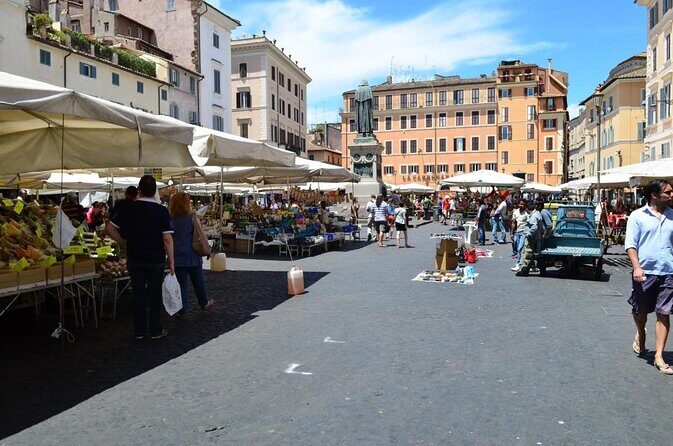
Food tours in Rome often stop at tasting. This one starts earlier—at the stalls—so your cooking starts with the right ingredients. You’ll follow a local host past farmers, bakers, and butchers selling fresh goods, and you’ll practice choosing what goes into Roman-style cooking. That’s not just fun; it’s useful.
Here’s why this part matters for you: pasta at home doesn’t fail because you lack enthusiasm. It fails because of small ingredient problems. You want produce that tastes like something, cheese that melts properly, and basics that aren’t old. During the grocery shopping in the city center, you’re guided to spot quality fast—so you can repeat the same thinking later, back in your own kitchen.
The group also walks with purpose. You’re not wandering for two hours trying to remember what you were supposed to buy. You’re moving stall to stall with a plan, learning how Italians assemble meals: simple components, chosen well. One practical benefit: you’re less likely to leave Rome with a recipe that depends on hard-to-find, questionable ingredients.
You can also read our reviews of more shopping tours in Rome

Campo de’ Fiori morning flow: from start point to private kitchen
The experience begins at Rossopomodoro, Largo di Torre Argentina 1, around 9:30 am. It’s a convenient meeting spot near public transportation, so you’re not spending your morning fighting Rome traffic just to get to lunch.
From there, the day has a clear rhythm. First comes the market and small shops, then you head to the private kitchen where the class happens. That walk through the neighborhood is more than travel time. It helps you get your bearings and ties the cooking to the city you’re actually in—not a generic “Italy” lesson.
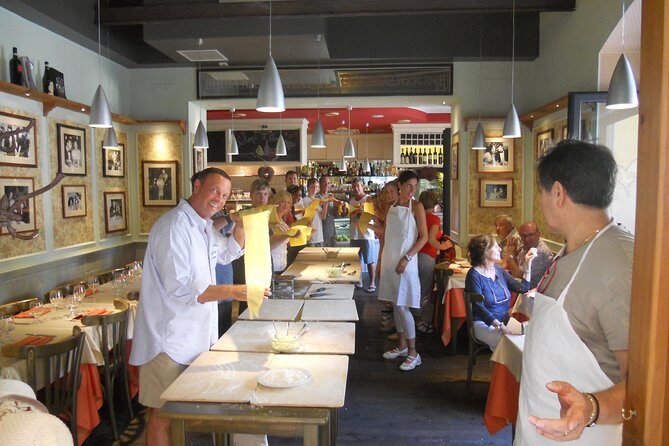
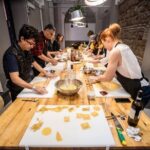
At the kitchen, the setup is designed for groups. The class stays small, so you should feel like you’re part of the workflow. You’ll have space to cook and then sit down together when it’s time to eat. And because the kitchen is in a real working setting, you experience the “do it now” pace that makes cooking classes worthwhile.
One thing to keep in mind: you’re starting early-ish for a reason. This is a 5-hour experience built around shopping, cooking, and eating at a proper lunch sit-down. If you show up hungry, you’ll have an easier time enjoying the whole sequence.
Three pastas and the technique that actually transfers home
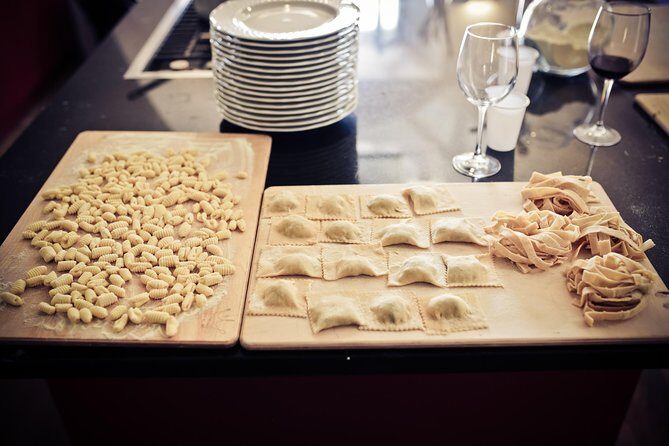
The core of this class is the cooking. You learn how to prepare and cook three different varieties of homemade pasta, plus a main course. No matter your skill level, you’re guided through the steps with direct support from the instructor in the kitchen.
What you’ll appreciate most is the way technique is explained at the moments that matter. For example, you’re taught how pasta water can help thicken and bind sauce. That’s one of those small chef tricks that changes everything about a plate of pasta. If you’ve ever had “tasty pasta” become “wet pasta” at home, this kind of instruction is gold.
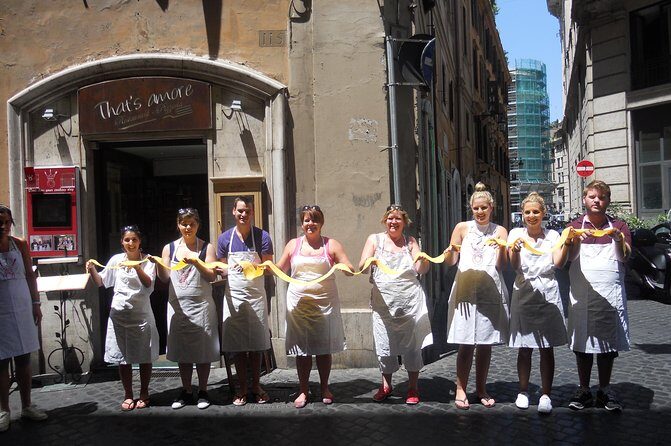
You’ll also practice shaping details, including hands-on work like rolling pasta. Some classes include specific pasta forms such as fettuccine and other rolled or shaped styles, with coaching on how the dough should feel and how to handle it. If you’ve always thought pasta-making was too fragile, the “try it, fix it, try again” method makes it feel doable.
Another useful angle: the class doesn’t only focus on the final dish. It targets what happens in the middle—timing, texture, and when to adjust. That’s why the learning sticks. You leave with a mental checklist, not just a memory of what looked good on a plate.
One more note for your expectations: the class is designed to produce multiple items in one session. That means you may not have unlimited time for every step. Still, the small group size and instructor feedback keep it from becoming pure watching. You’ll get far more participation than a typical demo-style class.
The main course, four-course lunch, and wine pairing
After the cooking, you sit down for lunch and eat what you made—this is four courses, paired with complimentary beverages, including Italian wine. In other words, you’re not done when you wipe your station. You get to enjoy the results in a group meal.
The lunch structure is built around the dishes created during class. You’ll experience a sit-down feast that turns your effort into a real Roman meal with pacing and conversation time. Wine pairing adds a layer of grown-up fun. It also helps you understand why certain flavors match. Pasta isn’t just about carbs—it’s about sauce character, salt balance, and how acidity plays with rich ingredients.
Some past lunches have included a main course and additional items like meat-based dishes and desserts such as tiramisu. The exact menu can vary by day and chef planning, but the guaranteed theme stays the same: you get multiple courses tied to your cooking work.
If you’re thinking about food as part of your travel day, this is a strong choice. You’re not just collecting photos. You’re eating something you built with your own hands, in a kitchen that feels like it belongs in Rome. And since it ends back at the meeting point, you can return to sightseeing afterward without complicated logistics.
Price and value: $225 for shopping, cooking, and wine
At $225.01 per person, this isn’t a cheap activity. But it’s also not just “a cooking demo plus a snack.” Your money goes toward several expensive pieces that add up quickly in a city like Rome:
- You get guided grocery shopping in the city center (ingredient selection is part of the lesson)
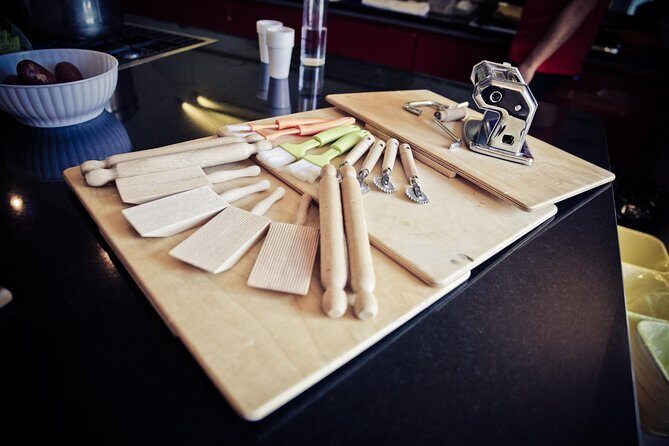
- You get a professional kitchen setup with tools and chef guidance
- You cook three homemade pastas and a main course
- You eat a sit-down lunch made from your dishes
- You receive complimentary beverages, including Italian wine
- You stay in a small group (max 8), which is where real instruction becomes possible
That’s why the price can feel reasonable when you compare it to paying separately for a market walk, a cooking class, and a meal. The class is effectively packaging all of that into one organized experience.
One more value signal: this kind of class books well in advance, with an average booking window of about 68 days. So if you’re traveling in peak season or on weekends, reserving early can help you avoid schedule gaps.
You can also read our reviews of more tours and experiences in Rome

Who should book this pasta class (and who might hesitate)
This tour is a smart fit if you want more than sightseeing. It’s ideal if you like practical learning—hands-on cooking, clear steps, and chef corrections you can repeat later. It also suits travelers who want to reset their day with a calmer, more social activity.
It’s especially good for groups and families. Several comments note the experience feels comfortable with the kitchen space and setup. If you’re traveling with someone who won’t love a long museum day, cooking gives you a shared goal and a clear payoff at lunch.
You should also consider it if you’re food-curious rather than kitchen-expert. The class is built for all levels, and you’ll get support while working through pasta technique.
Vegetarian travelers can request an option during booking. If that matters to you, be sure to indicate it early so the kitchen can plan accordingly.
Now the “maybe not” side: if you’re the type who wants lots of slow explanation, this class can feel fast because it’s built around producing multiple dishes. Also, while the advertised group limit is 8, one report described a room that felt crowded beyond expectations. If you’re very sensitive to space and sound, it’s worth setting expectations that the kitchen gets lively.
Practical tips so your day runs smoothly
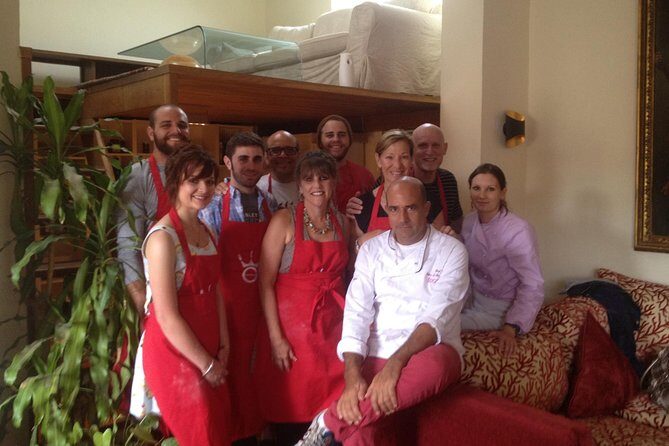
Here are the small moves that make a big difference with a morning market + cooking class:
Arrive hungry, not starving. This is a full lunch day. If you skip breakfast, you’ll enjoy the session more. If you eat a huge breakfast, you might start feeling “too full to learn,” which is a real mood-killer.
Wear comfortable shoes. You’ll walk through market areas and move between meeting point, shops, and the kitchen. Rome sidewalks are charming, but they’re not always gentle on your feet.
Ask about technique as you go. When the chef mentions a key step—like using pasta water—you’ll remember it later if you ask why it works. Don’t wait until the end.
Plan your afternoon loosely. You’ll finish after lunch, and you’ll likely be satisfied. If you cram a long, active plan right afterward, you risk turning “great day” into “nap and regrets.”
Bring a notepad or phone notes. You might not get a full write-up, depending on how the instructor runs the class, but taking quick notes on the steps you care about helps you recreate the results at home.
Finally, keep the language in mind. The tour is offered in English and Spanish, so if you speak one of those confidently, you’ll get more out of the explanations.
Should you book this Roman Cooking Class?
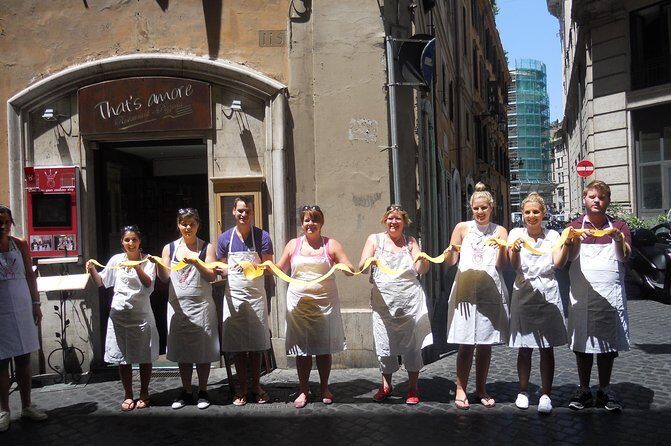
Yes, I’d book it if you want a meaningful food experience that includes market shopping, real pasta practice, and a full sit-down lunch with wine. It’s a strong value when you consider what’s included: small group size, chef guidance, multiple dishes you cook, and the meal you eat right afterward.
I would hesitate only if you dislike busy kitchens or prefer a slower, single-dish deep-dive style. This class is geared toward producing a lot, so it’s more “learn by doing” than “stay at one station for hours.”
If your goal is to leave Rome with cooking skills and the kind of lunch you’ll remember for years, this is a solid choice.
FAQ
How long is the cooking class experience?
It lasts about 5 hours.
Where does the tour start?
The meeting point is Rossopomodoro, Largo di Torre Argentina, 1, 00186 Roma RM, Italy.
What time does it start?
The start time is 9:30 am.
How big is the group?
It’s a small-group experience with a maximum of 8 travelers.
Is there a minimum number of participants?
Yes. The experience requires a minimum of 2 booked participants.
What languages is the tour offered in?
The class is offered in English and Spanish.
What does the tour include for lunch?
Lunch is included and it’s made up of dishes you prepare during the class.
Are beverages included?
Yes. Complimentary beverages are included, including Italian wine.
Can I request a vegetarian option?
Yes. You should indicate you want vegetarian cooking options during booking.
What is the cancellation and refund policy?
This experience is non-refundable and cannot be changed for any reason. If you cancel, the amount paid is not refunded.