REVIEW · PRIVATE
Rome 4 Hours Private Guided Tour with Pickup in Luxury Minivan
Book on Viator →Operated by Movartis Limousine Service · Bookable on Viator
That first glimpse from the van window is Rome in fast-forward. In just about four hours, you’ll cover the big-name stops and a couple of Rome-meets-the-perspective moments without wearing yourself out on the sidewalks.
I like that it’s private and paced for your group, not a cattle-call schedule. I also really like the comfort factor: a luxury air-conditioned vehicle with onboard Wi‑Fi so you can cool down and map the next stop.
One thing to consider: some major sights on the route require your own admission tickets, so you’ll want to plan for extra costs if you add entry.
In This Review
- Quick reasons this tour tends to work
- Why a luxury minivan tour fits Rome’s reality
- Pickup and meeting at Piazza Venezia: the easy start
- Pantheon: the imperial-age icon, plus a ticket note
- Piazza Navona: Roman stadium energy in one square
- Trevi Fountain and the Spanish Steps: famous, but still worth the plan
- The Victorian Ala Brasini complex: the short detour that adds texture
- St. Peter’s Basilica: the big moment with a longer time slot
- Gianicolo terraces and the Malta keyhole: viewpoints in a hurry
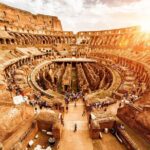
- Trastevere quick feel and a Colosseum hit
- How the guides turn stops into a story (and where you should watch for audio)
- Pricing and value: $701.71 per group, and what that really means
- When you should book this 4-hour private Rome tour
- Should you book this Rome 4-hour private guided tour?
- FAQ
- Is this tour private, and how many people are included?
- How long is the Rome tour?
- Where does the tour start and end?
- Is hotel pickup included?
- Are attraction tickets included?
- Which parts of the itinerary are free to visit?
- What’s provided in the vehicle?
- What’s the cancellation policy?
Quick reasons this tour tends to work
- Private minivan with Wi‑Fi keeps you comfortable and connected on a short schedule
- Hotel pickup within Rome means less hassle getting to Piazza Venezia
- Smart stop order hits the most famous piazzas and viewpoints efficiently
- Mix of classics and viewpoints includes places like Gianicolo and the Malta keyhole
- Limited time on foot helps when kids, heat, or mobility are an issue
- Ticket planning matters because Pantheon, St. Peter’s Basilica, and the Colosseum aren’t included
Why a luxury minivan tour fits Rome’s reality
Rome punishes sloppy planning. Distances add up, crowds can slow everything down, and summer heat turns walking into a full-time job. This tour answers that with a simple idea: do the highlights fast, then let the guide handle the timing while you ride in comfort.
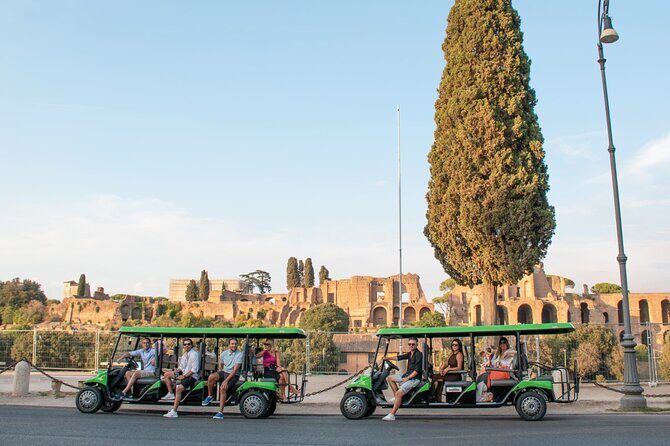
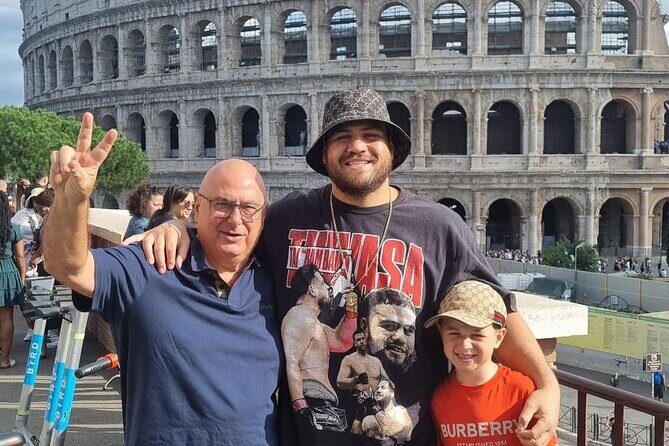
You’re traveling in a luxury, air-conditioned minivan, and there’s onboard Wi‑Fi. That sounds like a small detail until you’re on the move with kids, or you want to quickly check directions, restaurant ideas, or ticket info between stops. You also get a mobile ticket, which is handy when you’re bouncing through busy areas.
Because it’s private for your group, you’re not stuck waiting for everyone else’s pace. The tour is built around short on-foot visits—often around 10 to 20 minutes—so you can take photos, get your bearings, and still end the day feeling like you saw Rome, not just swatted at pigeons and heat.
You can also read our reviews of more guided tours in Rome



Pickup and meeting at Piazza Venezia: the easy start
The tour starts and ends back at Piazza Venezia. That matters because it keeps the day anchored in a central spot. It’s also useful if you like the idea of dropping back near a major hub, rather than getting stranded somewhere more obscure.
Here’s the big practical win: pickup is available from your hotel or accommodation within Rome. If you’re coming from an airport or cruise port, transfers can be added as options, but they cost extra. In other words, you’re not locked into a rigid “meet in one place” plan—you can usually start where your trip actually begins.
Because it’s offered in English, you’ll get explanations in a language most visitors can follow easily. Some reviews also point out that guide clarity can vary, so if English audio matters a lot for you, it’s worth choosing a seat where you can hear well (more on that later).
Pantheon: the imperial-age icon, plus a ticket note
The route begins with the Pantheon, one of the best-preserved Roman imperial monuments. You’ll have about 20 minutes there. That’s a quick visit, but it’s long enough to see the dome interior, the main space, and get your camera set up.
The key practical point: admission tickets for the Pantheon are not included. So if you want to go inside (and you probably do), plan for that cost separately.
What to do with your time: don’t rush to the exit. Spend a few minutes just looking up and then at the space around you. This is one of those places where the scale and design hit you all at once, especially if you’ve mostly been seeing Rome through street corners and “from the outside” photos.
Piazza Navona: Roman stadium energy in one square
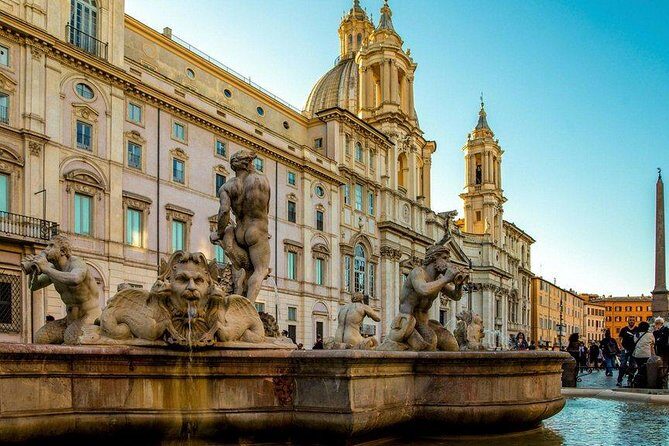
Next up is Piazza Navona, with about 20 minutes. It’s famous now for its baroque character, but it has the shape and attitude of earlier Roman times—once tied to the Domitian stadium area.
The upside here is that it’s a free stop. So you can focus on wandering, people-watching, and photos without thinking about entry lines or ticket paperwork.
A good way to use your time: pick one side of the square to start, then walk the perimeter slowly. You’ll notice how the buildings frame the open space, and you’ll get that “Rome is meant to be seen at street-level” feeling that photos alone can’t fully deliver.
Trevi Fountain and the Spanish Steps: famous, but still worth the plan
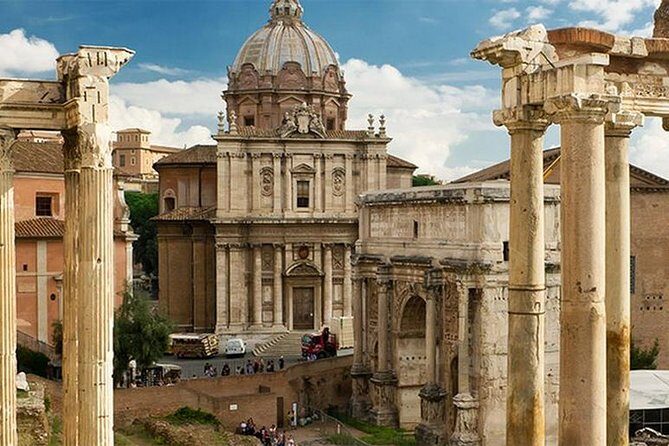
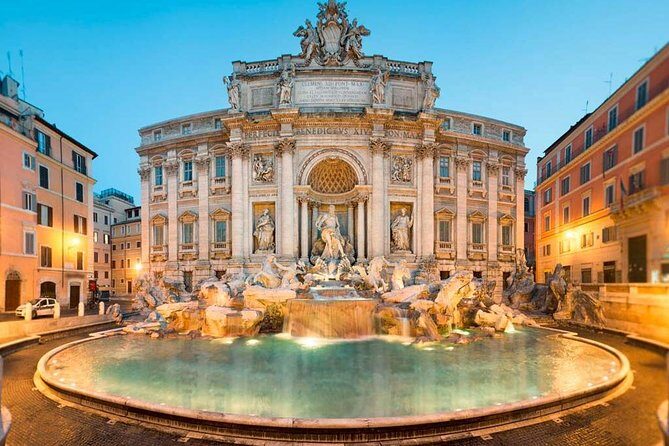
Then comes Trevi Fountain for about 20 minutes. It’s free to visit, and it’s the kind of place where you either enjoy the spectacle or you resent the crowds. Having a private guide and tight pacing doesn’t magically erase crowd pressure, but it helps you make the most of the time you’ve got.
After that, you’ll hit the Spanish Steps for about 20 minutes. This is where you’ll hear about Bernini, and the area’s famous for a reason: it’s dramatic, photogenic, and works from multiple angles.
Again, both are free stops, so you’re spending your money on the guide and transport, not on entry fees. That makes this part of the tour feel like good value, especially if you’re trying to see top sights without blowing your budget on tickets.
A smart move: treat these as “photo + vibe” stops, not “wander for an hour” stops. You’ll get your classic shots and still keep momentum toward the quieter, more viewpoint-based parts of the day.
You can also read our reviews of more private tours in Rome




The Victorian Ala Brasini complex: the short detour that adds texture
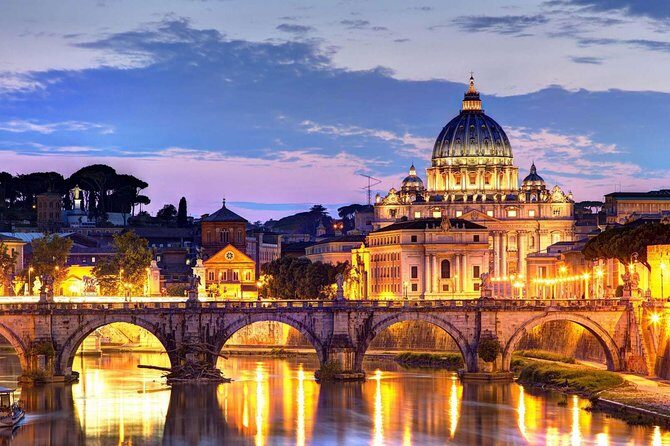
Next is the Complex of the Victorian Ala Brasini, with about 10 minutes. It sounds like a quick peek because, honestly, it is. But these short stops are where the tour adds variety beyond the usual headline sights.
It’s described as a modern building presented in Roman style. In practice, that means you get a different flavor of Rome: not just ancient stone and Renaissance drama, but how the city looks when it borrows Roman motifs later on.
Because it’s a free stop and the visit is brief, it’s easy to accept as a palate cleanser. If you’re the kind of person who likes context—how old Rome influences what comes after—this stop can be a satisfying little break.
St. Peter’s Basilica: the big moment with a longer time slot
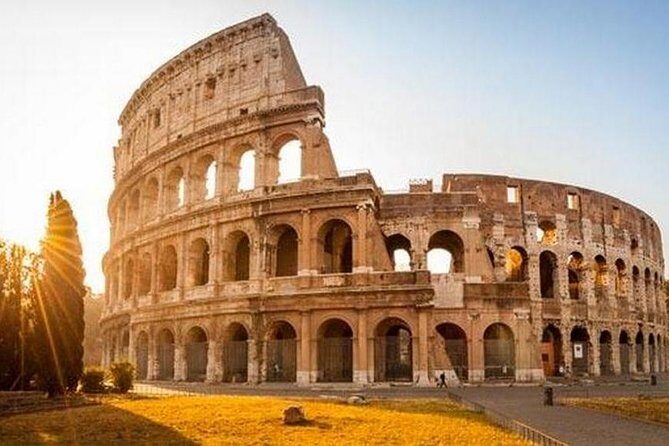
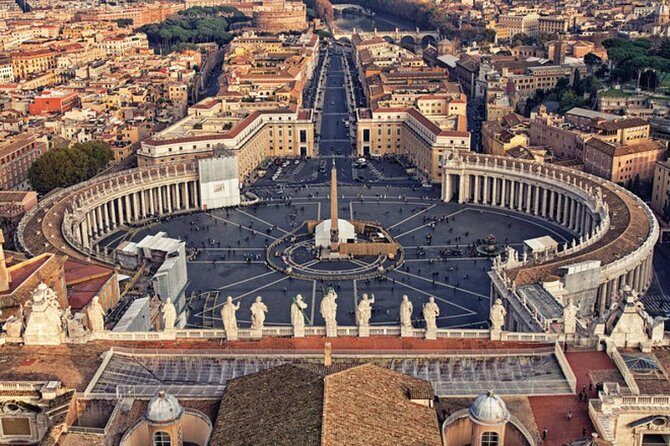
Staying in the “big payoff” category, you’ll spend about 40 minutes at St. Peter’s Basilica. This is the heart of Christianity in the way many visitors mean it, and it’s the kind of place that can swallow time if you let it.
Admission tickets are not included here either, so plan for that cost. Also, because your time is limited to 40 minutes, you’ll want to focus on the main interior areas you care about most rather than trying to see everything in one go.
This is one of the stops where a guide’s job matters: with a tight schedule, you want the route to guide you to what’s most important first. If you’re traveling with kids or anyone who gets tired quickly, the private format is a real advantage because you can adjust how fast you move.
Gianicolo terraces and the Malta keyhole: viewpoints in a hurry
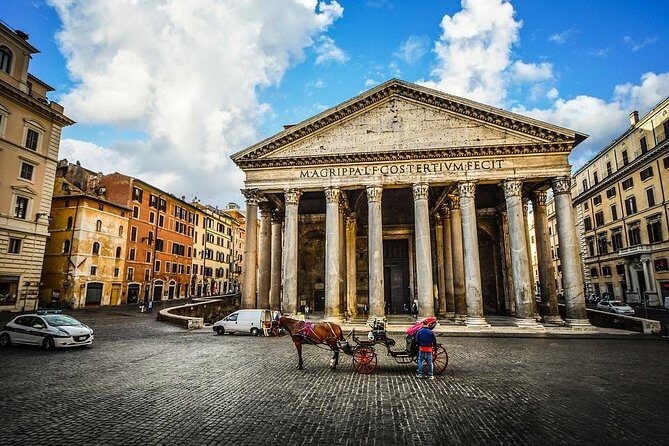
After St. Peter’s, you’ll go to Terrazza del Gianicolo for about 20 minutes. This is one of the “look down and understand the city” stops. From above, Rome stops being a list of monuments and starts becoming a geography puzzle.
Then there’s Piazza dei Cavalieri di Malta, about 10 minutes, famous for the keyhole view. This is a very short stop, but it’s short in a good way. It gives you a specific experience, not a vague wander.
Both are free stops. That means you’re paying for transport and guidance, not extra entry fees, which keeps the overall value strong for a four-hour tour.
How to use these: don’t rush the skyline. Give yourself a minute or two to scan. Rome rewards looking slowly, and the viewpoint aspect is one of the few ways you’ll leave with a mental map that sticks.
Trastevere quick feel and a Colosseum hit
The tour then includes Trastevere for about 20 minutes. Trastevere is known as a popular, typical Roman area. In this time window, you’re not trying to “do Trastevere.” You’re sampling it—streets, atmosphere, and the feeling that this isn’t just monuments, it’s daily life.
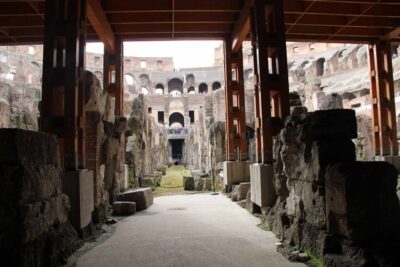
Finally, you’ll reach the Colosseum for about 10 minutes. No words needed is how most people feel here—and the guide’s job is to make those 10 minutes land. The Colosseum stop does have admission not included, so you may be deciding whether you want entrance or simply exterior viewing.
A 10-minute stop can feel too short if you’re a hardcore ruins person. But if your goal is an effective overview plus one big classic photo moment, it works well in a four-hour schedule.
Also, if it’s hot or you’ve got limited mobility, the minivan format helps you manage energy. One reviewer specifically valued this kind of driving plan during extreme heat because you get air-conditioned breaks between the walking bursts.
How the guides turn stops into a story (and where you should watch for audio)
One of the most praised aspects of this tour is the guide experience. You’ll see multiple guide names praised in different reviews, including Salvatore, Irene, and Massimo. The pattern is clear: guides who tell you not just what you’re looking at, but why it matters.
That matters in Rome because so many places look similar until someone points out the details: what used to be there, what shifted over time, and how the city layers meaning. In interviews and reviews, guides are described as friendly, flexible, and good at guiding you to viewpoints with fewer crowds. That kind of practical planning can make the difference between a stop you enjoy and a stop you merely survive.
One caution from the feedback: a couple of comments mention that audio wasn’t always ideal for people seated farther back. If you’re in the rear seats, you might want to ask about how you’ll hear the narration during the drive. And if you rely heavily on English clarity, seat choice can help.
There’s also a note about guides sometimes customizing or adjusting pacing, which is great when your group includes kids, a mobility limitation, or simple fatigue. If you think you’ll need pace changes, say so at the start. With a private tour, you’re not stuck with a one-size plan.
Pricing and value: $701.71 per group, and what that really means
The price is listed as $701.71 per group with a maximum of up to 8 people. That’s the part people fixate on, but the value comes from how the cost is distributed and what you’re buying.
You’re paying for:
- Private vehicle transport across multiple major areas in a short window
- A live guide explanation in English
- Comfort features like air-conditioning and onboard Wi‑Fi
- Pickup within Rome (not just a random street corner)
If you split the cost across 6 to 8 people, the per-person price can feel much more reasonable. If you’re a small group, it’s still not outrageous for private transportation plus guide time in a city where getting across town can be time-consuming.
The biggest value lever is how much walking you want to avoid. Many people book this because it’s a fast “greatest hits” overview without turning the day into an endurance test. Summer heat can make that choice feel smart, not fancy.
One more value tip: because some big-ticket entries aren’t included—Pantheon, St. Peter’s Basilica, and the Colosseum—your total trip cost will rise if everyone wants to go inside. If you’re budget-sensitive, you can also plan to focus on exterior viewing at the Colosseum while reserving your paid entries for the places you care about most.
When you should book this 4-hour private Rome tour
Book this tour if:
- You have limited time and you want an orderly overview of major sights
- You’d rather spend energy on looking and photos than long walks
- You’re traveling with a family, older travelers, or anyone who benefits from short stop-and-go movement
- You like the idea of viewpoints like Janiculum (Gianicolo) and the Malta keyhole in a single morning or afternoon
Consider passing or adding a different experience if:
- You want a long deep-dive inside each paid monument
- Your group wants extended time in just one area like Vatican interiors or the Colosseum ground level
- Everyone in your group is very ticket-focused and expects admissions to be included
Should you book this Rome 4-hour private guided tour?
I’d book it if you want structure without strain. Four hours is the sweet spot for first-time orientation: you’ll see the classics, you’ll get a couple of perspective-based stops, and you’ll return feeling like Rome makes sense.
I would think twice if your plan is mainly to linger inside paid monuments for hours. For that style of trip, you’ll likely want a longer tour or separate timed visits so you’re not racing your schedule.
FAQ
Is this tour private, and how many people are included?
Yes. It’s a private tour/activity, so only your group participates. The pricing is per group up to 8 people.
How long is the Rome tour?
The duration is approximately 4 hours.
Where does the tour start and end?
The tour starts at Piazza Venezia, Roma RM, Italy, and it ends back at the same meeting point.
Is hotel pickup included?
Pickup from your hotel or accommodation within Rome is offered. Transfers from or to airports and ports are optional and paid separately.
Are attraction tickets included?
No. Attraction tickets are not included, including for stops where admission is noted as not included.
Which parts of the itinerary are free to visit?
Several stops are listed as free, including Piazza Navona, Trevi Fountain, Spanish Steps, the Victorian Ala Brasini complex, Terrazza del Gianicolo, Piazza dei Cavalieri di Malta, and Trastevere.
What’s provided in the vehicle?
You’ll ride in an air-conditioned vehicle with private transportation and onboard Wi‑Fi.
What’s the cancellation policy?
You can cancel up to 24 hours in advance for a full refund.