REVIEW · 1-DAY TOURS
Amalfi Coast Small-Group Day Trip from Rome Including Positano
Book on Viator →Operated by Gray Line I Love Rome by Carrani Tours · Bookable on Viator
Amalfi in one day sounds wild. Still, this trip works because it strings together fast rail + ferry time with just enough free wandering in two postcard towns. You get a clear structure for a long day: Rome to Salerno, ferry to Amalfi, ferry back, then train home.
I especially like the small-group size (max 15). It makes it easier to regroup at stations and get helpful guidance, not just a handout. Another big plus is that transportation is handled end to end, so you spend less time figuring out connections and more time looking at the coast.
The main drawback is also the nature of the coast: expect waiting, heat, and the occasional plan change. If winds cancel ferry legs, you may end up doing more land travel than you planned, which can squeeze the time you hoped to spend by the water.
In This Review
- Key things to know before you go
- A One-Day Amalfi Plan From Rome: What You’re Really Buying
- Rome to Salerno by High-Speed Train, Then Ferry to Amalfi
- Positano Stop: Shore Views, Tight Streets, and That Very Real Stair Factor
- Amalfi Stop: Cathedral Square Time and Lemon-Inspired Breaks
- Salerno’s Quick Turn: Contemporary Architecture for a Brief Pause
- The Small-Group Factor: Guides and Drivers Keep You Moving
- Transportation Included Means Less Stress, But You Still Need a Comfort Plan
- Price and Value: Is $314.97 Worth the Long Transit?
- Weather and Route Changes: What to Expect When the Sea Won’t Cooperate
- Who This Tour Fits Best (and Who Should Think Overnight)
- Should You Book This Amalfi Coast Day Trip From Rome?
- FAQ
- What towns are included on the tour?
- How long is the day trip?
- What transport is included from Rome?
- How big is the group?
- Is the tour offered in English?
- Where do I meet the tour, and where does it end?
- Does the tour include hotel pickup and drop-off?
- Do I need to pay for admission at the stops?
- What should I bring since food and drinks aren’t included?
- What happens if the weather disrupts the trip?
Key things to know before you go
- Max 15 travelers keeps the day feeling organized and easier to manage at stations.
- Train + ferry included means you can avoid the “which ticket do I buy?” stress.
- Free time in both Positano and Amalfi lets you choose beach time, shopping, or a slow stroll.
- Guides help with logistics like where to board and how to get around town once you’re dropped off.
- You’re looking at a long transit day around 13 hours, so plan snacks and a calm pace.
- Weather can alter routing (ferry cancellations have happened due to winds).
A One-Day Amalfi Plan From Rome: What You’re Really Buying
This is the kind of tour that fits a very specific problem: you’re in Rome, you want the Amalfi Coast, and you do not want to change hotels or commit to an overnight stay. With a 13-hour day (approx.), it’s basically “high-impact sightseeing” instead of “slow coastal living.”
The value comes from what’s included. You pay $314.97 per person and you’re not just buying a guide; you’re buying the roundtrip Rome–Salerno high-speed train plus ferryboat tickets. Since food and drinks are not included, the overall spend is usually closer to the tour price plus meals. In exchange, you get a structured day that keeps you moving between the coast’s main hotspots.
One more practical point: this is popular. It’s booked about 71 days in advance on average, so if you’re traveling in peak season or on a tight schedule, don’t wait until the last minute.
You can also read our reviews of more tours and experiences in Rome



Rome to Salerno by High-Speed Train, Then Ferry to Amalfi
Your day starts at 8:30 am at Via Marsala 46 (Rome). The trip begins with a high-speed train to Salerno, about 1.5 hours in practice, then you transfer to the ferry for the coastal hop to Amalfi.
This matters because it shapes the whole feel of the day. You’re not stuck in slow regional trains, and the switch to water helps break up the long one-day rhythm. It also means you get coastline views twice: once leaving Salerno and again on the return later in the day.
A detail worth planning around: ferry conditions can make or break your comfort. People have described ferry rides as very warm, slow, or uncomfortable when the weather turns. And in some cases, winds have caused a ferry cancellation, with the tour switching to vans or more driving. So bring a flexible mindset. If you’re the type who needs perfect predictability, an overnight plan can feel calmer—but for many people, this is still the best way to fit Amalfi into a Rome itinerary.
Positano Stop: Shore Views, Tight Streets, and That Very Real Stair Factor

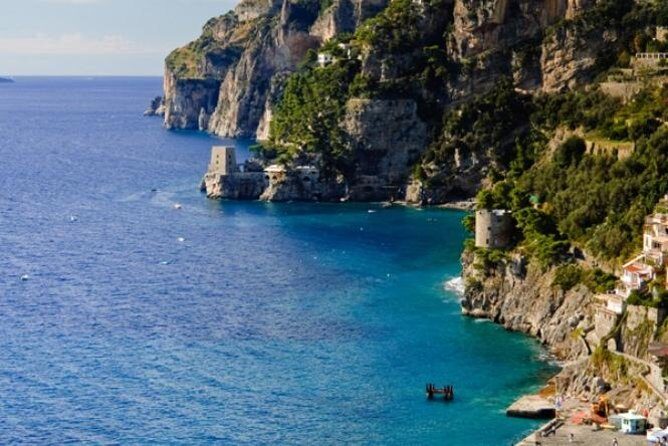
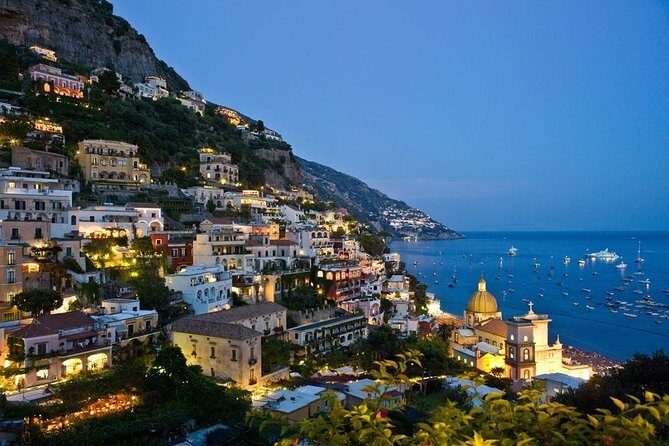
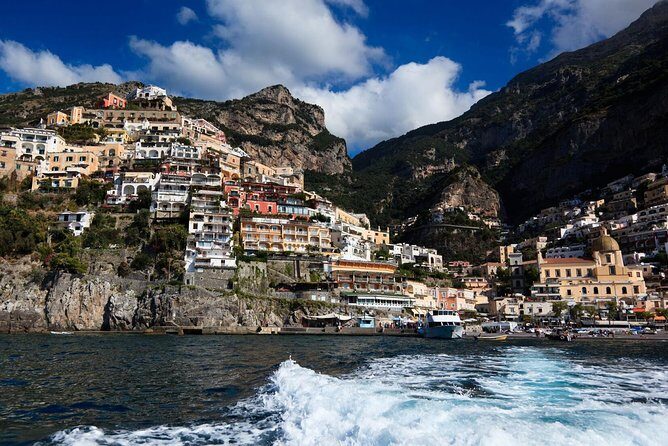
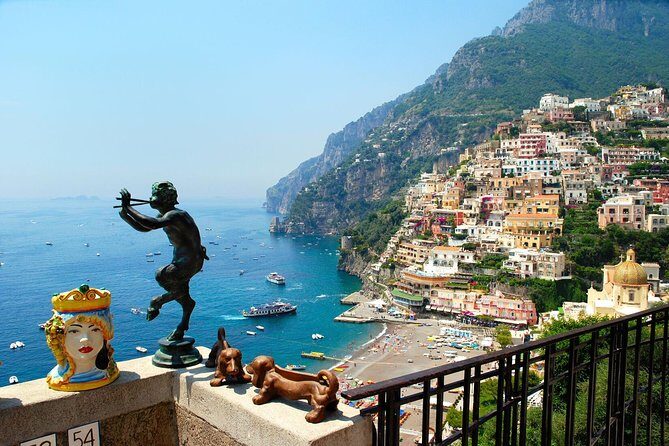
Positano is the headline stop, and the timing reflects that. The schedule lists about 2 hours here, though real-world timing can vary with transportation connections. The point is not to “see everything.” The point is to get that Positano feeling: hillside houses, narrow lanes, and quick access to the pebble beach area.
Use the time strategically:
- If you want photos, start with the lanes and viewpoints first. The town rises fast, and you don’t want to waste prime light hunting for the “right” angle later.
- If you want to relax, aim for the beach zone early enough that you still have time to cool down and grab a snack.
Wear shoes you can trust. One practical tip that showed up clearly is that getting from the port area to restaurants can involve a lot of steps. People have mentioned around 300 steps in one common restaurant walk. I’d rather you plan for effort than learn about it mid-day when you’re already tired from travel.
Food planning also helps. Food and drinks are not included, and lunch in Positano tends to cost more. If you want a cheaper lunch, you’ll likely do better finding your own place rather than assuming a tour-style meal. And if you skip breakfast, you’ll feel it by the time the day starts asking for stamina.
Amalfi Stop: Cathedral Square Time and Lemon-Inspired Breaks
After Positano, you head to Amalfi. The schedule shows a short stop, about 30 minutes, but timing can flex depending on how ferry and train connections land. That short window is why Amalfi often gets a different kind of experience than Positano: less wandering, more “hit the highlights and move.”
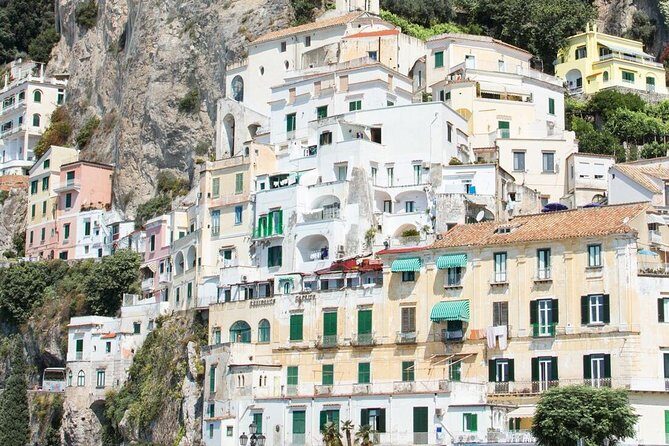
You’re going for the center of town, especially the main square and Amalfi Cathedral (a historic 9th-century church). Even with limited time, this is a satisfying way to anchor Amalfi in something real—not just coastline views.
This is also where people often go straight for the classic flavors. In particular, lemon-based treats show up as memorable in people’s day: things like limoncello sorbet have been called out as a perfect quick break when you only have an hour-ish to spare.
One honest consideration: Amalfi can feel crowded and more “shopping-forward” than you might expect. If your dream is quiet water time, you’ll likely find Positano better for that mood. But for the architecture moment and cathedral-square energy, Amalfi’s short stop can still feel worth it.
Salerno’s Quick Turn: Contemporary Architecture for a Brief Pause
Between the bigger coast moments, there’s a stop in Salerno. The time here is short (about 30 minutes), and the focus is on urban transformation and contemporary architecture projects around the city.
Think of Salerno as a palate cleanser. You’re not going there for a museum day. You’re getting a quick snapshot of how the city is changing and what those modern infrastructure projects look like in a real urban setting.
This is also a good time to reset: bathroom break, water, and a quick look around the area you’re in. Just don’t expect deep exploration. The tour moves in a tight rhythm.






The Small-Group Factor: Guides and Drivers Keep You Moving
This tour runs with a maximum of 15 travelers, which is a sweet spot for a day like this. Too big and you spend your time waiting; too small and you miss the value of shared logistics. Here, you get the advantage: someone is managing train tickets and ferry tickets, and you’re not left holding the bag at every transfer.
You’ll also notice different guides, and the best outcomes often come down to how well the guide manages the group. Names mentioned include Guilia, Jacobo/Jacopo, Joanna, Graziella/Graciella, Grace, and Almudena. Across the board, the praise patterns are consistent:
- clear meeting points and regrouping,
- practical directions once you arrive,
- and a friendly, attentive tone when the day runs long.
One very practical tip that came through: make sure you know exactly where to meet and how to get back to your group if you get separated. Several people emphasized that their guide shared contact info and kept everyone oriented. That kind of organization matters when you’re in towns with narrow streets and crowds.
Also, ferry seating matters. In cases where the ferry is available, guides have been reported as steering people toward better viewpoints, including the top level for coastal views.
There’s one downside to keep in mind. A few people said the guide’s instructions were hard to hear because of volume and posture. That’s not a dealbreaker, but it’s why I’d suggest you stand close when instructions start and don’t rely on hearing every detail from the back of the group.
Transportation Included Means Less Stress, But You Still Need a Comfort Plan
Let’s break down what’s actually covered:
- Roundtrip high-speed train tickets from Rome to Salerno
- Ferryboat tickets
- English-speaking driver
- Spanish-speaking driver
- A guide/driver team that handles the transfer flow
What’s not included:
- hotel pickup and drop-off (you start at Via Marsala 46)
- food and drinks
So where do you get hit by “hidden” costs? Mostly meals. If you choose to eat beachside in Positano, expect higher prices. If you want to keep it reasonable, plan on a lighter lunch or find a simpler spot on your own during free time.
Comfort planning is the other half. The day can feel long even when the transport works smoothly. If you tend to get cranky when you’re warm, bring layers you can handle at terminals and on boats. If you’re prone to motion sickness, consider taking what works for you before the ferry portion.
And if the ferry is delayed or canceled due to winds, the day can become more driving-heavy. Several experiences have been reported where the ferry couldn’t run as planned and the itinerary shifted into more land time. That doesn’t ruin the day for everyone, but it can change the “coast by water” feel you’re expecting.
Price and Value: Is $314.97 Worth the Long Transit?
On paper, $314.97 sounds steep for a day trip. In practice, it’s easier to justify because your biggest costs are bundled into the ticketed transport: high-speed rail + ferry rides, plus the operational work of coordinating a tight schedule.
Here’s how to judge value for yourself:
- If you’d otherwise have to figure out train times, buy ferry tickets, and manage transfers on your own, this price starts to feel more reasonable.
- If you love structure because it reduces friction, the small group and included logistics do a lot of heavy lifting.
- If you hate long travel days and you’re hoping for extended time on the water, this price won’t feel like a bargain. You’re paying to “touch the highlights,” not to live there.
Also remember the mental math: food and drinks are not included. Budget for at least one meal plus snacks. If you forget breakfast, you can end up spending more than you planned while waiting for lunchtime.
My “value” takeaway is this: it’s a strong buy if you want maximum Amalfi Coast impact from Rome with minimal planning. It’s not the best buy if you want a relaxed day with lots of time to lounge.
Weather and Route Changes: What to Expect When the Sea Won’t Cooperate
This tour says it runs in all weather conditions, but that doesn’t mean every ferry works the same way. Wind can shut down water travel. When that happens, the itinerary can shift, and you might trade ferry segments for more driving.
That can matter most to your schedule because ferry availability affects how tight the timing is at Positano and Amalfi. People have described situations where transport delays reduced time on the coast, and it’s the kind of trade-off you can’t fully control.
So do two things:
- Keep your expectations flexible. The towns are still worth it even if your water time changes.
- Decide in advance what you’ll do with free time. If you’re set on a beach plan, it helps to have a backup, like a longer walk through lanes and viewpoints if the weather makes swimming less appealing.
The good news: the tour format has proven to be adaptable. In at least one case, even without the ferry plan, the day still included both Positano and Amalfi.
Who This Tour Fits Best (and Who Should Think Overnight)
This is a good match if:
- you’re staying in Rome and want an Amalfi Coast hit without changing hotels,
- you like organized transport and short, focused explorations,
- you’re comfortable with a long day and moderate walking on uneven terrain,
- you want the classic “Positano + Amalfi” pairing.
It might not fit as well if:
- you’re sensitive to delays and need long, uninterrupted time in one place,
- you want extensive beach time and long lunches,
- you dislike stairs and big elevation changes (Positano definitely asks for effort).
For some people, the best move is to do this as a taste, then return later for an overnight stay. But if this is your only shot from Rome, a well-run small-group day trip can still deliver exactly what you came for.
Should You Book This Amalfi Coast Day Trip From Rome?
I’d book it if you want a practical way to see Positano and Amalfi in one go, with transport handled for you and a group size that helps the day run smoothly. The included train and ferry tickets plus the small group are the core value.
I wouldn’t book it if you’re hoping for a leisurely coast day where the schedule practically disappears. The day is long, the towns are crowded at peak times, and the ferry can be affected by wind, which can reshape how much time you get where you want it most.
If you do book, my last practical advice is simple:
- Eat breakfast before you leave Rome.
- Pack a comfort plan for warmth and waiting.
- Wear shoes that can handle stairs and cobblestones.
- When instructions start, move closer so you catch every key detail.
FAQ
What towns are included on the tour?
You visit Positano and Amalfi as the main stops. There is also a shorter stop in Salerno during the day.
How long is the day trip?
The duration is about 13 hours.
What transport is included from Rome?
The tour includes roundtrip high-speed train tickets Rome–Salerno and ferryboat tickets.
How big is the group?
This tour has a maximum of 15 travelers.
Is the tour offered in English?
Yes, it’s offered in English, with an English-speaking driver.
Where do I meet the tour, and where does it end?
You start at Via Marsala, 46, 00185 Rome. The tour ends at Roma Termini around 9:00 pm approximately.
Does the tour include hotel pickup and drop-off?
No. Hotel pickup and drop-off are not included, so you’ll need to reach the meeting point yourself.
Do I need to pay for admission at the stops?
Admission is listed as free for Positano, Amalfi, and Salerno on the provided schedule.
What should I bring since food and drinks aren’t included?
Bring your own food or budget for meals on your own. Food and drinks are not included.
What happens if the weather disrupts the trip?
The experience can be subject to changes for logistical operational reasons. If the tour is canceled due to poor weather, you’ll be offered a different date or a full refund.