Rome makes sense faster with a guide. This tour threads powerful Roman families through famous stops like Trevi Fountain and the Pantheon, with story beats that include scandal, corruption, and war and betrayal. I especially like how it pairs big-name landmarks with off-the-map access, plus the included Papal Private Gardens admission that turns a normal walking tour into something you can’t DIY.
You’ll also get a distinctly theatrical style from guides such as Iris, Jacopo, and Simone, often with humor and bite. One catch: the tone can be dark, including politically incorrect jokes, so if you want strictly clean, schoolbook history, this might not be your vibe.
In This Review
- Key highlights I’d prioritize
- Why this Rome walk feels different than a standard route
- Starting at Trajan’s Forum: the right opening scene
- Trajan’s Column to Piazza Venezia: power written in public
- The secret stop and monastery stretch: the city slows down
- Trevi Fountain with a different lens (plus actual break time)
- Sant’Ignazio di Loyola: illusions, ceiling art, and Counter-Reformation drama
- Pantheon to Piazza Navona: sacred scale meets civic theatre
- Papal Private Gardens admission: the bonus that changes the whole walk
- The real value: $3.77 plus tips, not a fixed paid guide
- What makes the guides the deciding factor
- Who should book this tour
- FAQ
- FAQ
- How long is the Rome city center walking tour?
- How much does the tour cost?
- Is this a paid tour or a tip-based tour?
- About how much should I tip?
- Where do I meet the guide?
- What languages are offered?
- Is there free cancellation?
- Should you book this Rome tour?
Key highlights I’d prioritize
- Pay-what-you-want setup where guides work for your tips alone (often 10€ to 50$)
- Off-limits access including a secret stop plus included Papal Private Gardens admission
- A “families and dynasties” lens connecting emperors, popes, artists, and rivals to what you see
- Bold storytelling with scandals, corruption, crime and murder, war, and betrayal
- Face-to-face conversation feel (some groups report no headphones)
- Guide flare like translating older inscriptions when the guide has that skill set
Why this Rome walk feels different than a standard route
Most Rome tours feel like a scavenger hunt: see the sights, get the photos, move on. This one aims for something else—making you understand the city’s power games. You’re walking Rome’s center, but the guide keeps asking the same underlying question: who shaped this place, and how did their influence leave fingerprints in stone, churches, and even fountains?
That’s why the tour isn’t just a list of places. It’s built like a story with characters—emperors and popes, yes, but also the networks around them: artists, invaders, and visionaries. The result is that Trevi Fountain, Piazza Navona, and the Pantheon stop being postcard backgrounds and start acting like clues.
I also like the fact that the walk is short enough to stay fun. At 2.5 hours, you can actually pay attention. You’re not trudging across half the city, and the stops are paced for listening.
You can also read our reviews of more walking tours in Rome


Starting at Trajan’s Forum: the right opening scene
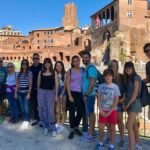
The meeting point is on the steps of Chiesa del Santissimo Nome di Maria al Foro Traiano, right by Trajan’s Column and Trajan Forum. That location matters. You’re starting where Rome’s imperial identity is already present, not where it’s trying to become present later.
From the get-go, your guide frames what you’re about to see: how Rome grew from a settlement into something that ruled an empire and still carries spiritual weight. This makes the walking feel purposeful, not random.
Practical tip: arrive a few minutes early so you’re ready to start on time and can grab an easy spot for the first photo stop.
Trajan’s Column to Piazza Venezia: power written in public
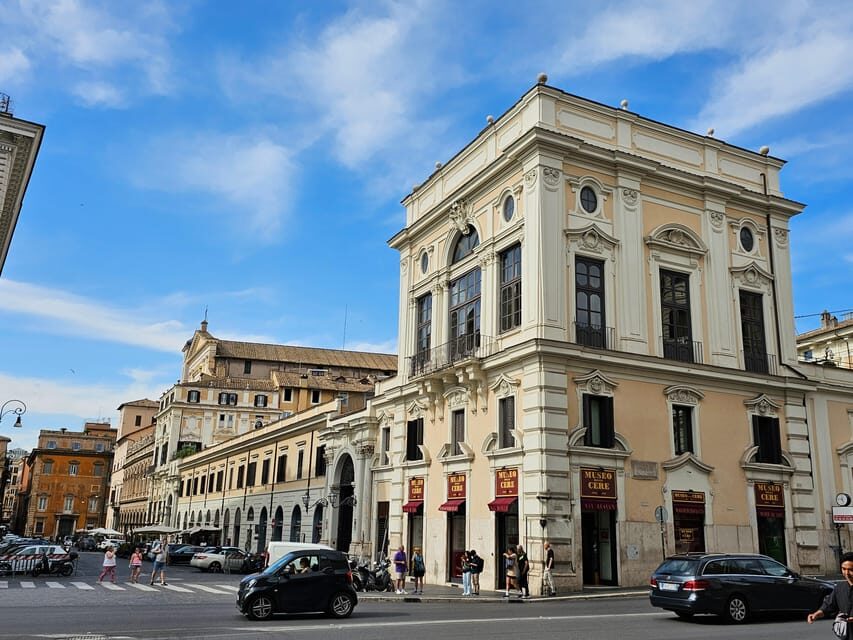
The route then moves through a quick photo stop and guided segment at Trajan’s Column (about 15 minutes), followed by Piazza Venezia (about 5 minutes). Even when the group is just stopping briefly, the guide’s job is to connect the dots: ancient ruins → later church layers → political messaging → public monuments.
This is where the tour’s “families and dynasties” approach really clicks. Rome wasn’t built by one grand plan. It was shaped by people with money, status, and grudges, all stacking their version of the city on top of earlier versions.
Piazza Venezia is also a spot where you can expect your guide to point out things many first-timers miss. The tour overview specifically mentions surprising Egyptian obelisks, and this part of the center is exactly the sort of place where that kind of detail becomes a great payoff.
The secret stop and monastery stretch: the city slows down
Next comes a “secret stop” (about 5 minutes) and then a longer monastery visit (about 25 minutes). This is one of the reasons the tour earns its alternative label. You’re not only following main tourist gravity. You’re being guided to places that feel quieter, more lived-in, and more tied to real power structures than to souvenir shopping.
A monastery stop also changes the atmosphere. The guide can pivot from emperors and civic buildings to religious institutions—how and why churches multiplied, how art and architecture served messaging, and why so much of Rome’s identity is wrapped in faith and politics at the same time.
If you like history but get bored when it turns into names and dates, this portion usually helps. It’s a slower stretch where stories can land.
Trevi Fountain with a different lens (plus actual break time)
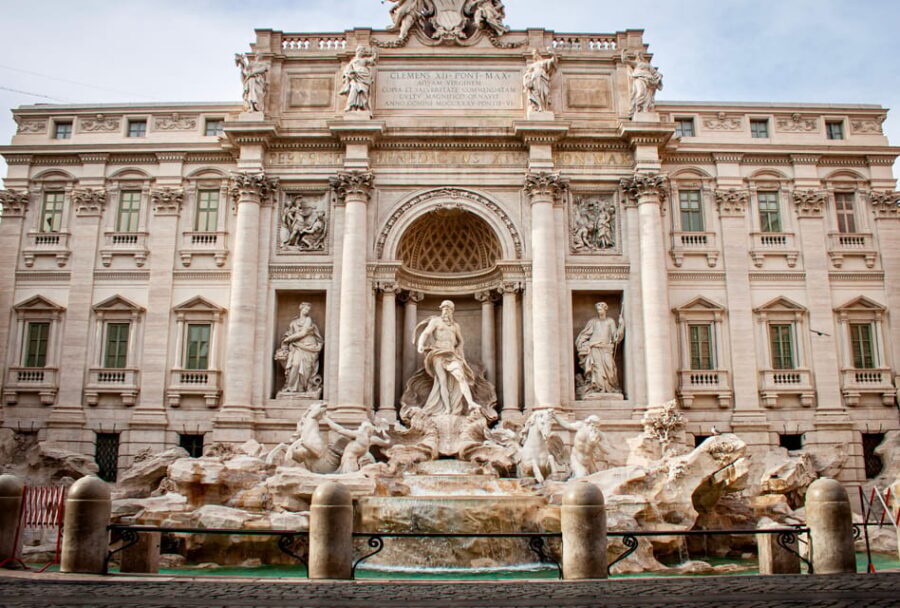
Then you reach Trevi Fountain for a break and a guided photo/visit segment (about 15 minutes). Yes, it’s famous. But the goal here isn’t just to look at it. The guide uses it as a symbol—how fountains became stages for influence and propaganda.
That framing matters because it changes what you notice. You start looking for the logic behind the monument, not just its beauty. The guide also keeps linking big landmarks to the smaller streets around them, so Trevi becomes a starting point for understanding the city’s ongoing obsession with public image.
You’ll get a break time here, which is smart. Rome walking tours often forget that listening takes energy. This one gives you a short reset.
Practical tip: if you want a calmer moment for your photos, treat the “free time” as your window. Don’t wait until the last second.
You can also read our reviews of more city tours in Rome



Sant’Ignazio di Loyola: illusions, ceiling art, and Counter-Reformation drama
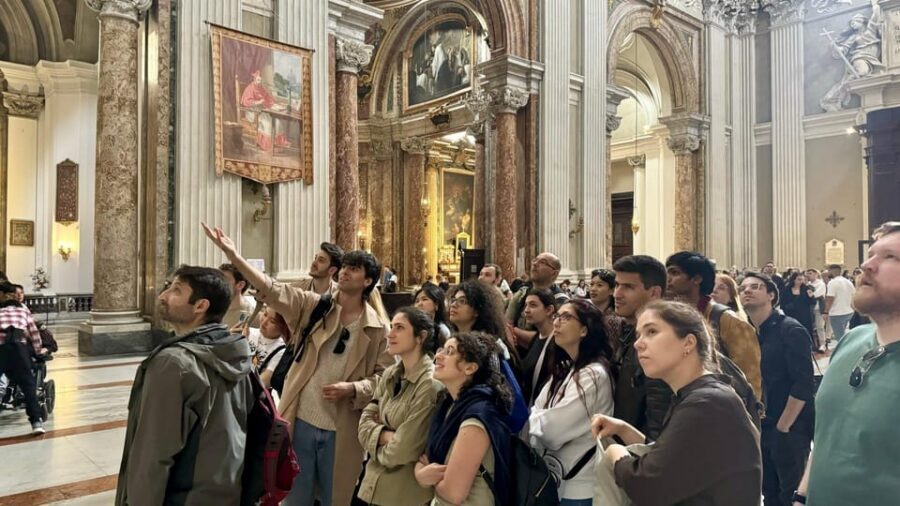
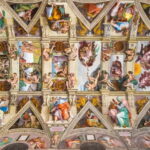
One of the standout stops is the Church of Sant’Ignazio di Loyola (about 10 minutes). This church gets mentioned for its ceiling artwork—one review specifically notes a breathtaking ceiling fresco. More importantly, the tour positions it as part of a bigger story: why Rome has so many churches, and how art, spectacle, and religious messaging traveled together.
This is also where a strong guide style really matters. Guides like Jacopo and Simone are praised for telling stories with humor while staying clear and focused. If you’re the kind of person who likes your history with some sharp edges, this stop tends to deliver.
Also, the tour’s tone can include scandals and corruption right alongside sacred architecture. That juxtaposition can feel surprising—in a good way—because it reflects how messy “power” actually is.
Pantheon to Piazza Navona: sacred scale meets civic theatre
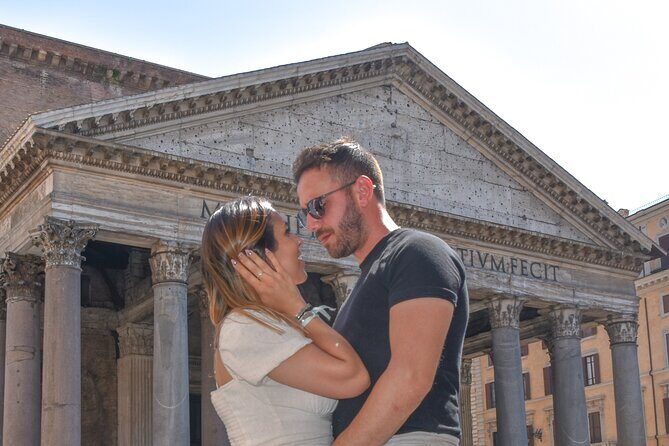
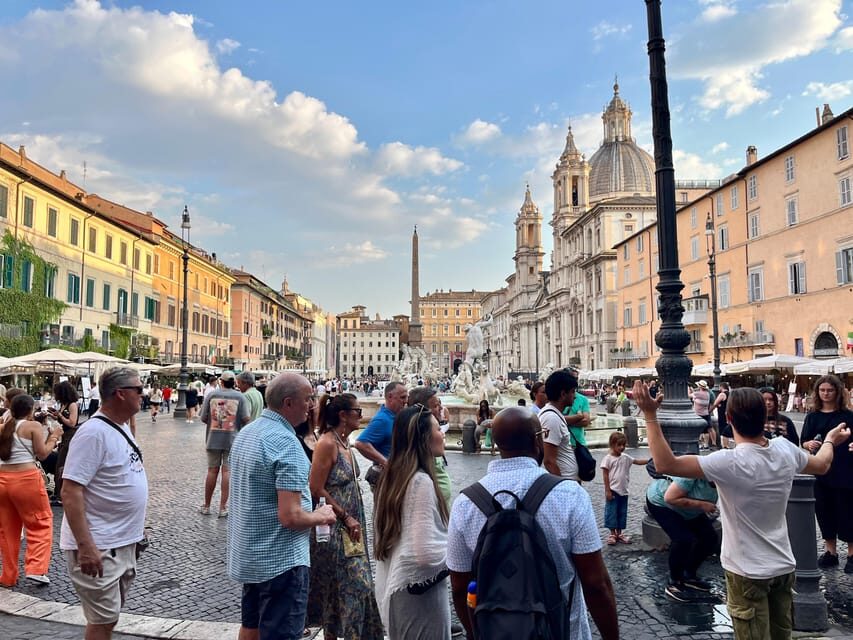
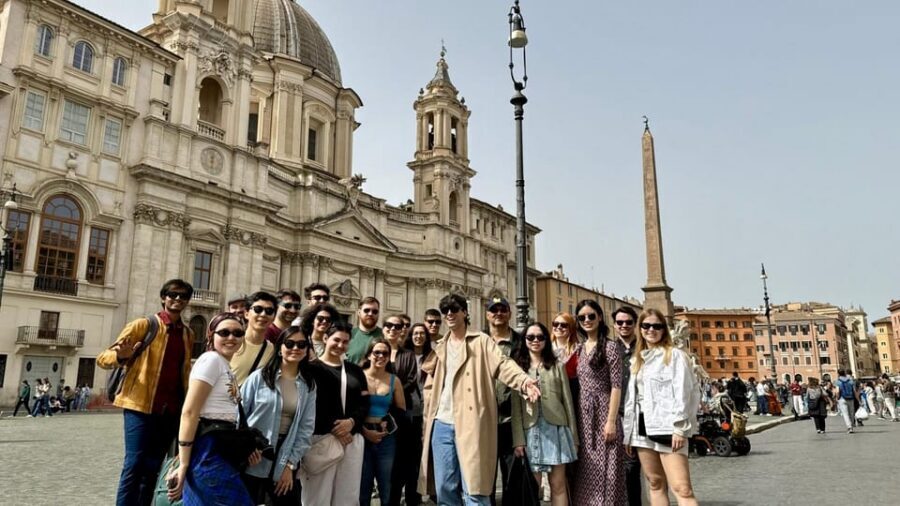
The Pantheon is a short stop (about 5 minutes), then Piazza Navona (about 15 minutes) where the tour finishes. The time at the Pantheon is brief by design; the guide’s attention is on interpretation rather than lingering.
You’ll then use Piazza Navona as the final payoff: a square that works as both civic stage and artistic statement. The guide ties back earlier themes—how Rome’s power keeps reappearing in new forms, from imperial symbols to church influence to public design.
This ending spot is convenient too. Piazza Navona is easy to re-enter on your own after the tour, whether you’re hunting gelato, planning a museum visit, or just wandering in that extra hour when Rome’s streets feel like they’re exhaling.
Papal Private Gardens admission: the bonus that changes the whole walk
This tour includes admission to Papal Private Gardens. You can expect a break from the urban grind—an enclosed, different-feeling pocket of space inside the city’s power ecosystem.
Because the tour is only 2.5 hours, that garden time (however it’s slotted) can feel like the secret sauce. It’s a reminder that Rome isn’t only grand monuments. It’s also control of access: who gets in, who gets to look, who gets to linger.
If you’ve already done the classic Rome loop a couple of times and you’re craving something more personal, this included admission is a strong reason to pick this over another generic route.
The real value: $3.77 plus tips, not a fixed paid guide
The listed price is $3.77 per person, but this is a tip-based, pay-what-you-want tour. Your guide’s income depends on your tips alone. The data you’re given suggests a typical tip range of 10€ to 50$.
So here’s how I’d think about value:
- The small upfront fee signals you’re buying participation, not a traditional fixed-price guide service.
- The experience is effectively priced through your tip decision at the end.
- If you want good storytelling, clear interpretation, and access moments you can’t get on your own, you should budget for tipping accordingly.
Practical tip: if your group has a range of budgets, decide early what your target tip will be. It keeps the end of the walk from turning into an awkward math problem.
What makes the guides the deciding factor
A recurring theme in the feedback is the guide’s performance: humor, energy, and the ability to keep the group connected to the story. Iris is praised for informative delivery with humor. Jacopo is repeatedly described as passionate and open to questions, making the tour branch into related history when people ask. Simone shows up as a standout storyteller with energy.
One review mentions that a guide can read Latin and Ancient Greek and share translations from old marble inscriptions. That kind of detail is exactly what you can’t fake from a standard printed script. It’s also a reason to treat this tour as a live experience, not just a sightseeing checklist.
There’s also at least one story about the guide arranging access to something not normally for public viewing. That again reinforces the big promise: you’re not only walking past sites—you’re being led to moments that require permission, timing, or local relationships.
Who should book this tour
This is a great fit if:
- you’ve seen Rome’s big highlights already and want a different explanation of what you’re looking at
- you like history told as stories, including scandals and political maneuvering
- you prefer a conversation with your guide rather than a headset routine
- you want a compact 2.5-hour plan that still feels like you learned something
It may not fit if:
- you dislike dark humor and politically incorrect jokes
- you want strictly neutral, sanitized storytelling
- you’re planning a tightly scheduled day and need a very predictable, rigid itinerary with zero surprises
FAQ
FAQ
How long is the Rome city center walking tour?
It lasts about 2.5 hours.
How much does the tour cost?
The price listed is $3.77 per person.
Is this a paid tour or a tip-based tour?
It’s tip-based. The guides work on the pay-what-you-want model, meaning you tip at the end what you think it was worth.
About how much should I tip?
The typical tip range given is 10€ to 50$.
Where do I meet the guide?
You meet on the steps of Chiesa del Santissimo Nome di Maria al Foro Traiano, near the Trajan Column and Trajan Forum. The guide holds a tour sign with the tour name.
What languages are offered?
The live tour guide speaks Spanish and English.
Is there free cancellation?
Yes, you can cancel up to 24 hours in advance for a full refund.
Should you book this Rome tour?
Yes, if you want Rome with context—power struggles, family dynasties, and the behind-the-scenes stories that explain why so many monuments look the way they do. The short duration is a plus, and the included Papal Private Gardens admission is a clear upgrade over a basic city walk.
If you only want bright, gentle sightseeing and you’re sensitive to dark humor, you might want a more straightforward tour style instead. Otherwise, this is a smart choice for anyone who’s curious how Rome became Rome—and why its influence still feels alive when you walk those streets.