REVIEW · COLOSSEUM TOURS
VIP Tour of Rome (3/5/8hrs) Colosseum & Vatican Museums
Book on Viator →Operated by Limousine Service in Italy · Bookable on Viator
Rome’s big icons, handled right.
This VIP day is built for smooth timing: you get Mercedes van pickup (or a golf cart when that’s the mode) and a licensed guide who can tailor the pace to your interests. I like that it stays practical—your driver gets you to the right door at the right moment—while your guide keeps the focus on what matters most, like how Nicola, Nadia, and Patricia explained the Vatican and Roman ruins in a way that made the sites click.
The other big win is the level of attention: it’s a private tour with no group mixing, so you can ask questions and keep moving without the big-bus vibe. The only real catch is budget: major attractions have separate admission costs, and St. Peter’s Basilica is handled differently than the rest of the day.
In This Review
- Key things to know before you go
- VIP means logistics that actually work in Rome
- Pick your tour length: 5 hours vs 8 hours (and what you gain)
- Vatican Museums and Sistine Chapel: where the time savings matter
- St. Peter’s Square: big views, short stop, smart perspective
- Colosseum: seeing the icon without wrestling the crowds
- Roman Forum and Palatine Hill: the power center you can actually read
- Pantheon: a quick visit that still feels like a wow moment
- Trevi Fountain and the coin ritual: touristy, but why it persists
- Circus Maximus and the Capitoline Hill view: ancient scale in small doses
- Classic Rome walks: Piazza Venezia, Via del Corso, Spanish Steps, Navona
- Transport choice: van vs golf cart (and why it can change your day)
- Price and value: what you’re paying for at $580.72 per person
- Practical tips that prevent common Rome problems
- Who this VIP tour fits best
- Should you book this VIP VIP Rome tour?
- FAQ
- Which tour length includes Vatican Museums and the Sistine Chapel?
- Which tour length includes the Colosseum?
- Are entrance fees included in the price?
- Is St. Peter’s Basilica included with the tour?
- What are the dress code rules?
- Do I need to provide my full name for tickets?
- Is the Vatican Museums visit affected by the day of the week?
- What’s the pickup arrangement from the airport?
Key things to know before you go
- Private-by-design pacing: you won’t be merged into other groups, so your time stays yours.
- Length choices matter: Vatican Museums + Sistine Chapel are only in the 8-hour option; Colosseum is only in the 5- or 8-hour option.
- Transport gets you close: luxury Mercedes or golf cart transfers are included, which saves time on Rome’s crowded streets.
- Admission fees are extra: Vatican Museums, Colosseum, St. Peter’s Basilica, and Pantheon each have separate entry fees.
- Dress code is strict: knees and shoulders must be covered for churches and selected museums.
VIP means logistics that actually work in Rome
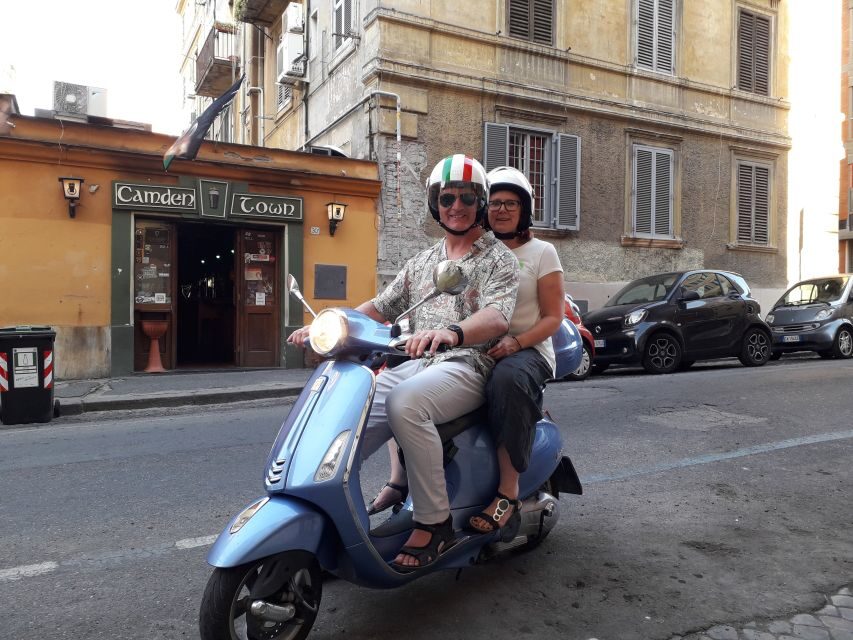
Rome is gorgeous, but it’s also crowded, full of bottlenecks, and heavy on walking. This tour is interesting because it treats those realities like part of the plan, not an inconvenience. You meet your guide at your hotel, private apartment, B&B, or train station inside Rome, and transfers are handled by a professional driver in a luxury Mercedes van or car, plus golf cart options depending on your schedule.
What I like most is the balance between structure and freedom. You get a guided visit that explains the big landmarks, but you also have room to adjust the order, linger where you care, and skip what you don’t. With guides like Nicola and Laura managing time well, the day doesn’t feel like a sprint—it feels organized.
The main drawback to plan around: the base price does not include entry tickets for the biggest sites, so you should treat that add-on as part of the real cost.
You can also read our reviews of more tours and experiences in Rome
Pick your tour length: 5 hours vs 8 hours (and what you gain)
This experience comes in different durations, roughly from 3 to 10 hours, and the must-see parts are tied to specific lengths.
Here’s the key rule for planning:
- Vatican Museums and the Sistine Chapel are only included in the 8-hour tour.
- The Colosseum is only included in the 5- or 8-hour tour.
So if Vatican City is your priority, you’re basically choosing the 8-hour option. If you want ancient Rome first—Colosseum, Roman Forum, Palatine Hill—then the 5-hour version likely fits better. Either way, you’ll still be guided through classic “greatest hits” stops across central Rome, with transfers reducing the distance you’d otherwise have to cover on your own.
Vatican Museums and Sistine Chapel: where the time savings matter
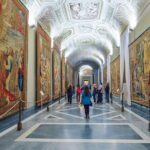
The Vatican Museums are the kind of place that can swallow a day if you’re not careful. This tour keeps the focus on the sections that people most want to see, with a guide who helps you choose what to prioritize before you walk the long route to the Sistine Chapel entrance.
You’ll be looking at major highlights collected by the Popes since the Renaissance era—statues, paintings, sarcophagi, and mosaics—then you roll toward the famous corridor that leads to the Sistine Chapel. The guide role here is important: these rooms can feel endless, so having someone explain what you’re seeing helps you avoid that head-in-a-guidebook fatigue.
For the Sistine Chapel itself, the rules are real: no speaking and no photos or videos. The guide gives you time to appreciate the ceiling work—especially Michelangelo’s panels—and you’ll get context for the Last Judgment and the Genesis scenes before you’re in that quiet, eyes-up zone.
A practical note: the admission ticket is not included in the tour price. You’ll also want to check your calendar because the Vatican Museums are always closed on Sunday.
St. Peter’s Square: big views, short stop, smart perspective
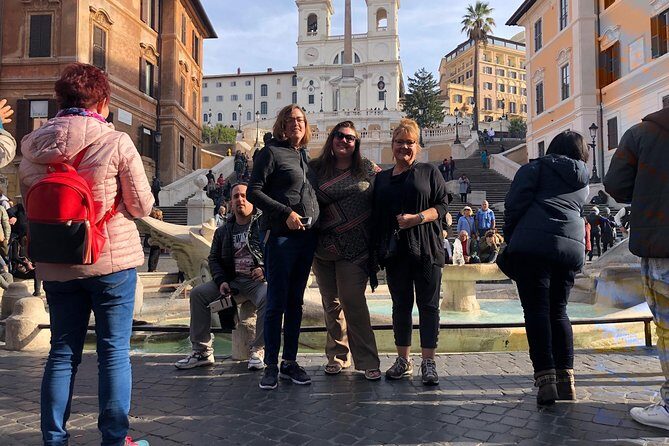
After the museum portion, the tour typically shifts to St. Peter’s Square. It’s famous for good reason: Bernini’s colonnade frames the space in a way that makes you feel like you’re part of the story. There’s also an Egyptian obelisk in the center that dates back to ancient Rome, originally linked to the circus of Emperor Nero.
This stop is short, but it works as a “reset.” You’ve been in galleries with crowds and rules; St. Peter’s Square is open air, and the guide can point out where to stand for the best angles and key details.
If you’re hoping to spend real time inside the Basilica: pay attention to how this tour handles it (details are in the FAQ and practical tips below).
Colosseum: seeing the icon without wrestling the crowds
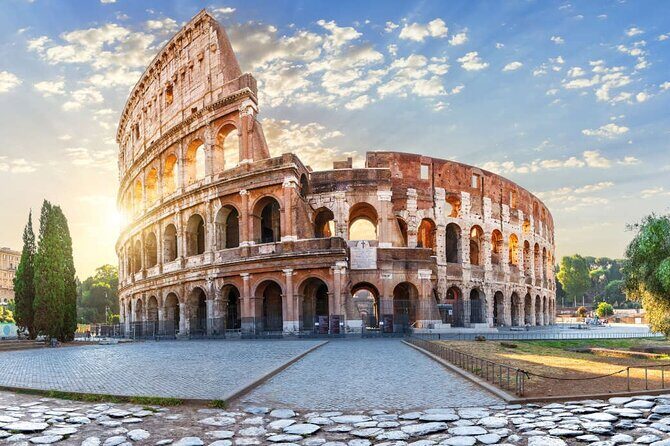
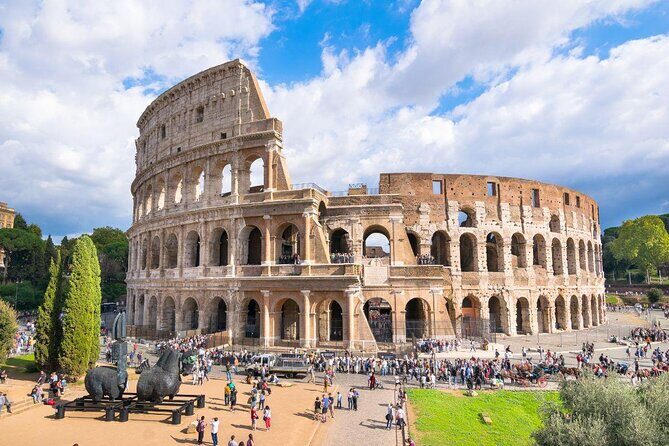
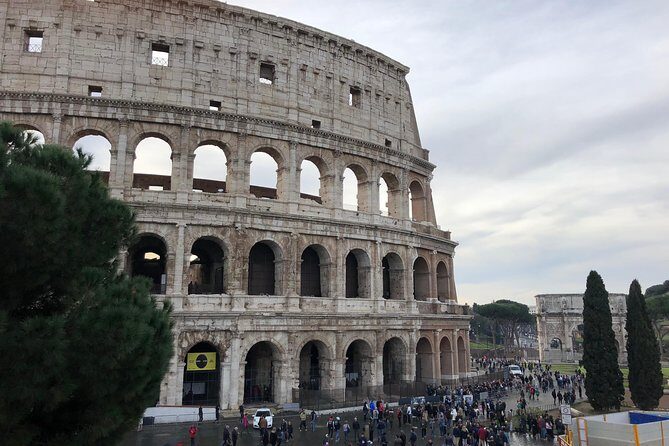
The Colosseum is Rome’s most recognizable symbol, built between A.D. 70 and 72 under Emperor Vespasian. It’s also the kind of site where timing and entry strategy matter. This VIP approach helps because your guide and driver plan around the flow of visitors, not against it.
You’ll spend about an hour here, focusing on what the amphitheater actually was: the ancient world’s massive, advanced arena for gladiatorial games and hunting events. The “wow” is instant, but it’s the interpretation that makes it last. A strong guide connection helps you connect the building to the people and politics behind it, and it also keeps you moving in a way that’s less frustrating than wandering.
Admission is not included, and the tour company notes that tickets may be in short supply at booking time. If you want skip-the-line-style entry, you generally need to request it—your guide may carry the tickets, and you’ll pay the cash portion directly to them.
You can also read our reviews of more museum experiences in Rome



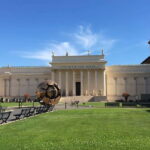
Roman Forum and Palatine Hill: the power center you can actually read
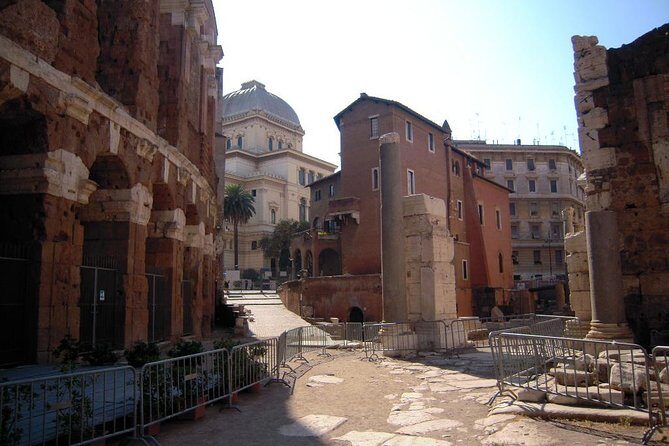
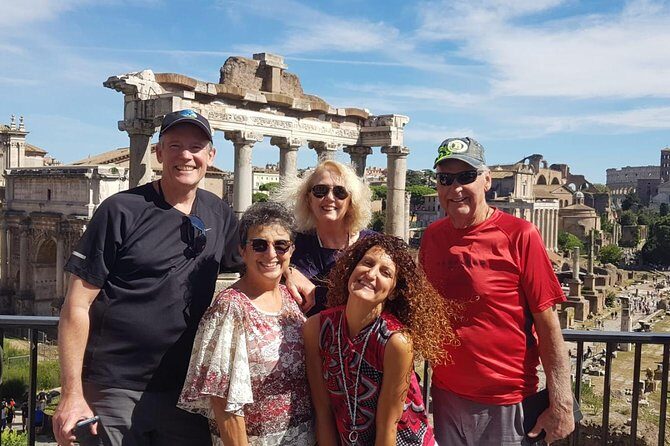
Just outside the Colosseum bubble is where Rome gets “real.” The Forum was the political center—the place where the city’s story plays out through centuries. Even a short stop can help you understand how Rome went from a settlement to an empire.
Palatine Hill is the next step up in both importance and atmosphere. It’s considered the centermost of Rome’s Seven Hills and has a reputation as the first nucleus of the Roman Empire. Here, you’re in the open-air museum zone, with the Palatine Museum nearby for finds from excavations.
Your guide can point out why the hill mattered before imperial palaces took over—before Augustus and the emperors built their residences, the area held wealthy homes. This contrast helps you look at the ruins as a living changing landscape, not just broken stone.
Pantheon: a quick visit that still feels like a wow moment
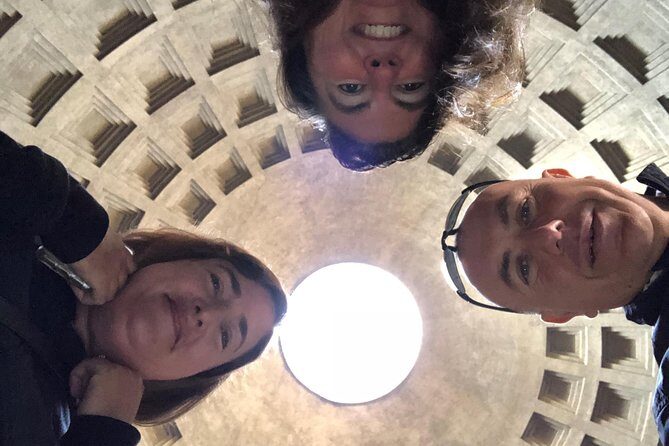
The Pantheon is one of those buildings that makes people stop talking. It dates to 25 B.C. via Marco Agrippa, then later Emperor Hadrian rebuilt it in the form many visitors still recognize today. The star here is the open dome—an engineering flex that survives almost 2,000 years later.
This tour usually gives you a short stop (around 15 minutes). That’s not long enough to read everything, but it’s enough to step inside and appreciate the space and scale. Since admission is also an extra cost, this is a great place to decide how much you care about interior time versus grabbing photos outside.
Trevi Fountain and the coin ritual: touristy, but why it persists
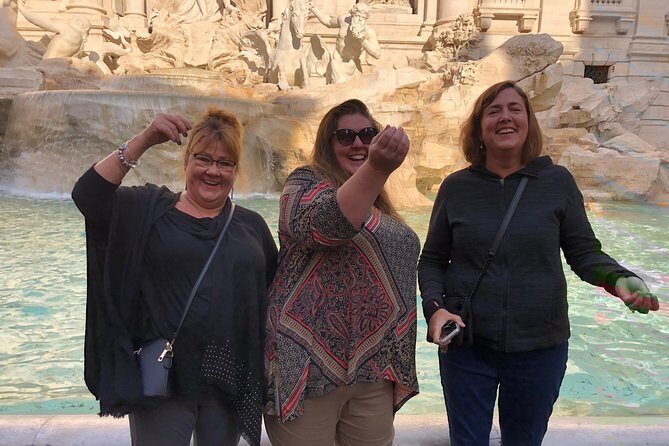
Trevi Fountain is famous for a reason: it’s the most recognizable fountain in Rome, and it sits at a junction fed by the Acqua Virgo aqueduct. The guide helps you understand why it matters in the city’s water system, not just its postcard looks.
You’ll have time to see it and do the coin toss. It’s become a ritual, but it’s still a fun moment if you approach it like a quick photo stop plus a brief explanation of why this site exists where it does. Admission is free for the fountain area.
Circus Maximus and the Capitoline Hill view: ancient scale in small doses
Circus Maximus is another free stop that helps you “zoom out” from the Colosseum. It was a chariot-racing stadium and entertainment venue in ancient Rome, located in the valley between the Aventine and Palatine Hills. The view and the flat openness make it easier to grasp how massive the entertainment spaces were.
Then you may head toward Piazza del Campidoglio on the Capitoline Hill. From the top, your guide can show you the Roman Forum ruins below and explain the Capitoline’s role as the political and religious heart of the city. The photo opportunities are excellent because your vantage point makes the ruins easier to understand as part of a wider city plan.
Classic Rome walks: Piazza Venezia, Via del Corso, Spanish Steps, Navona
After the big monuments, the tour shifts toward the Rome that feels like strolling.
- Piazza Venezia / Ancient City hub: it’s where multiple thoroughfares intersect, including Via dei Fori Imperiali and Via del Corso.
- Via del Corso: a major straight street cutting through the historic center, flanked by smaller alleys and piazzas.
- Spanish Steps: a steep set of 135 steps connecting Piazza di Spagna and Piazza Trinità dei Monti. The funding story ties to Étienne Gueffier and diplomatic influence between France and Spain.
Then comes Piazza Navona, built over the ruins of Domitian’s stadium area. The square’s layout makes it feel like Rome’s Baroque style meets ancient bones. The Four Rivers fountain by Bernini is the centerpiece.
Finally, Campo de’ Fiori adds a different flavor: it’s a rectangular square south of Navona. The name literally means field of flowers, with medieval roots, and in ancient times the area served as unused space between Pompey’s Theatre and the flood-prone Tiber.
These stops are typically short, but they work because the driver drops you near the right blocks and your guide keeps it moving without turning your feet into hamburger.
Transport choice: van vs golf cart (and why it can change your day)
You might be offered travel via luxury Mercedes van or golf cart. Both can work, but I’d plan based on comfort and practical reality.
One big advantage of the van is control: it’s easier to hear a guide over road noise, and climate comfort is often better when Rome weather turns. A golf cart can feel fun, but if it rains or if windows get foggy or hard to see through, it can make sightseeing less enjoyable. For most people, the van feels like the safe default—especially when you’re visiting the most crowded sites of the day.
Either way, the value is the same: you’re not spending your limited hours fighting traffic and searching for pickup points.
Price and value: what you’re paying for at $580.72 per person
At $580.72 per person, this isn’t a budget “see Rome fast” deal. The value comes from a few specific things you don’t get on DIY days:
- private guiding instead of crowd-leading lectures
- hotel (or apartment) pickup and drop-off included
- transfers via professional driver to cut down transit time
- a flexible route adjusted to your interests
Then you add the ticket reality. Entrance fees are listed separately for major sites, including Vatican Museums and the Sistine Chapel (€60 per person), the Colosseum (€40 per person), Pantheon (€10 per person), and St. Peter’s Basilica (€10 per person) (with special handling, explained next).
So the honest way to plan is: treat the published price as your “VIP service layer,” then budget for entry fees and any lunch you choose. If you’re going for the biggest hits in one day, that bundle often beats paying for multiple tickets plus spending half your day stuck in lines or hunting meeting points.
Practical tips that prevent common Rome problems
This tour has some clear rules you’ll want to follow to avoid entry issues or slowdowns.
Dress code matters. For churches and selected museums, knees and shoulders must be covered for both men and women. No shorts. No sleeveless tops. If you show up unprepared, you risk being refused entry.
Names and IDs must match. You’ll need passport or ID documents that match the full names provided at booking. In particular, this matters for the Colosseum and Roman Forum entry process.
Vatican rules can affect your comfort. Earphones are mandatory for groups larger than 4 inside the Vatican Museums and Sistine Chapel, and earphones rental costs €5 per person. Your group might be smaller, but if you’re a larger party, plan for that extra.
Skip-the-line requests may need to be coordinated. The company says you can request skip-the-line ticket help for the Colosseum and Vatican sites (and they’ll handle tickets if still available). Tickets are paid by cash directly to your guide.
St. Peter’s Basilica is tricky. The tour doesn’t include Basilica entry in the same way as other stops, and the guide will not enter with you. The Vatican’s updated process requires personal data entry for each visitor, and the tour company says that complexity prevents them from purchasing Basilica tickets the usual way. If you want Basilica access, you’ll be directed to buy tickets yourself.
Also: Vatican Museums are closed on Sunday, so if your dates land on a Sunday, your plan should change.
Who this VIP tour fits best
This is a strong fit if:
- you have limited time and want Colosseum + Vatican options in one day
- you dislike figuring out logistics across multiple pickup points
- you prefer a guide to explain what you’re seeing as you go
It also works well for families and first-time visitors who want a guide-led route that prevents wandering in the wrong direction. If your group includes people who struggle with hearing guides in noisy outdoor spots, you’ll likely be happier with the van over a golf cart.
Should you book this VIP VIP Rome tour?
Book it if your priority is a private, guided hit list—Colosseum (5 or 8-hour) plus Vatican Museums and the Sistine Chapel (8-hour)—with smooth transfers and minimal time wasted. The included pickup, private format, and guide-driven timing make it feel like the day is under control, even when Rome isn’t.
Skip or adjust your plan if:
- you’re allergic to extra ticket fees (because they add up quickly)
- you specifically want St. Peter’s Basilica inside this tour, without any separate ticket steps
- you’re visiting on a Sunday and Vatican Museums access matters
If you’re aiming for the maximum “Rome in one day” value and you’re okay budgeting for entrances, this VIP tour is one of the more sensible ways to do it.
FAQ
Which tour length includes Vatican Museums and the Sistine Chapel?
The Vatican Museums and the Sistine Chapel can be included only in the 8-hour tour.
Which tour length includes the Colosseum?
The Colosseum can be included only in the 5-hour or 8-hour tour.
Are entrance fees included in the price?
No. Entrance fees are not included. The tour lists extra costs for Vatican Museums and the Sistine Chapel (€60 per person), the Colosseum (€40 per person), St. Peter’s Basilica (€10 per person), and the Pantheon (€10 per person). Lunch is also not included.
Is St. Peter’s Basilica included with the tour?
St. Peter’s Basilica is not included as part of the guided tour entry. If you want to enter, the information provided says you should purchase tickets yourself and that the tour guide will not enter with you.
What are the dress code rules?
You must cover knees and shoulders for both men and women when entering churches and selected museums. Shorts or sleeveless tops risk refused entry.
Do I need to provide my full name for tickets?
Yes. The full names of all travelers are required when booking, and the passport or ID document must match the name used for entry (especially for the Colosseum and Roman Forum).
Is the Vatican Museums visit affected by the day of the week?
Yes. The Vatican Museums are always closed on Sundays.
What’s the pickup arrangement from the airport?
If you’re picked up from FCO or CIA airport (one-way), there is an extra charge of EUR 120 cash per van. For Rome-area lodging and ports, pickup is included from places like hotels, apartments, B&Bs, train stations inside Rome, and the Port of Civitavecchia.