REVIEW · HISTORICAL TOURS
The Spritzy Tour – History is better with a Spritz!
Book on Viator →Operated by Vineyarts · Bookable on Viator
Rome turns evening into a ritual.
This Spritzy Tour is a smart way to combine sightseeing with aperitivo culture—the pre-dinner habit of meeting up, sipping something fizzy, and trading stories. I like that you’ll get a small group (max 15) and an English guide, plus a chance to ask questions and get drink-and-food ideas for the rest of your stay. One thing to consider: it starts at 6:00 pm, so it’s not ideal if you want an early evening plan, and you’ll be sampling alcohol as part of the experience (two Spritz are included).
What makes it feel special is the guide’s style. In the reviews, guide Ana gets repeatedly praised for mixing fun with real details—facts about both the sights and local drinks, delivered in a way that keeps the walk moving. The main drawback I’d flag is that the route is a pub-and-piazza style evening: you’ll be walking and stopping often, so wear shoes you can handle for a couple hours plus.
In This Review
- Key Things You’ll Notice on This Spritzy Tour
- Aperitivo + History in Rome, Without the Guesswork
- Price and What You Actually Get for $57.99
- Meeting at Ponte Sant’Angelo and Ending at Campo de’ Fiori
- Stop-by-Stop: What Each Moment Is For
- The Popes Fortress: Big City Drama, Up Close
- The Holy City: Why Rome Feels Like a Destination
- The Pilgrims Final Road: Turning History Into a Sense of Place
- The Church Erected for the Crying Painting: Faith Meets Folklore
- Piazza Area With Bernini’s Fountain of the Four Rivers: The Photo Stop, With Context
- Rome’s Hub for Nightlife and Restaurants: The Night Starts Here
- Two Spritz Included: How to Order Like You Belong
- Small Group Energy: Why It Feels More Personal
- Who This Tour Suits Best (And Who Might Skip It)
- My Take: Should You Book the Spritzy Tour?
- FAQ
- How long is the Spritzy Tour?
- Where does the tour start and end?
- What language is the tour offered in?
- What drinks are included?
- How many people are in the group?
- Can I cancel for a full refund?
Key Things You’ll Notice on This Spritzy Tour
- Two included Spritz that keep the vibe social and the timing easy
- Max 15 people, so questions don’t get lost in a crowd
- English guide with Rome-specific aperitivo know-how
- A stop-by-stop mix of faith and food-city Rome, from pilgrimage sites to famous squares
- Local nightlife and restaurant area close to the end point, so you can keep going after
Aperitivo + History in Rome, Without the Guesswork
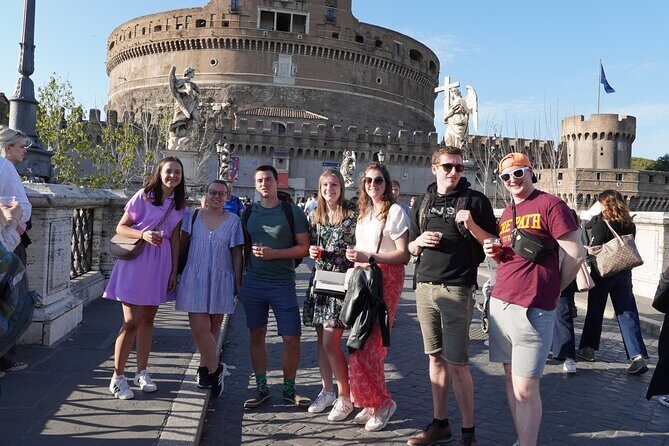
Rome has a way of making evenings feel like they come with instructions. This tour basically hands you those instructions—when to arrive, what to order, and how the city’s social scene connects to its landmarks.
You’re not just chasing photos. You’re learning how the aperitivo tradition works in real life: it’s an excuse to slow down, grab a drink, and soften the day before dinner. And since two Spritz are included, the “what should I drink?” question is solved early instead of turning into a frustrating search after a long day.
I also like that this experience is built for conversation. With a guide like Ana mentioned in reviews, the focus isn’t a lecture. It’s a guided walk where you can ask for practical ideas, then immediately use them.
That’s where the value lives: sightseeing plus a social skill set for the rest of your trip.
You can also read our reviews of more historical tours in Rome

Price and What You Actually Get for $57.99
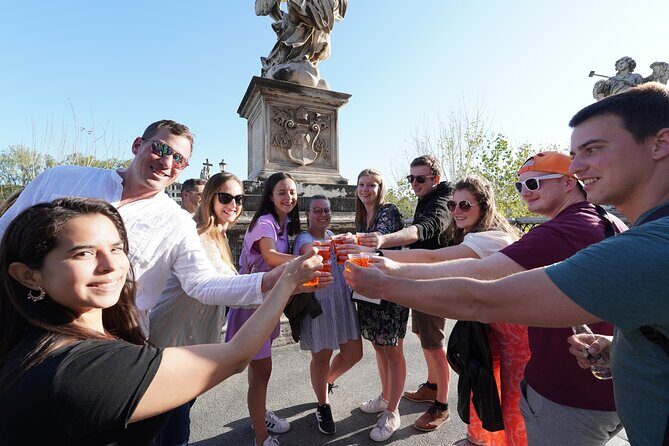
At $57.99 per person, you’re paying for three things: a timed evening walk, an English guide, and two Spritz included in the price. That combination matters because it bundles costs that would otherwise show up separately—especially the guide part, which makes the stops easier to understand.
Also, the group size is capped at 15 travelers. Smaller groups usually mean you spend less time waiting and more time hearing and asking. For a 2.5-hour experience, that pacing can feel like you get your money’s worth faster.
The one budget note: tips aren’t included. If you’re the type who tips based on how the guide performs, factor that in so you’re not deciding on the spot.
Meeting at Ponte Sant’Angelo and Ending at Campo de’ Fiori
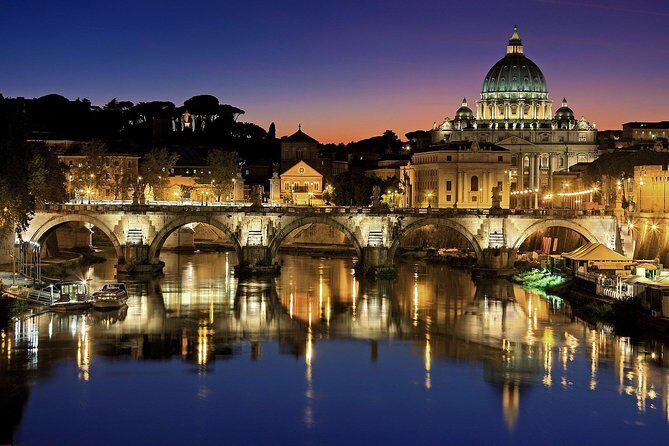
The tour starts at Ponte Sant’Angelo (St. Angelo Bridge) at 6:00 pm and ends at Piazza Campo de’ Fiori. That route is convenient for two reasons.
First, you’re starting near a major, obvious landmark that’s easy to find. Second, you finish in a classic central Rome area where you can keep the night going without needing another transit plan.
You’ll also want to plan for a few practical things. It’s a walking tour, and it’s timed for evening. If you’re arriving late in the day, give yourself enough cushion to get to the bridge before 6:00 pm—Rome evenings move fast once people spill out.
One more detail that’s worth knowing: the tour uses a mobile ticket. Bring your phone and make sure it’s charged.
Stop-by-Stop: What Each Moment Is For

This is where the tour earns its name. Each stop isn’t random—it’s chosen to connect the city’s “what you see” with the city’s “how people live.”
You’ll move through a sequence that blends Roman religious atmosphere, pilgrim storytelling, and then a shift toward the places where people actually hang out at night.
The Popes Fortress: Big City Drama, Up Close
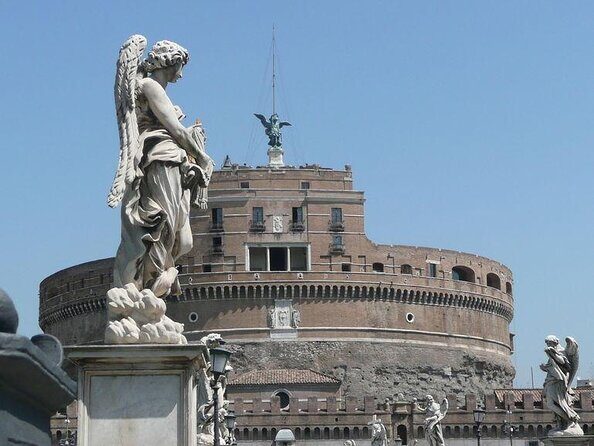
Your first stop is the Popes fortress near the meeting point. Even without getting lost in details, this start sets a tone: Rome at evening has a theatrical feel, and this area naturally lends itself to it.
What I like about beginning here is contrast. You start with a powerful, history-laced structure and then you’ll gradually head toward softer, social spaces where you can enjoy the drink part of the experience.
Potential consideration: if you’re hoping for quick, light sightseeing with minimal walking, this kind of start can feel weighty. But it also makes the later aperitivo feel more satisfying.






The Holy City: Why Rome Feels Like a Destination
Next comes the Holy City stop. The point here is perspective. Rome isn’t just buildings; it’s also a city shaped by faith, ritual, and movement—people coming with intention, not just curiosity.
This is the kind of stop where a good guide helps you see why the streets and sights matter. You’re better able to read Rome when you understand what it meant to pilgrims and visitors before modern tourism took over.
If you like stories that connect religion to real city life, you’ll probably enjoy this part.
The Pilgrims Final Road: Turning History Into a Sense of Place
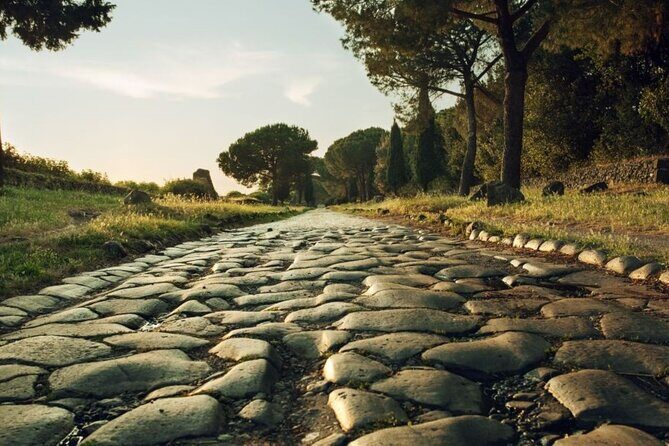
After that, you’ll hear about the pilgrims final road. This is one of those moments where you get more than a location—you get a pathway.
Instead of treating Rome like a “checklist city,” this stop helps you imagine the journey people once made. That’s especially useful because Rome can feel dense on your own. A guided route acts like a mental map.
Practical tip: keep your questions ready here. If you’re curious about where pilgrims moved, what they sought, or why certain streets draw attention, this is the time to ask.
The Church Erected for the Crying Painting: Faith Meets Folklore
Then there’s the church erected for the crying painting. The phrasing alone signals the vibe: this isn’t abstract history. It’s a story-driven detail—one of those Rome moments where belief, art, and emotion overlap.
This stop can be a highlight if you enjoy the human side of history: legends and accounts that shaped how people viewed a place. It also makes the experience feel less like a “facts only” tour and more like a walk through how people made meaning in the city.
Consideration: if you prefer strictly famous monuments and want minimal storytelling, this might feel a little niche. But the payoff is that it’s exactly the sort of detail you’d likely miss on your own.
Piazza Area With Bernini’s Fountain of the Four Rivers: The Photo Stop, With Context
You’ll reach the most famous square in the world, known for Bernini’s masterpiece, the Fountain of the Four Rivers. Even if you’ve seen the fountain in pictures, a live visit hits harder. The scale and energy around it are hard to replicate anywhere else.
The guide value here is context. Knowing what you’re looking at makes the fountain more than a landmark. You’ll notice details faster, and you’ll understand why this location became such a magnet for crowds.
This is also a good place to pause and re-orient. Take a moment, look around, and let the energy register before you move on.
Rome’s Hub for Nightlife and Restaurants: The Night Starts Here
The final stop is Rome’s hub for nightlife and restaurants near the end point. This timing is smart. By the time you finish, you’re set up to do what Rome does best: keep moving toward dinner, not away from it.
This last stretch matters because it helps you transition from guided time to free time. Instead of ending your evening with a bus stop or a dead-end, you finish in an area where your guide’s advice can turn into real plans fast.
If you want to make your first night in Rome feel less chaotic, this ending helps a lot.
Two Spritz Included: How to Order Like You Belong
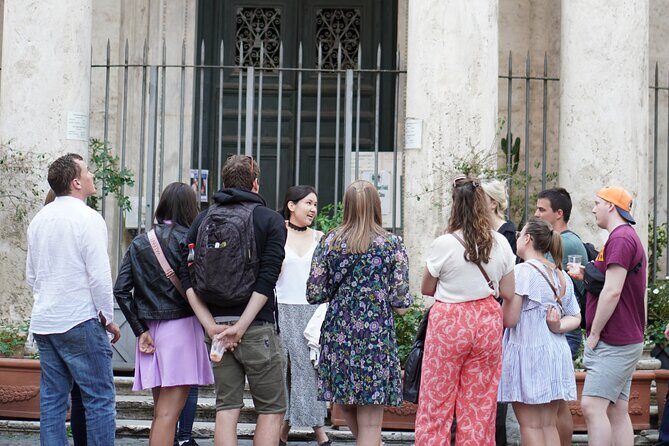
This tour includes two Spritz. That’s a big deal because it anchors the schedule. You’re not wondering when to stop or what’s worth paying for.
A spritz is part drink, part social ritual. It’s also an easy “everyone can join in” choice because it’s familiar enough that you won’t feel lost ordering, even if you’re new to Italian aperitivo habits.
If you’re picky, pace yourself. Two drinks over 2.5 hours is usually plenty to take the edge off and keep the conversation going, without turning the rest of your night into a slog.
Also, don’t underestimate the guide’s role in the first drink. If Ana is leading, you’ll get practical direction on what to expect from aperitivo culture in Rome and how locals use it to set up dinner plans.
Small Group Energy: Why It Feels More Personal
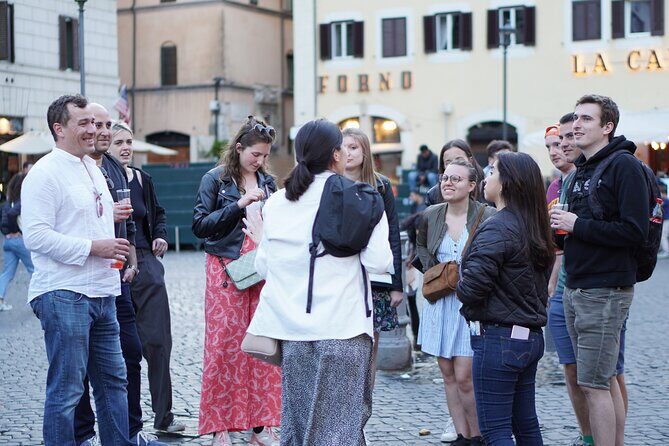
With a maximum of 15 travelers, you’re not just standing around. You’re part of the rhythm of the walk—able to hear explanations, able to ask for recommendations, and able to keep pace without feeling squeezed.
In the reviews, the group vibe gets called out as friendly. That makes sense for this kind of tour: it’s social by design, and a small group helps you actually talk instead of just overhearing.
If you’ve had experiences where you can’t ask questions because it’s too crowded, this size is a comfort upgrade.
Who This Tour Suits Best (And Who Might Skip It)

This is a strong fit if you want:
- A first or second night in Rome with a plan
- A history-meets-food vibe, not a museum day
- An English guide and a small group experience
- Aperitivo tips you can use immediately
It may be less ideal if you:
- Want a strictly academic history tour (this includes drinking)
- Prefer a very early start and a long daytime sightseeing block
- Don’t want alcohol included in the activity
If you’re flexible and you like turning sightseeing into a social evening, you’ll likely enjoy it.
My Take: Should You Book the Spritzy Tour?
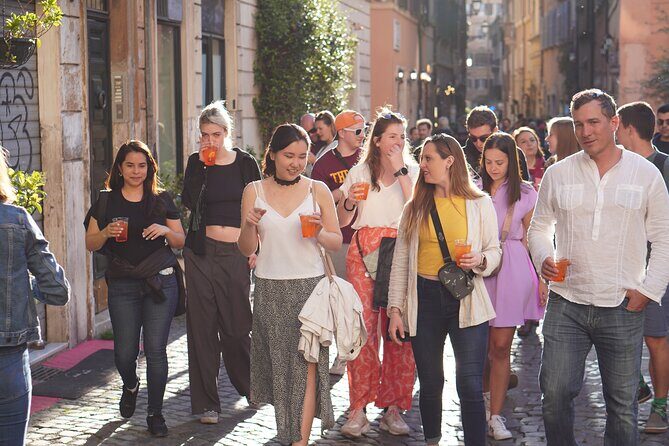
Yes, I’d book it if you want an easy win for your evening in Rome. The combination of landmarks and aperitivo culture, plus two Spritz included, makes the experience feel practical rather than just decorative.
I’d skip it only if you’re not in the mood for evening walking or if you’d rather build your own restaurant plans from scratch without a guide.
If you do book, show up ready to ask questions. This tour is at its best when you treat it like an intro to how Romans do nights—then take the advice and run with it to dinner and dessert.
FAQ
How long is the Spritzy Tour?
The tour lasts about 2 hours 30 minutes.
Where does the tour start and end?
It starts at Ponte Sant’Angelo (St. Angelo Bridge) and ends at Piazza Campo de’ Fiori.
What language is the tour offered in?
The tour is offered in English.
What drinks are included?
The tour includes two Spritz (alcoholic beverages).
How many people are in the group?
The tour has a maximum of 15 travelers.
Can I cancel for a full refund?
Yes. You can cancel for a full refund if you cancel at least 24 hours before the experience start time. If you cancel less than 24 hours before, the amount paid is not refunded.