REVIEW · CYCLING TOURS
The Appian Way e-bike tour
Book on Viator →Operated by Landimension Travel · Bookable on Viator
The Appian Way feels quieter by bike. This private e-bike ride takes you onto one of Rome’s oldest routes, tracing parts of the road system that dates back to the 3rd century BC. I love getting the guided context as you pass major sites, and I also love how the e-bike makes it possible to cover a lot without feeling totally wrecked. The main thing to consider: there’s real ride time on uneven ground, so you need some endurance even with pedal assist.
If your Rome plan is all domes and lines, this is the pressure-release valve. You escape traffic and crowd energy, roll through ancient ruins and green parks just outside the historic walls, and still come away with a clear picture of how this area shaped daily life for centuries. The ride is priced at $34, which is a strong deal for a 4 to 5 hour private tour with a helmet, bike rental, and an escort.
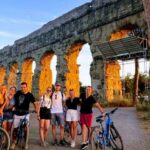
You’ll also get plenty of variety in a single outing: a massive stadium stop, Caracalla-era spa remains, gates into the city, and Roman parkland around tombs and archeological areas. It’s a history day, but it moves like an adventure—geared up in minutes and learning as you go.
In This Review
- Key highlights to look for on the Appian Way ride
- Appian Way by e-bike: why this ride works better than a walk
- Starting at Vicolo di S. Nicola de’ Cesarini: the easy start matters
- First stops: stadium scale, Caracalla’s spa, and the gates of Rome
- The real Appian Way story: Capo di Bove and the thermal ruins
- Cecilia Metella and the cemetery landscape vibe
- Park of Caffarella: where the ride becomes a break
- Porta and Aurelian Walls: understanding how Rome closed around you
- Riding reality: uneven ground, busy stretches, and how guides manage it
- What you get for $34: value that comes from the full package
- Who should book this private e-bike tour (and who should skip it)
- Should you book the Appian Way e-bike tour?
- FAQ
- How long is the Appian Way e-bike tour?
- What does the tour cost?
- Is this a private tour?
- What’s included in the price?
- What is not included?
- Where do we meet, and where does it end?
- What time does the tour start?
- Is the tour suitable for kids or pregnant travelers?
- What happens if the weather is bad?
- Can I get a refund if I cancel?
Key highlights to look for on the Appian Way ride
- A guide who helps you choose the easiest riding lines, so you spend more time seeing and less time struggling
- E-bike + helmet included, which matters on long stretches with mixed surfaces
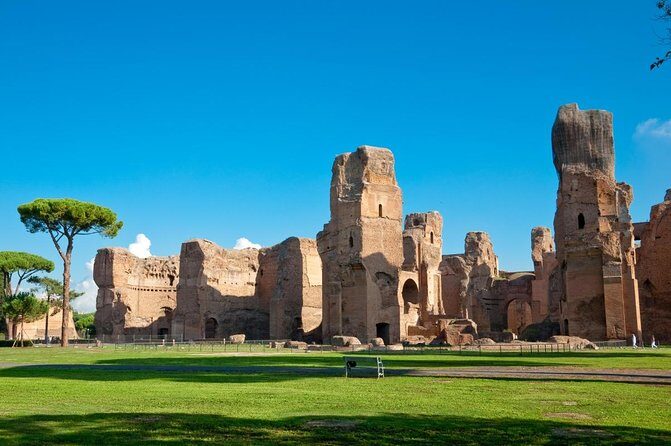
- Big Rome moments early, like the largest stadium ever built and Caracalla’s spa complex
- Porta San Sebastiano and the Aurelian Walls vibe, a dramatic way to understand how people entered the city
- Archaeology-focused stops, including Capo di Bove and the tomb of Cecilia Metella
- A calm, park-and-ruins route that feels far from the usual Rome crush
Appian Way by e-bike: why this ride works better than a walk
Rome can be loud—cars, tour groups, scooters, and that constant feeling you’re weaving through crowds just to get to the next photo. The Appian Way tour flips that. You ride along an ancient corridor just outside the historic walls, moving through ruins and greenery instead of being stuck inside the busiest streets.
What makes this format click is the mix of pace and perspective. With a bike, you cover real distance, but you still stop often enough to understand what you’re looking at. The guide’s explanations turn random stone and arches into something you can place in time—especially because you’re on the kind of road network that helped connect Rome with the rest of the Roman world.
And yes, the e-bike changes the experience. Pedal assist doesn’t mean you’re floating. You still have to steer, balance, and pedal, and some sections can feel uneven. But you get a big payoff: you can spend more energy on noticing details (brickwork, ruins, the setting) instead of purely surviving the route.
You can also read our reviews of more cycling tours in Rome
Starting at Vicolo di S. Nicola de’ Cesarini: the easy start matters
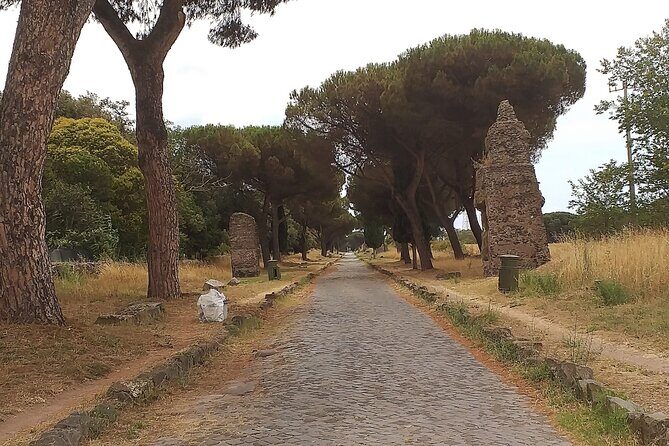
The meeting point is Vicolo di S. Nicola de’ Cesarini (00186 Roma). The tour starts at 9:30 am and ends back at the same spot, so there’s no last-mile scramble to find your way after you’re tired.
That timing is practical. Morning in Rome usually means fewer buses and less chaos, and for an e-bike day, that’s a big deal. You want roads and paths to feel predictable early, and you want time in daylight to enjoy the scenery.
If you’re using public transportation, this area is listed as being near it, which helps if you’re coming from elsewhere in town. Also, the tour uses a mobile ticket, so you can keep everything simple on your phone and focus on getting out the door.
Before you roll, you get your helmet and e-bike rental. That’s not glamorous, but it’s crucial. Proper gear is the difference between feeling cautious and feeling confident, especially when the route shifts between paths and busier stretches.
First stops: stadium scale, Caracalla’s spa, and the gates of Rome
This tour builds momentum fast. You don’t start with one quiet ruin and a long gap to think. You start with big, memorable anchors that make the rest of the route click.
One of your earliest landmark stops is the largest stadium ever built in history. Even if you’ve seen pictures before, it hits differently when you’re looking at the scale that once carried massive crowds. It’s a reminder that Rome wasn’t just temples and emperors—it was also built for entertainment on a huge stage.
Next comes Caracalla’s spa complex (listed as the largest spa built by Caracalla). Roman bath culture wasn’t just about hygiene; it was social life. When a guide connects ruins like these to how people gathered, you stop seeing them as leftovers and start seeing them as a living part of the city’s routine.
Then you head toward Porta San Sebastiano, described as a key gate for travelers arriving from Appia Antica. Gates are more than entry points. They’re a “this is how you enter the city” kind of lesson, and this one carries the weight of what the Appian Way represented for incoming traffic.
You’ll also hear about the first highway built to connect Rome with Capua and Brindisi. That detail matters because it tells you the Appian Way wasn’t just scenic—it was strategic. It was about movement, supply, administration, and control, all wrapped in infrastructure.
Along the way, there’s also a stop described as a circus on the Appian Way. The presence of leisure and spectacle along this route adds another layer. It’s not only a road for work; it’s also a corridor of Roman life.
The real Appian Way story: Capo di Bove and the thermal ruins
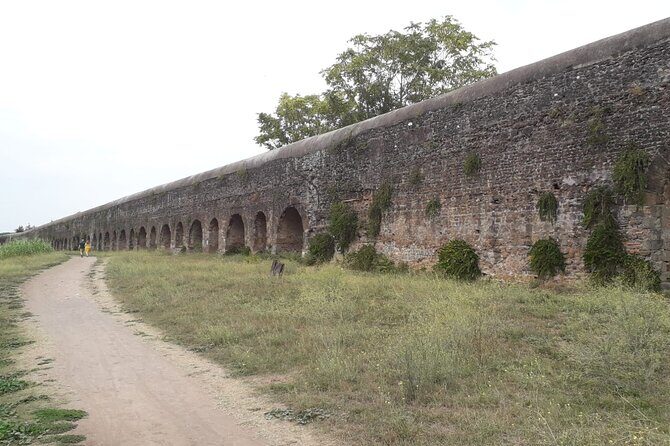
After the big-picture sites, you get into the heart of the experience: archaeological areas that feel like you’ve stepped into a different rhythm of Rome.
One of the featured stops is Complesso di Capo di Bove – Parco Archeologico dell’Appia Antica. Here, you’re looking at thermal Roman ruins along the Appian Way. Baths and thermal complexes were major building projects, and they’re great for understanding daily life because they show how Romans designed space for comfort, movement, and social time.
One practical advantage of doing this by e-bike: you can linger without losing the entire afternoon. You can take in the setting, ask questions, and still roll onward.
The listing notes admission ticket free at this stop, which helps keep costs from creeping up during the ride. It’s also a relief because not every archaeological stop has an extra fee.
Cecilia Metella and the cemetery landscape vibe
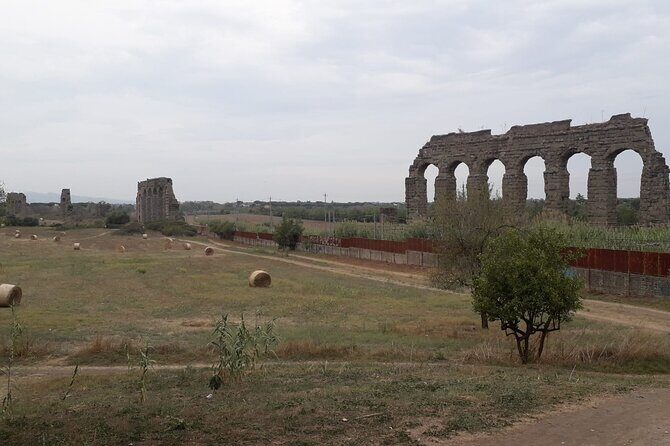
A standout stop along this route is the tomb of Cecilia Metella. Tombs along the Appian Way have a particular atmosphere. They line up like markers on a long journey, turning the roadside into a kind of historical map.
If you’ve only seen big monuments inside central Rome, this is a different angle: a funerary landscape tied to travel routes. The guide’s job here is to make the tomb meaningful in context, not just visible.
I like stops like this because they slow you down just enough. You stop. You look. You connect it to what you’ve already learned about gates, highways, and movement. Then you ride again, and the story doesn’t feel like random facts piled up.
You can also read our reviews of more tours and experiences in Rome




Park of Caffarella: where the ride becomes a break
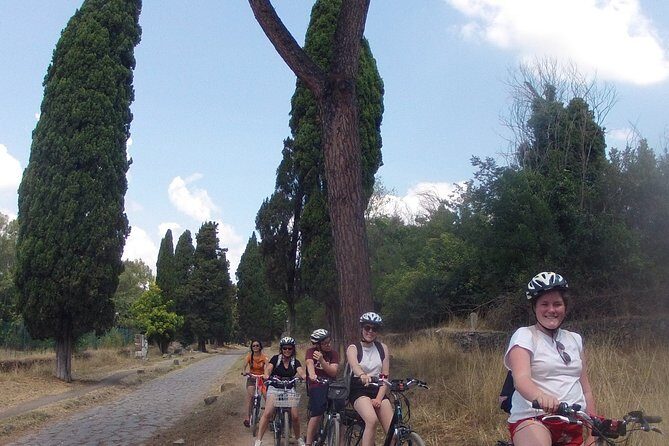
Then you shift into the Park of Caffarella. This is where the tour can feel like a breath of fresh air compared to the city center. It’s also where the e-bike really earns its keep: you’re not walking every step, but you’re still moving slowly enough to absorb the scenery.
From a traveler’s point of view, parks are more than pretty scenery. They help balance the tour’s intensity. After ruins and monuments, you get open space, quieter surroundings, and a gentler feel to the route.
The review comments line up with this kind of experience: guides help you find the best riding sections and keep the day fun and safe, rather than turning the ride into stress about terrain.
Porta and Aurelian Walls: understanding how Rome closed around you
The tour also includes a stop described as one of the most impressive gates to enter Rome through the Aurelian Walls. This is the kind of stop that makes the bigger defensive and urban planning story click.
When you stand near a gate, you can picture how Rome managed entry, traffic flow, and movement. It’s not abstract. You can literally connect the direction of travel to the geography around you.
And because you’re arriving by bike, the gate stops feel practical. You’re reenacting the same basic logic of approaching Rome from the outside—just with modern wheels and a helmet.
Riding reality: uneven ground, busy stretches, and how guides manage it
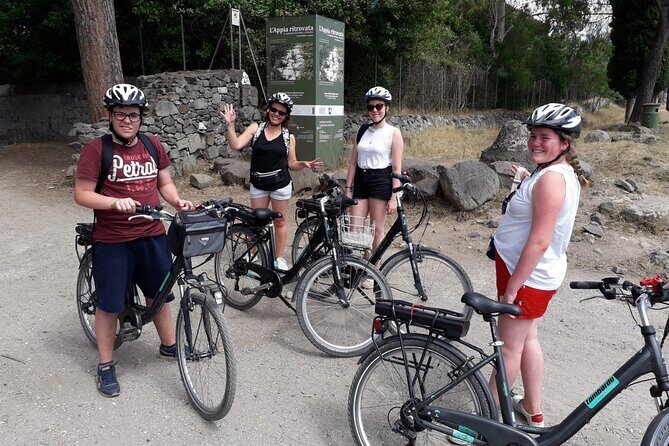
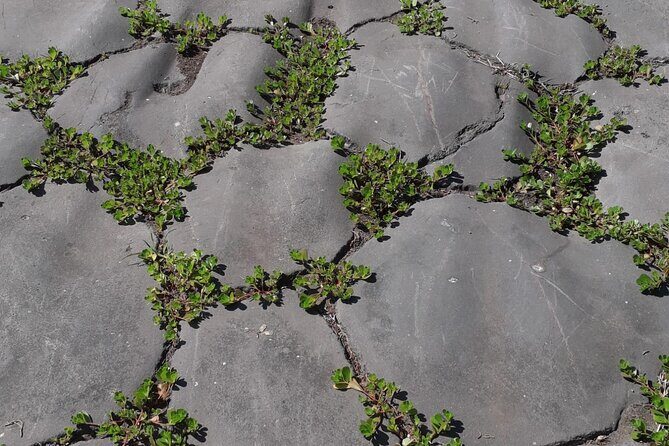
Here’s the honest part: even with pedal assist, this is not a “sit and coast” tour. The trip takes endurance. One review specifically warns that it’s a long trip with biking on uneven ground. That matches the kind of terrain you should expect on an old route near ruins and paths.
One reviewer noted the ride was quite easy once they got used to circulating with an electric bicycle, but also called out that the trails can be winding and that routes can include roads that get busy when you’re entering or leaving the city. That’s a key thing to know: you’re outside the center, but you’re not in total isolation the whole time.
The good news is that the guides actively manage the experience. One review praises how the guide made sure the group found the easiest spots to ride on the Appian Way. Another review says the guide was very thoughtful about safety and fun. That combo matters. A great guide doesn’t just know history; they keep the group moving smoothly.
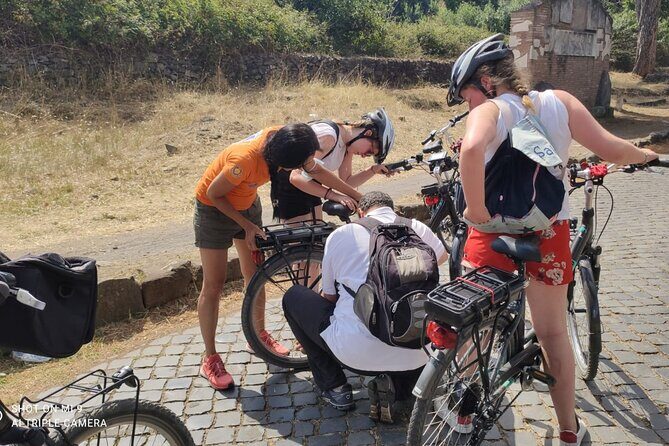
There’s also evidence of real-world problem-solving: one review mentions a tire was fixed during the tour, and the group kept going. That’s not something you can count on every day, but it’s a good sign that the escort is prepared for the messy reality of riding.
Timing can stretch too. One review mentions the tour ran about six hours, tied to a flat repair and time management. So if you have tight plans later in the day, build in buffer.
What you get for $34: value that comes from the full package
Let’s talk money in a practical way. The listed price is $34 for a private e-bike tour lasting about 4 to 5 hours. For that, you get:
- Guided tour and tour escort
- E-bike rental
- Helmet
You also get the major benefit that many tours fail at: the guide helps you translate the setting into story. That’s where the value lives. The e-bike just makes the experience reachable; the real payoff is learning while you ride.
You might notice that the tour list says lunch isn’t included. At the same time, multiple reviews reference a lunch break that sounded good. What I’d do in your shoes is treat lunch as a “possible extra” rather than a guaranteed part of the itinerary, and confirm what’s provided when you book.
Catacombs entry fees are also listed as not included. So if you plan to add anything beyond what the guide covers, you’ll want to budget extra.
Still, even with those small add-ons to watch for, $34 for guide + bike + helmet is a bargain in Rome terms—especially if you want the Appian Way experience without spending half your day in transit.
Who should book this private e-bike tour (and who should skip it)
This is a private tour, meaning only your group participates. That matters because you can move at a pace that fits you, and the guide can adapt if someone needs a little extra time.
I’d recommend it for you if:
- you have moderate physical fitness and want to ride for several hours
- you like history that feels grounded in real places, not just lecture-style stops
- you want a quieter Rome day outside the most crowded streets
- you enjoy getting explanations while you’re moving, so the time doesn’t feel wasted
I’d be cautious if:
- you need a very gentle, low-effort outing. It’s not listed as easy for everyone, and uneven ground is part of the deal
- you’re traveling with kids under 12 (not recommended if under 12)
- you’re pregnant. It’s not recommended, and it’s forbidden if you are in the 4th month or more
If you want a low-stress stroll, this likely isn’t that. If you want a calm, well-guided ride with real archaeological stops, it’s a smart fit.
Should you book the Appian Way e-bike tour?
Book it if you want a Rome experience that balances history with movement—and if you’re comfortable biking on mixed surfaces for a half-day. The strongest reasons to choose this one are the human ones: guides who handle safety well, keep the route doable, and explain what you’re seeing in a way that sticks. I’d especially consider it if you like the idea of a private group day where the guide can shape the experience around you, not around a mass itinerary.
Skip it if you have zero tolerance for uneven ground or you’re looking for a fully relaxed activity with minimal endurance. If you’re in the middle—curious, willing, and reasonably fit—this tour hits a sweet spot: calm, scenic, and packed with Appian Way history without draining your entire day.
FAQ
How long is the Appian Way e-bike tour?
It lasts about 4 to 5 hours.
What does the tour cost?
The price is listed as $34.
Is this a private tour?
Yes. It is a private tour/activity, and only your group participates.
What’s included in the price?
The tour includes a guided tour, a tour escort, a helmet, and use of an e-bike rental.
What is not included?
Tips, catacombs entry fees, and lunch are listed as not included.
Where do we meet, and where does it end?
The tour starts at Vicolo di S. Nicola de’ Cesarini, 00186 Roma RM, Italy, and it ends back at the same meeting point.
What time does the tour start?
The start time is 9:30 am.
Is the tour suitable for kids or pregnant travelers?
It is not recommended if you are under 12. It is not recommended for pregnant women and is forbidden if you’re in the 4th month or more.
What happens if the weather is bad?
The experience requires good weather. If it’s canceled due to poor weather, you’ll be offered a different date or a full refund.
Can I get a refund if I cancel?
Yes, free cancellation is available. You can cancel up to 24 hours in advance for a full refund. If you cancel less than 24 hours before the start time, you won’t receive a refund.