REVIEW · COOKING CLASSES
Testaccio: Home Cooking Cacio e Pepe, Amatriciana, Carbonara
Book on GetYourGuide →Operated by Timonfaya Travel Lanzarote · Bookable on GetYourGuide
Roman pasta is easier than you think.
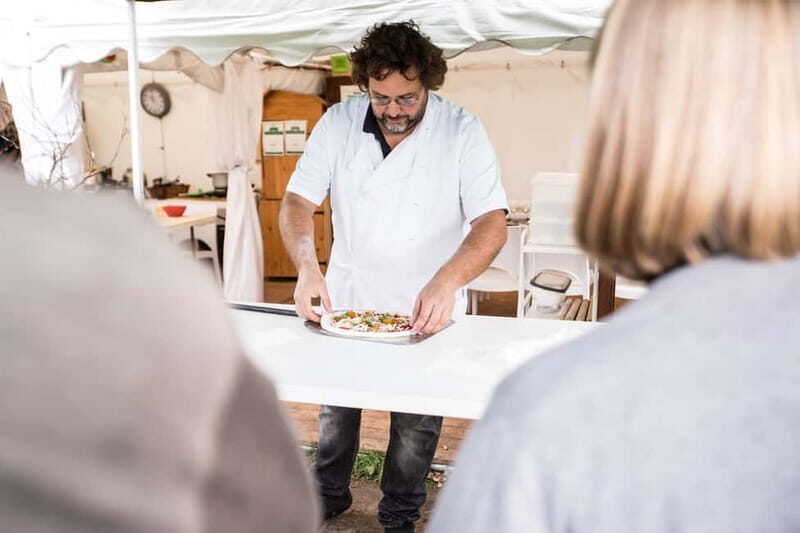
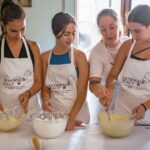
This class in Testaccio turns you into the cook behind three Roman classics, taught in the home kitchen of Milvia and Andrea. I love how you start with fresh pasta dough (not just assembling plates), and I love that the focus stays on technique: learning why simple steps matter when you’re building Cacio e Pepe, Amatriciana, and Carbonara from scratch.
The main consideration is the home setting. It’s not recommended if you have serious allergies to dogs and cats, and you may also be sharing the space with their friendly dog.
In This Review
- Key Points You’ll Care About
- Testaccio and a Real Roman Kitchen: Why This Class Works
- Making Fresh Pasta Dough: The Skill Behind the Sauces
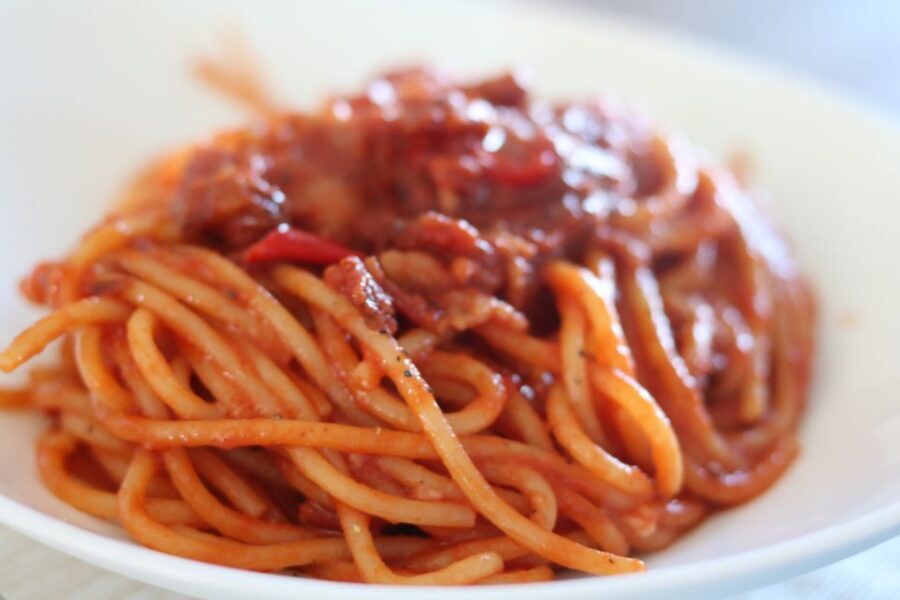
- Cacio e Pepe, Amatriciana, Carbonara: Three Sauces, One Clear Logic
- Cacio e Pepe (Cheese and Pepper)
- Amatriciana (Tomato, Pork, and Pecorino)
- Carbonara (Egg, Cheese, and Timing)
- The Meal Part: Unlimited Wine, Coffee, and the Roman Table
- Dessert, Coffee, and Taking Rome Home
- Price and Time: What You’re Really Paying For
- Who Should Book This Class (and Who Might Skip It)
- Quick Tips Before You Go
- Should You Book It?
- FAQ
- Where does the class meet in Rome?
- How long is the experience?
- How much does it cost?
- Is the group size small?
- What languages are used during the class?
- Can the menu be adapted for dietary needs?
- Is the experience suitable for people with animal allergies?
Key Points You’ll Care About
- Hands-on from scratch: fresh pasta dough plus three sauce lessons, not a show-and-watch format
- Small group feel (max 10): you get time to ask questions and practice the steps
- Wine and coffee with the meal: unlimited local wine plus Italian coffee during dinner
- Real Roman household hospitality: cozy home setting, lots of conversation, and a meal you eat together
- Dietary flexibility, when possible: vegetarian and vegan options using traditional Roman recipes, plus gluten-free options for celiac
Testaccio and a Real Roman Kitchen: Why This Class Works
If you want to understand Roman food, don’t start with a menu. Start with the way locals cook: simple ingredients handled with care, and sauces treated like something you can actually learn.
That’s why the neighborhood choice matters. Testaccio has long been a food-minded area, and the experience doesn’t feel like a staged event. You’re meeting at Via Galvani 4 (Building C, Buzz 11) and then stepping into a home kitchen where the evening has a natural rhythm. It feels more like visiting family than attending a workshop, which is exactly what helps you stick the techniques in your head.
This is also a great pick if you’ve done cooking classes before and want something more Roman-specific than Italian “generalities.” You’re not chasing trendy ingredients. You’re learning the rules of the Holy Trinity of Roman pasta.
You can also read our reviews of more cooking classes in Rome
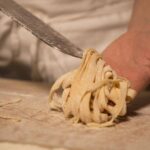
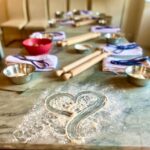

Making Fresh Pasta Dough: The Skill Behind the Sauces
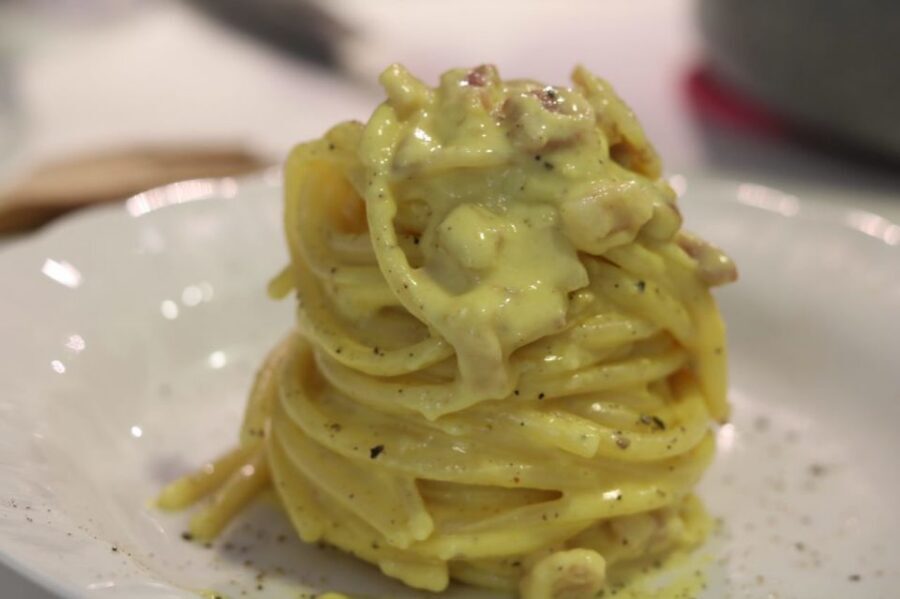
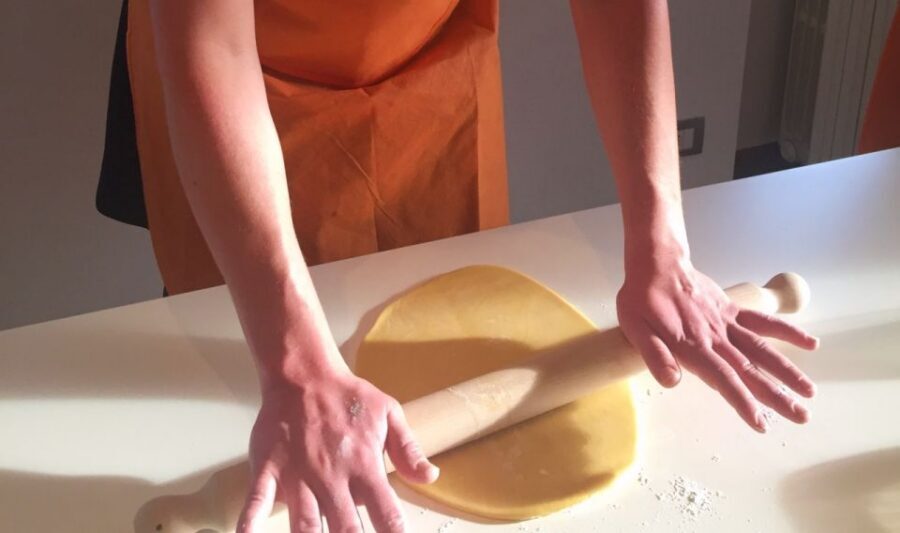
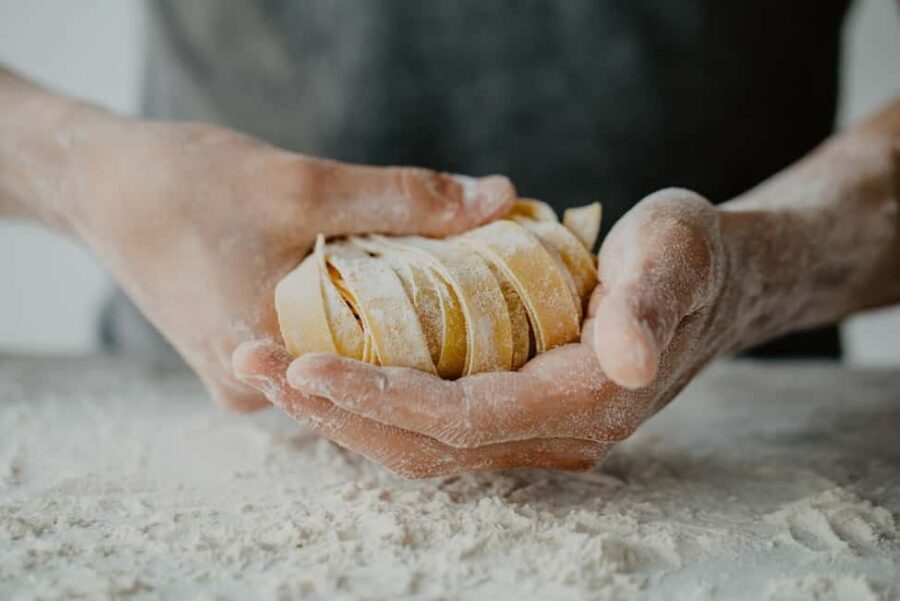
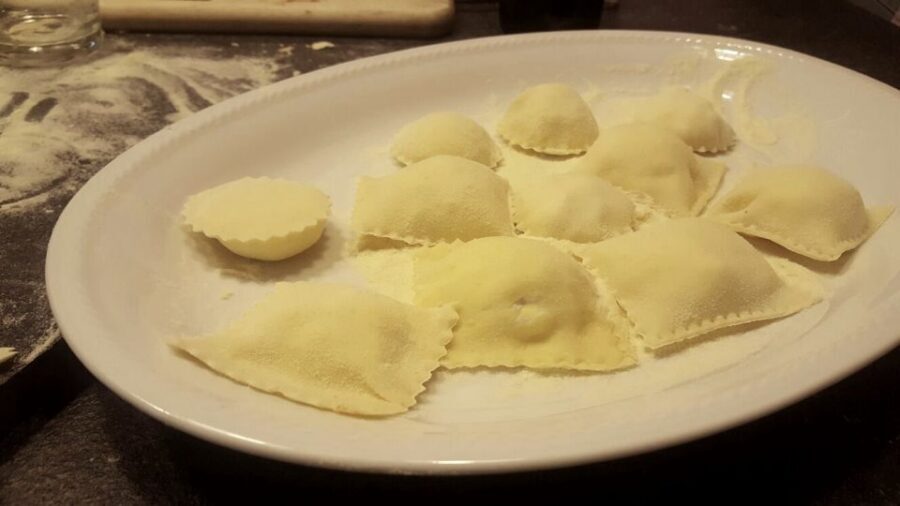
The first big win is that you don’t just eat Roman pasta. You make it. You’ll begin with fresh pasta from scratch, shaping the base that all three sauces cling to.
You can expect guided steps on combining ingredients like flour, eggs, and water into the right dough. The class places real emphasis on texture and timing, and that’s where most people suddenly understand why Roman pasta tastes different even when the ingredients sound similar.
What I like about the way this is taught is that it’s not about memorizing a single trick. You learn how changes affect the outcome. For example, if the dough feels off, you’ll get direction on how to correct it instead of giving up and hoping for the best. This approach matters because Roman pasta rewards attention, not luck.
And yes, the pace is friendly. The hosts (Milvia and Andrea) are patient and encouraging, so if you’re the type who worries you’ll mess it up, you’re in the right room. In past sessions, participants have described the instruction as clear, calm, and not overwhelming, with lots of small tips that make the process feel doable.
Cacio e Pepe, Amatriciana, Carbonara: Three Sauces, One Clear Logic
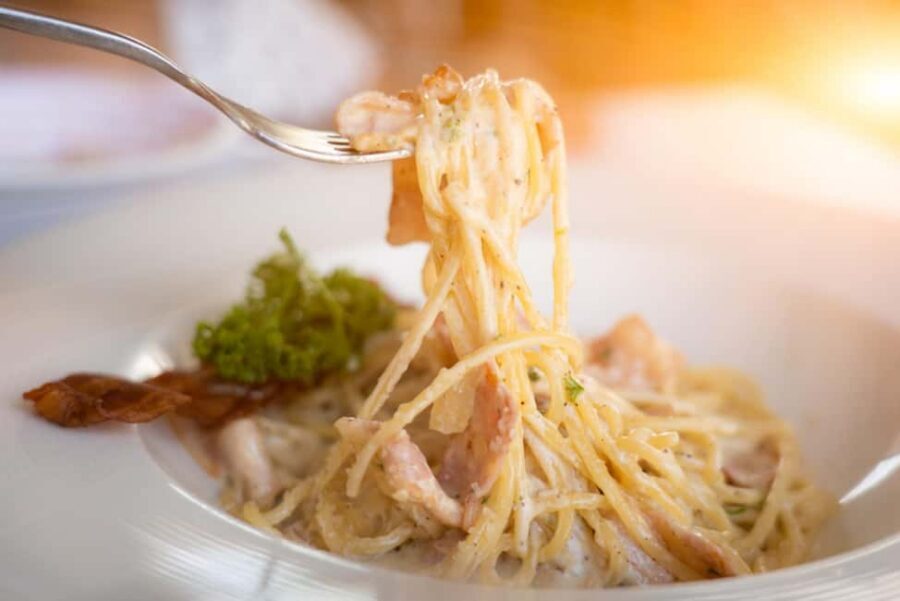
Here’s the payoff: three sauces that define Roman comfort food. Each one uses a short list of ingredients, but each one has its own technique rules.
Cacio e Pepe (Cheese and Pepper)
This is the sauce that teaches you restraint. You’re working with cheese and black pepper, and you learn how to get creamy flavor without turning it into a clumpy mess. The key is how you blend and coordinate the timing with the pasta, so the sauce becomes part of the dish rather than sitting on top.
If you’ve ever had cacio e pepe that tasted either too sharp or too greasy, this is the session where you learn what to fix.
Amatriciana (Tomato, Pork, and Pecorino)
Amatriciana is where you learn about balancing acidity and savor. You’ll practice building flavor from the ingredients and then adjusting the sauce so it tastes round with the pasta, not separate from it.
This is also a good sauce for learning the difference between cooking and simmering. A few minutes can change the texture and how the sauce coats the pasta.






Carbonara (Egg, Cheese, and Timing)
Carbonara is the sauce that turns most people cautious, because timing is everything. You’ll learn how to combine egg and cheese correctly and how to keep the sauce creamy instead of scrambling.
Even if you think you already know carbonara, you’ll likely pick up a new way to think about the heat and the pasta timing. In past classes, the hosts have shared the reasons behind each step, not just what to do, which makes it easier to recreate later.
Across all three sauces, you’re not just following steps. You’re learning a repeatable logic: treat the pasta like an ingredient, treat heat like a control knob, and treat cheese like something you manage.
The Meal Part: Unlimited Wine, Coffee, and the Roman Table
Once you’ve made the pasta and sauces, you sit down and eat. That matters more than it sounds.
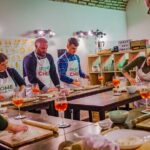
The meal is served in a cozy Roman home setting where the experience doesn’t feel rushed. You’ll enjoy three pasta courses paired with local wine, plus unlimited wine and Italian coffee. It’s a full-on dinner, not a quick snack between lessons.
This is also where conversation starts to happen. Many participants have noted that Milvia and Andrea share travel and work stories, which helps the time pass fast and makes the evening feel warm and personal. There’s a particular kind of comfort in cooking side-by-side and then eating the results together.
One extra detail: the hosts’ dog is often part of the atmosphere. The dog appears to be friendly and used to visitors, and that’s a bonus if you like animals. If you’re dealing with a serious allergy, this is the reason the activity flags that issue.
Dessert, Coffee, and Taking Rome Home
Don’t skip the end. The last course is a homemade dessert, followed by Italian coffee. That sequence is classic for a reason: you finish the heavy part of the meal, then close with something sweet and simple.
Another valuable part of this class is that you get notes for recipes, and you’re supposed to take home the exclusive recipes of the dishes you made. That turns the evening into something practical. You don’t just leave with photos. You leave with instructions you can actually follow next time you want Roman pasta.
If you enjoy recreating meals at home, this is one of the best souvenirs you can get. You’ll be able to make cacio e pepe, amatriciana, and carbonara again without guessing.
Price and Time: What You’re Really Paying For
At $105 per person for about 3.5 hours, you’re not just paying for a bowl of pasta. You’re paying for three things that add up fast:
- A hands-on session making fresh pasta from scratch
- Instruction through three different Roman sauce techniques
- A full meal with wine and coffee, plus dessert
This price can feel steep if you’re comparing it to a casual restaurant meal. But if you compare it to cooking classes where you only learn one dish or where drinks are extra, the value gets clearer.
Also, the small group limit (10 participants) matters. In a smaller room, you get more coaching time. It’s easier to correct mistakes while they’re happening, and that’s what turns “I watched pasta cooking” into “I learned how to do it.”
The other hidden value is that Roman pasta recipes are exacting. When you learn technique properly, you don’t waste ingredients, and you’re less likely to come home disappointed by your first attempt.
Who Should Book This Class (and Who Might Skip It)
I think this is a great fit if:
- you like hands-on cooking, not just tasting
- you want to learn the three most iconic Roman pasta sauces in one evening
- you’ll enjoy a home-kitchen setting and conversation over dinner
- you want recipes you can take home and use
I’d be cautious or skip if:
- you have serious allergies related to dogs and cats
- you prefer strictly public, restaurant-style dining and don’t want a home atmosphere
If you’re vegetarian or vegan, the class says it can adapt using traditional Roman recipes. If you have celiac, gluten-free options are available. That’s a big deal, because pasta is the whole point here.
Quick Tips Before You Go
Bring a mindset that’s equal parts cooking and curiosity. Roman pasta rewards care, but the hosts keep it friendly.
Also, plan your arrival to the meeting point at Via Galvani 4 (Building C, Buzz 11). There’s no hotel pickup included, and local transport tickets aren’t included either. So set aside time to get there on your own.
Finally, eat lightly beforehand. The evening is a true meal: three pasta courses, dessert, and wine plus coffee.
Should You Book It?
Yes, if your goal is to learn Roman pasta in a way that actually transfers to your kitchen back home. This class hits the sweet spot of technique + dinner + recipes, and it does it in a small-group home setting with Milvia and Andrea. The cost makes sense when you factor in the full meal with wine and coffee, plus three sauce lessons and fresh pasta practice.
If you’re sensitive to animals, or you want a purely formal public experience, then look elsewhere. But for most Rome visitors who love food and want a real skill, this one is a strong bet.
FAQ
Where does the class meet in Rome?
The meeting point is Via Galvani, 4, 00153 Roma RM, Italy, Building C Buzz 11.
How long is the experience?
The experience lasts about 3.5 hours.
How much does it cost?
The price is $105 per person.
Is the group size small?
Yes. It’s a small group limited to 10 participants.
What languages are used during the class?
The instructor works in English and Italian.
Can the menu be adapted for dietary needs?
Vegetarian and vegan menus can be adapted using traditional Roman recipes. Gluten-free options are also available for celiac.
Is the experience suitable for people with animal allergies?
It’s not recommended for travelers with serious allergies to dogs and cats.