REVIEW · ROME
Taste of Testaccio: Special 15 Year Anniversary Edition
Book on Viator →Operated by Eating Europe Food Tours Rome · Bookable on Viator
Three tastings, one bizarre pyramid.
This special 15-year anniversary walking tour through Testaccio is the kind of Rome that feels local fast: you’ll bounce from small shops to a market, then sit down for three classic Roman pastas and a gelato finale. I love the hands-on bruschetta moment at Testaccio Market, and I also like how the route mixes food with real neighborhood landmarks, including the city’s Egyptian-style pyramid.
One consideration: this is a food-forward experience, so it isn’t suitable for severe or life-threatening allergies, and you should expect a lot of walking in Rome’s heat.
In This Review
- Key reasons this Testaccio tour is worth your time
- Entering Testaccio: the neighborhood vibe that makes the food taste better
- Meet at Piazza Testaccio and plan for a 3.5-hour walking rhythm
- Stop 1 at Salumeria Volpetti: cured meats, cheese, and a toast
- Piramide Cestia: Rome’s Egyptian-style pyramid in the middle of the city
- Testaccio Market: make bruschetta, then keep snacking
- The former slaughterhouse and the “quinto quarto” idea
- The amphora hill: a man-made monument to ancient appetite
- Flavio al Velavevodetto: carbonara, amatriciana, and cacio e pepe with wine
- Suppli at Trappizino, plus Trapizzino street-style chicken
- Giolitti Gelateria finish: how to spot real gelato
- What you’ll eat and drink (so you can judge portion size)
- Dietary needs and allergies: what’s supported, what isn’t
- Price and value: what $131.81 buys you in Rome
- Who should book Taste of Testaccio, and who should skip it
- Should you book this Testaccio anniversary food walk?
- FAQ
- How long is the Taste of Testaccio tour?
- What does the tour cost per person?
- Is the tour offered in English?
- How many people are in a group?
- What food is included?
- Do you make bruschetta during the tour?
- Does the tour include gelato and tips for choosing real gelato?
- Does the tour visit a pyramid and mention John Keats?
- What’s the cancellation policy?
Key reasons this Testaccio tour is worth your time
- Testaccio instead of the tourist treadmill: you’ll walk through a historic local neighborhood where food is the main language.
- Bruschetta you build yourself: fresh tomatoes plus market ingredients, assembled on the spot.
- Roman favorites in the order that makes sense: bruschetta, caprese, suppli, Trapizzino, then pasta.
- Three pasta styles, one lesson in Roman sauce: carbonara, amatriciana, and cacio e pepe paired with local wine.
- Gelato with real vs fake tips: you get guidance, then you finish at a long-running neighborhood gelateria.
- Unusual sights tucked between bites: Piramide Cestia and points connected to John Keats in the Protestant Cemetery.
Entering Testaccio: the neighborhood vibe that makes the food taste better
Testaccio is one of those Rome areas where you can feel everyday life happening. Instead of racing between monuments, you’re moving through streets lined with shops, markets, and small restaurants that people actually use.
That matters because Roman food is tied to place. When you taste charcuterie and cheeses at places like Volpetti, or snack your way through market stalls, you’re not just eating. You’re seeing how people in this neighborhood shop, talk, and plan meals.
You can also read our reviews of more tours and experiences in Rome.



Meet at Piazza Testaccio and plan for a 3.5-hour walking rhythm
This is about 3 hours 30 minutes of walking, tasting, and quick historical stops. The pace is designed so you’re never stuck with nothing to do, but you should still wear comfortable shoes and dress for the weather.
The group is kept small, with a maximum of 12 travelers, and it’s offered in English. You’ll also get a mobile ticket, and the route is near public transportation. The tour ends just a couple of blocks from where you started, which is a relief when you’re tired and hungry in Rome.
Stop 1 at Salumeria Volpetti: cured meats, cheese, and a toast
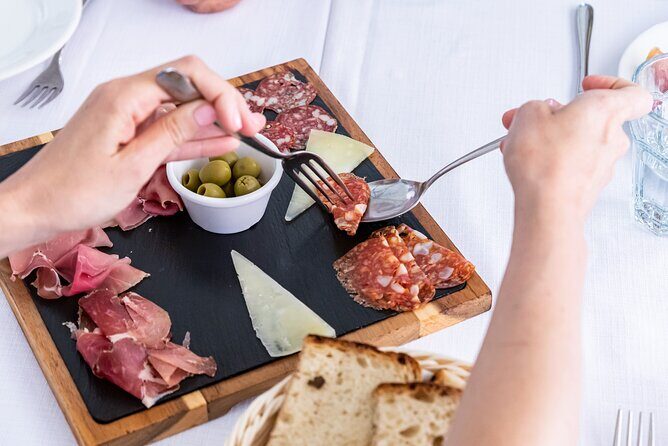
You start at Salumeria Volpetti, a cheese-and-cured-meats shop that turns tasting into an event. Expect a welcome spread of fine cured meats and artisanal cheeses, plus an olive oil and balsamic vinegar tasting.
A small, fun detail: the stop includes a celebratory toast with a glass of crisp Prosecco. It’s a smart way to start because it sets the tone—this tour is about classic flavors, not tiny samples that vanish in one second.
What to watch for: this is the first taste, so try not to arrive already stuffed. If you do, you’ll still enjoy it, but the rest of the meal will feel harder.
Piramide Cestia: Rome’s Egyptian-style pyramid in the middle of the city
Next comes one of the strangest sights you’ll find in Rome: Piramide Cestia. It’s described as an authentic 2,000-year-old Egyptian-style pyramid, which already sounds unreal until you’re standing near it and realizing Rome keeps things like this right where locals live and walk.
This is a quick stop, but it’s a payoff moment. You get a break from food for a minute, then you head right back into the neighborhood mood.
Testaccio Market: make bruschetta, then keep snacking
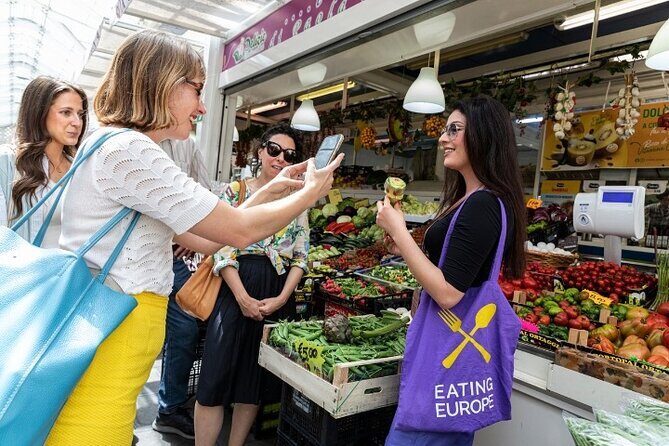
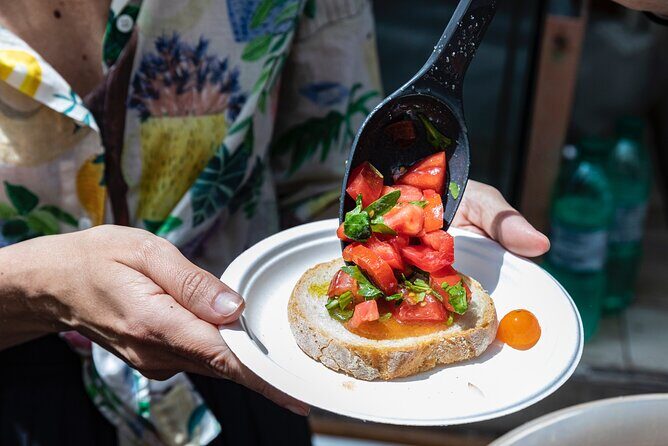
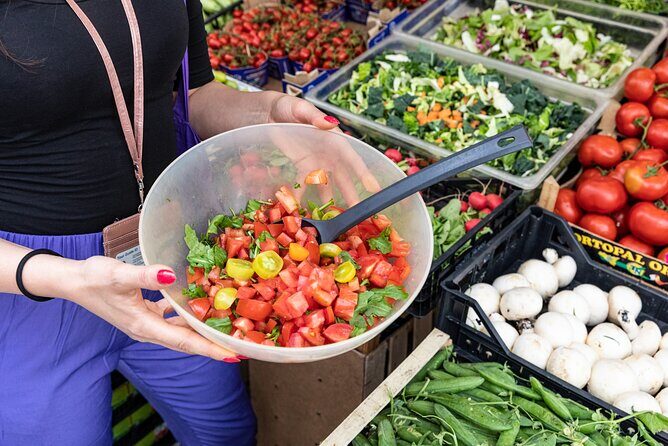
Testaccio Market is the heart of the hands-on part of the tour. Here, you’ll make your own bruschetta using fresh ingredients sourced from market vendors. It’s the kind of activity that makes you understand Italian food basics without lecturing.
After you build your bruschetta, the tasting continues with classic street-style bites and a caprese salad made with buffalo mozzarella. You’ll also get time to chat with vendors, which is where you pick up useful little “how to spot good food” signals—things you can use even after the tour ends.
If there’s one place on this route where you’ll notice a difference between eating and learning, it’s here. Market food is about freshness and rhythm, not presentation.



The former slaughterhouse and the “quinto quarto” idea
Midway through the walk, you’ll hear about the area’s historic role as Rome’s former city slaughterhouse complex. In Testaccio, that history matters for food culture, including the famous quinto quarto approach—using the parts people once overlooked, then turning them into Roman comfort and tradition.
You don’t need to know the culinary history to enjoy the explanation. The payoff is that the tour connects what you’re tasting later with why Romans ate this way in the first place. It makes the meal feel tied to real life rather than just a set of stops.
Practical note: you’ll likely do some photo-and-walk moments here. The walking is part of the experience, but it’s also a good place to pause and catch your breath.
The amphora hill: a man-made monument to ancient appetite
The route also includes a view of a man-made hill built from fragments of millions of ancient Roman olive oil jars, described as amphorae. This isn’t a museum-style stop where you just look at artifacts behind glass. You’re seeing the physical proof of how huge Rome’s production and consumption were.
It’s one of those “wait, really?” sights that makes Testaccio feel different from the rest of the city. And when you’re already eating Roman staples, it connects perfectly: the neighborhood was built by what people produced and used every day.
Flavio al Velavevodetto: carbonara, amatriciana, and cacio e pepe with wine
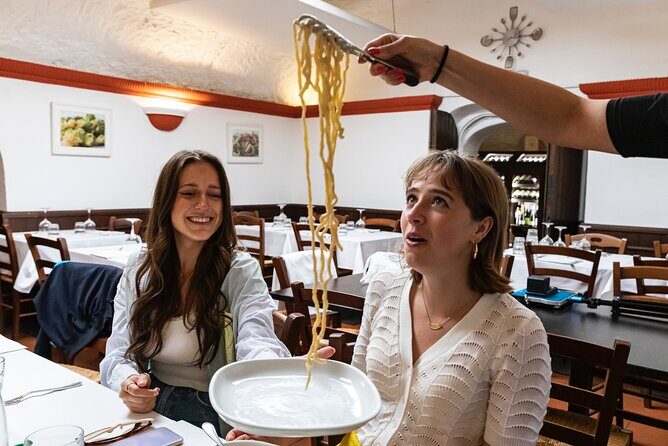
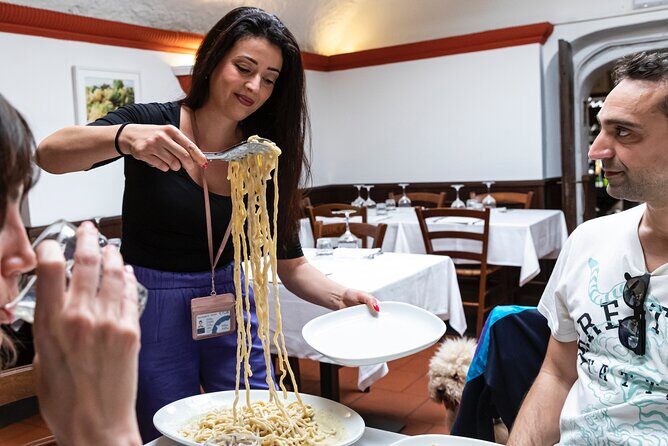
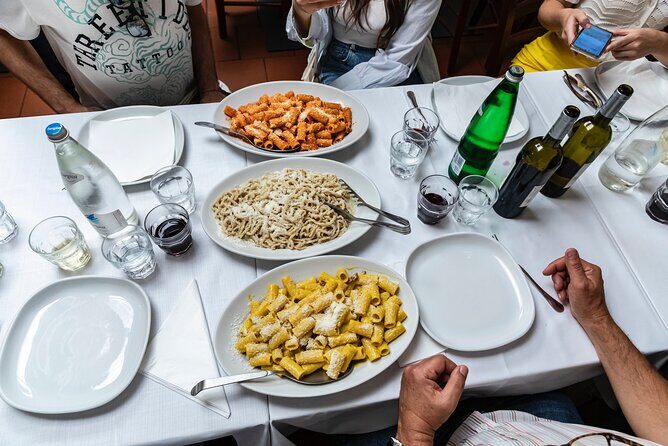
This is one of the most satisfying parts of the tour: three iconic Roman pastas served in an authentic neighborhood restaurant. At Flavio al Velavevodetto, you’ll taste carbonara, amatriciana, and cacio e pepe.
The tour doesn’t treat these like separate gimmicks. You get a clear sense of how each one works, and you’ll have local wine with the meal. That’s a big value point because pasta tastings at a sit-down restaurant can add up quickly if you try to assemble the experience yourself.
If you want the “Roman comfort” feeling without hunting for the right places, this stop does the heavy lifting.
Suppli at Trappizino, plus Trapizzino street-style chicken
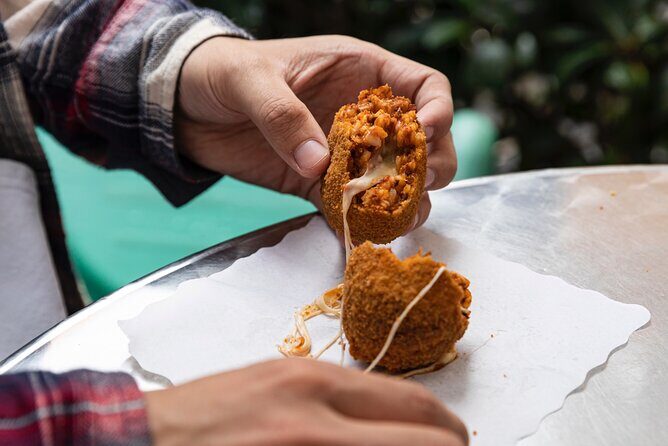
Between the market and pasta, the tour also hits classic Roman street food. You’ll have suppli, a fried rice ball specialty, at Trappizino. Think of it as Rome’s version of a crunchy snack with a warm, savory center.
You’ll also taste Trapizzino, described as hunter-style chicken. This is the kind of food that’s easy to love because it’s portable, satisfying, and clearly designed for real hunger, not just marketing.
If you’re someone who tends to order a “light” meal and then gets hungry later, this portion is exactly what you need. Come hungry, then let the tour do the planning.
Giolitti Gelateria finish: how to spot real gelato
You’ll wrap up at Giolitti Caffè and Gelateria, a historic gelateria where artisan gelato has been made for more than 100 years. This ending matters because gelato is where a lot of tours either rush or get it wrong.
Here, you also learn insider tips on how to spot authentic gelato. That’s practical knowledge you can carry with you across the rest of your trip, especially when you start comparing places that all claim the same thing.
One review detail that lines up perfectly with the experience: people repeatedly call out that you should save room for the final gelato. They’re not kidding. You’ll taste it best if you’re pacing yourself from stop to stop.
What you’ll eat and drink (so you can judge portion size)
This tour is built around multiple tastings, not one big meal. Based on the listed sample and included items, you can expect a lineup like this:
- Cured meats and artisanal cheeses, plus DOCG wines and an olive oil/balsamic tasting at the opening stop
- Espresso and a typical Italian pastry for dessert
- Bruschetta you make with fresh tomatoes from market vendors
- Caprese salad with buffalo mozzarella
- Suppli and local beer
- Trapizzino with hunter-style chicken
- Three pastas: carbonara, amatriciana, cacio e pepe, paired with local wine
- Gelato at a long-running neighborhood shop
- A toast with crisp Prosecco at the first stop
Also important: extra drinks aren’t included, so if you’re a water-less soda sprinter, plan for that.
Dietary needs and allergies: what’s supported, what isn’t
If you have dietary requirements, you should email or add notes at booking so the team can do its best to accommodate things like vegetarian or gluten-free needs. The tour also explicitly says it isn’t suitable for people with severe or life-threatening food allergies to ingredients found on the tour.
So here’s the clean way to think about it: if your allergy is mild or manageable, contact the provider early. If your allergy is severe, this may not be the right choice even if you can imagine swapping one item.
Price and value: what $131.81 buys you in Rome
At $131.81 per person, you’re paying for several things that add up if you do them alone: guided walking, market access with a hands-on workshop, multiple tastings across several establishments, and the sit-down pasta course with wine.
It’s also a practical deal because the tour stacks food types in a logical order: cured meats and cheese early, market freshness mid-route, fried snacks next, then pasta, then gelato. That flow is worth money, because it reduces decision fatigue and helps you eat what fits the neighborhood.
Timing matters too. This tour is listed as commonly booked about 62 days in advance, which is a hint that the dates sell out. If you’re traveling in peak season or on a weekend, book earlier rather than gambling.
Who should book Taste of Testaccio, and who should skip it
This is a great fit if you:
- Want real Roman food in a working neighborhood
- Like learning how food culture connects to history and place
- Enjoy markets and street bites more than only museum stops
- Want gelato advice you can use later in the week
It may not be the best fit if you:
- Have severe or life-threatening allergies
- Prefer driving between major sights and don’t want a walking-first plan
- Want just a light snack experience (this one is built to be filling)
For families, children under 4 don’t need a ticket, but food isn’t included for those aged 3 and under. The tour is designed so most travelers can participate, and service animals are allowed.
Should you book this Testaccio anniversary food walk?
If you’re trying to get one clear, food-centered experience in Rome that feels local and not staged, I think this is an easy yes. The mix of market bruschetta, Roman classics like carbonara/amatraciana/cacio e pepe, and the weird-but-real stops like Piramide Cestia gives you more than just eating.
I’d book it especially if you want your Rome to include both a plan and some surprises. It’s structured enough to be easy, but varied enough that you’ll end the evening feeling like you learned something real.
If, on the other hand, you’re only chasing the biggest monuments and don’t care about neighborhood food culture, you might get more satisfaction elsewhere.
FAQ
How long is the Taste of Testaccio tour?
It’s about 3 hours 30 minutes.
What does the tour cost per person?
The price is listed as $131.81 per person.
Is the tour offered in English?
Yes, it’s offered in English.
How many people are in a group?
The tour has a maximum of 12 travelers.
What food is included?
Included tastings cover items such as bruschetta you make at Testaccio Market, Roman pastas (carbonara, amatriciana, cacio e pepe), gelato at the end, cured meats and cheeses, suppli and Trapizzino, plus espresso and a typical pastry. Extra drinks are not included.
Do you make bruschetta during the tour?
Yes. At Testaccio Market, you’ll make your own bruschetta with fresh tomatoes from local vendors.
Does the tour include gelato and tips for choosing real gelato?
Yes. You’ll finish at a historic gelateria and learn insider tips on how to spot authentic gelato.
Does the tour visit a pyramid and mention John Keats?
Yes. You’ll see Piramide Cestia, and the route includes points of interest such as the Protestant Cemetery, where John Keats is buried.
What’s the cancellation policy?
You can cancel for a full refund up to 24 hours in advance of the experience start time.