REVIEW · VATICAN CITY
Rome: Vatican Pass plus Top Attractions and Transport
Book on Viator →Operated by Go City | Rome · Bookable on Viator
Three days in Rome can feel endless.
This combo of an Omnia Vatican card and a Roma Pass is designed to squeeze more major sights into a tight schedule, mainly by reducing the time you spend in lines at the Vatican. You also get a built-in way to move around town: a hop-on hop-off open bus ticket plus unlimited public transport on buses and metro trains, valid within a 72-hour window after first use. One thing to watch: several key sites need reservations, and if you miss that step you can lose the benefit fast.
What makes this package interesting is that it mixes “must-see, timed” Vatican entries with Rome-wide admission and discounts across a long list of museums, churches, and ancient sites. The on-the-ground experience can be smooth if you’re ready to plan ahead for timed entries (and accept some waiting even with fast-track). If you want zero effort and zero scheduling, this may feel like work instead of convenience—especially during peak hours.
In This Review
- Key things to know before you go
- What the Omnia + Roma Pass combo really covers
- Your 72-hour window: why timing matters more than you think
- Vatican day: entering the Sistine Chapel and Vatican Museums
- St. Peter’s Basilica is fast-track, but don’t assume zero waiting
- San Giovanni in Laterano: a major church most people skip
- Roman Forum and Palatine Hill: pick your moment and commit
- Galleria Borghese and other timed tickets you must pre-book
- Castel Sant’Angelo and the Capitoline Museums: two hill stops, big payoff
- Discount stops that can turn your 3 days into a full Rome survey
- Hop-on hop-off buses and the Rome travel card: how to move smart
- Price and logistics: is $179.24 worth it for your style?
- Should you book this Rome: Vatican Pass plus Top Attractions and Transport?
- FAQ
- How long are the Omnia Vatican Card and Roma Pass valid?
- What does the pass include for transport in Rome?
- Are reservations required for the Vatican and other major sites?
- Do I get a free audio-guide?
- How many attractions are free with the Roma Pass?
- Is Galleria Borghese included, and does it require planning?
- Is the experience refundable or changeable?
Key things to know before you go
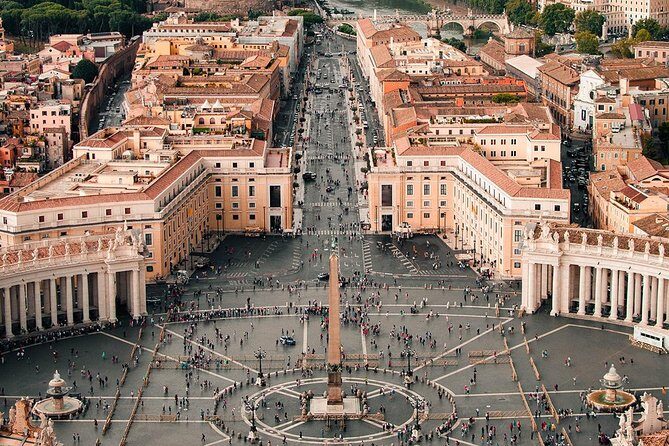
- Fast-track Vatican entry is the big time-saver here, with access to St. Peter’s Basilica and the Vatican Museums (including the Sistine Chapel).
- Two free choices with Roma Pass lets you pick the Roman heavy-hitters, while discounts cover dozens more sights across the city.
- Unlimited metro and buses means you are not trapped waiting for hop-on hop-off buses with uncertain timing.
- Several timed attractions require reservations (including Vatican Museums/Sistine Chapel and major Roman sites), so lock these in early.
- Galleria Borghese needs mandatory pre-booking, and it’s wise to do that well ahead of your dates.
What the Omnia + Roma Pass combo really covers

This pass is built around two overlapping ideas: get you through the Vatican with less queue time, then give you flexible admission and discounts for the rest of Rome.
The Omnia Vatican Card is your priority for the Vatican day. It covers general admission to the Vatican Museums and fast-track entry so you can spend your time inside the galleries, not parked in line. It also includes access to St. Peter’s Basilica with fast-track entry, which matters because the Vatican’s lines can get brutal. There’s also a free audio-guide option for Omnia holders (worth €10) that you can redeem at the entrance.
The Roma Pass is where you choose your Roman “free hits.” You get general admission to two out of the top picks—Colosseum, Roman Forum and Palatine Hill, Capitoline Museums, Castel Sant’Angelo, or the Museum of Rome. After that, you still get discounted entry to many other museums and monuments in the city, plus a Rome travel card for public transport.
Price-wise, $179.24 per person can make sense if you’re going after the big-ticket Vatican + at least two major Roman landmarks. If your plan is mostly casual strolls and only one paid attraction, you might not squeeze much value out of the bundle.
You can also read our reviews of more tours and experiences in Vatican City.
Your 72-hour window: why timing matters more than you think
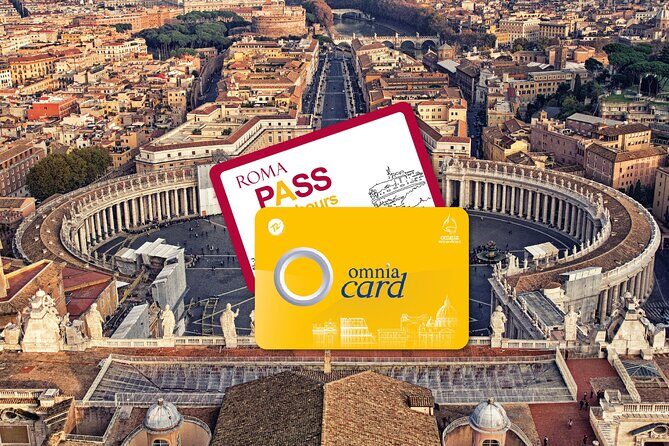
After you redeem your voucher for the Roma Pass and Omnia Vatican Card at one of the redemption centers, both cards run for 72 hours from your first use. That “start clock” is the hidden detail that can make or break value.
You’ll want to decide your first “big use” day carefully:
- Use the Vatican fast-track early in your window if that’s your priority.
- If you wait too long to start, you can accidentally compress time for timed reservations at the Colosseum/Forum or other popular sites.
There’s also a practical note: some parts of the system rely on you showing the right access info at the right entrance. Several real-world complaints in the past have come down to confusion during redemption or trying to use the card without having the correct reservation/time slot ready. You’ll reduce stress by handling the timed bookings early and keeping your pass details easily accessible on your phone.
Vatican day: entering the Sistine Chapel and Vatican Museums
If you only care about one “win,” it’s the Vatican fast-track entry. The Vatican Museums are Rome’s most packed museum circuit, and this card is designed to get you in faster so you can actually see things before you melt.
Inside, your schedule focuses on:
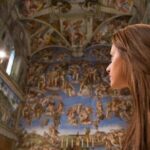
- Sistine Chapel (listed at about 2 hours with admission included)
- Vatican Museums (about 3 hours with admission included)
This is where you need to be strict with reservations. The Vatican Museums and Sistine Chapel require reservation time, and they’re extremely popular. If you’re the kind of person who likes to arrive and improvise, this is the part where you’ll feel the limits.
What’s worth knowing before you go:
- Plan your pace. Vatican Museums can be overwhelming. If you wander too long early, you may end up sprinting later just to reach the Sistine Chapel area.
- Bring your patience for security checks. Fast-track helps, but it doesn’t turn the Vatican into a back entrance.
A small but useful bonus: Omnia holders can redeem a free audio-guide worth €10 at the entrance. If you like short interpretive prompts instead of reading every label, that audio option helps you turn a huge building into something you can understand.
St. Peter’s Basilica is fast-track, but don’t assume zero waiting
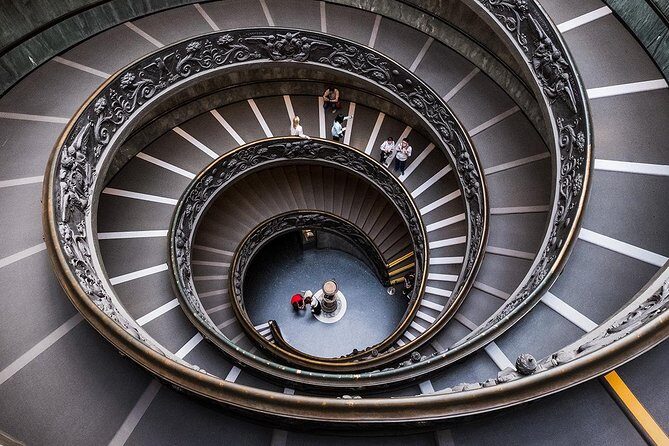
Your Omnia Vatican Card includes access to St. Peter’s Basilica with fast-track entry. This matters because St. Peter’s often has queues that feel endless, even for people who already have tickets.
The key consideration is that your experience depends on the day’s flow and your reservation situation. If your schedule is built around being there at a specific appointment time, show up a bit early and don’t treat it like casual museum wandering.
Also, dress matters. You should expect conservative requirements for entering Vatican religious spaces. If you’re traveling lightly, plan ahead so you don’t end up shopping last-minute for a workaround right before entry.
San Giovanni in Laterano: a major church most people skip
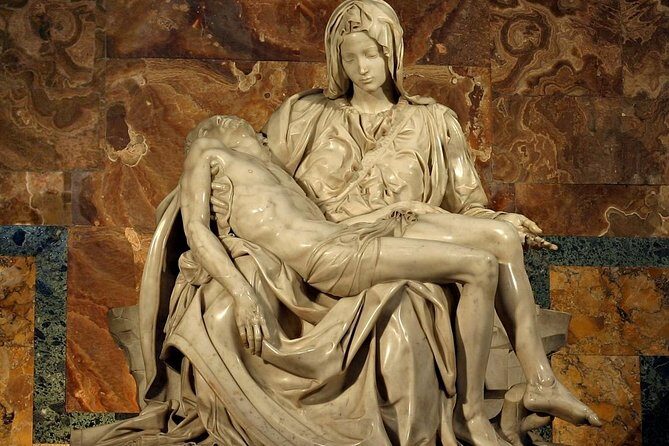
Between the Vatican’s big draws and Rome’s ancient ruins, Basilica of San Giovanni in Laterano is a smart palate cleanser. It’s the official ecclesiastical seat of the Pope and widely considered the oldest and most important church in Rome—facts that surprise a lot of people once they hear them.
Your visit includes:
- San Giovanni in Laterano plus its adjacent cloister areas (listed at about 2 hours with admission included)
What I like about this stop as a value play: it gives you high-impact architecture and religious symbolism without feeling like you’re trapped in the same crowds as the Vatican. It’s also a nice contrast. The Vatican is all famous art and giant lines; Lateran is history and atmosphere, plus the cloister as a quieter pause.
If you’re trying to balance “big ticket” sights with something calmer, this one is a good choice.

Roman Forum and Palatine Hill: pick your moment and commit
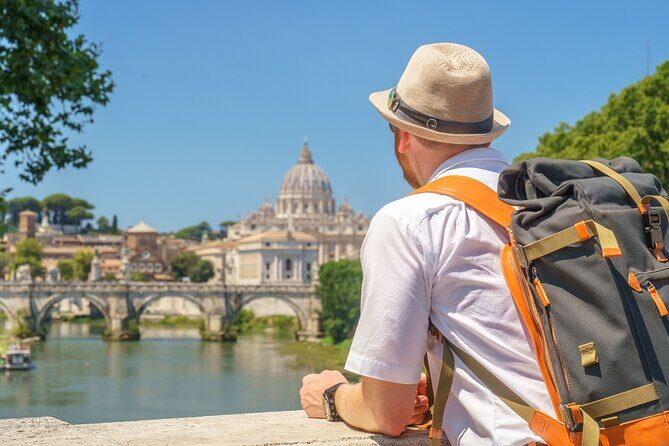
For the Rome side, the Roma Pass lets you get free entry to two of the top attractions. One of the strongest options is the Colosseum + Roman Forum + Palatine Hill cluster. In your plan, the focus lands on Foro Romano and Palatine Hill, with both listed at about 2 hours each.
The crucial detail is reservation. The Colosseum, Roman Forum, and Palatine require a reservation. If you don’t have that ready, you can end up waiting longer than you planned—sometimes longer than you’d expect based on the pass description.
Once you’re in, this is your chance to see Rome as an outdoor classroom:
- Foro Romano is a maze of ruins and ancient streets where you can imagine daily life and commerce.
- Palatine Hill sits above it all and helps you understand why this area mattered so much.
My practical advice: wear shoes you trust and plan a rhythm. Stop often, then keep moving. If you just walk straight through, you’ll lose the story. If you stop too long at every viewpoint, you’ll run out of time for the other sights.
Galleria Borghese and other timed tickets you must pre-book
One of the pass’s biggest “value versus effort” points is Galleria Borghese. It’s included, but pre-reservation is mandatory, and it’s strongly recommended to book at least 10 days in advance.
Why it’s worth emphasizing: Borghese is the kind of museum that people plan their trip around. If you want it, you should treat it like a non-negotiable appointment.
If you miss availability, you might lose the chance to do it during your 72-hour window. And while the Roma Pass and Omnia card cover admission, Borghese still requires that timed entry system to be handled in advance.
On the same timed-list theme, additional reservations apply to other high-demand sites such as Castel Sant’Angelo and Carcer Tullianum, and major Vatican and Roman sites as listed on your voucher instructions.
Castel Sant’Angelo and the Capitoline Museums: two hill stops, big payoff

Your pass includes Castel Sant’Angelo with admission, listed at about 2 hours. This is Rome’s fortress and mausoleum on the Tiber. You’ll get that mix of views, archaeology, and history you don’t always get from pure museum stops.
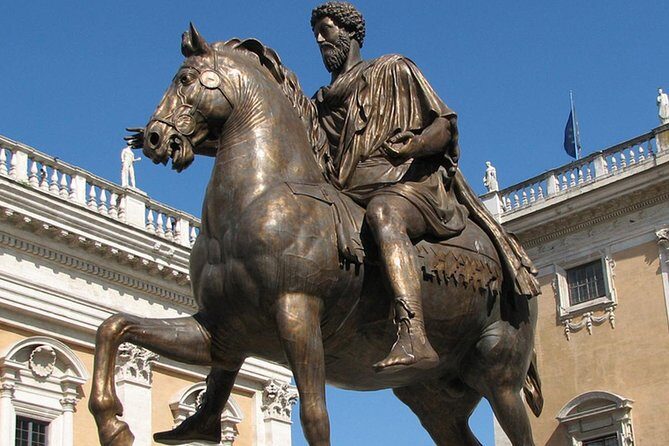
Then come the Capitoline Museums, listed at about 2 hours. They’re organized around the idea that art and artifacts belong in Rome’s own living center. You also get the payoff of the Michelangelo-designed piazza setting, which makes the area feel less like a ticket line and more like a place.
From the details you’re given, these are standout elements:
- the Capitoline She-wolf
- the Hall of Tapestries
- the museum courtyard
This pair works well because they are both scenic. You can jump between them without needing to mentally reset for a different kind of experience.
Discount stops that can turn your 3 days into a full Rome survey
The card’s real advantage shows up when you use the long list strategically. You won’t fit everything in three days, but the options let you build a route around weather, energy, and what timed reservations succeed.
Here are the museum and site options from your plan, with what each tends to offer:
- Museo della Civiltà Romana (listed at about 2 hours): good for connecting the dots between everyday Roman life and the big-name monuments.
- Museo Nazionale Etrusco di Villa Giulia (about 1 hour): a shift away from Rome-only focus, useful if you want broader ancient context.
- Museo di Roma – Palazzo Braschi (about 2 hours): Roman art history through medieval-to-modern periods, with highlights like frescoes, mosaics, ceramics, and costumes.
- Museo Pietro Canonica (about 2 hours): included on the discount list, a calmer choice if you want something a bit less crowded than the big headline museums.
- Museo Nazionale del Palazzo di Venezia (about 2 hours): another architecture-and-art setting that fits well when you want a museum break without leaving central areas.
- Centrale Montemartini (about 2 hours): a unique blend of context that can be a change of pace from classic museum layouts.
- Museo della Repubblica Romana e della Memoria Garibaldina (about 2 hours): a history-focused stop if you want Rome beyond ancient ruins.
- Museo Nazionale d’Arte Orientale Giuseppe Tucci (about 2 hours): an art and culture choice that widens the mental map.
- Galleria Nazionale d’Arte Moderna e Contemporanea (about 2 hours): modern and contemporary works for a change from classical galleries.
- Museo Napoleonico (about 2 hours): a specific theme stop that can feel fun if you like character museums.
- Parco Archeologico di Ostia Antica (about 2 hours): a major add-on for ancient-city vibes outside the core.
- Appian Way (Via Appia Antica) (about 1 hour): a classic “Rome beyond the center” experience, ideal if you want one outdoor ancient walking moment.
A key value tip: use the bus and metro pass to avoid time sinks between these choices. If you pick museums that are far apart, you’ll burn your 72 hours on transit and line-checks instead of seeing more.
Hop-on hop-off buses and the Rome travel card: how to move smart
This package includes two transport aids:
1) a 3-day hop-on hop-off Rome open bus ticket
2) a Rome travel card for unlimited public transport on buses and metro trains
The hop-on hop-off route is helpful for a quick overview and for getting to major areas like the Colosseum and St. Peter’s Basilica. It can also be useful if you want the freedom to jump off when something looks interesting from the window.
But here’s the practical part: the hop-on hop-off system can be slower than metro for fixed appointments, and buses don’t always behave like clockwork. I suggest treating the bus as a convenience layer, not your only plan for timed entries.
If you have a reservation at a specific time, use the metro/bus travel card to build in buffer time. Then use hop-on hop-off when you want easy sightseeing without thinking too hard.
Also note: with any open-bus system, stops can feel confusing when you’re tired and the city is busy. Keep your phone ready for stop locations, and consider starting your day earlier rather than later.
Price and logistics: is $179.24 worth it for your style?
At $179.24 per person, this works best for people who:
- want Vatican fast-track plus major Roman landmarks in a short window
- plan to use the Roma Pass free picks (two attractions) and also tap discounted museums when time allows
- want public transport included so you’re not calculating metro costs every day
It’s less likely to pay off if:
- you only want one or two paid attractions and most of your plan is walkable or already free
- you hate reservation planning and you tend to improvise time slots
- you expect a true VIP experience with no lines ever (even with fast-track, security and crowd flow still matter)
There’s also a family math detail. Child passes (ages 6–17) do not include a Roma Pass entry advantage, and child passes do not include a travel card. Many museums in Rome are free for under 18s, so younger kids may not need this card to get a good day out. Under 10s travel free on public transport, per the info you have.
Group size is capped at 15 travelers, which can help keep things manageable, but it still won’t eliminate the need for timed entries.
Should you book this Rome: Vatican Pass plus Top Attractions and Transport?
Book it if your trip includes the Vatican Museums/Sistine Chapel and you’re also serious about at least two big Roman sights from the Roma Pass list. The value is strongest when you use the included transport, handle reservations early, and treat the 72-hour window like a real sprint.
Skip it (or buy parts separately) if your style is mostly spontaneous, your calendar is flexible, and you don’t want to manage timed bookings. Also think twice if you know you’ll miss reservations because you travel slowly, because this pass is only as useful as your ability to claim the right time slots.
If you’re organized, this is a practical way to reduce the biggest Rome bottlenecks—especially the Vatican.
FAQ
How long are the Omnia Vatican Card and Roma Pass valid?
After you redeem your voucher, both cards are valid for 72 hours starting from your first use.
What does the pass include for transport in Rome?
It includes a travel card for unlimited public transport on buses and metro trains, plus a 3-day hop-on hop-off open bus ticket.
Are reservations required for the Vatican and other major sites?
Yes. The plan notes that reservations are required for the Sistine Chapel and Vatican Museums, and also for major Roman entries like the Colosseum, St Peter’s Basilica, Carcer Tullianum, Borghese Gallery, and Castel Sant’Angelo.
Do I get a free audio-guide?
Yes. Omnia Pass holders can redeem a free audio-guide worth €10 at the entrance.
How many attractions are free with the Roma Pass?
Roma Pass includes general admission to two attractions of your choice among the top options listed (such as Colosseum, Roman Forum and Palatine Hill; Capitoline Museums; Castel Sant’Angelo; Museum of Rome).
Is Galleria Borghese included, and does it require planning?
Galleria Borghese is included, and pre-reservation is mandatory. It’s recommended to book at least 10 days in advance.
Is the experience refundable or changeable?
No. This experience is non-refundable and cannot be changed for any reason.