REVIEW · MUSEUMS
Small group: Capitoline Museums
Book on Viator →Operated by Rome Tour · Bookable on Viator
Rome’s art comes in full force here. The Capitoline Museums sit on Capitoline Hill and hold one of the world’s oldest public art collections, so you’re not just looking at famous pieces—you’re walking through how Romans thought about power, myth, and art across centuries. I especially love the chance to see the She-wolf and the founding legend stuff (Romulus and Remus) up close, and I like how the guide connects sculptures to the city’s story instead of treating them like isolated statues. One possible drawback: the pace can feel tight at the end of long days, and on holiday dates with shorter hours the tour can feel a bit rushed.
This is a small group tour (max 15) with a real guided experience, and you get entrance included for about 2 hours. The meeting point is Piazza Venezia, and the tour ends back there, which makes it easy to plug into a day of Rome without extra transit.
In This Review
- Key things that make this Capitoline Museums tour worth your time
- Getting started at Piazza Venezia (and why it matters)
- Capitoline Square: where civic Rome shows itself
- The museum’s big Roman moments: She-wolf, Romulus and Remus, and empire statues
- Bernini’s Medusa: myth with Baroque intensity
- Hercules and the “Good luck” stop: strength and everyday symbolism
- Capitoline Venus and Dying Galata: beauty and tragedy in the same breath
- What about Caravaggio, Titian, Rubens, Tintoretto?
- Roman mosaics and ancient bronzes: the quieter stops that stick
- Price and time math: what $173.64 buys you
- Pace, language, and holiday reality checks
- Who this tour is best for (and who should skip it)
- Should you book this Capitoline Museums small-group tour?
- FAQ
- How long is the Capitoline Museums small-group tour?
- What’s the group size limit?
- Where is the meeting point, and where does the tour end?
- Is museum admission included in the price?
- What famous artworks will I see?
- Do I need to pay for tips?
- Is this tour refundable if I cancel?
- When will I get confirmation after booking?
Key things that make this Capitoline Museums tour worth your time
- Oldest public museum energy: You start in the kind of collection Romans were proud to share with the public long ago.
- Close encounters with crowd magnets: Works like the Capitoline She-wolf, Medusa (Bernini), and Dying Galata are big “stop-and-stare” moments.
- You get both sculpture and painting: Expect major artists like Caravaggio, Titian, Rubens, and Tintoretto in the mix.
- Roman power on display: Colossal pieces tied to emperors and civic identity—like Constantine I and Marcus Aurelius.
- Myth + politics, side by side: The guide ties monsters, founders, and heroes to what Romans valued.
- Small group pacing: Fewer people means you can actually look, not just shuffle past.
Getting started at Piazza Venezia (and why it matters)
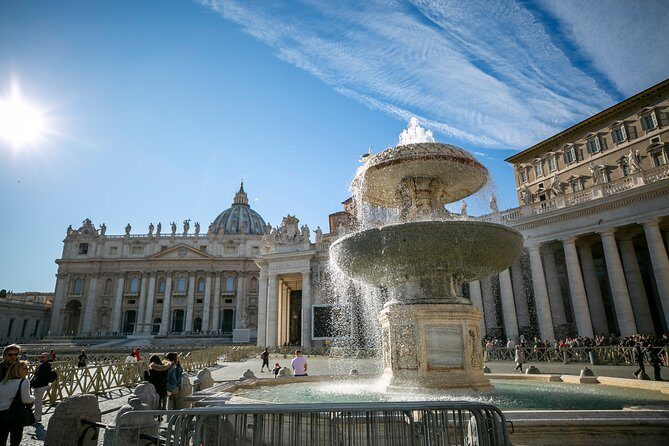
I like meeting tours at Piazza Venezia because it’s a central anchor. You’re already in a walkable, sight-rich part of Rome, so you can build this into your day without mystery logistics. The tour ends back at the meeting point too, which saves you the hassle of planning how to get home or to your next stop.
One practical note: if you’ve got a tendency to arrive right on time, give yourself a cushion. A small snag can happen when you’re looking for the guide in a busy public square. I’d plan to be there a bit early so you can locate your group calmly.
You can also read our reviews of more museum experiences in Rome



Capitoline Square: where civic Rome shows itself
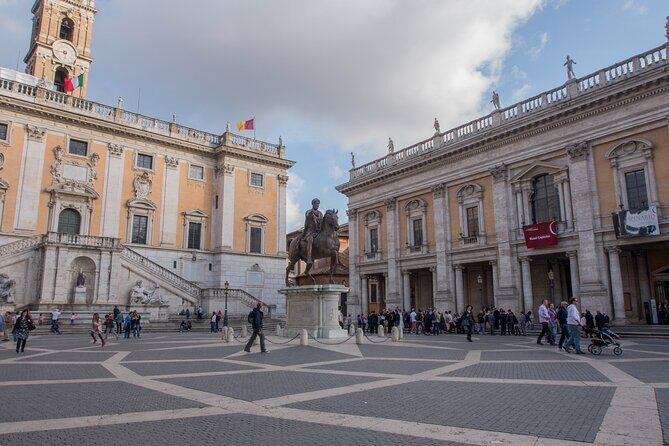
The tour begins at Musei Capitolini in Capitoline square. That setting isn’t just a backdrop—it frames what you’re about to see. Capitoline Hill was the stage for a lot of Rome’s “we’re the center of the world” messaging, and the museum collection keeps that theme going in stone and bronze.
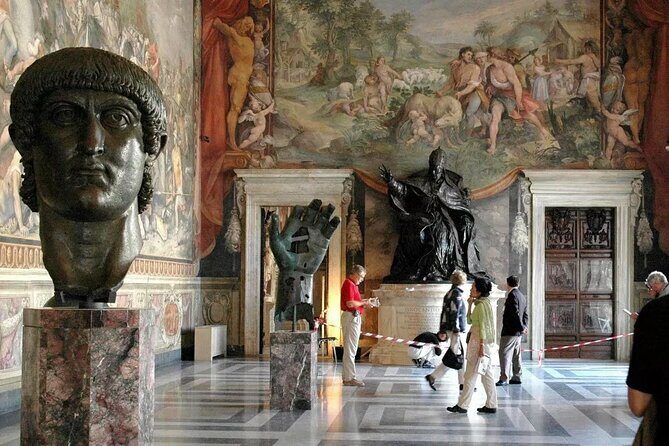
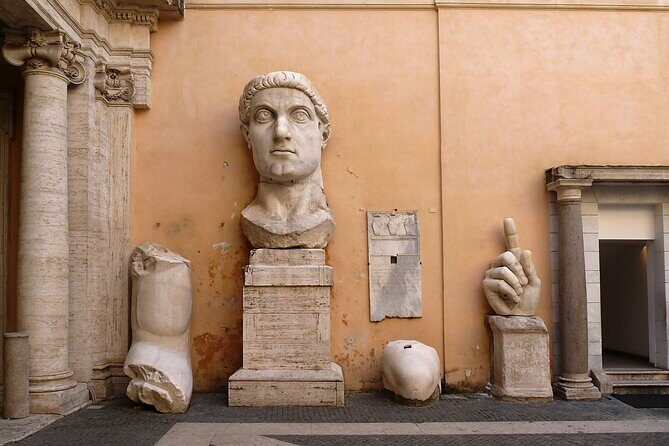
Right away, you’ll be able to connect the dots between the site and the objects. Seeing the colossal statue of Constantine I in this context helps the piece land in your brain. This isn’t just art for art’s sake; it’s about authority that wants to be noticed from far away.
You’ll also encounter the spinaio, one of those sculptures people reference constantly. It’s the kind of work that makes you stop because it’s both graceful and strange in a very Roman way—human anatomy, movement, and storytelling all at once.
The museum’s big Roman moments: She-wolf, Romulus and Remus, and empire statues
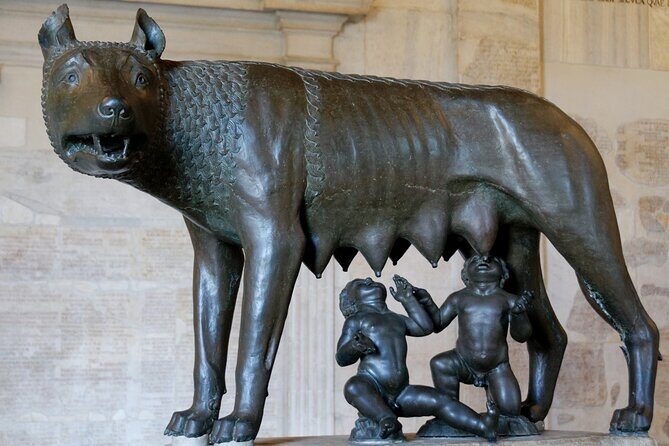
This is where the Capitoline collection earns its reputation fast.
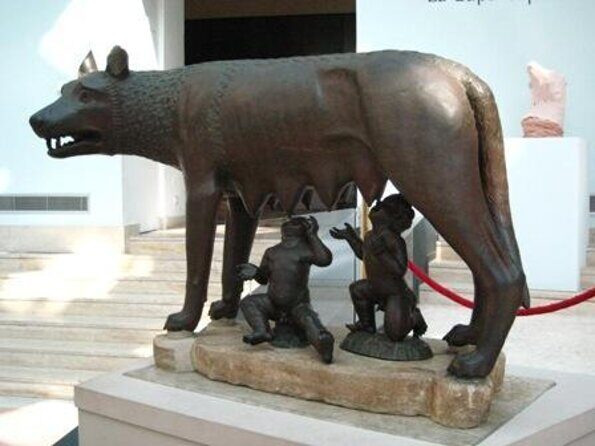
You’ll see the Capitoline she-wolf, a sculpture that’s basically shorthand for Rome’s origin story. It’s the moment where myth becomes a physical object people can visit, point to, and argue about. Standing close helps you notice details you’d miss in photos—how the figures relate to the space around them, and how the whole composition pulls your eye.
Right after that, you’ll move into the founding-legend territory with Romulus and Remus. For me, that pairing is key: myth isn’t presented as a bedtime story. It’s presented like a civic brand—something Rome wanted to keep visible.
Then you’ll spot the statue of Marcus Aurelius. This is one of those “Roman calm strength” statements. It helps balance the founding-myth drama with a ruler whose image is about rule that feels controlled rather than chaotic. If you’re the type who likes reading art as messaging, this part will click.
Bernini’s Medusa: myth with Baroque intensity
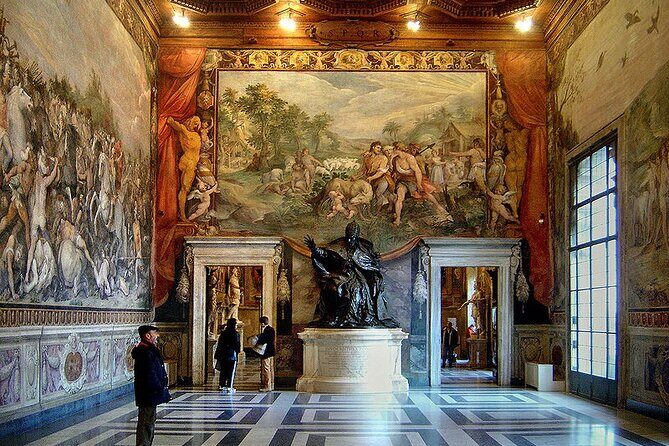
Next comes Medusa (Bernini). This is a very different mood from the Roman civic pieces. Bernini’s approach leans into motion and tension—figures that feel like they’re reacting, not just posed.
What I like about this stop is the mental contrast. One minute you’re looking at founding symbols and imperial imagery. The next you’re in a work that feels alive with drama. It’s a great example of how the same themes—myth, fear, power—show up again and again, but with different artistic tools across centuries.
If you’re worried about spending too much time in the “photo zone,” this is a strong moment to slow down. Stand at different angles and let your eyes do the work. Even in a busy museum, this one invites it.
Hercules and the “Good luck” stop: strength and everyday symbolism
Among the highlights are Capitoline Hercules and a Good luck sculpture. That might sound like random variety, but it isn’t. You’re seeing two sides of Roman messaging:
- Hercules points to strength, endurance, and hero status.
- Good luck points to the everyday side of belief—hope, protection, and the idea that fortune could be managed.
This is one of the reasons I like this particular tour structure. It doesn’t keep you stuck in one theme like emperors only or myth only. It keeps mixing it up so you feel how Romans used art to cover everything from big propaganda to daily meaning.
Drawback to consider: if you’re coming in with a long list of specific works you want to see, this kind of museum tour can feel like it covers many favorites without giving any one painting or sculpture an entire hour to itself. The payoff is variety, but your pace expectations should match the total tour time.





Capitoline Venus and Dying Galata: beauty and tragedy in the same breath
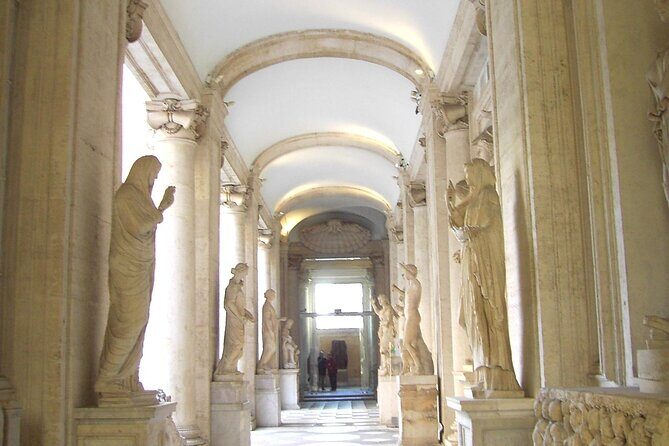
You’ll end up with Capitoline Venus and Dying Galata among the most talked-about stops.
Capitoline Venus is about idealized beauty, but it’s also a reminder that Rome loved to adopt Greek themes and remake them with Roman taste. Seeing it after the heavier emperor and myth stops helps you feel the museum’s range.
Then comes Dying Galata, another sculpture that pulls people in because it looks like a human moment trapped in stone. It’s tragedy, movement, and vulnerability—what makes it memorable is how it makes you think about who’s watching, who’s winning, and what the scene is trying to communicate.
If you only have two hours, these are the works I’d bet you won’t forget.
What about Caravaggio, Titian, Rubens, Tintoretto?
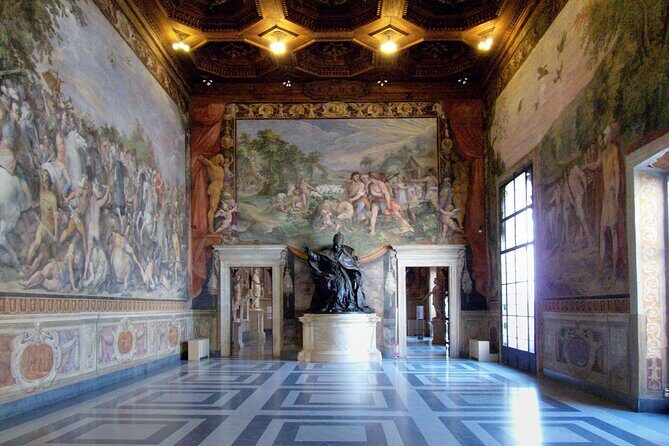
The tour also includes major painting highlights, including Caravaggio, Titian, Rubens, and Tintoretto, plus other masterpieces. That matters because the Capitoline Museums aren’t only about sculpture. The building and collection let painting live in the same story of Rome’s changing tastes over time.
Here’s how to get the most from the painting portion: don’t treat it as a separate experience. Keep asking how the artists use drama, light, and theme in ways that match what you saw in sculpture. You’ll notice the same kind of thinking—power, myth, emotion—just expressed with paint instead of marble.
And yes, you’ll likely move through rooms at a good pace. That’s the trade for fitting a lot into a compact, guided format.
Roman mosaics and ancient bronzes: the quieter stops that stick
Highlights mention ancient bronzes and Roman mosaics too. These are the parts that often reward your attention, even if they don’t dominate the Instagram feed.
I like mosaics because they train your eyes to slow down. You start noticing how the tiny pieces make patterns that feel bigger than they are. With bronzes, you get the other kind of satisfaction: small objects that show how skilled Roman metalwork could be, down to surfaces that catch light differently as you shift your position.
If you tend to rush through museums, try this trick: pick one bronze and one mosaic and spend an extra minute on each, even if your brain says you should be seeing the next famous work. Those are the details that make the whole visit feel personal.
Price and time math: what $173.64 buys you
At $173.64 per person, this isn’t a budget museum stroll. But it also isn’t overpriced for what you’re getting—especially if you’ve got limited time in Rome.
Here’s what’s included:
- Guided tour
- Entrance tickets
- Tax
You’re paying for a guide who helps you connect the dots across ancient sculpture, myth, and later painting. In a museum as broad as Capitoline, that guidance is what keeps the visit from becoming a checklist. A two-hour format also matters: it’s long enough to hit key works and still short enough to keep you from burning half your day indoors.
If you already know museum trivia and prefer to wander solo, you could save money and go without a guide. But if you want the fastest route to understanding what you’re seeing, this price can make sense.
Pace, language, and holiday reality checks
This tour runs about 2 hours, and the group is limited to 15. That small size is a big deal here because Capitoline Museums can get crowded in certain rooms. Smaller groups help you keep your place and let the guide adjust when a key sculpture demands extra time.
One consideration I’d flag: guide clarity can vary. One recent experience noted the guide was a little tough to understand. If you’re sensitive to language nuance, it’s worth asking early that you can hear clearly and follow explanations.
And if you’re visiting around holidays, treat this as a “best effort” visit rather than a perfectly paced timeline. New Year’s Eve hours can shorten the museum day, and that can make even a well-run tour feel rushed.
Who this tour is best for (and who should skip it)
I’d recommend this for:
- First-timers to Rome who want a concentrated look at major museum highlights
- People who like understanding art in context, not just naming famous works
- Anyone with limited time who still wants ancient sculpture plus big-name painting
You might want a different plan if:
- You want a long, slow museum day with deep study
- You’re okay paying for fewer stops and would rather wander independently at your own pace
- You strongly prefer quiet spaces over guided pacing
Should you book this Capitoline Museums small-group tour?
Yes, I think you should book it if you want the “best hits” version that still feels guided and meaningful. The biggest advantage is the mix: Roman origin myth and imperial imagery, plus Baroque drama with Bernini, plus major painting names like Caravaggio and Rubens. In about two hours, you get enough context to make the sculptures and paintings feel like part of one story.
If you’re choosing between going alone and paying for the guide, I’d choose the guide—especially if you don’t want to spend your museum time trying to figure out what matters. Just arrive a little early at Piazza Venezia so the only thing you’re hunting is the next famous face in the collection.
FAQ
How long is the Capitoline Museums small-group tour?
It’s approximately 2 hours.
What’s the group size limit?
The tour has a maximum of 15 travelers.
Where is the meeting point, and where does the tour end?
The tour starts at Piazza Venezia, Roma RM, Italy and ends back at the meeting point.
Is museum admission included in the price?
Yes. Entrance tickets are included, along with the guided tour and tax.
What famous artworks will I see?
You’ll see highlights such as the Capitoline She-wolf, Capitoline Venus, Dying Galata, and Medusa (Bernini), plus works by artists including Caravaggio, Titian, Rubens, Tintoretto, and more.
Do I need to pay for tips?
Tips are not included.
Is this tour refundable if I cancel?
No. It is non-refundable and cannot be changed for any reason.
When will I get confirmation after booking?
Confirmation will be received at the time of booking, unless you book within 2 days of travel, in which case confirmation is received within 48 hours subject to availability.