REVIEW · VATICAN TOURS
Skip-the-line Vatican, Sistine Chapel&Basilica Tour W Local Guide
Book on Viator →Operated by Private Tours of Rome · Bookable on Viator
You can feel the Vatican’s scale fast. This 3-hour small-group tour gets you into Vatican City without losing half your day in lines, then pairs big-ticket art with clear stories from a local art historian-style guide. I like that it keeps the group to 10 guests or fewer, so you actually hear the explanations, not just the echo. I also like the tight routing that hits Vatican Museums, the Sistine Chapel, and St. Peter’s Basilica in one go. One drawback to consider: the Basilica and/or Sistine Chapel might be off-limits during special celebrations, and access can change last minute.
The best part is how the tour connects rooms and paintings. You start with ancient sculpture and mosaics, then you move into Raphael’s rooms, and finally you end in the two most famous interiors in Rome. You’ll walk away with a sense of how popes, artists, and power shaped the Vatican into one giant art project.
Before you go, check your outfit. You need shoulders and knees covered (no shorts or sleeveless tops), or entry can be refused at the doors.
In This Review
- Key things I’d circle before you book
- Entering the Vatican without a queue tax
- Vatican Museums: ancient sculpture and Roman craft, in order
- Stanze di Raffaello: Raphael’s schoolbook, but in real rooms
- Sistine Chapel: short timing, big payoff
- St. Peter’s Basilica: side chapels, Pietà, and the dome story
- St. Peter’s Square finish: a calm landing after big interiors
- Price, value, and how to think about what you’re buying
- Getting the most out of your 3-hour route
- Should you book this Vatican, Sistine Chapel, and St. Peter’s tour?
- FAQ
- How long is the Vatican, Sistine Chapel and Basilica tour?
- Is this a small group tour?
- Does the price include admission tickets?
- Is the tour skip-the-line?
- What language is the tour in?
- Do I need to meet a dress code?
- Where do we meet, and where does it end?
- Is hotel pickup or drop-off included?
- What if the Sistine Chapel or St. Peter’s Basilica are not accessible?
Key things I’d circle before you book
- Guaranteed skip-the-line entry to reduce wasted time inside the gates
- Small group (10 or less) so you can follow the art explanations
- Real art highlights: Belvedere Apollo, School of Athens, Creation of Adam, and the Pietà
- Time pacing that works: 1 hour Vatican Museums, then shorter but focused stops
- Practical prep: lockers available for umbrellas and large bags before the tour begins
- Ends in St. Peter’s Square for an easy finish and photo moment
Entering the Vatican without a queue tax
This is the kind of tour that respects your time. Instead of spending your morning shuffling forward with thousands of other people, you get skip-the-line admission so your guide can start showing you what matters early. At a total duration of about 3 hours, the route feels efficient rather than rushed, especially because the stops are broken into bite-size segments.
You’ll meet at Viale Vaticano, Roma RM, Italy and the tour ends back near the same meeting point. That matters because it reduces friction at the start and finish. You don’t need a complicated transit plan in the middle of the day.
Also, plan for a small amount of crowding once you’re inside. Even with skip-the-line access, Vatican security and the flow between rooms can get busy. The good news: with a small group and a guide leading the way, you keep your bearings fast.
You can also read our reviews of more guided tours in Rome



Vatican Museums: ancient sculpture and Roman craft, in order
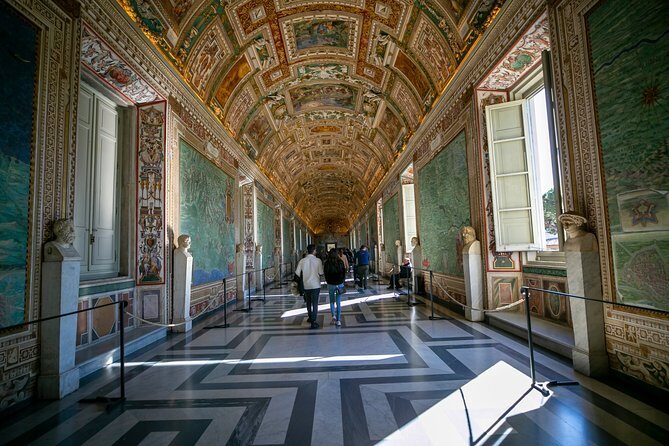
The first stop is Vatican Museums, and the structure is smart. You don’t start with the most famous chapel. You start with the collection-building logic behind it: ancient Greek and Roman works that popes collected and showcased for centuries.
Your guide will point out major pieces like the Belvedere Apollo, a set of well-known sculptures and fragments including the Torso, and notable busts such as those of Claudius and Hadrian. You’ll also hear about the Sarcophagi of Helen and Constance, tied to Emperor Constantine’s family—exact details vary by exhibit context, but the point is that these objects have political and personal meaning, not just decorative value.
If you like when art history becomes concrete, you’ll likely enjoy the way the tour moves through different gallery themes. You pass through areas such as the Room of Animals and the Gallery of Candelabra, then you get into Roman mosaics. That mix keeps your eyes awake and your brain engaged. After all, mosaics and sculpture land differently than paintings do.
You’ll also get guided attention on statuary and scholarly subjects, including works associated with Diana of Ephesus, the Muses, and celebrated Greek scholars. Those names help you notice patterns: the Vatican wasn’t just collecting beauty. It was collecting ideas about culture and learning.
A practical note: this stop is about 1 hour. That’s enough time to make real progress across the museums, but it’s not long enough to see everything. If your goal is to browse every room at your own pace, you’ll want more time in the Vatican than this tour allows. If your goal is to see the best of the best with context, 1 hour is the right size.
Stanze di Raffaello: Raphael’s schoolbook, but in real rooms
Next comes the Stanze di Raffaello, where the tour shifts from ancient craft to Renaissance ambition. This part lasts about 30 minutes, and it’s focused in a good way: you get into the rooms with major commissions without getting lost in art-light clutter.
You’ll visit areas tied to tapestry galleries and the Sobieski Hall, then you’ll reach the famous Rooms of Raphael. The works here were painted by Raphael and his pupils for Pope Julius II, and the guide’s job is to translate what you’re looking at into something you can actually remember after you leave.
Two highlights usually anchor the experience: the frescoes linked to the School of Athens and Parnassus. These paintings are packed. If you try to read them alone at full speed, you can miss the relationships between figures and the symbolism. With a guide, you’re more likely to catch how the images connect philosophy, theology, and the Renaissance view of ancient thought.
The drawback here is also simple: 30 minutes doesn’t mean you can linger. This stop is more about clarity and key scenes than slow wandering. If you’re the type who loves to sit and study brushwork for an hour, you’ll probably want to return later with extra time after the tour.
Sistine Chapel: short timing, big payoff
Then you go to the Sistine Chapel, the room most people plan their whole Rome trip around. Your time inside is about 15 minutes, which sounds brief until you realize something important: you’ll spend that time looking upward and absorbing a few major fresco cycles without being swallowed by the whole crowd-energy thing.
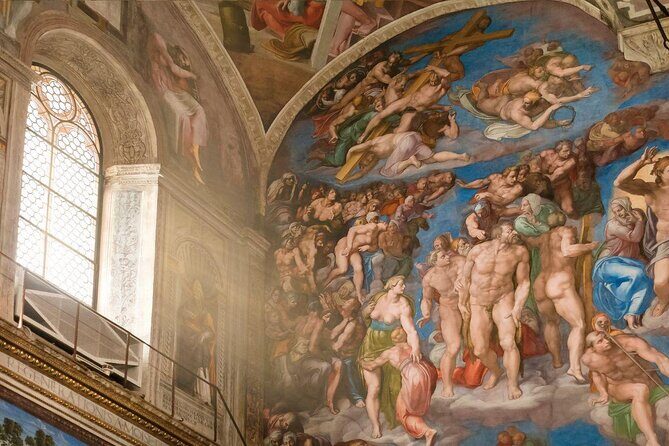
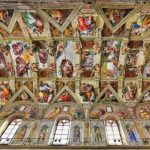
Michelangelo’s frescoes are the headline. You’ll see The Last Judgement, the Creation of Adam, and the Genesis scenes. Your guide will also point out more subtle layers—especially details from stories connected to Moses and Jesus, painted by Botticelli, Perugino, and other Renaissance artists.
Here’s why the timing works: the Sistine Chapel is visually overwhelming. A short, guided visit keeps you from doing the common mistake of trying to see everything at once and remembering nothing. With the guide’s narration, you can anchor your memory on a handful of scenes and then recognize related moments as you look around.
One more consideration: entry may not be possible in rare cases. The tour notes that the Basilica and/or the Sistine Chapel might be inaccessible due to special celebrations, and that can happen at very last minute. If that occurs, you can still go after the tour, but you should assume queueing.
St. Peter’s Basilica: side chapels, Pietà, and the dome story
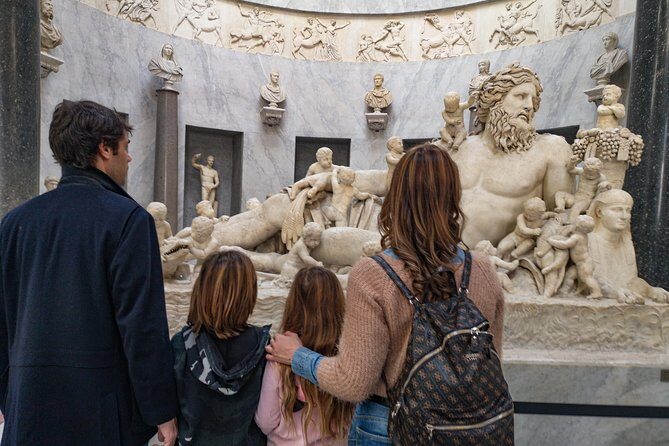
After the Sistine Chapel, you shift into St. Peter’s Basilica, with about 30 minutes for the highlights. This is the kind of space where you feel small in a good way, because the scale is emotional, not just visual.
Your guide leads you through the side chapels and points out hidden crypts within the basilica complex. You’ll also see Michelangelo’s Pietà and learn a key detail: why it is the only work of Michelangelo that he signed. That kind of fact changes how you view the sculpture. You start looking for intention instead of just admiring technique.
You’ll also get explanations around Bernini’s altarpiece and hear how the guide frames Michelangelo’s role and recognition connected to the dome. Even if you’ve read bits of these stories before, it’s easier to connect the pieces when someone ties the art to the people and the competition behind it.
The tradeoff again is time. Thirty minutes isn’t enough to do a slow circuit of every altar and chapel. It’s enough to understand where the biggest artistic and spiritual beats are, and it gives you a strong starting point if you want to explore further later.
You can also read our reviews of more tours and experiences in Rome
- Skip-the-Line Group Tour of the Vatican, Sistine Chapel & St. Peter’s Basilica
★ 4.5 · 12,779 reviews



St. Peter’s Square finish: a calm landing after big interiors
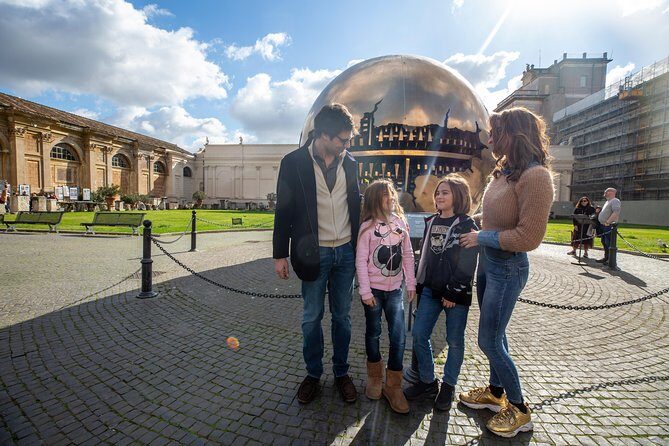
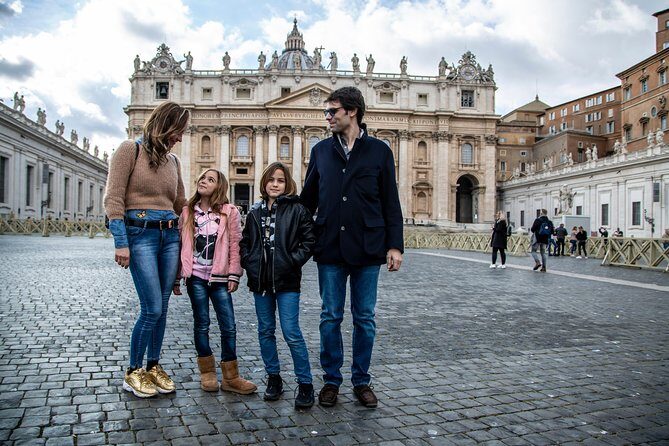
The tour ends in St. Peter’s Square after a short walk, with about 15 minutes there. This is a smart ending because you step out of the pressure-cooker of indoor lines and crowds into an open space where your eyes can rest.
It’s also a good moment to orient yourself for the rest of your day. From here, you can decide whether you want a quick coffee nearby, a longer Vatican-area stroll, or a second look at a spot you didn’t fully take in during the tour.
If you’re taking photos, remember that St. Peter’s Square rewards position. Try a couple angles quickly, then move on—don’t spend your whole last 10 minutes fighting for the perfect shot.
Price, value, and how to think about what you’re buying
At $426.54 per person, this isn’t a budget option. But it isn’t just paying for access. You’re paying for three concrete things:
First, you’re paying for skip-the-line admission to multiple major stops. In the Vatican, time saved can be worth real money because it protects your schedule and reduces your stress.
Second, you’re paying for guided art interpretation across three big themes: ancient sculpture and mosaics in the museums, Raphael’s storytelling in the Stanze di Raffaello, and the fresco logic inside the Sistine Chapel. A good guide turns iconic images into something you understand, not just something you photograph.
Third, you’re paying for group size control. A small group of 10 or fewer means less waiting at key corners and better odds you’ll hear the explanation when you’re close to the guide.
One more detail that affects value: you get a mobile ticket, which helps reduce friction. And the tour is offered in English, which matters if you’re traveling with limited language flexibility.
Who is this best for?
- You want the biggest Vatican highlights with clear guidance
- You prefer short, structured visits rather than self-guided wandering
- You’d rather pay to reduce line stress than spend extra hours trying to fit it all in
Who might want something else?
- You’re the slow museum browser who plans to spend half a day in Vatican Museums alone
- You want full time inside St. Peter’s Basilica without a fixed schedule
- You’re traveling as a group that requires maximum flexibility if special celebrations block access
Getting the most out of your 3-hour route
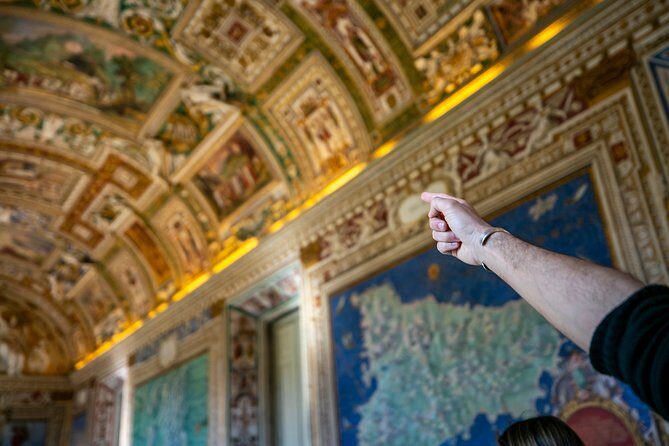
If you want this to feel like a win, come prepared.
Start with clothing. Make sure your outfit meets the worship and museum dress code: knees and shoulders covered. No shorts. No sleeveless tops. If you ignore this, entry risk becomes real.
Second, pack smart. The tour notes you can drop items such as umbrellas and large bags in lockers before the tour begins. Traveling with a backpack you can compress is easier. If you show up with a suitcase of chaos, you’ll spend your morning dealing with it.
Third, accept that each stop is a curated hit list. This tour isn’t pretending you’ll see the whole Vatican. It’s designed to help you see the scenes that define the experience and understand why they matter.
Finally, plan your next move. Since the tour finishes back at the meeting point, you can continue in the Vatican area without needing to navigate something complicated right afterward.
Should you book this Vatican, Sistine Chapel, and St. Peter’s tour?
I’d book it if you want the core Vatican highlights in one efficient go, and you value interpretation more than browsing. The skip-the-line element plus a small group size is the winning combo. If you’re trying to do Vatican Museums, Raphael rooms, the Sistine Chapel, and St. Peter’s Basilica on limited time in Rome, this format saves you from the most painful part of the Vatican: losing hours to crowds and queueing.
I would think twice if you can’t handle strict visit timing or you need a slower pace for deep reading. Also factor in the dress code and the remote chance that special celebrations could affect access to the Sistine Chapel or Basilica.
One practical caution: the experience is non-refundable and cannot be changed. So if your schedule is shaky, have a Plan B day in Rome before you commit.
If your schedule is solid and you want to leave with an understanding of what you saw—rather than just a memory card full of images—this is a strong, high-value way to tackle the Vatican.
FAQ
How long is the Vatican, Sistine Chapel and Basilica tour?
It runs for about 3 hours.
Is this a small group tour?
Yes. The tour is described as a small group of 10 guests or less.
Does the price include admission tickets?
Yes. Admission tickets are included for the Vatican Museums, Stanze di Raffaello, Sistine Chapel, and St. Peter’s Basilica.
Is the tour skip-the-line?
Yes. It includes guaranteed skip-the-line admission.
What language is the tour in?
The tour is offered in English.
Do I need to meet a dress code?
Yes. Knees and shoulders must be covered for both men and women. Shorts and sleeveless tops are not allowed.
Where do we meet, and where does it end?
You start at Viale Vaticano, Roma RM, Italy, and the activity ends back at the meeting point.
Is hotel pickup or drop-off included?
No. Hotel pickup and drop-off are not included.
What if the Sistine Chapel or St. Peter’s Basilica are not accessible?
The tour notes that the Basilica and/or the Sistine Chapel might not be accessible due to special celebrations and it can be known very late. If that happens, you can still visit after the tour, but you may need to queue.