REVIEW · FOOD & DRINK
Shades of Italian Terroir – a tasting of minimal intervention wines
Book on Viator →Operated by VinoRoma Wine Studio & Social Club · Bookable on Viator
One great way to understand Italian wine is to taste it. This Rome experience is a guided lesson through six minimal-intervention wines from across Italy, taught in a relaxed way that builds your palate fast. You’ll start with a quick refresher on how to taste, then move wine-to-wine while your guide explains what makes each style tick.
Two things I really like: you get professional guidance from a certified sommelier/wine educator (Frank is one example of the staff experience you may encounter), and you taste a focused set of six wines rather than a random grab bag. The other strong point is the way they connect wine to the land—so you’re not just learning flavors, you’re learning how region, soil, climate, and technique shape what’s in your glass.
One possible drawback: it’s a small, structured class, so if you’re hoping for a long, loose bar-hopping vibe, this may feel more like a learning session than a party. Also, kids under 12 aren’t admitted, and teens 12–16 can attend only if they stay quiet during the tasting.
In This Review
- Key highlights to watch for
- Entering VinoRoma in Rome: a calm, guided start
- The tasting lesson: how you’ll think about wine, not just drink it
- Six minimal-intervention wines: what changes between each pour
- What to pay attention to while you taste
- Finger foods pairing: learning how wine fits the Italian table
- Low-intervention and neuro-enology: ideas explained in plain language
- Who should book this tasting (and who might skip it)
- Price and value check: what $96.12 buys you
- Practical tips for your best night
- Should you book Shades of Italian Terroir in Rome?
- FAQ
- How many wines do I taste?
- How long is the tasting?
- Is it offered in English?
- Where does the tasting start?
- Who can participate if I’m traveling with kids?
- What’s the cancellation policy?
Key highlights to watch for
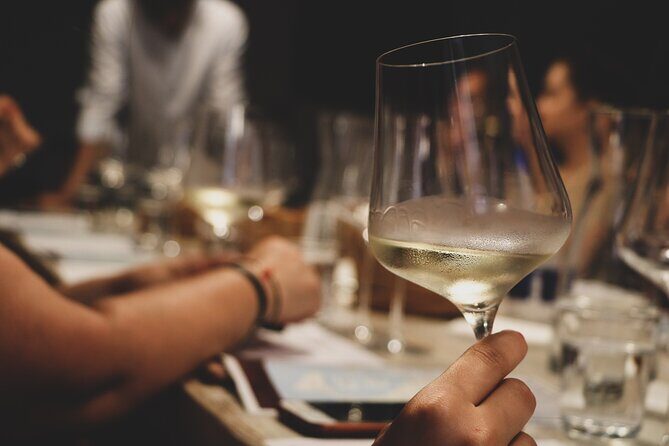
- Six low-intervention pours with explanations that help you name what you’re tasting
- A small max group size (12) that keeps questions and pacing realistic
- Printed learning materials so you can remember the big ideas later
- Finger foods pairing that shows how wine works at the Italian table
- A guide who adjusts to your level, from first-timers to wine nerds
Entering VinoRoma in Rome: a calm, guided start
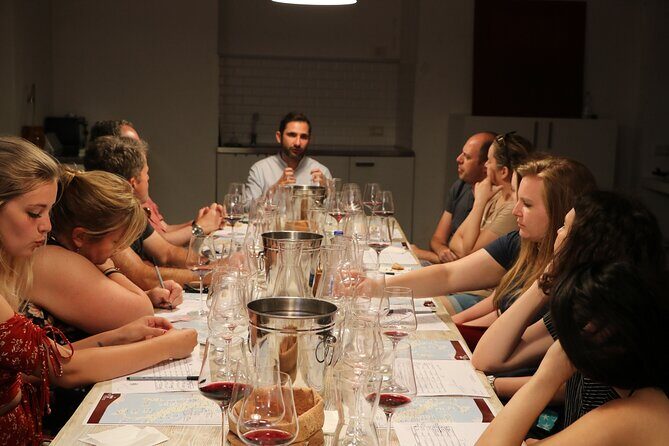
This tasting happens at VinoRoma Wine Studio & Social Club on Via in Selci, 84/G, starting at 5:00 pm. The studio setup is meant for a classroom-meets-tasting-room feel, not a noisy walk-in wine bar. Since it’s close to public transport, you can fit it into an evening without stressing over a long ride across town.
What makes the start important is the timing and the tone. You’re only in this for about two hours, so the host needs you ready to pay attention right away. They begin with a quick tasting refresher, which is great if you sometimes stare at wine and wonder what you’re supposed to do with it.
If you’re the type who wants to feel confident, this structure helps. You’ll learn how to observe, how to describe what you notice, and how to connect those observations to real winemaking choices later on.
You can also read our reviews of more food & drink experiences in Rome


The tasting lesson: how you’ll think about wine, not just drink it
Before the six wines, expect a short reset on the steps of wine tasting. That matters more than people think. If you skip this part, you often taste by mood—then later you can’t explain why one glass worked and another didn’t.
In this session, the guide uses each pour to teach you how to refine your perceptions. You’ll get nudged to notice things like body, acidity, texture, aromatic profile, and finish, then translate those observations into simple takeaways for future bottle choices.
Here’s the practical win: you’ll learn how your own palate works. That means you’re not just memorizing facts about regions; you’re training your brain to make smarter decisions in a shop or at dinner. They also talk about pairing basics, so you’re not left guessing once you’re back in your hotel room deciding what to order.
And because the group is small, your questions can actually steer the discussion. If you’re brand new, the guide can stay at the fundamentals. If you already know the basics, you’ll still get pushed a couple steps further.
Six minimal-intervention wines: what changes between each pour
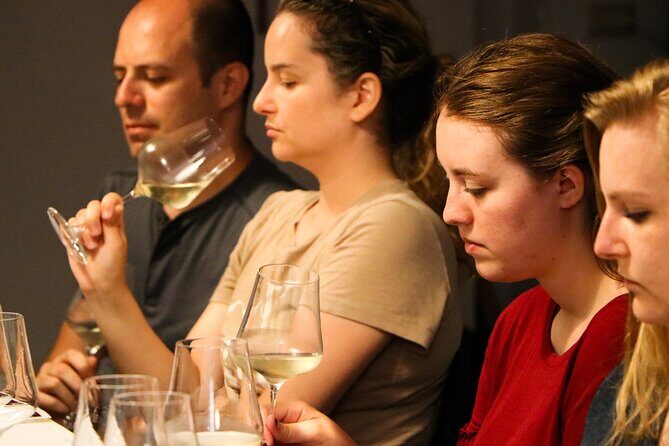
You’ll taste six Italian wines, and the point is variety. The tasting moves through very different styles from across Italy, with each wine used to highlight a specific characteristic and why it happens.
You don’t get the feeling of a scripted lecture where everyone tastes the same thing the same way. Instead, each wine becomes a mini case study. The guide ties the flavor and feel in your glass to the factors behind it—grapes, soil, climate, and winemaking techniques.
Even without listing every varietal here, you can expect these themes to show up repeatedly:
- How different vineyards and soils can change flavor intensity and structure
- How climate affects ripeness and acidity, which then affects balance
- How low-intervention choices shape texture, aroma, and the overall character of the wine
They also introduce the topic of organic terroir and sustainable farming practices. The idea isn’t greenwashing; it’s helping you understand how a vineyard’s choices can influence the wine you taste. If you’ve ever tasted “natural wine” and thought, okay, but what caused this?, this session is built to answer that.
What to pay attention to while you taste
Since you’ll be tasting in sequence, your job is to observe your own shifts. As one wine changes to the next, ask yourself:
- What felt lighter or heavier?
- Did the wine feel more crisp or more rounded?
- Did aroma lead the experience, or did texture lead?
That’s how the lesson sticks. You’ll leave with a set of personal clues you can use later when you’re choosing something new.
Finger foods pairing: learning how wine fits the Italian table
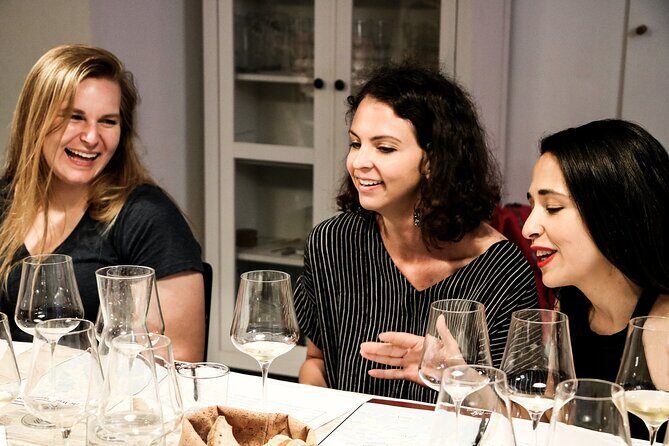
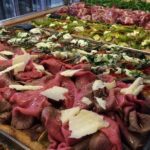
The tasting includes finger foods paired alongside the wines. This is one of the best parts for real travelers—because it turns tasting into something you can copy on your own.
Instead of treating food like a side note, the pairing teaches you how wine reacts when it meets salt, fat, and simple bites. You’ll get general guidelines about pairing, which is exactly what you need in Rome when menus can be wine-friendly but confusing.
Also, because the event is two hours, the pairing is designed to keep you engaged rather than stuffed. You’ll taste and snack in a way that supports the learning rhythm, not a long meal that derails the pacing.
If you’re someone who likes to eat before you drink, plan your day so you can comfortably handle the snacks without going in starving. The format is built around tasting plus light bites, so timing matters.
You can also read our reviews of more wine tours in Rome


Low-intervention and neuro-enology: ideas explained in plain language
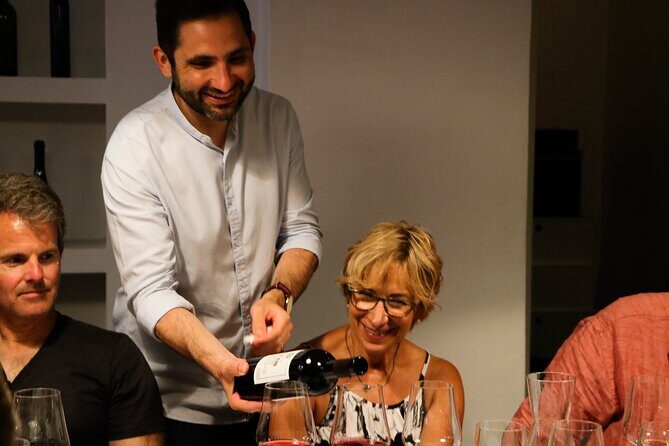
This experience is explicitly about minimal intervention wines, with plenty of explanation about the techniques behind them. They also mention neuro-enology, which usually means they connect wine perception to how your senses and brain interpret smell, taste, and texture.
You don’t need a science background. What you do need is curiosity—and the guide clearly expects questions. In a good tasting, you stop thinking of wine as just a taste and start thinking of it as a sensory experience with rules.
You’ll hear about agricultural practices like organic and sustainable farming. You’ll also learn how winemaking decisions—especially those tied to low-intervention approaches—can influence the final result in your glass.
A helpful way to look at this: low-intervention isn’t just a label. It’s a set of choices that can affect things like how expressive the wine feels, how it tastes in a glass, and how it pairs with food. The tasting format is meant to make those connections feel obvious by the end.
Who should book this tasting (and who might skip it)
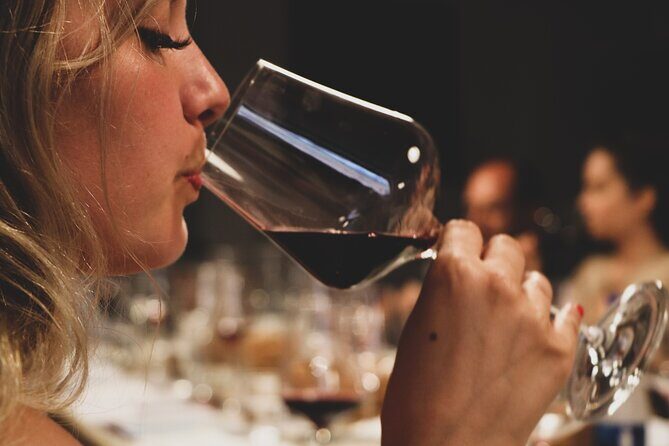
This is a strong match if you want a structured wine education without the stuffiness. The group is small (up to 12), it runs in English, and it’s designed to meet you at your level—novice, enthusiast, or even someone who already thinks they know a lot.
If you’re new to wine tasting, the opening refresher plus the wine-to-wine guidance will help you get past confusion fast. If you’re already into wine, the terroir and technique explanations give you a framework to compare wines in a meaningful way.
It’s also a good choice if you like hands-on learning. You’re tasting six different wines, pairing with food, and getting printed materials to reference afterward.
One clear limitation: children under 12 aren’t admitted. Teens 12–16 may be present, but they can’t take part and have to stay quietly while the tasting runs. If you’re traveling with kids, this is worth planning around.
Price and value check: what $96.12 buys you
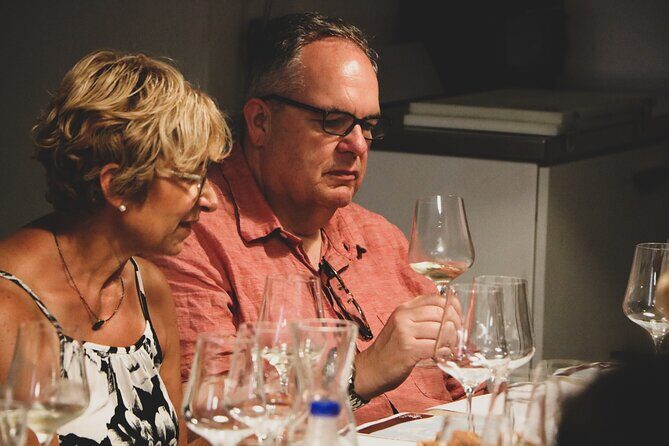
At $96.12 per person for about two hours, this isn’t a bargain-style “cheap flight.” You’re paying for instruction, not just pours.
Here’s why it can still be good value:
- You taste six wines paired with finger foods, so it’s a real tasting sequence
- You get a professional certified sommelier/wine educator with decades of experience
- You receive printed learning materials, so the value isn’t only in the moment
- The group size is capped at 12, which usually means better interaction than large tastings
- You learn how to translate what you taste into smarter future choices
Also, the fact that it’s often booked about a month in advance tells you something useful: people plan their Rome evenings early for this kind of experience. If you care about picking a specific date, don’t wait until the last week.
If you’re price-sensitive, compare it to your likely alternatives: a generic wine bar tasting might be cheaper, but you won’t get the same structured education or consistent guidance through a set of low-intervention wines.
Practical tips for your best night
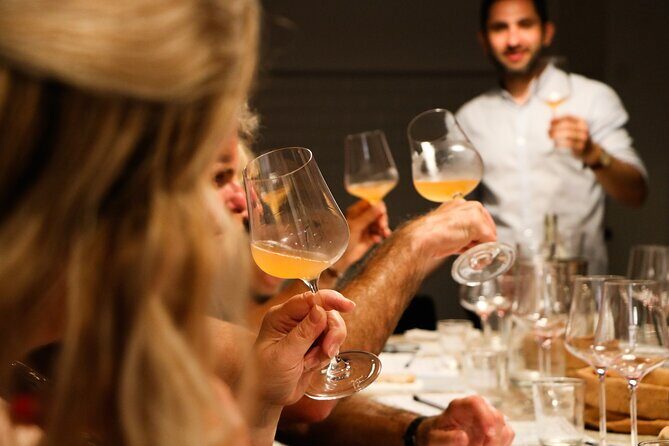
This tasting starts at 5:00 pm, so plan your earlier afternoon around it. If you’ve got a long lunch, you might want something lighter beforehand so the finger foods feel like support, not a second meal.
Go in with one mindset: be willing to be surprised by what you like. Low-intervention wines can taste unfamiliar to people expecting super-polished flavors. That’s the point of tasting different styles back-to-back.
Bring your questions. The guide adjusts the discussion based on interest and questions, so if you’re curious about organic terroir, technique, or how to decode labels later, this is a good place to ask.
And if you can, take a moment to jot down quick notes after each pour. You don’t need a wine notebook system; even a few bullet thoughts help you lock in what you learned while it’s fresh.
Should you book Shades of Italian Terroir in Rome?
I think you should book it if you want a focused, high-quality wine education that’s still casual. The combination of six low-intervention wines, a certified sommelier/wine educator, finger foods pairing, and printed materials makes it feel like time well spent—not just drinking, but learning how to taste.
Skip it if your main goal is an unstructured evening with lots of wandering and no teaching rhythm. This is built to be a guided lesson. And if you’re bringing young kids under 12, plan another activity, because they aren’t admitted.
FAQ
How many wines do I taste?
You’ll taste six Italian low-intervention wines during the session.
How long is the tasting?
It runs for about 2 hours.
Is it offered in English?
Yes, the tasting is offered in English.
Where does the tasting start?
The tour starts at VinoRoma Wine Studio & Social Club, Via in Selci, 84/G, 00184 Roma RM, Italy, and ends back at the meeting point.
Who can participate if I’m traveling with kids?
Children under 12 are not admitted. Children 12–16 may be present, but they can’t take part in the tasting and have to pass the time quietly.
What’s the cancellation policy?
You can cancel for a full refund if you cancel at least 24 hours before the experience’s start time (local time). If you cancel less than 24 hours before, the amount paid won’t be refunded.