REVIEW · POMPEII
Seafood Lunch & Wine Tasting with Scenic Golf Cart Tour
Book on Viator →Operated by Bosco de Medici Winery · Bookable on Viator
Two hours, and you taste Pompeii’s wine.
This Bosco de’ Medici experience ties together vineyard stories and Pompeii-era ruins, all inside one scenic estate. I especially like the mix of stops: an experimental vineyard tour, then a Necropoli from 79 AD that’s part of the Pompeii ruins, followed by a hands-on cellar look with stainless silos, wooden barrels, and terracotta amphorae. The guides (people like Sam, Maddalena, Gianandrea, and Serena, based on names shared) focus on how the area got its wine roots, starting with the Greeks.
The best part for your day plan is that you don’t have to hoof it over long distances. A golf cart keeps the whole route comfortable while you move between the vineyard, ancient necropolis area, and the winery spaces. One consideration: the lunch is a seafood-focused, four-course menu, so if you don’t eat seafood, you’ll want to check what (if any) alternatives are available when you book.
In This Review
- Key Highlights You’ll Actually Care About
- Why Bosco de’ Medici Feels Different From a Standard Pompeii Stop
- The Golf Cart Tour: Comfortable, Scenic, and Time-Saving
- Where the Day Starts: Bosco de’ Medici Winery and the Afternoon Timing
- Experimental Vineyard + Greeks Roots: How They Connect Then and Now
- The Necropoli From 79 AD: Pompeii History, Without the Crowds-to-Transport Problem
- Back to the Cellar: Stainless Silos, Wood Barrels, Terracotta Amphorae
- The Four-Course Seafood Lunch: What You’ll Eat and Why It Matters
- Wine Tasting: Local Vineyard Wines and Pairing Talk You Can Follow
- Value for $96.12: What You’re Really Paying For
- Who Should Book This Tour (And Who Might Think Twice)
- What to Ask Your Guide for a Better Experience
- Should You Book This Seafood Lunch and Wine Tasting Tour in Pompeii?
- FAQ
- Where does the tour start?
- How long is the experience?
- What language is the tour offered in?
- What’s included in the lunch and tastings?
- What does the seafood lunch include?
- Are alcoholic drinks included?
- Is private transportation included?
- Is this a private tour?
- Can I cancel for a full refund?
Key Highlights You’ll Actually Care About
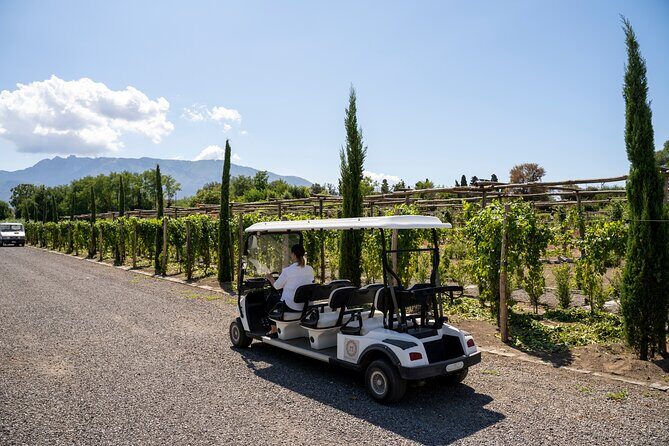
- Golf cart comfort across the estate: less walking, more time for the stories and tastings
- Experimental vineyard visit + Greek roots: a practical look at how this winemaking area developed
- Necropoli from 79 AD on the property: Pompeii history without the scramble between sites
- Cellar tour stops you can see clearly: stainless silos, wooden barrels, and terracotta amphorae
- Four-course seafood lunch paired with your wines: octopus, raviolo with sea bass, turbot, and dessert
- Wine nerd details without being intimidating: guides explain aging methods, including large clay-pot experimentation
Why Bosco de’ Medici Feels Different From a Standard Pompeii Stop
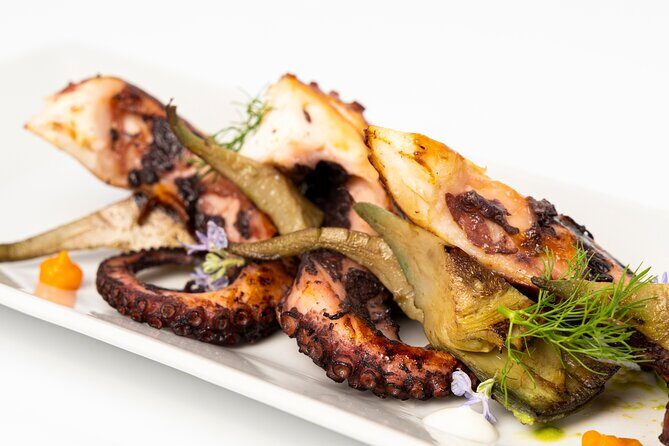
Pompeii can be a lot of stone and schedules. This experience changes the rhythm. You’re still in the Pompeii area, but you’re moving through a working wine estate with real agricultural details, not just ruins.
What makes it work is the pairing of themes. You start with vineyard history and winemaking tradition, then you see an actual archaeological piece on the estate grounds (the Necropoli from 79 AD). After that, you return to winery spaces—cellars and then lunch—so the day feels like one flowing narrative instead of separate attractions.
The staff storytelling has a personal feel. Multiple named guides show up in the reviews: Sam, Maddalena, Gianandrea, Roberto, Serena, Giuseppe, and Anthony. The common thread is that they explain things in plain language and connect the wine to what you’re seeing, whether that’s the vineyard planting system or the cellar materials.
You can also read our reviews of more food & drink experiences in Pompeii

The Golf Cart Tour: Comfortable, Scenic, and Time-Saving
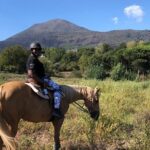
The route matters here. The estate is set up for walking, but you’re not asked to do it all on foot. You jump into a golf cart early on, which means you can keep your energy for the tasting and lunch.
From the reviews and the tour flow, you can expect a property tour that goes beyond a single view. People mention driving past vineyard plantings and garden areas, and also seeing practical estate features like lemon trees and large horse stables. You might also catch special moments on the grounds, like a wedding taking place, though that’s not something to count on every day.
Why you’ll like the golf cart approach:
- You cover more ground in the same time window
- It’s easier if you’re tired from Pompeii walking earlier
- You can focus on the guide’s story instead of managing long distances
The trade-off is simple: the cart does the heavy lifting, so don’t expect a long, slow, wandering hike. This is a structured route with stops, not a freeform stroll.
Where the Day Starts: Bosco de’ Medici Winery and the Afternoon Timing
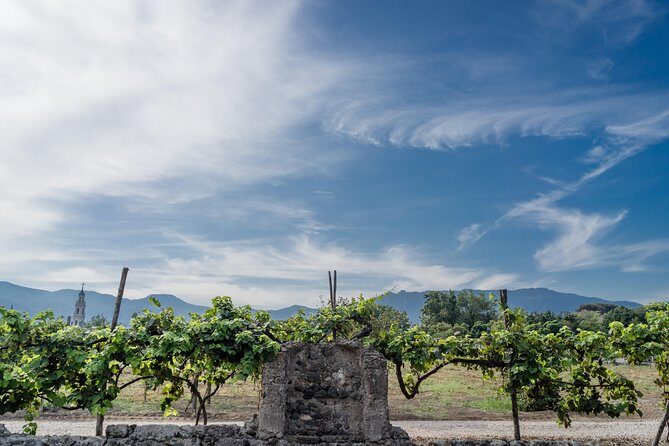
Your start point is listed as Via Antonio Segni, 80045 Pompei NA, Italy. The tour is set for the afternoon window, with opening hours shown from 12:30 PM to 3:00 PM on Monday. The duration is approximately 2 hours.
That timing is smart if you’re doing Pompeii or Vesuvius earlier in the day and want a calmer second half. You’ll get a complete food-and-wine experience without losing the entire afternoon to transit and waiting.
Language is English, and it’s a private tour/activity, meaning only your group participates. That matters because guides can match the pace to the questions you ask—especially during the wine and cellar explanations.
Experimental Vineyard + Greeks Roots: How They Connect Then and Now
After you meet at Bosco de’ Medici Winery, the day starts with a tour of the property. Then you move onto the experimental vineyard located inside the winery’s grounds.
This stop is where the experience starts feeling more like a learning visit than a standard tasting. The guide explains the winery’s history and winemaking tradition in the area, beginning with the Greeks. That’s a big deal in this region: wine culture here isn’t just a modern industry. It’s tied to how cultivation and trade shaped life long before Pompeii’s final days.
What I like about this part is that it’s not only storytelling. You can often see the vineyard system itself, and guides explain what it means. In the reviews, people highlight specific wine-making experimentation details later on—like wines spending time in large clay pots—so the vineyard stop sets you up to understand why experimentation is part of their approach.
The Necropoli From 79 AD: Pompeii History, Without the Crowds-to-Transport Problem
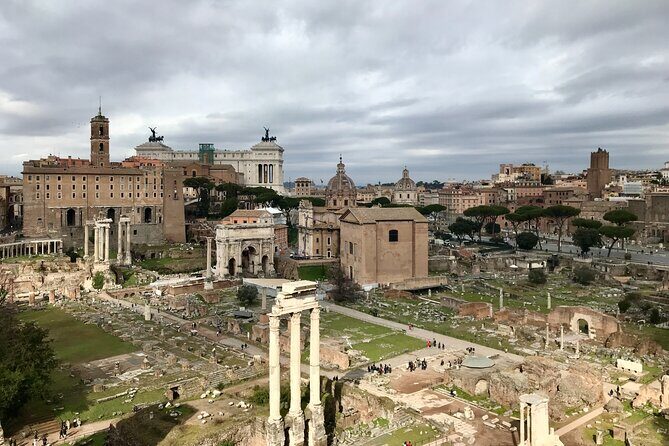
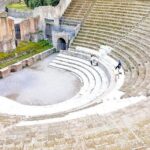
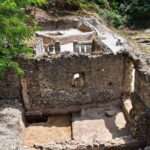
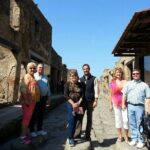
Next comes one of the most unique elements of this whole experience: a visit to a Necropoli from 79 AD, described as part of the ruins of Pompeii.
For many Pompeii days, you spend time moving between sites, fighting logistics, or dealing with the sheer scale. Here, the Pompeii link is built into the winery property route. That means you get Pompeii history while staying in a controlled, guided setting.
A practical way to think about it:
- You’ll learn context for why Pompeii mattered
- You’ll connect that context to what comes next in the cellar and tasting
- You avoid turning your afternoon into a second round of navigation
No matter your interest level, this stop adds weight. It’s not just scenic; it’s historical anchoring.
You can also read our reviews of more wine tours in Pompeii

Back to the Cellar: Stainless Silos, Wood Barrels, Terracotta Amphorae
After the necropolis visit, the tour returns to the cellar area. You’ll see different winemaking technologies and materials used for storage and aging, including:
- Stainless silos
- Wooden barrels
- Terracotta amphorae
This is a helpful stop for two reasons. First, you start understanding why wines taste different, because you learn what the wine spent time in. Second, it gives your tasting more meaning. You’re not just sampling. You’re connecting flavors and textures to how the wine was treated.
One detail that comes through in the reviews: the winery also experiments with aging techniques using large clay pots (a newer approach they’re testing). You may or may not be told the exact same method on your day, but it’s a clear example of the kind of hands-on experimentation they like to discuss.
The Four-Course Seafood Lunch: What You’ll Eat and Why It Matters
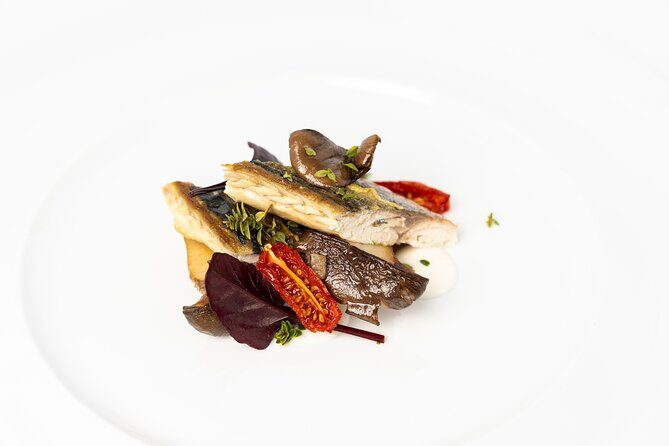
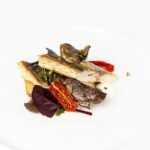
Then you reach the lunch—built around a seafood-centered four-course menu. The sample menu includes:
- Starter: octopus browned on mixed salads from the Bosco de’ Medici garden
- First course: raviolo stuffed with sea bass in a seafood stew
- Main: fillet of turbot in an aromatic panura
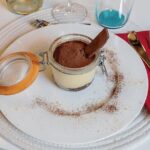
- Dessert: homemade dessert
This menu design does two smart things for you. It uses local, garden-linked ingredients (the salads and garden herbs show up in the starter). And it keeps flavors seafood-friendly so the wines can pair naturally instead of fighting the food.
A quick heads-up from the reviews: some people note the portions are small, but the quality is exceptional. So think of this as a tasting-menu style lunch, not a heavy comfort-meal that fills you up for hours.
If you want a practical expectation:
- You’ll eat enough for a satisfying meal
- You won’t feel stuffed and sleepy
- You’ll likely still enjoy exploring Pompeii/Vesuvius afterward if your schedule allows
Wine Tasting: Local Vineyard Wines and Pairing Talk You Can Follow
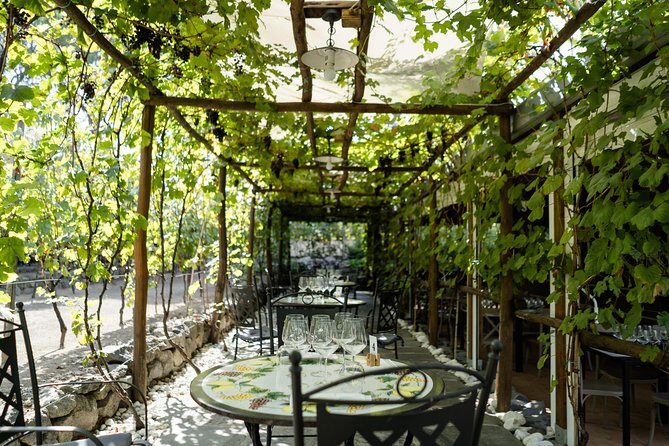
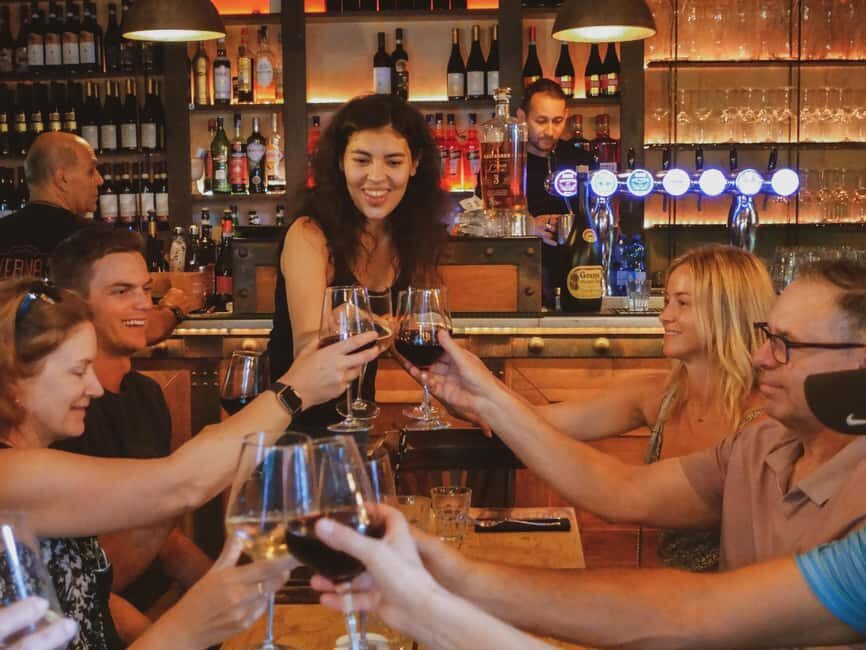
Your tour includes wine tasting with the lunch. Alcoholic beverages and bottled water are included, and reviews mention tasting formats like sparkling, then white and red selections.
What you’ll get from the wine part isn’t only sipping. Guides explain what’s in the glass and how it pairs with each course. People describe sommelier-style guidance that feels practical, not pretentious, including clear pairing advice.
A couple of useful, real-world takeaways you can use:
- Ask your guide which wine is meant to match the stew and which one follows the fish course. You’ll likely get an answer that connects acidity and flavor intensity.
- If you’re buying bottles, pay attention to the guide’s explanation of aging methods—especially when they discuss clay-pot or terracotta approaches. That’s often where the taste story becomes specific.
The tasting is part of the reason the whole experience works. The lunch alone would be nice, but pairing it with wine produced from the estate ties the day together.
Value for $96.12: What You’re Really Paying For
At $96.12 per person, this isn’t the cheapest lunch in the Pompeii area. But it also isn’t just a meal. You’re paying for a guided route that includes:
- A private golf cart property tour across long distances
- Vineyard and cellar experiences with structured explanations
- A historical stop at a Necropoli from 79 AD
- A full four-course lunch
- Wine included with the meal, plus bottled water
The value equation is easiest if you compare it to doing things separately. If you were to book a winery visit plus a serious lunch plus a guided history component, you’d likely spend similar money once you add up tickets, food, and guide time.
Also, this price includes alcohol. That can quietly raise the true cost of many “food tours,” so here the pricing feels more straightforward.
Who Should Book This Tour (And Who Might Think Twice)
This is a strong fit if you want:
- A wine-and-food afternoon with a history anchor
- Comfortable pacing after Pompeii walking
- A guided experience with named staff who speak English
- Seafood and wine pairings that make sense together
You might reconsider if:
- You don’t eat seafood and don’t want a seafood-forward menu
- You want a longer, independent Pompeii-style exploration instead of a compact, structured 2-hour program
Families can also find it workable. Reviews specifically call out a family-friendly, upscale vibe. The golf cart makes it easier for mixed groups.
What to Ask Your Guide for a Better Experience
Even though the tour includes a set flow, you can make it feel tailored by asking simple questions during each segment.
Here are good questions that fit the topics they cover:
- What’s the key difference between stainless silos, wood barrels, and terracotta amphorae for the wines we’re tasting?
- How does the experimental vineyard shape what you’re producing now?
- Which wine best fits the sea bass raviolo in seafood stew, and why?
- When you mention large clay pots, what changes in flavor or texture?
Guides like Sam and Anthony show up in reviews for exactly this kind of helpful explanation style, so don’t be shy.
Should You Book This Seafood Lunch and Wine Tasting Tour in Pompeii?
If your goal is to spend time in the Pompeii region but still leave the day smelling like wine and tasting excellent seafood, I think you should book it. The combination of golf cart comfort, a Necropoli from 79 AD stop, and a structured four-course lunch with included wine makes it feel like a complete experience rather than a quick tasting.
Book it if you want an afternoon that’s scenic, guided, and easy to manage. Consider skipping it if seafood isn’t your thing or if you want long, independent time in the ruins.
FAQ
Where does the tour start?
The meeting point is listed as Via Antonio Segni, 80045 Pompei NA, Italy, and the activity ends back at the meeting point.
How long is the experience?
It’s approximately 2 hours.
What language is the tour offered in?
The tour is offered in English.
What’s included in the lunch and tastings?
Lunch is included, along with alcoholic beverages and bottled water. The lunch is a four-course seafood menu based on the sample items provided.
What does the seafood lunch include?
The sample menu includes an octopus starter, raviolo stuffed with sea bass in a seafood stew, fillet of turbot in an aromatic panura, and a homemade dessert.
Are alcoholic drinks included?
Yes. Alcoholic beverages are included in the experience.
Is private transportation included?
No. Private transportation is not included.
Is this a private tour?
Yes. It’s listed as a private tour/activity, with only your group participating.
Can I cancel for a full refund?
Free cancellation is available if you cancel up to 24 hours in advance for a full refund. Cancellation within 24 hours isn’t refundable.