REVIEW · BORGHESE GALLERY TOURS
Rome: Villa Borghese E-Bike Tour
Book on GetYourGuide →Operated by Bicycle Roma · Bookable on GetYourGuide
Want a quiet escape inside Rome?
This Rome Villa Borghese e-bike tour turns the chaos of the historic center into a calmer, green circuit. You glide through one of the city’s most famous park areas, taking in sights like the Temple of Asclepius, the Water Clock, and a high-up panorama from Terrazza del Pincio. It’s a guided ride with enough structure to keep things smooth, but with room to breathe and look up.
What I like most is the mix of easy cycling and real stops. I like that the route spends most of its time on low-traffic areas (about 90% in the park and on the Tiber cycle path), so you’re not wrestling with cars the whole time. I also like the photo-friendly pacing, since the format includes short guided moments plus bike time between key points—perfect for quick photos without feeling rushed.
The main drawback to watch for is that it’s not for everyone: there’s a minimum required comfort level with the bike, and it’s not suitable for pregnant women or for people under 140 cm tall. If you’re not confident riding, plan to ask questions first before you commit.
In This Review
- Key highlights you’ll actually feel
- Villa Borghese without the fatigue: why an e-bike makes sense here
- Where you start on the Tiber side (and why that matters)
- Piazza del Popolo to Pincio Terrace: the view payoff early
- Water Clock (Orologio) stop: Roman engineering you can see up close
- Temple of Asclepius and Temple of Diana: temples that feel made for a quick story
- Fountain of the Seahorses and Piazza di Siena: the in-park detours that make it feel worth it
- Guide style, group size, and why pace feels “right” on this route
- Price and value: what $67.74 gets you in real sightseeing time
- Safety and who should consider a different plan
- Should you book the Rome Villa Borghese e-bike tour?
- FAQ
- How long is the Rome Villa Borghese e-bike tour?
- What does the tour cost?
- What stops and highlights are included?
- What’s included in the price?
- Where does the tour start and end?
- What languages is the live guide available in?
- Is this tour suitable for children or people with bike experience limits?
Key highlights you’ll actually feel
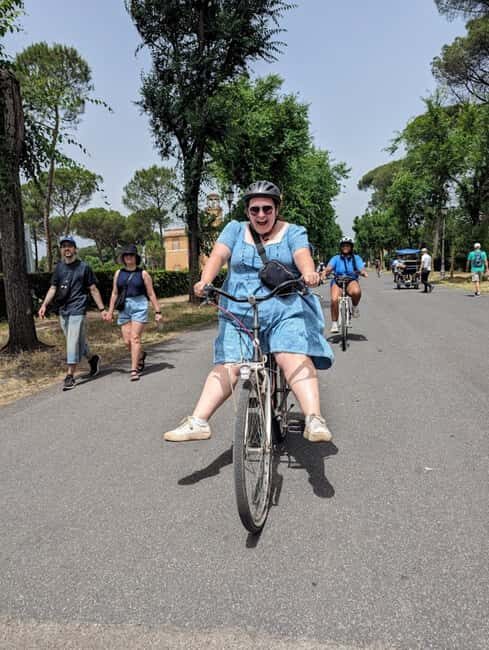
- 80 hectares of Villa Borghese covered at a comfortable pace, without turning it into a marathon
- Views from Terrazza del Pincio, reached by bike, so you save energy for sightseeing
- Water Clock + ancient temple stops that give you context fast, not just a quick photo
- Short guided segments with time to ride, pause, and take pictures
- Small group to private option, with a guide who keeps the flow calm even during busy times
- Roma ’n Bike Card included for an extra discount circuit for cycle tourists
Villa Borghese without the fatigue: why an e-bike makes sense here
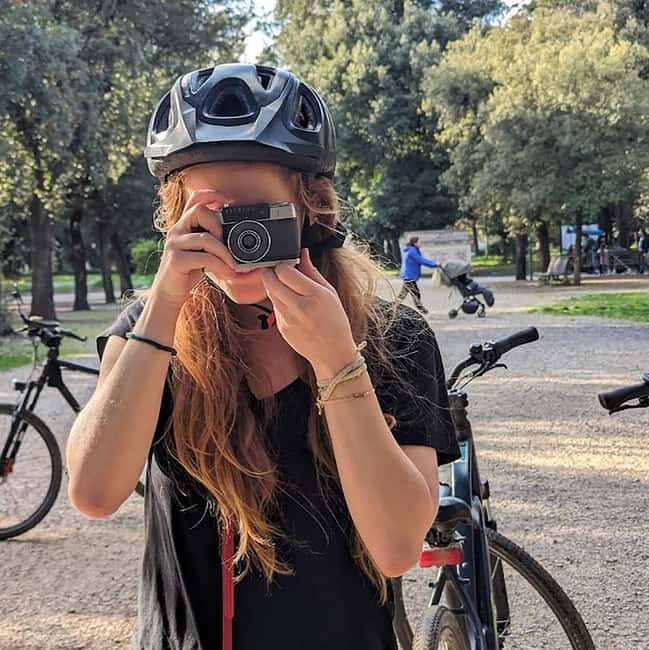
Villa Borghese covers a huge area—80 hectares—and it has a very specific vibe: you’re in Rome, but your senses get a break. This is where the e-bike changes everything. Even if you’re walking plenty already in the city, hopping on electric assist helps you enjoy the park without arriving tired and cranky.
On this tour, you’re not just doing a scenic loop. You’re moving between meaningful points: monuments, fountains, terraces, and temple ruins. The guide keeps the ride moving at a pace that lets you stop for the payoff moments, like looking out from the Pincio terrace or getting the right angle on the Water Clock.
If you want value in the simplest terms, here’s the deal: 2.5 hours is long enough to feel you covered real ground, but short enough that you don’t burn the day. The e-bike helps you compress a lot of sightseeing into that window without turning it into a sweat session.
You can also read our reviews of more cycling tours in Rome
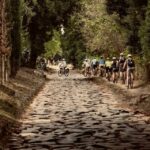
Where you start on the Tiber side (and why that matters)
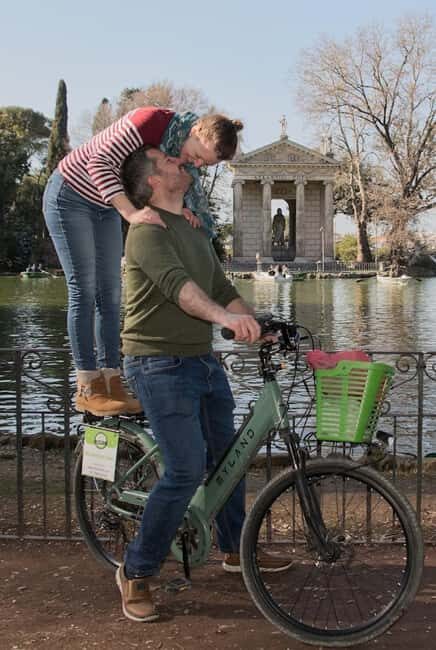
Your ride starts near the Tiber with a meeting point at Lungotevere delle Armi, 44 (Ondina Generali is part of the same area). The tour typically begins with a short transfer-style component to your first major stop, then settles into the park-and-cycle-path rhythm.
A practical detail I appreciate: the tour is designed around quiet roads with little traffic. That matters in Rome, because if you’re constantly stopping and starting in car lanes, your “I came for nature” mood disappears fast. Here, you’re mostly out in the park and along the cycle route, where the pace feels more like sightseeing and less like commuting.
You’ll also get the basic gear included: an e-bike or regular bike, a helmet cover, and a lock. That means you’re not scrambling at the last minute for bike basics. It also helps that the tour runs with a guide at all times, so you’re not left guessing where to go next.
One more note: the starting point can vary depending on the booked option, and the tour ends back at the meeting point. So your logistics are straightforward—you don’t have to worry about a one-way ride to some other part of town.
Piazza del Popolo to Pincio Terrace: the view payoff early
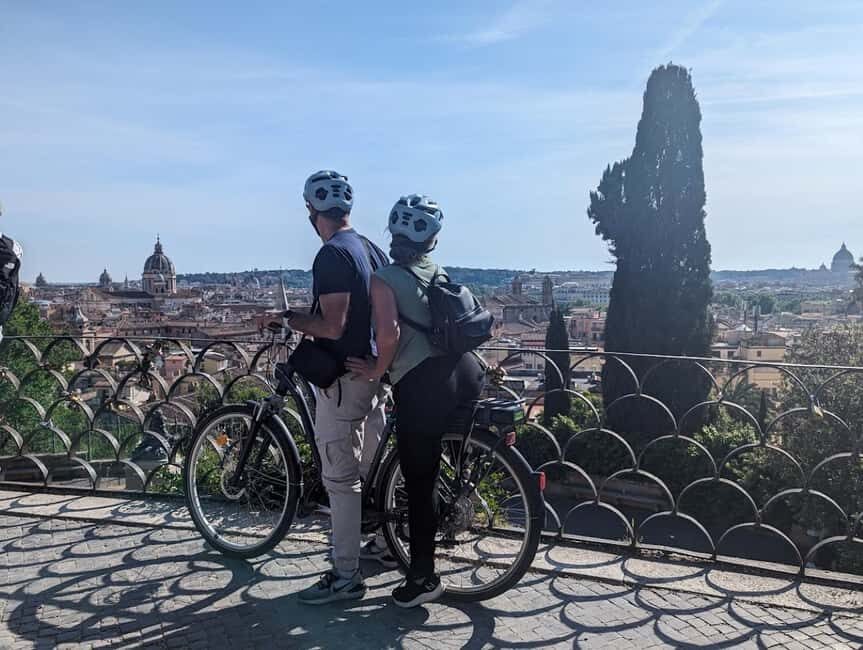
You’ll pass through one of the most well-known edges of Rome’s park world: Piazza del Popolo. From there, the tour heads toward the Pincio area.
This section is built for momentum. You get a short guided orientation while you’re still fresh, then you ride with a steady rhythm toward the terrace. The big “aha” moment here is Terrazza del Pincio, where you get a breathtaking panoramic view. The practical advantage of doing this by bike is that you reach the lookout without turning it into a long hike from the start.
At this point, you’ll likely notice something else: groups move faster through Rome when they’re guided. It’s not about speed for speed’s sake—it’s about avoiding pointless searching. Your guide’s job is to keep you at the right place, at the right angle, with the right timing to enjoy the view.
If you’re the type who likes photos, this is one of the best moments to slow down. Use the bike time to reposition, then let the terrace moment take its time.
Water Clock (Orologio) stop: Roman engineering you can see up close
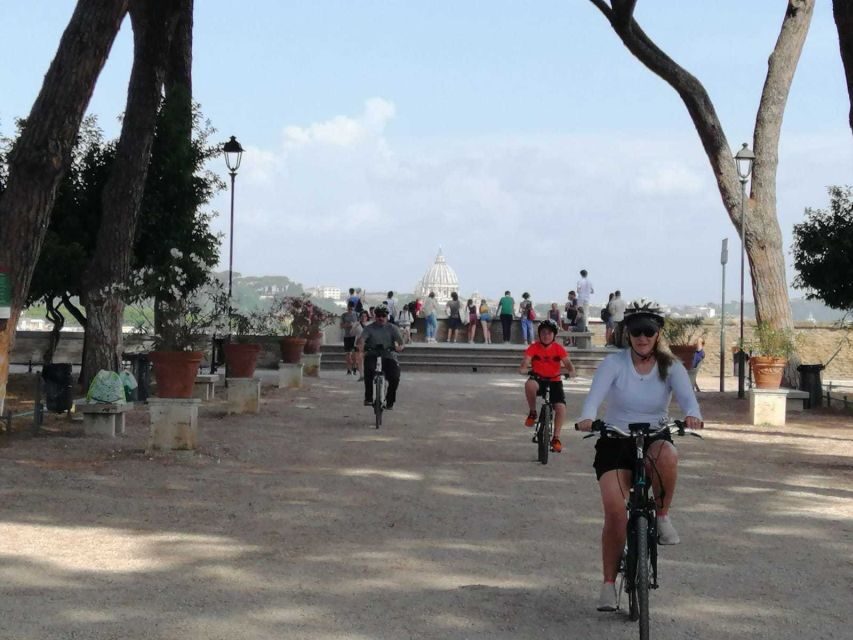
Next comes one of the stops that tends to surprise people: the Water Clock. It’s an engineering-related landmark, so don’t expect a statue-only stop. Your guide explains what you’re looking at and why it mattered.
In a city packed with dramatic architecture, this is a different kind of Roman achievement. The Water Clock gives you a tangible link to how Romans measured time and used tech to solve everyday problems. Even if your history comfort level is basic, the guide format helps you follow along without drowning in details.
The timing also works. You get a guided moment, then you’re back on the bike quickly. That keeps the flow from turning into a museum day where you’re constantly trying to refocus. It’s the kind of stop that’s short enough to stay interesting and specific enough to feel memorable.
Temple of Asclepius and Temple of Diana: temples that feel made for a quick story
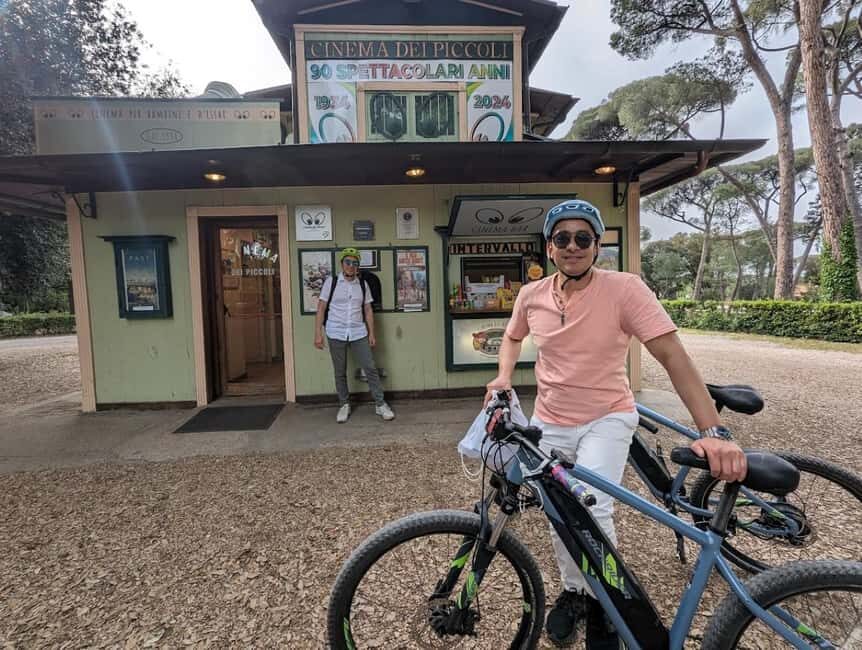
The tour then moves into two major temple-related sights.
First, you’ll reach the Temple of Asclepius (listed as Temple of Aesculapius). This stop is an ancient testimony to Roman history, and the guide helps you connect the dots: who Asclepius was linked to, and why this kind of place mattered in the city’s cultural world.
Then you’ll ride to the Temple of Diana. The focus here is similar: you’re not just snapping a photo in front of ruins. You get a guided interpretation that helps the place make sense in your head. In Rome, it’s easy to feel like everything is random stonework until someone ties it together. This tour is structured to do exactly that.
A small practical tip: because these are archaeological-style spots, you may want to wear comfortable shoes (this is not the day for flimsy sandals). You’ll likely do a bit of walking around viewing areas even with the bike under you.
You can also read our reviews of more tours and experiences in Rome

Fountain of the Seahorses and Piazza di Siena: the in-park detours that make it feel worth it
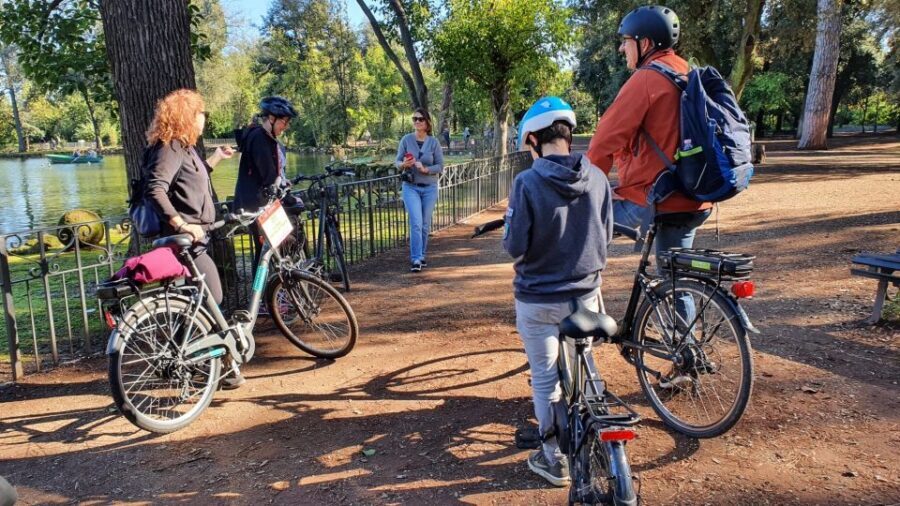
After the temple stops, the ride continues through the softer, more garden-like heart of Villa Borghese. Two landmarks are especially good for the “Rome but quieter” feeling: the Fountain of the Seahorses and Piazza di Siena.
The Seahorses fountain is the kind of stop that makes you slow down without you realizing it. It’s not a giant headline monument, but it’s charming and visual—ideal for that moment where you want a break from looking upward at big structures and instead focus on details. Your guided time here is short, and that’s a plus: you get to enjoy it without feeling like you’re stuck.
Piazza di Siena gives you a different angle on the park. It’s a more open space where you can reset and take in the surroundings before continuing. If the park has felt like a lot of moving parts, this stop is a good chance to catch your breath.
Between these points, the bike segments keep you flowing. That’s important because Villa Borghese can feel like a labyrinth if you’re trying to DIY it. With a guide, you get a planned route that helps you see more than you would wandering.
Guide style, group size, and why pace feels “right” on this route
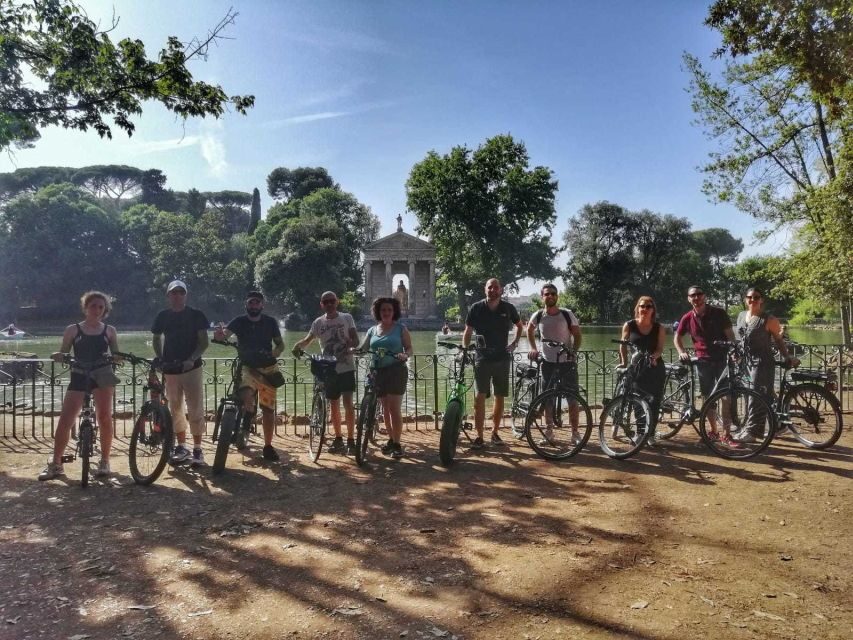
The tour is guided and runs in English, Italian, French, and Spanish. That language coverage matters because it helps you get the stories clearly instead of piecing together translations on your own.
Group size is another key point. Group tours start with a minimum of 4 participants; once you’re on the ride, the group is up to 10 people. In practice, that size usually gives you the right balance: small enough for personal attention, large enough that the tour keeps moving.
A recurring theme in the experience is guide pacing. You’ll have guided segments at several stops (often around 10 to 20 minutes) and then bike time between them. That structure helps you do three things at once:
- listen without losing the place
- stop without feeling stuck
- take photos without feeling rushed
And yes, guides can add value beyond the monuments. Some guides are especially strong on helping you understand how to enjoy things like fountains like a local and how to time your viewing for better shots. If you want your trip to include a few practical tips, this is the kind of tour where the guide’s personality really shows.
One realistic note: if a guide is delayed at the start, you might wait briefly while they sort out a replacement. Rome has a lot going on, so it’s worth building in a little time buffer if your schedule is tight.
Price and value: what $67.74 gets you in real sightseeing time
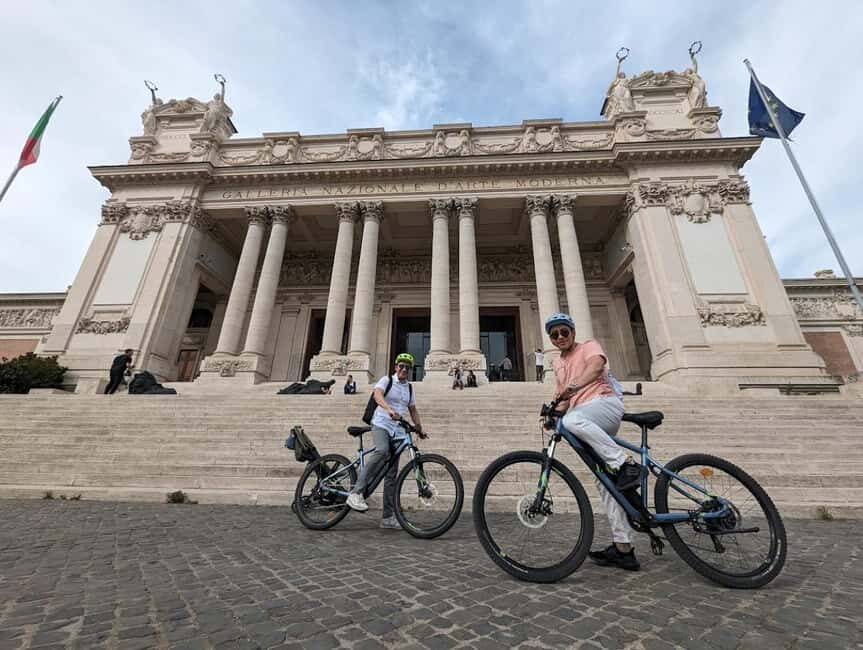
At $67.74 per person for a 2.5-hour tour, the question isn’t just cost—it’s what you buy with that time.
You’re paying for:
- a guided route through major Villa Borghese highlights
- bike support plus safety gear like a helmet cover and lock
- most of the ride in low-traffic zones
- time-efficient sightseeing that you wouldn’t easily stitch together alone in this park size
- the included Roma ’n Bike Card, which can offer discounts through a dedicated cycle circuit
This isn’t a long day excursion, so it’s best viewed as an efficiency play. If your goal is to see the classic Villa Borghese points plus terrace views plus temple/fountain highlights, this price can feel fair because you’re not paying for transport across the city or for long waiting.
If, however, you’re planning to spend most of the day slowly wandering the park anyway, you might not need the guide. In that case, the tour value comes down to whether you want structure and context.
Safety and who should consider a different plan
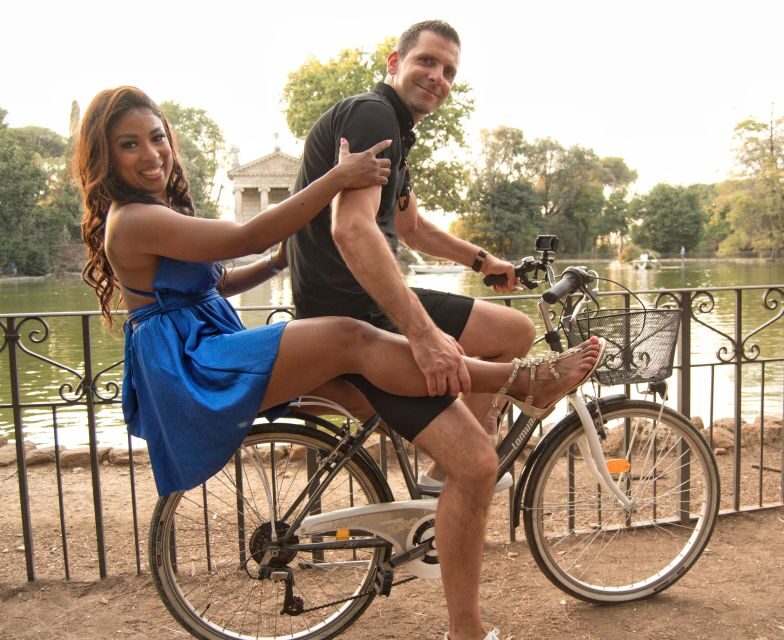
This is a bike tour, so you should treat it seriously.
The tour operator says it requires a minimum amount of experience with the vehicle. Your guide also has the right not to admit participants if the guide believes someone isn’t suitable due to skills or body/mind health concerns, and no refund would be issued in those cases. That’s blunt, but it’s meant to keep the group ride safe.
It’s not suitable for:
- pregnant women
- people under 140 cm
- pets (not allowed)
For kids: children can ride the e-bike from age 12, and children up to 139 cm join with a children’s extension. Infants up to 20 kg can travel in a child seat as guests.
If you’re over 140 cm but you’re a brand-new cyclist, don’t assume you’ll be fine just because it’s electric. Electric assist helps, but balance and control still matter, especially in busy moments or around stops.
Should you book the Rome Villa Borghese e-bike tour?
I’d book this if you want a calm, guided way to see multiple Villa Borghese landmarks in one go. It’s especially appealing if you like the idea of terrace views, temple stops, and a quick hit of Roman engineering, but you don’t want to spend half the day walking and getting lost in a huge park.
Pass on it (or ask lots of questions first) if you’re not comfortable riding a bike, if height limits apply, or if pregnancy makes a bike plan unrealistic. And if your schedule is ultra tight, keep in mind that start delays can happen if the guide situation changes.
Overall, this is a strong choice for a first visit to Villa Borghese—because it’s designed around both sightseeing and sanity.
FAQ
How long is the Rome Villa Borghese e-bike tour?
The duration is 2.5 hours. Starting times vary, so you’ll want to check availability for the time options.
What does the tour cost?
The price is listed as $67.74 per person.
What stops and highlights are included?
You’ll visit key Villa Borghese area highlights such as Piazza del Popolo, Pincio Terrace, the Water Clock, the Temple of Aesculapius, the Temple of Diana, the Fountain of the Seahorses, and Piazza di Siena.
What’s included in the price?
Included items are a local guide, an e-bike or regular bike, a helmet cover, a lock, and the Roma ’n Bike Card for an exclusive discount circuit.
Where does the tour start and end?
The meeting point is Lungotevere delle Armi, 44 (Ondina Generali). The tour ends back at the meeting point, and there can be two drop-off locations using the same meeting area.
What languages is the live guide available in?
The live tour guide is available in English, Italian, French, and Spanish.
Is this tour suitable for children or people with bike experience limits?
Children up to 139 cm join with a children’s extension, and children can ride the e-bike from age 12. The tour notes that a minimum amount of experience with the vehicle is required, and it’s not suitable for pregnant women.