REVIEW · 3-HOUR EXPERIENCES
Rome Vespa Small Group Sightseeing Tour, 3 Hour Experience
Book on Viator →Operated by Bici&Baci srl · Bookable on Viator
Rome feels different on two wheels.
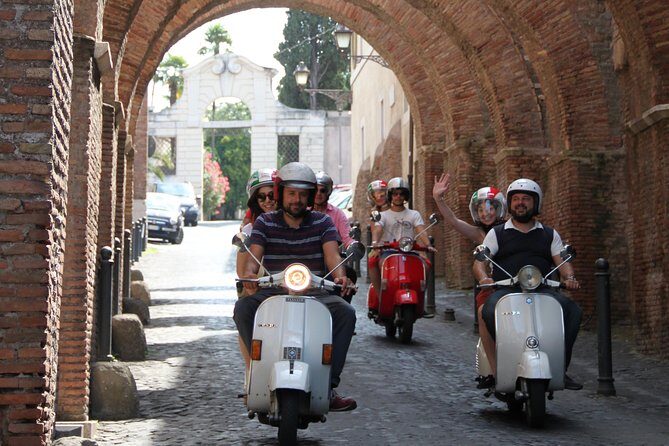
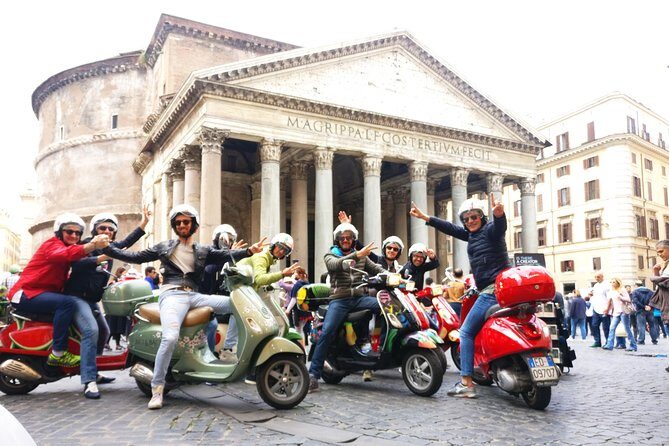
This small-group vintage Vespa tour is built for motion and quick peeks, from Roman-era streets to major Rome icons. I like that the experience stays personal because it caps at 10 travelers, and I also like the guide style you’ll hear on board: names like Lucca, Matthew, Fabio, Horacio, Demetrio, and Max show up again and again, and the vibe is clear, practical storytelling over fancy lectures. One thing to consider: most people ride as the passenger, not the driver, so if you want to pilot the scooter yourself, confirm how it works for your group.
You’ll cover a lot in only about three hours.
With helmets included and a smart-casual dress code (no high heels), it’s set up to be easy to join even if you’re not an “I bike everywhere” type. A possible drawback is the tight stop times at the big hitters like the Pantheon and Trevi Fountain, so you’ll want to arrive ready to move fast with your photos and get what you came for.
In This Review
- Key highlights at a glance
- Why a Vintage Vespa Tour Works So Well in Rome
- Price and Group Size: What $235.92 Buys You
- Meeting at Via Cavour and the First Things to Get Right
- Stop 1 at Bici & Baci Tours: Vespa Museum Energy Before You Ride
- Appia Antica Park: One of Rome’s Oldest Roads in a Short Time
- Crossing the Old City: Walls, Piazza Squares, and Via del Corso
- A Monumental Bridge Pause: Quick Views with Big Impact
- Piazza dei Cavalieri di Malta: The Keyhole Secret Gardens Moment
- Aventine Hill Overlook: Rome’s Main Monuments From Above
- Pantheon Stop: What You’ll See and What You’ll Need to Pay
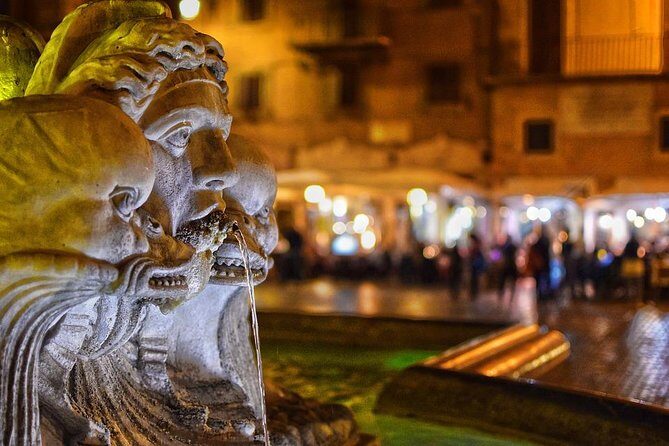
- Trevi Fountain: Big Icon, Tight Time, Make It Count
- Riding Real Traffic: Safety, Helmets, and Comfort Tips
- Who This Vespa Tour Fits Best (and Who Might Skip It)
- Should You Book This Vespa Tour?
- FAQ
- How long is the Rome Vespa Small Group Sightseeing Tour?
- What is the price per person?
- How many people are in a booking?
- What language is the tour offered in?
- Where do I meet for the tour?
- Is Pantheon admission included?
- Are food and drinks included?
- What should I wear?
- Do I drive the Vespa?
Key highlights at a glance
- Small group (max 10) for a more human pace and less waiting around
- Vintage Vespa + live commentary for seeing Rome fast without feeling rushed in one place too long
- Off-the-tourist-trail routing including Appia Antica and viewpoints from the hills
- Piazza dei Cavalieri di Malta keyhole moment with a peek at secret gardens
- Pantheon stop with admission not included so you budget for entry
- Helmets provided and different Vespas used based on rider weight
Why a Vintage Vespa Tour Works So Well in Rome
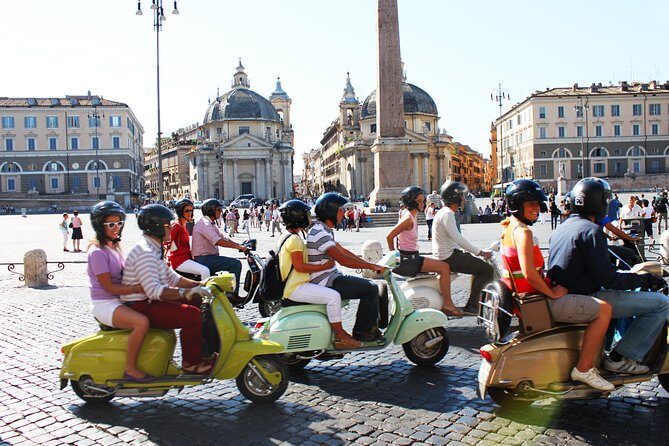
Rome is great on foot. It’s also perfect when you add speed. A Vespa cuts travel time between areas that feel far apart when you’re walking, and it helps you “see the city,” not just check boxes.
The best part is the balance between big landmarks and Rome’s in-between spaces. You’re not stuck in one neighborhood for hours. You roll through different textures of the city: ancient roads, formal squares, grand architecture, and photo-famous spots.
And yes, it’s fun. Not gimmicky fun. More like that slightly ridiculous, I can’t believe we’re doing this energy you only get when you’re cruising through real streets with an experienced rider.
You can also read our reviews of more tours and experiences in Rome

Price and Group Size: What $235.92 Buys You
At $235.92 per person for about three hours, this isn’t the cheapest way to do Rome. But it’s also not just transportation. You’re paying for a live guide, a private driver/guide, helmet support, and a route that aims beyond the standard postcard loop.
The small group size matters more than people think. With up to 10 travelers, you can often get better attention at stops and a smoother ride through traffic than you would with a much larger group. One review pattern that pops up with these guides is comfort and confidence in chaotic driving, and that kind of experience is easier when everyone isn’t crammed into a giant pack.
Also, this tends to book ahead (an average of about 59 days). That usually means demand is real, and you’re smart to plan your slot instead of waiting until the last day.
Meeting at Via Cavour and the First Things to Get Right
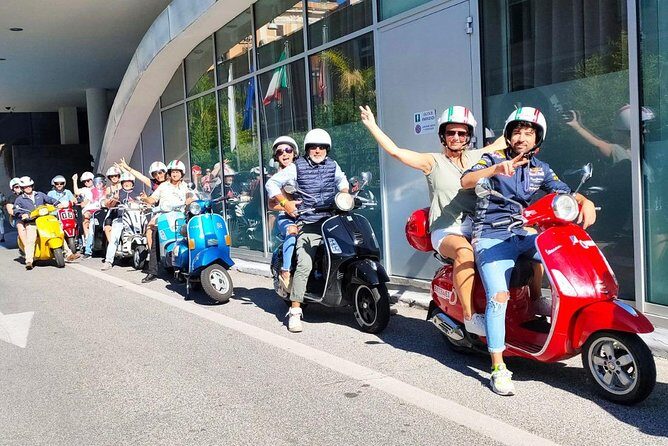
Your tour meets at Via Cavour, 302 in Rome, and it ends back at the same meeting point. That’s helpful because you don’t have to worry about getting yourself across town after the ride.
Before you start, you’ll want to think about comfort. The dress code is smart casual with no high heeled shoes. Rome streets are a mix of smooth spots and uneven bits, so closed-toe, grippy footwear is your friend.
One more practical item: you must advise passenger weights at booking because different Vespas are available depending on total weight. It’s a small admin step, but it’s also one of those details that leads to a safer, smoother ride.
Stop 1 at Bici & Baci Tours: Vespa Museum Energy Before You Ride
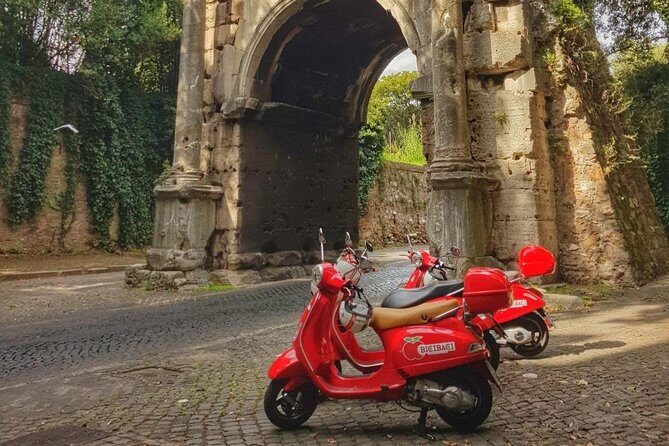
The tour starts with Bici & Baci Tours, where you can visit a museum dedicated to the Vespa—La dolce Vita’s iconic vehicle. The time window is short (about 10 minutes), so think of this stop as a quick gear-up moment, not a full museum day.
Why it’s worth it: it gives context before you hit the streets. You’re not just riding a scooter. You’re stepping into the vibe of postwar Rome when style and movement went together.
The museum admission here is listed as free. If you’re the kind of person who likes tiny pre-game surprises, this is a nice one.
Appia Antica Park: One of Rome’s Oldest Roads in a Short Time
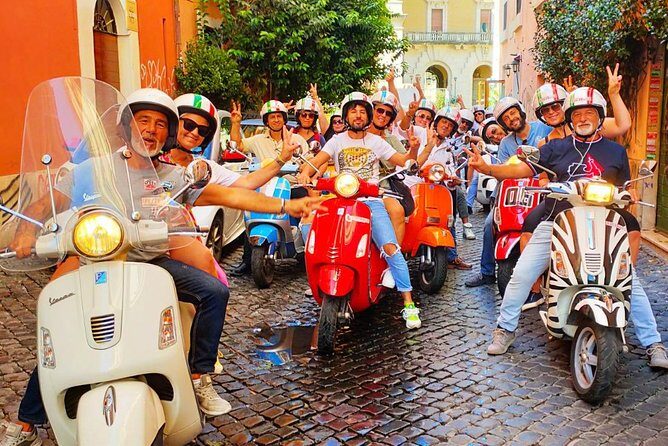
Next you head to Parco Regionale dell’Appia Antica. Even with only about 10 minutes there, you’ll see a part of one of the oldest roads built by the Romans.
In some places, you can see ancient stones. That detail matters because it makes the past feel physical. You’re not imagining what a road was like. You’re looking at the actual paving and getting a sense of how Roman road-building helped the empire expand.
This stop can be a breather in the best way. The energy shifts from city center intensity to something more open and historical. You’ll also likely get better photo angles than you would if you were trying to squeeze in with foot traffic alone.
You can also read our reviews of more tours and experiences in Rome
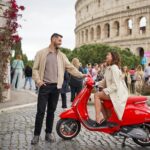
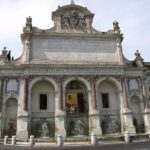
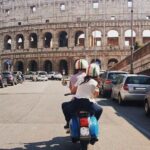
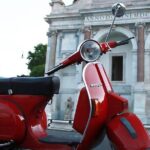
Crossing the Old City: Walls, Piazza Squares, and Via del Corso
After Appia Antica, the tour moves to the ancient limits of the city—walls that show where Rome extended its territory. This part is a reminder that Rome didn’t grow by accident. It planned expansion with real boundaries and real engineering.
Then you go to a major square at the beginning of Via del Corso, the main shopping street. Even if you’re not shopping, Via del Corso is useful as a Rome reference point. It’s one of those streets that helps you orient yourself.
And from there, you hit the famed Dolce Vita street where actresses, directors, and show-business people met. This is the Rome of film and public glamour. The trick is to treat it like a story stop, not a checklist stop—notice how the street feels, how it frames views, and how it contrasts with the ancient-road stop before it.
A Monumental Bridge Pause: Quick Views with Big Impact
One of the stops is a monumental bridge in Rome. You get a short look (time isn’t specified in the same way as Pantheon and Trevi, but it’s part of the core route between squares and viewpoints).
This kind of bridge stop is smart. Bridges in Rome do two things: they give you a new angle and they help the ride feel like a tour, not just transportation. Even a brief stop can make a big difference when you’re trying to understand how neighborhoods connect.
If you’re camera-ready, this is one of those moments to pull out photos immediately. Don’t wait for the “perfect” angle. The rider will keep momentum, and Rome photos need speed.
Piazza dei Cavalieri di Malta: The Keyhole Secret Gardens Moment
Piazza dei Cavalieri di Malta is next, and it includes about 15 minutes for the famous keyhole peek. The idea is simple and oddly irresistible: you look through the keyhole and admire the secret gardens of the Knights of Malta.
This stop is one of the most memorable on the route because it’s not just scenery. It’s a tiny act of discovery built into the architecture. Even if you’ve seen photos of the keyhole, being there is different. The experience feels like a small puzzle with a payoff.
Admission is listed as free for this stop, so it’s a good value chunk in the itinerary. Just keep your timing tight. The line or waiting can happen at this kind of attraction, and you’re on a schedule.
Aventine Hill Overlook: Rome’s Main Monuments From Above
Then you ride to Turo Aventi, one of Rome’s seven hills. The payoff is the overview. From here, you get a view of Rome’s main monuments.
Even with only about 10 minutes, hilltop viewpoints do their job: they help you understand where things sit relative to each other. Rome becomes a map in your head instead of random landmarks scattered by distance.
If you’re visiting in hot weather, the hill stop can also feel like a controlled moment to breathe, scan the skyline, and re-orient before heading back into more traffic.
Pantheon Stop: What You’ll See and What You’ll Need to Pay
Pantheon is one of the biggest “name” stops on the tour, and it’s scheduled for about 10 minutes. The admission ticket is not included.
That’s an important budgeting detail. You’ll need to cover entry separately if you want to go in. The good news is you’re there at a time when you can manage your own visit style—quick exterior context on the way in, then decide how much time you want inside.
What you’ll learn here centers on how the Pantheon was built as a temple dedicated to all past, present, and future divinities, and that it’s now a basilica celebrating Roman architectural greatness. If you like architecture and symbolic meaning, this stop lands well even in a short window.
Trevi Fountain: Big Icon, Tight Time, Make It Count
Trevi Fountain is last on the itinerary, and you get about 15 minutes. The admission for this stop is listed as free, which helps.
You’ll have enough time to get the classic photos and to pause for that signature moment people associate with Trevi. This is one of those places where a short stop can still be satisfying because the scene is instantly recognizable.
But manage expectations. Fifteen minutes goes quickly when you’re navigating crowds and camera angles. Plan to do the essentials fast: a few wide shots, a few close shots, then move on rather than trying to linger for the perfect shot.
Riding Real Traffic: Safety, Helmets, and Comfort Tips
This tour is driven through real Rome streets, which is part of the thrill. Most of the safety-focused feedback points to experienced drivers who keep things steady even when traffic gets intense.
Helmets are provided, and that matters because it keeps the experience feeling structured. You’re not dealing with helmets as an extra rental item. Also, the tour operates in all weather conditions, so you’ll want to dress appropriately. If it’s hot, you’ll sweat. If it’s rainy, you’ll want gear that can handle splashes and sudden drizzle.
One more comfort tip: you’ll likely spend time sitting as a passenger, so choose clothes that let you move your arms freely for photos. Smart casual is required, but practical matters more than fancy.
Finally, a small reality check: this is an excitement ride, but it’s not a casual stroll. If you get motion-sick easily, consider that before you book.
Who This Vespa Tour Fits Best (and Who Might Skip It)
This is a great choice if you want a fun, fast, and fact-filled way to see major Rome sights and a few less-obvious stops. It’s also a strong fit for people who like their guides to be more than a walking map. Names like Demetrio and Francesca, and guides such as Fabio and Claudio, are repeatedly associated with friendliness, humor, and clear explanations in the feedback.
It’s also a good option for mixed-age groups because adults and even older travelers have been comfortable with the ride style, as long as they’re okay with traffic and short stops.
You might skip or reconsider if:
- you expect to drive the Vespa yourself (this tour is set up with a driver/guide)
- you hate tight time windows at major attractions
- you want a long, slow museum day
Should You Book This Vespa Tour?
I think you should book it if your goal is to cover a smart slice of Rome in about three hours while experiencing the city from street level at scooter speed. The small group cap, helmet support, and route choices like Appia Antica plus the Knights of Malta keyhole make it feel like more than a standard highlights loop.
I’d hesitate if you want hours at Pantheon or Trevi Fountain, or if you’re looking for a purely low-energy sightseeing day. This is movement. It’s quick stops. It’s built for momentum.
If you’re flexible, a little excited by scooters, and you want to see Rome in a way that feels local, this is a solid value use of a half day.
FAQ
How long is the Rome Vespa Small Group Sightseeing Tour?
The experience lasts about 3 hours.
What is the price per person?
The price is $235.92 per person.
How many people are in a booking?
The tour is limited to a maximum of 10 travelers per booking.
What language is the tour offered in?
The tour is offered in English.
Where do I meet for the tour?
The meeting point is Via Cavour, 302, 00184 Roma RM, Italy, and the tour ends back at the same meeting point.
Is Pantheon admission included?
No. Pantheon admission is not included.
Are food and drinks included?
No. Food and drinks are not included.
What should I wear?
Wear smart casual and avoid high heeled shoes. The tour runs in all weather conditions, so dress appropriately for the day.
Do I drive the Vespa?
The tour includes a private driver/guide, and passenger weights must be advised for the ride setup, so you should plan to be a passenger unless told otherwise for your specific booking.