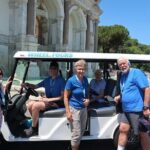
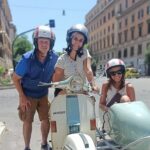
A Vespa makes Rome feel brand-new. This 1.5-hour Rome loop mixes quick photo moments with some of the city’s most famous viewpoints, from the Colosseum area to the Vatican views at Giardino degli Aranci, then a final stop at the Pantheon. With a small group (max 8), English-speaking guide, and photo included, it’s built for travelers who want big scenes without spending half a day in transit.
What I like most is the way it pairs iconic landmarks with short, satisfying time blocks: you get a close Colosseum photo stop by the Vespas, then you’re off to a quieter vantage point at the Orange Garden. The main consideration is pacing. Several stops are brief, so if you’re hoping for a long, sit-down visit inside major sights, you’ll likely wish you had more time at each place.
In This Review
- Key things to know before you go
- A Vespa loop built for first-timers and short trips
- Meeting at Via Cavour, ending at the Pantheon
- Colosseum photo stop: the quick hit you’ll remember
- Circo Massimo and Aventine Hill: scale and perspective from the scooter
- Giardino degli Aranci: where the Vatican looks close
- Trastevere wandering: cobblestones, old churches, and everyday Rome
- Terrazza del Gianicolo: Rome’s highest hill, Vatican views included
- Pantheon finish: 5 minutes outside, smart timing inside
- Helmet, photo, and the staff details that make it easier
- Pace and comfort: the scooter side of Rome
- Price vs. what you get: $70 for Rome at speed
- Who should book this Vespa round (and who should skip it)
- Should you book this Rome Vespa Round with Photo?
- FAQ
- How long is the Rome Vespa Round with Photo?
- How much does it cost?
- Where does the tour start and where does it end?
- Is the tour offered in English?
- Is Pantheon admission included?
- What happens if the weather is bad or you need to cancel?
Key things to know before you go
- Colosseum photo time is short (about 10 minutes), but you’re positioned for great views and Vespa-style pictures.
- Vatican viewpoints are the payoff, especially from Giardino degli Aranci and later from Gianicolo.
- Small group size (up to 8) helps you move without long waits at each stop.
- Helmet + phone photo are included, so you don’t have to fuss with extras.
- No major museum time is included; Pantheon viewing is around 5 minutes and entry isn’t included.
- Good weather matters since the tour requires it; you’ll be offered an alternate date or a refund if poor weather stops it.
A Vespa loop built for first-timers and short trips
Rome can feel like a lot. Not because it’s unfriendly. Because it’s huge, busy, and full of corners you want to see yesterday. This tour is designed to solve that. You cover ground quickly on a Vespa, then you spend focused, high-value chunks of time at the sights.
At $70 per person for about 1 hour 30 minutes, the pricing makes sense when you consider what’s wrapped into it: transportation via Vespa, a guide/driver experience, a helmet, and the photo component. It’s not a bargain if you want a slow, deep, museum-style day. It is a strong value if you have limited time and want Rome’s headlines plus a few scenic detours.
Also: the vibe is practical. You’re not stuck in a long bus line. You’re moving. That matters in Rome, where street layouts and traffic can turn a simple plan into a time sink.
You can also read our reviews of more city tours in Rome

Meeting at Via Cavour, ending at the Pantheon
You start at Via Cavour, 207 (00184 Roma RM) and end at Pantheon area (Piazza della Rotonda, 00186). Ending near the Pantheon is useful because it gives you an easy way to tack on dinner nearby afterward, instead of scrambling across town at the end of your sightseeing.
The start point is near public transportation, which helps if you’re coming from central Rome and don’t want to waste time figuring out a last-mile route. Your total ride time is designed to allow for travel between stops, not just time standing around.
One more detail that helps: the tour is capped at 8 travelers. That usually means faster regrouping, quicker instructions, and less time waiting for stragglers. In a place like Rome, speed isn’t everything—but it can save your legs.
Colosseum photo stop: the quick hit you’ll remember
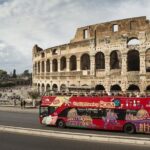
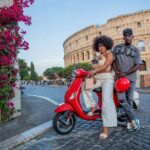
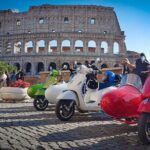
Your first named moment is the Colosseum. You’ll have about 10 minutes close to the Colosseum, with time to take in the view and snap photos with the Vespas. The guide gives a brief rundown to help you connect what you’re seeing to the bigger story.
Here’s why this stop works. People often face the Colosseum in one of two ways: either you stare from far away, or you spend ages in ticket lines and lose the rest of your day. This gives you the best part—seeing it prominently and getting photo proof—without pretending you’re doing a full archaeological visit in one short window.
Possible downside: those 10 minutes are just that—10. If you’re the type who wants to walk the whole perimeter, read every plaque, or slow down for hours of photos, you’ll have to choose what you do later. This tour is for getting your bearings and getting the shot.
Circo Massimo and Aventine Hill: scale and perspective from the scooter
After the Colosseum moment, you’ll move toward Circo Massimo, the large stadium of ancient Rome. The tour frames it as the heart of chariot racing, festivals, and large celebrations—think large crowds, big energy, and a setting built for spectacle. Even if you don’t spend long walking here, the value is context: you’re riding through an area that helps you understand how monumental Roman public events were.
Then comes the Aventine Hill side of the story. You’ll ride through this historic hill (one of Rome’s legendary seven hills). You’ll also stop by Santa Sabina Basilica, one of the older and important churches in Rome. This stop is a nice contrast to the huge roar of the Colosseum and Circo Massimo. The Aventine area can feel calmer, and Santa Sabina is a reminder that Rome isn’t only arenas and ruins—it’s also living places of worship.
Practical note: because these are quick stops while you’re on the go, you’re getting “orientation + snapshots,” not a long guided walk. If you love slow church interiors and want time to sit, you might wish you had more minutes there.
Giardino degli Aranci: where the Vatican looks close
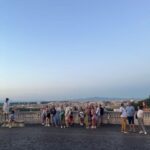
The standout viewpoint stop is Giardino degli Aranci (Orange Garden), with about 15 minutes on site. You’ll have time to enjoy views toward the Vatican, including a terrace-style perspective over the city.
What makes this garden worth a scheduled stop is simple: it’s built for looking. You’re not just passing by Rome’s skyline; you’re pausing long enough to actually enjoy it. Also, the tour notes the garden’s past as a private garden of the Savelli family, now public. That matters because it helps explain why the space feels like a breather in the middle of a city day.
If you can choose timing, consider a late-afternoon/sunset option when available. The light changes Rome fast, and the Vatican-from-above angle looks especially good when the shadows soften. This is one of those moments where your phone camera may suddenly behave like it’s trying.
One drawback to keep in mind: 15 minutes goes by quickly when the views are good. If you’re the type to shoot photos for 20 different angles, you’ll need to move with intention or accept fewer takes.
You can also read our reviews of more tours and experiences in Rome


Trastevere wandering: cobblestones, old churches, and everyday Rome
Between viewpoint stops, the route includes Trastevere, known for its colorful buildings and classic Roman street life—cobblestones, small piazzas, and local energy. You’ll also have time to see Santa Maria in Trastevere, one of the city’s oldest churches, then explore around the area.
The value of Trastevere here is that you get a dose of Rome that’s not purely postcard. You’re not only chasing the big “must-see” sites—you’re getting a feel for how people actually live in these neighborhoods. And if you like shopping for small souvenirs or you’re the kind of person who notices markets and artisan shops, this is a good place for a short wander.
Potential downside: the stop is part of an efficient loop. That means you’re not meant to turn it into a full neighborhood day. Use it to gather atmosphere. Then if you fall in love with Trastevere, you can come back later for a longer dinner-and-stroll run.
Terrazza del Gianicolo: Rome’s highest hill, Vatican views included
Next is Terrazza del Gianicolo. You’ll have about 15 minutes to enjoy views over Rome. Gianicolo is described as the highest hill in Rome and the closest hill viewpoint to Vatican City, and from here you can see the Vatican Gardens.
This is a great “second wind” stop. After Colosseum energy and Orange Garden beauty, the Gianicolo terrace adds one more angle on the same big theme: Rome’s layers stacked across hills. You’re seeing the city from up high, and that instantly helps the map in your head start making sense.
If you’re traveling in the summer heat, these hill pauses are also a mental reset. You’re not walking for long stretches, and the view gives you a reason to stop even if the rest of the day is moving fast.
Pantheon finish: 5 minutes outside, smart timing inside
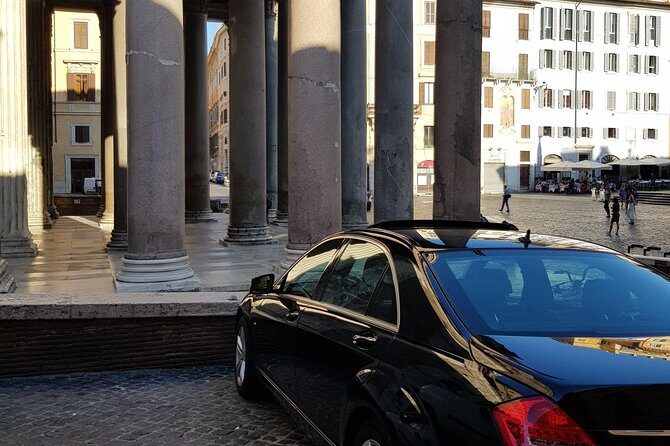
The tour wraps with Pantheon. You’ll spend about 5 minutes to see it and get information about the old temple, plus some guidance for where to look. Admission to go inside is not included, so you’ll need a separate ticket if you want the full interior experience.
This is a smart way to end. The Pantheon is one of the most famous buildings in Rome, and even from the exterior you’ll notice why it became a model for later architecture. Ending here also makes practical sense: you’re already in a central area with lots of food options.
The only thing to watch is your expectations. This tour is not trying to replace an extended Pantheon visit. It’s trying to drop you right where the rest of your trip can start—right on the doorstep.
Helmet, photo, and the staff details that make it easier
The helmet is included, and you also get a Foto with Phone. That matters more than it sounds. Riding a Vespa is one of those experiences where you want the “I was there” proof, but holding a phone while riding isn’t safe. When the tour includes the photo help, you don’t have to bring your own tripod or ask strangers for help in traffic.
The tour also highlights a personal driver feel. In practice, that usually means you’re not just sitting in the back. You’re paired with someone guiding you through the route and sharing short explanations so you’re not simply watching street after street.
Guide quality can make or break these tours, and the experience data points to guides being kind and professional. Some departures are associated with a guide named Sam, who is described as professional, knowledgeable about Roman history, and patient if someone runs late. That’s the kind of reliability you want in a city where plans can shift.
One small expectation-set: the tour includes a brief history at each key stop. If you want long lectures or deep museum-level storytelling, you’ll need to add that on your own outside this 90-minute loop.
Pace and comfort: the scooter side of Rome
Vespas are fun. They’re also a little different from walking. Here are the practical things you should consider so you feel comfortable:
- You’ll be moving between stops, so plan to wear comfortable clothes and closed-toe shoes.
- The tour notes a max weight requirement of 100 kg, so check against your situation before booking.
- Most travelers can participate, which is helpful if you’re nervous about whether you’ll fit the activity style.
- Group size maxes at 8 travelers, which usually makes instructions clearer and waiting shorter.
And a real-world factor: the tour requires good weather. If the day is rainy or unstable, the operator may cancel and offer an alternate date or a full refund. That’s not a bonus perk; it’s just how scooter touring works safely.
Price vs. what you get: $70 for Rome at speed
At $70 per person, this is a “pay for convenience” kind of tour. You’re not paying for long-time museum access. You’re paying for:
- Vespa transportation in a compact timeframe
- Helmet provided
- Quick guided context at major stops
- A photo that you can actually use
- Efficient route planning so you hit Colosseum, Vatican-view gardens, and Pantheon without hopping between far neighborhoods on your own
Value-wise, this works best when you have a short stay and you want the skyline hits plus a few Roman neighborhood flavors. If you have plenty of time and you’d rather buy tickets and linger, you might get more from self-guided exploring. But if you only have a day or two and want your Rome highlights delivered in a fun way, the price-to-time ratio is strong.
Who should book this Vespa round (and who should skip it)
This tour is a good match if:
- You want a memorable, photo-friendly Rome experience without long lines
- You like the idea of covering multiple neighborhoods and viewpoints in about 90 minutes
- You’re visiting for a few days and want a fast way to see the Colosseum-to-Vatican-to-Pantheon arc
- You want a small-group ride, not a big-group bus experience
You might hesitate if:
- You prefer long visits inside major sights like the Pantheon
- You’re uncomfortable on a scooter for any reason, even with a helmet and guidance
- You’re traveling during weather that’s often unstable, since the tour needs good conditions
Should you book this Rome Vespa Round with Photo?
I’d book it if you want Rome’s greatest hits with a fun twist and you’re okay with short stop times. The combination of a Colosseum photo moment, Vatican-facing viewpoints (Orange Garden and Gianicolo), and a Pantheon finish makes this a smart “highlights” day. Plus, the included helmet and photo help you leave with memories you can share without turning the trip into a logistics project.
Skip it only if you’re looking for long museum time or you know scooter riding won’t feel right. For everyone else, it’s a strong way to see a lot of Rome, get your bearings fast, and end the day right by one of the city’s most iconic buildings.
FAQ
How long is the Rome Vespa Round with Photo?
The tour lasts about 1 hour 30 minutes.
How much does it cost?
It costs $70.00 per person.
Where does the tour start and where does it end?
It starts at Via Cavour, 207, 00184 Roma RM, Italy, and ends in front of the Pantheon at Piazza della Rotonda, 00186 Roma RM, Italy.
Is the tour offered in English?
Yes, the tour is offered in English.
Is Pantheon admission included?
No. The tour includes a short viewing and explanation of the Pantheon, but admission is not included.
What happens if the weather is bad or you need to cancel?
The tour requires good weather. If it’s canceled due to poor weather, you’ll be offered a different date or a full refund. You can also cancel for free up to 24 hours in advance for a full refund.