REVIEW · ROME
Rome: Trevi Fountain Underground Guided and Walk City Tour
Book on GetYourGuide →Operated by TOURISTATION · Bookable on GetYourGuide
Rome has Trevi under your feet. This tour strings together Rome’s big-name landmarks with a real payoff underground. I especially like how it pairs Piazza Navona with a guided look at how the city’s water system worked centuries ago.
You’ll get that rare Rome feeling when you go Trevi District Underground and hear the story of the “City of Water” from your English guide. One thing to think about: this is a walking tour, and it’s not suitable if you have mobility impairments or use a wheelchair.
In This Review
- Key highlights at a glance
- Why Trevi Underground Pairs Perfectly With Rome’s Classics
- Tour Flow From Piazza Navona to 9 Meters Below
- Piazza Navona: Bernini’s 4 Rivers and a Photo-Ready Start
- Pantheon Area Views Without the Doorway Ticket
- Trevi Fountain: Coin Tossing Meets Real Water History
- Palazzo Patrizi Montoro: A Noble Residence Stop (Mostly)
- Trevi District Underground: The City of Water Below Rome
- Vicus Caprarius Explained: Domus Pipes and Ancient Masonry
- Price, Value, and Who This Tour Fits
- Should You Book This Trevi Fountain Underground Tour?
- FAQ
- How long is the Rome Trevi Fountain Underground guided walk?
- Where is the meeting point?
- Do I need to arrive early?
- Is the tour guide in English?
- Is Trevi District Underground entry included?
- Is Pantheon entrance included?
- Is the underground tour wheelchair accessible?
- When is Palazzo Patrizi Montoro available?
Key highlights at a glance

- Piazza Navona + Bernini’s Fountain of the 4 Rivers to kick things off right
- English live guide with headsets if you need them
- Trevi Fountain moment with history, including the water secrets beneath it
- Palazzo Patrizi Montoro visit for a dose of noble Roman life (closed Wednesdays)
- Vicus Caprarius underground tour with a reserved entrance and guided time below ground
Why Trevi Underground Pairs Perfectly With Rome’s Classics
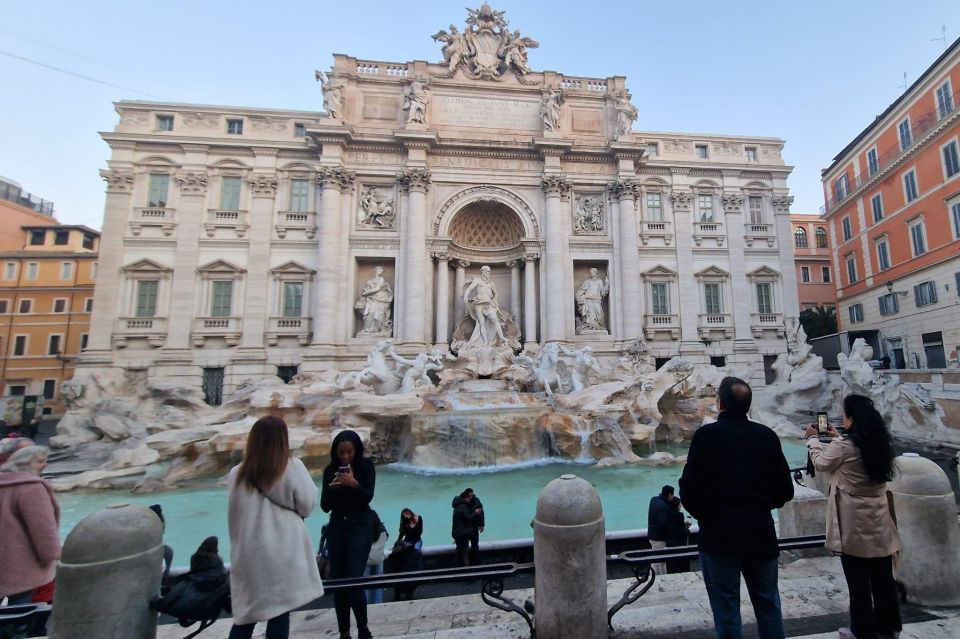
Rome is great at making you look up. Trevi is the ultimate example. This tour keeps that energy going, then flips the view and sends you down roughly 9 meters to see where the water story continues.
I like the way the route uses a simple rhythm: famous piazza, famous temple area, famous fountain, then a guided underground walk that’s actually tied to what you saw above. You’re not just collecting photos. You’re learning why Rome’s “most famous” spots are connected to systems that ran under everyone’s feet.
And yes, you’ll still get the classic Trevi moment. You’ll toss your coin into the Trevi Fountain. But the real value is that your guide also explains the water history behind it, so the stop feels less like a trap for quick tourists and more like an informed pause.
You can also read our reviews of more tours and experiences in Rome.



Tour Flow From Piazza Navona to 9 Meters Below
You start at the Touristation office in Piazza Navona, at address 25. Plan to arrive about 15 minutes early so you can meet the guide and get organized before the walking portion begins. The whole experience runs about 2.5 hours, so it’s quick enough for a busy first-time Rome day, but long enough to feel guided rather than rushed.
Expect a steady walk between landmarks. The pace isn’t built for slow strolling. It’s also not a “stand around and listen forever” kind of tour. Your guide moves you through key spots and then gives you concentrated time underground, including a 45-minute guided portion through the Trevi underground area.
One more thing: this isn’t just an underground ticket with a loosely attached walk. It’s an organized, guided experience with reserved access to the underground component, plus a real focus on explaining the city’s development from ancient Rome until today.
Piazza Navona: Bernini’s 4 Rivers and a Photo-Ready Start
Piazza Navona is the kind of place where you immediately understand why Rome gets under your skin. Your guided time here is long enough to take it in properly—about 75 minutes—so you can actually watch how the square works, not just glance and move on.
The centerpiece connection is Bernini’s Fountain of the 4 Rivers. Even if you’ve seen it in pictures, seeing it in the context of the square is different. The proportions and placement make you realize it wasn’t just decorative. It’s part of the spectacle of power and faith that Rome mastered.
This is also a good moment to reset your brain for the rest of the day. Navona helps you get oriented: where the fountain sightlines are, how the streets feed into the piazzas, and how the city’s layout shapes the experience. Then you head onward with the guide tying the monuments to what’s coming next.
Pantheon Area Views Without the Doorway Ticket

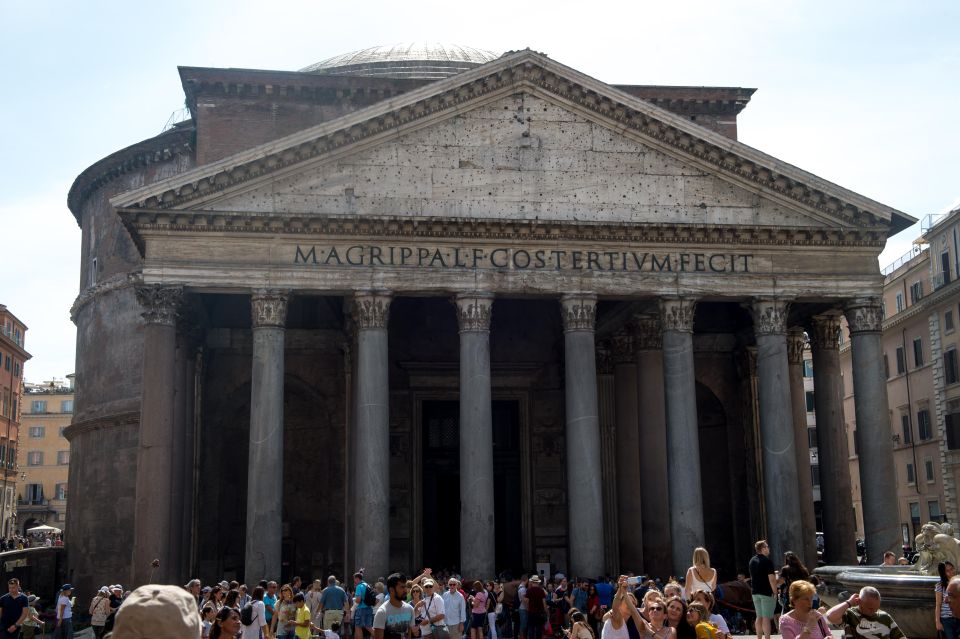
You’ll walk through the Pantheon area, and you’ll see it from the outside. The Pantheon is described as the temple dedicated to all divinities, and it’s famous for being one of the best-preserved ancient temples you can visit.
There’s a key trade-off: entrance to the Pantheon is not included. That said, this tour still makes sense if your goal is breadth. A guided outside look can be satisfying when paired with the rest of the route, especially the Trevi and underground portions where you’ll spend more time actually inside an experience.
I also like the way the guide sets up what Michelangelo thought of the Pantheon’s design. You’ll hear that he called it of angelic, rather than human, design. Even if you don’t go inside today, that comment helps you look at the structure differently, not just admire it.
Trevi Fountain: Coin Tossing Meets Real Water History
Trevi Fountain is the stop most people want to see, and this tour handles it thoughtfully. You don’t just show up for the coin toss and leave. You learn what the fountain represents, and you also hear about the secrets tied to the water systems connected to it.
Your guide explains that the fountain is the largest and best-known in Rome. Then, after the classic moment, you get the context: how Rome’s water wasn’t only a convenience. It was an infrastructure story—and it shaped life and architecture above and below.
If you’re the type who enjoys details, this part lands well. Your guide’s job here isn’t to recite trivia. It’s to connect what you see at street level to what you’ll see later underground, including the way water flows through ancient structures.



Palazzo Patrizi Montoro: A Noble Residence Stop (Mostly)
Between the big squares and the underground, you’ll visit Patrizi Montoro Palace. This is one of those stops that changes the tone of the day from postcard Rome to something more lived-in and specific.
The palace is described as a residence of a distinguished Roman noble family since 1642, and it’s grouped among the elite families such as the Borghese, Doria, and Colonna. That matters because it gives you context for why certain buildings and neighborhoods took on their character over time.
Practical note: Patrizi Montoro Palace is available every day except Wednesday. So if your plans land on a Wednesday, you’ll want to confirm what replaces it (your guide and office staff can help). The bigger point is that you’re getting more than fountains today—you’re getting a taste of Roman status and architecture.
Trevi District Underground: The City of Water Below Rome

Here’s the part that makes the tour feel worth doing even if you’ve seen Trevi in daylight already. After you finish the surface sights, you go into the Trevi District Underground with a reserved entrance ticket.
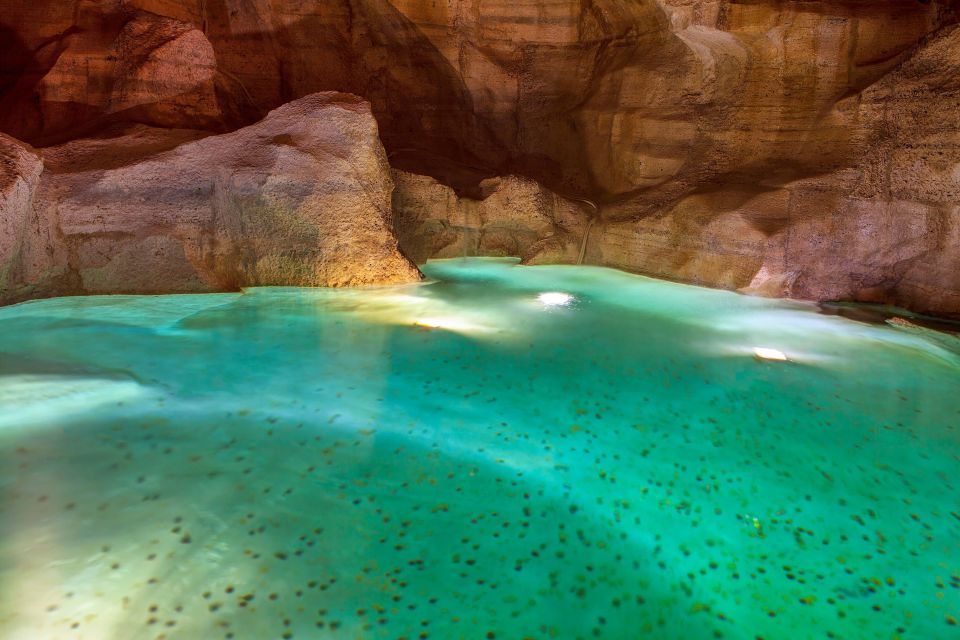
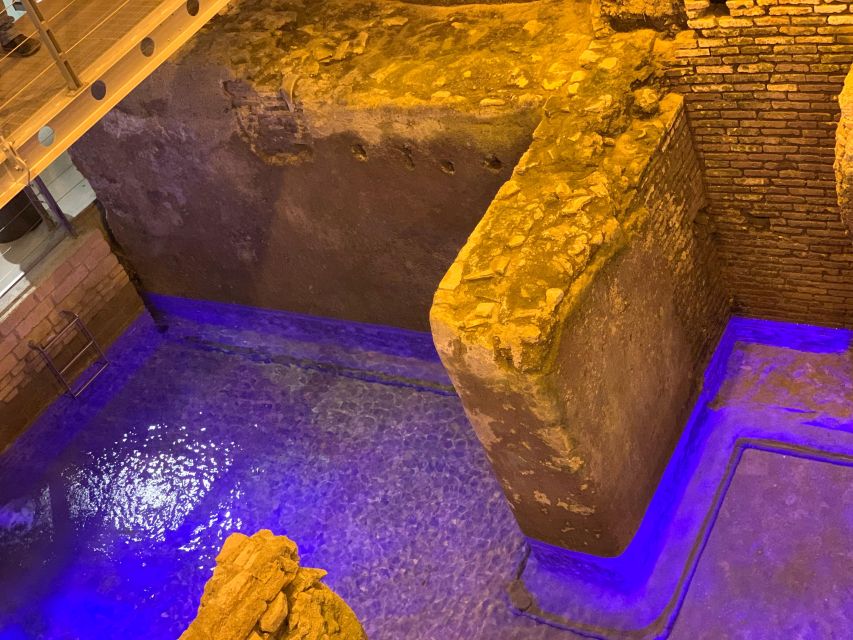
This underground section is guided and lasts about 45 minutes. You’ll roam through three sections of the antiquarian area, and you’ll understand why this zone is called the “City of Water.” That phrase isn’t just marketing language. It’s tied to the way water moved through Rome’s hidden spaces and supported large residential life.
I like that the underground walk is structured. You’re not wandering in the dark hoping for answers. Your guide points out what to notice and connects it back to what you just saw at Trevi Fountain.
Also, since the tour isn’t suitable for wheelchair users or people with mobility impairments, this is clearly built as an active walking experience, including underground portions.
Vicus Caprarius Explained: Domus Pipes and Ancient Masonry
The underground focus is Vicus Caprarius, and the guide gives you a clear story about how water systems worked. You’ll see how water that flows from Trevi Fountain filters through ancient masonry in the archaeological area.
Then comes the payoff: the water continues into pipes and pools connected to the luxurious Domus residence. In other words, you’re seeing the physical link between a public fountain above and private comfort below.
This is where the tour can feel more meaningful than a generic “underground sights” walk. You start thinking like an engineer for a minute. How did the water get there? How did it stay supplied? How did Rome convert a city-scale resource into something that fed daily life?
If you like archaeology and want your photos to come with real context, this is the moment that justifies the whole ticket.
Price, Value, and Who This Tour Fits
The price is $73 per person, and for Rome, the big question is always value: what are you paying for?
You’re paying for an English guided experience that covers multiple high-demand stops plus reserved access to the Trevi District Underground. You also get headsets if required, which matters when you’re listening in busy outdoor areas. On top of that, your Trevi Fountain entry ticket is listed as included starting February 1, 2026. That future detail can slightly improve value if you’re traveling later.
What’s not included: Pantheon entrance. You’ll see the Pantheon from outside, so if you want to go inside, you’ll need a separate plan.
This tour fits best if you:
- Want a guided first-timer route through Piazza Navona, the Pantheon area, and Trevi
- Like Rome details more than just quick checkmarks
- Want something more original than another “look at the fountain” visit
It’s less ideal if you need step-free access, because it’s not suitable for wheelchair users or people with mobility impairments.
Should You Book This Trevi Fountain Underground Tour?
If you want Trevi with context and you enjoy the idea of Rome’s infrastructure history, I think this is a smart booking. The underground City of Water portion turns one of the most famous fountains in the world into a story you can actually follow, including how water connects to ancient masonry and a Domus residence.
Book it if:
- You want English guidance and structured time at each stop
- You’re comfortable with walking and an underground visit
- You want both surface landmarks and a rare look below Rome
Skip or adjust plans if:
- Mobility access is an issue
- You specifically need Pantheon entry, since entrance isn’t included
If you’re the kind of traveler who likes your “must-sees” to come with a why, this tour delivers more than the usual Rome highlights.
FAQ
How long is the Rome Trevi Fountain Underground guided walk?
It’s about 2.5 hours total.
Where is the meeting point?
You meet at the Touristation office in Piazza Navona 25, 00186 Rome.
Do I need to arrive early?
Yes. You should report at the Touristation Navona Office 15 minutes before departure time.
Is the tour guide in English?
Yes. The tour includes a live English guide, and headsets are provided if required.
Is Trevi District Underground entry included?
Yes. The tour includes a reserved entrance ticket for the Trevi District Underground.
Is Pantheon entrance included?
No. Entrance to the Pantheon is not included, and you’ll explore the Pantheon from outside.
Is the underground tour wheelchair accessible?
No. The experience is not suitable for people with mobility impairments or wheelchair users.
When is Palazzo Patrizi Montoro available?
Palazzo Patrizi Montoro is available every day except Wednesday.