REVIEW · MUSEUMS
Rome Etruscan Museum of Villa Giulia
Book on Viator →Operated by Weekend in Italy · Bookable on Viator
Etruscan history has an unexpected pull in Rome.
The Rome Etruscan Museum at Villa Giulia is your shortcut to the life, art, and beliefs of a culture that flourished in Italy before the Romans took over. I especially like how the museum pairs major Etruscan sculpture with top-level Greek objects, so you can see how ideas traveled across the Mediterranean.
Two things I really like: first, you get face-to-face time with famous works like the terracotta Sarcophagus of the Spouses. Second, the experience is designed for an easy visit window—about 1 to 3 hours—with an English-speaking option and an optional digital audioguide upgrade.
One drawback to consider: you’ll want to be strict about entry documents. Some visitors reported issues when they didn’t have the official tickets provided with the booking, and audio devices can also be temperamental if you opt in.
In This Review
- Key Things You’ll Notice at Villa Giulia
- Villa Giulia Etruscan Museum: What You’re Actually Seeing
- Etruscan Culture Before Rome: Why This Museum Feels Different
- The Sarcophagus of the Spouses: The Moment You’ll Remember
- Etruscans Meet the Greeks: A Smart Mix for Curious Minds
- Your Visit Flow: How the Time Feels on the Ground
- Digital Audioguide in English: Helpful, But Test It Early
- Tickets and Entry: What to Bring So You Don’t Get Stuck
- Where It Fits With Rome: Pairing With Villa Borghese Gardens
- Price and Value: Is $25.26 Worth It?
- Who This Museum Visit Is Best For
- Should You Book This Rome Etruscan Museum Experience?
- FAQ
- How long is the Rome Etruscan Museum of Villa Giulia experience?
- How much does it cost?
- Is the entrance ticket included?
- Is the tour in English?
- Is an audioguide included?
- Where does the visit take place?
- How will I get my confirmation?
- Is it easy to get there?
- What’s the cancellation policy?
Key Things You’ll Notice at Villa Giulia
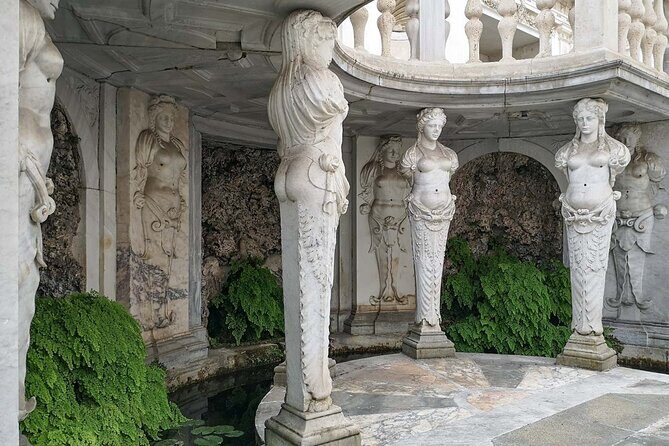
- Etruscan masterpieces in a focused museum setting that fits a short Rome schedule
- The Sarcophagus of the Spouses and other sculpture you can study at a real pace
- Greek art alongside Etruscan finds, which helps explain cultural exchange
- Optional English digital audioguide if you want more context while you walk
- A visit that pairs well with Villa Borghese gardens nearby
Villa Giulia Etruscan Museum: What You’re Actually Seeing
The Museo Nazionale Etrusco di Villa Giulia is built for people who like their history with details you can look at. You’re not just reading labels—you’re walking through galleries filled with Etruscan creations and objects that help explain how this society thought about status, daily life, and the afterlife.
One of the smartest parts of this kind of visit is that it doesn’t demand a whole day. The time estimate is 1 to 3 hours, so you can slot it in between other Roman highlights without feeling rushed. For many people, that’s the deciding factor. Rome can be a lot. This is a manageable chunk.
And since the tour is in English, it’s a practical choice if you don’t want to rely on app translation while you’re trying to make sense of stone, terracotta, and painted scenes. You’ll still read, but you’ll also have a better chance of understanding what you’re looking at.
You can also read our reviews of more museum experiences in Rome



Etruscan Culture Before Rome: Why This Museum Feels Different
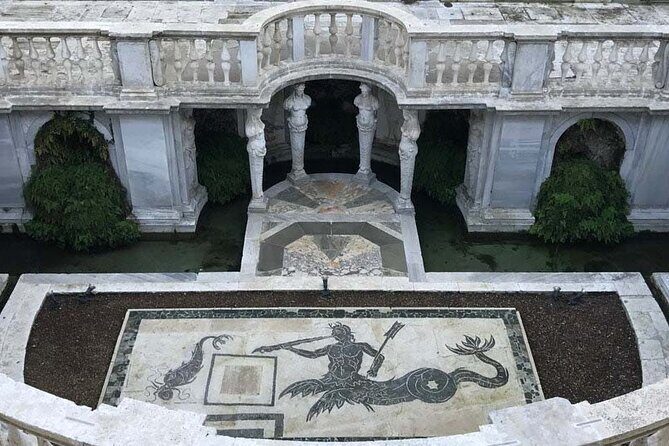
If your Rome planning usually centers on emperors, aqueducts, and triumphal arches, Villa Giulia is a sharp contrast—in a good way. You’ll see a pre-Roman culture that wasn’t a footnote. It had its own artistic language and social signals, and it left behind works that still look emotionally direct: faces, poses, ornament, and craft that don’t feel generic.
That “before Rome” angle matters because the Etruscans help explain the background of what Rome later adopted. You can stand in front of an object and get a sense of how people expressed identity long before Roman branding took over. It makes the Roman story feel less like it appeared out of thin air.
There’s also something grounding about sculpture in particular. When a museum offers strong three-dimensional pieces, you don’t have to imagine. You can study posture, technique, and the way figures are made to communicate.
The Sarcophagus of the Spouses: The Moment You’ll Remember

The museum is known for the terracotta Sarcophagus of the Spouses, and it’s easy to see why. Even if you come in knowing only the basics, this kind of piece tends to hook you quickly because it focuses on people, not just symbols.
A sarcophagus is also a clue to how the Etruscans treated death and memory. The fact that the museum highlights this specific terracotta work tells you the collection isn’t only about “cool old things.” It’s about what mattered enough to preserve and display.
If you like to slow down, give yourself time here. Don’t treat it like a quick photo stop. Look at how the figures sit, how the material was shaped, and what the scene communicates. Even without a deep art background, you can feel the intention.
Etruscans Meet the Greeks: A Smart Mix for Curious Minds
One of the most useful surprises at Villa Giulia is that it includes not only Etruscan material, but also Greek products of very high quality. That matters for two reasons.
First, it helps you avoid the simplistic idea that cultures stayed isolated. Second, it gives you something concrete to compare: how style, form, and craft travel. When a museum places Greek and Etruscan works close enough for you to notice differences, it turns your visit into more than a single-theme checklist.
So if you’re the type who wants context—why this region looked the way it did—this mix is a win. You’re not only learning about the Etruscans. You’re learning about the cultural web around them.
Your Visit Flow: How the Time Feels on the Ground

This experience is straightforward: you’re going to the Museo Nazionale Etrusco di Villa Giulia, then you’re free to continue exploring Rome. The key stop is the museum itself, and the ticket covers admission.
Here’s how that typically plays out in real life. You arrive, get settled, and start with the most important works first. Then you move deeper into sculpture and objects that help connect the dots—art to belief, craft to culture. Because the visit window is 1 to 3 hours, I recommend planning on a pace that leaves room for at least one “slow section” where you don’t feel guilty about lingering.
If you’re a fast museum walker, you can probably finish closer to the lower end. If you read a lot and want to study faces and scenes, you’ll likely drift toward the higher end. Either way, you won’t be locked into a rigid schedule.




Digital Audioguide in English: Helpful, But Test It Early
An optional upgrade offers an information-packed digital audioguide in English. If you’re trying to understand the “why” behind the “what,” this can be worth it. It also helps you move through the museum with more confidence, especially if you’re not familiar with Etruscan terms or iconography.
One practical note: audio tech can fail, and one reported issue involved an audioguide not working as expected. I’d treat that as a reason to be cautious, not a reason to panic. When you start, give yourself a few minutes to confirm the device or app is functioning properly before you settle into a gallery you really wanted to hear.
If the audioguide is important to your experience, arrive with enough time that you can troubleshoot quickly.
Tickets and Entry: What to Bring So You Don’t Get Stuck
Because this is a pre-booked admission experience, entry works only when you show the official tickets provided by the booking. One serious problem reported was being unable to enter because the wrong kind of payment proof or confirmation was presented.
So here’s my direct advice: don’t assume that a screenshot, a receipt, or a third-party confirmation will work at the door. Bring what the operator says to bring, and make sure the ticket format is the right one for the site. This is the kind of small detail that can turn a great museum moment into stress.
If you like peace of mind, also make sure the confirmation arrives within the stated 48 hours window before your visit date. Then you can head over without second-guessing.
Where It Fits With Rome: Pairing With Villa Borghese Gardens
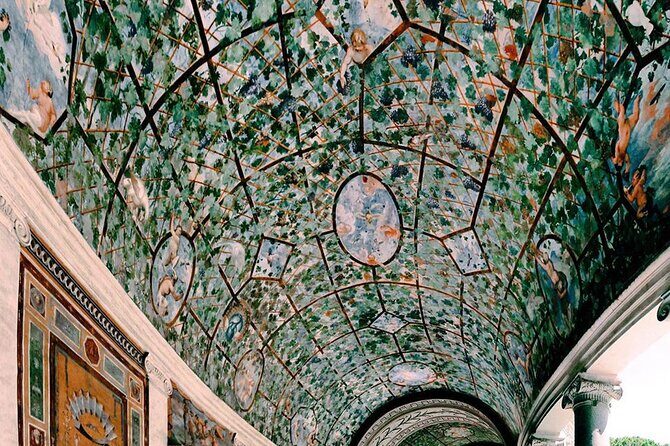
A smart planning bonus here is the museum’s proximity to the Villa Borghese gardens, one of the top attractions in Rome. That’s a convenient pairing because it lets you switch gears: museum brain, then a walk-and-breathe break outside.
In practice, this can save you travel time. Instead of commuting across town after your museum visit, you can keep your day in one area. And if the museum ends closer to the early part of your day, you’ll still have enough time to enjoy the gardens at a calmer pace.
If you’re building a classic Rome itinerary, think of Villa Giulia as the cultural contrast stop.
Price and Value: Is $25.26 Worth It?
At $25.26 per person, the headline value depends on what you want from the day.
You’re getting an entrance ticket included, and the experience is set up to be in English with an optional audioguide upgrade. That means you’re paying for convenience and a smoother start—especially helpful if you’re juggling tickets across multiple sites.
That said, one complaint tied to value argued that buying museum admission directly could be cheaper. I can’t confirm pricing differences without seeing the day-of options, but it’s reasonable to consider if you’re extremely price-sensitive. If you’re okay with a bit of markup for the time saved and the less-frequent ticket hassle, this package usually makes sense.
My rule: if you’re using this to simplify your schedule and you care about understanding the art, the cost feels justified. If you’re strictly cost-minimizing and don’t care about audioguides or the pre-booked process, you might prefer buying only at the museum.
Who This Museum Visit Is Best For
This is a great fit if:
- You like art and want to understand how people expressed identity in the ancient world
- You’re curious about Italy before Rome—not just Rome itself
- You want a museum stop that won’t swallow your entire day
It’s also a good choice if you’re traveling in a way that benefits from public transport access. The site is near public transportation, so you’re not forced into a long taxi loop just to reach the museum.
On the other hand, if you hate any possibility of tech dependency, you may want to skip the audioguide upgrade and rely on signage. Or at least be ready to proceed without audio if something isn’t working right away.
Should You Book This Rome Etruscan Museum Experience?
Book it if you want a high-value museum stop in English, with Etruscan sculpture at the center and a helpful optional audioguide. I especially recommend it to history buffs who like the “before” story—how earlier cultures shaped what came later.
Skip or rethink if you’re mainly chasing the absolute lowest price and you’re comfortable buying on site, or if you know you’ll be very upset by any audio/device glitch. Entry issues are rare when you have the correct official tickets, but the stakes are high enough that it’s worth taking seriously.
If you’re aiming for a satisfying, not-too-long Rome day, this is one of those experiences that delivers real substance without forcing your schedule into knots.
FAQ
How long is the Rome Etruscan Museum of Villa Giulia experience?
It’s listed as about 1 to 3 hours.
How much does it cost?
The price is $25.26 per person.
Is the entrance ticket included?
Yes. The admission ticket to the museum is included.
Is the tour in English?
Yes. It’s offered in English.
Is an audioguide included?
The digital audioguide is an optional upgrade, not included by default.
Where does the visit take place?
The experience focuses on Museo Nazionale Etrusco di Villa Giulia in Rome.
How will I get my confirmation?
Confirmation is received within 48 hours of booking, subject to availability.
Is it easy to get there?
The museum is near public transportation.
What’s the cancellation policy?
This experience is non-refundable and cannot be changed for any reason.
If you want, tell me what else you’re planning for your Rome day, and I’ll help you place Villa Giulia and Villa Borghese in a realistic route.