REVIEW · FOOD
Rome Street Food Tour – History, Craft and Authentic Taste
Book on Viator →Operated by Rosy Smart City Tours · Bookable on Viator
Rome tastes better on foot. This 3-hour walk threads old neighborhoods and real local bites together, so you get food plus street-level history in one smooth route. I especially like how much you eat for the money, and how the guide ties each tasting to the place you’re standing in.
One thing to keep in mind: if you have gluten or lactose intolerance (not an allergy), not every stop can be guaranteed. You’ll want to flag it at booking, since last-minute changes may not be handled.
In This Review
- Key highlights you’ll care about
- A 3-hour Rome walk that feeds you like a local
- Getting started at Largo dei Librari (and staying relaxed)
- Stop 1: Largo dei Librari skewers and your first glass
- Stop 2: Campo de’ Fiori supplí (that crispy Roman comfort)
- Stop 3: Mosaic shop craft you can actually see
- Stop 4: Passetto del Biscione, then pizza slices
- Stop 5: Area Sacra di Largo Argentina (Caesar’s end, explained simply)
- Stop 6: The Jewish Ghetto and carciofo alla giudia
- Stop 7: The Pantheon area, with the key points
- Stop 8: Sant’Eustachio gelato break
- Stop 9: Piazza Navona tiramisu for the finale
- Stop 10: Piazza della Minerva and Bernini’s elephant
- What makes the guides matter (and why you should care)
- Dietary needs and who should book this tour
- Is it worth $83.13? My value take
- Who this tour suits best
- Should you book this Rome Street Food Tour?
- FAQ
- How long is the Rome Street Food Tour?
- Where does the tour start and end?
- What’s included in the tastings?
- Is alcohol included?
- What if the mosaic shop isn’t available?
- Can vegetarians or people with dietary restrictions join?
- What’s the cancellation window?
Key highlights you’ll care about
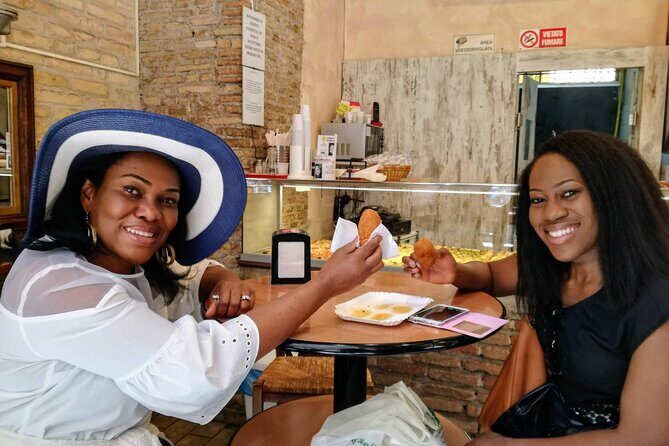
- Enough samples for a meal: skewers, supplí, artichokes, gelato, and tiramisu, with more than one savory stop
- Small groups capped at 10: easier conversation, better pacing, and less wandering
- Jewish Ghetto focus: the famous deep-fried artichoke is treated like a must, not a side note
- History stops you’d miss: from Campo de’ Fiori to the Pantheon area, with context kept practical
- Mosaic workshop option: you may get a look at how frames or tile cuts are made during working days
- Rain-ready, not weather-proof: it runs in sun or rain except extreme conditions
A 3-hour Rome walk that feeds you like a local
This is a true street food tour: you walk first, taste as you go, and learn along the way without turning the whole thing into a museum. The route covers some of the most story-rich corners of Rome, but the pace stays focused on food and human-scale details.
The group size is capped at 10 travelers, which matters more than you’d think. You’re not fighting for attention at each bite, and you can actually ask questions. Reviews also hint that some departures run especially small, which only makes the experience more personal.
At $83.13 per person for about 3 hours, it’s not cheap, but it’s not random either. The price includes multiple tastings that add up to something like a generous meal: skewers, supplí, carciofo alla giudia (Roman-Jewish fried artichoke), gelato, and tiramisu. Alcohol is the main obvious extra, and even then it’s optional since red wine shows up early and alcohol can be bought separately if you want more.
You can also read our reviews of more food & drink experiences in Rome


Getting started at Largo dei Librari (and staying relaxed)
You meet at Via dei Giubbonari, 90, Largo dei Librari and the tour ends at Piazza Navona. That starting area is convenient for getting to the first tasting fast, and ending near Navona is handy because you can keep exploring right after you eat.
Expect a walk that covers several neighborhoods. Comfortable shoes are the smartest accessory here. The tour runs sun or rain, and you’re covered for typical weather. Extreme conditions can cancel, and the policy is strict on refunds for last-minute weather cancellations, so check the forecast before you head out.
Stop 1: Largo dei Librari skewers and your first glass
The tour kicks off with your guide taking you straight into tastings: meat and cheese skewers plus a glass of red wine. This is a smart opener. It gets you into the local rhythm immediately, before the history talk gets heavy.
Practical tip: if you’re not drinking, you can still enjoy this start. The tour’s real strength is the food variety—this first stop is just the warm-up.
Stop 2: Campo de’ Fiori supplí (that crispy Roman comfort)
Campo de’ Fiori is one of Rome’s oldest food-market areas in spirit, and the statue of Giordano Bruno gives the square extra bite of history. In the morning it can be lively, but even if it’s quieter when you go, it still has that market-energy layout.
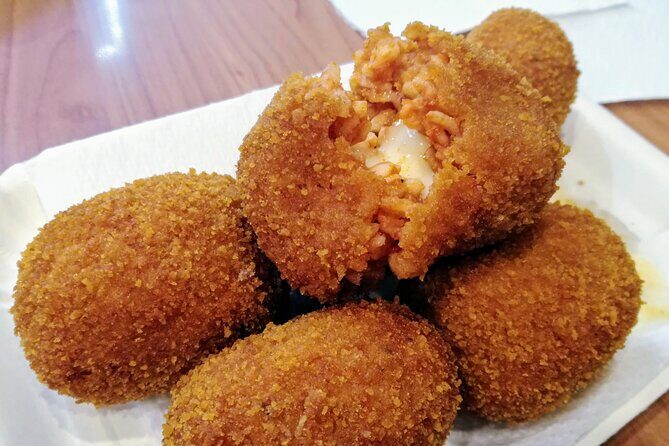
Your tasting here is supplí: fried rice balls filled with mozzarella and tomato sauce. If you’ve only had mozzarella sticks before, this is the upgrade. The filling is the point, and the outside crunch is what makes it street food gold.
One caution: supplí is hot and best eaten right away. The tour timing keeps you moving, so don’t let your first bite cool off.
Stop 3: Mosaic shop craft you can actually see
Next you head to a mosaic artisan shop. The artisan walks you through the steps: how tile pieces are cut and how the work becomes something like a photo frame. You’re not just hearing about art—you’re seeing craft in motion.
This stop runs during working days. If it isn’t available that day, the tour offers an additional food tasting instead. Either way, you still get that extra payoff beyond the main sequence.
If you like hands-on details, this is the kind of stop that breaks up the food rhythm without stopping the tour’s momentum.
You can also read our reviews of more tours and experiences in Rome


Stop 4: Passetto del Biscione, then pizza slices
Passetto del Biscione is a shortcut through alleys with fresco decoration. It’s one of those in-between spaces that helps you understand how Rome “layers” its city over centuries. You’re walking through a visual corridor, not just moving from one tasting to the next.
Then it’s onto pizza tasting with sliced pizza samples. It’s a reminder that Rome street food isn’t always fried and heavy. Pizza works here because it’s familiar, fast, and easy to share.
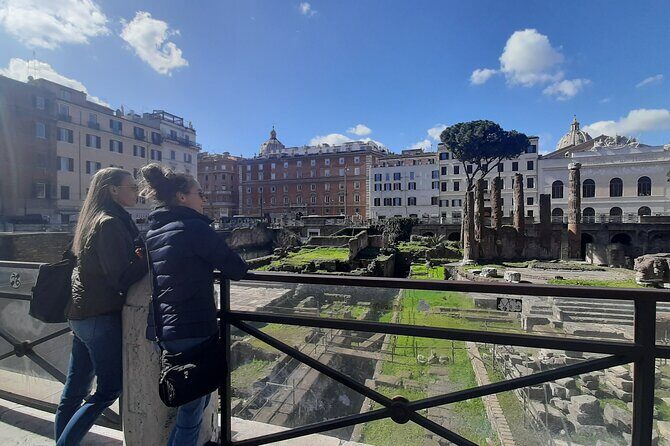
Stop 5: Area Sacra di Largo Argentina (Caesar’s end, explained simply)
You’ll stop around Area Sacra di Largo Argentina, tied to the place where Julius Caesar was murdered. You won’t go inside—this is more about what the site means and how it fits into the broader Roman story.
This is one of those stops that can go two ways on tours: either it becomes a long lecture, or it becomes a quick, clear way to read the street around you. Here, the framing is practical—why the site matters, and what you’re seeing in the moment.
Stop 6: The Jewish Ghetto and carciofo alla giudia
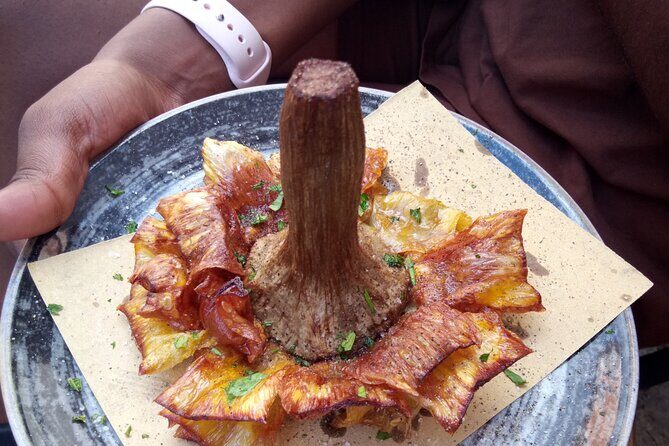
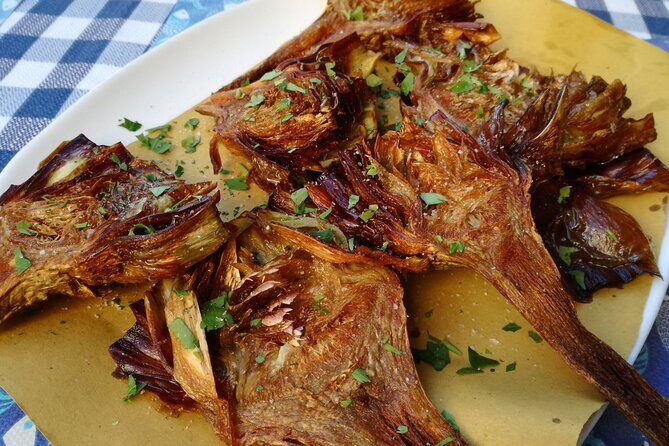
This is the stop you’ll remember. The tour heads into the Ghetto area where you see remains of ancient Roman structures and the synagogue from the outside. Then comes the tasting that people call out for good reason: deep-fried artichoke, carciofo alla giudia.
This dish is Roman and Jewish culinary tradition at the same time. The artichoke is fried until it’s crisp, with that intense, slightly wild vegetable character that feels very Roman when you eat it on the street.
If you like food with identity—food that doesn’t taste like generic tourist fare—this is where you get it. Also, this is where being in a small group helps. You can ask the guide about what makes a good one, and you’ll actually get an answer.
Stop 7: The Pantheon area, with the key points
Next, you get taken in front of the Pantheon but not inside. The guide points out the main details and keeps the explanation tied to what you can see from the outside.
This works well in a food tour setting. You don’t need to stop and ticket-hunt. You just learn enough to recognize what you’re looking at while your stomach is still in mid-adventure.
Stop 8: Sant’Eustachio gelato break
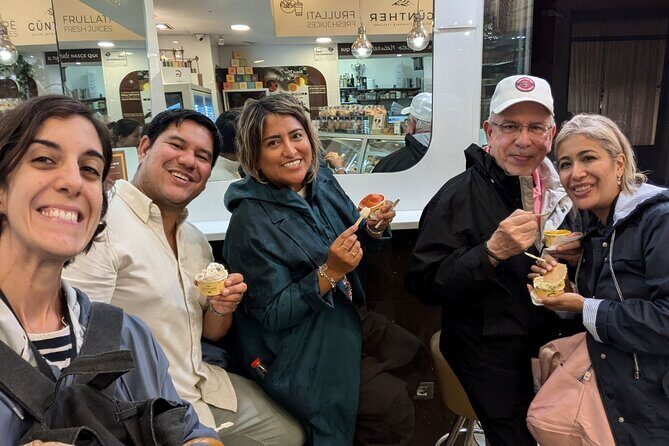
By now you’re warm, walking, and properly snack-loaded. At Sant’Eustachio, the tour goes to gelato.
This stop is more than dessert. It’s a reset for your palate so you can handle what comes later. If you’ve ever had gelato and then immediately regretted ordering something heavy after, you’ll appreciate this timing.
Stop 9: Piazza Navona tiramisu for the finale
You arrive at Piazza Navona, one of the city’s most charming squares, with the Fountain of the Four Rivers as a visual anchor. It’s a classic Rome moment, but it’s also a good place to end your food circuit without needing to find your way elsewhere.
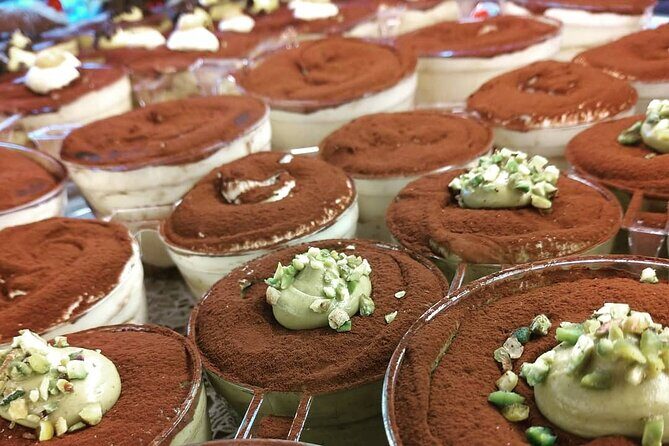
Your last tasting is the gran finale with tiramisu. This is the kind of dessert that feels complete after savory stops: coffee and cream flavors that land softly right when you’re ready for the walk to end.
Stop 10: Piazza della Minerva and Bernini’s elephant
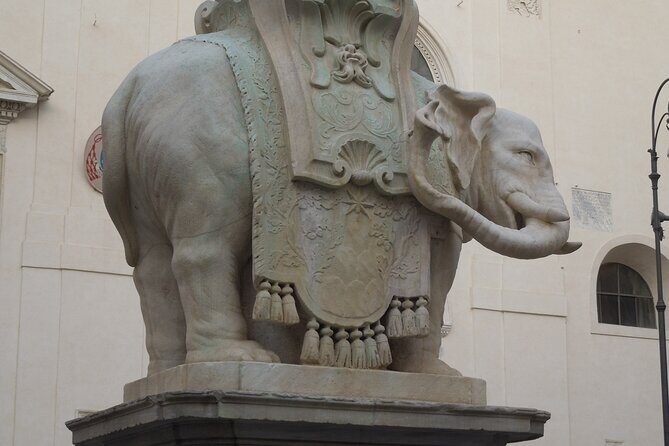
The tour doesn’t just stop at sweets. At Piazza della Minerva, you admire Bernini’s stone elephant statue and get its story.
This ending is a nice trick: you finish with something memorable and slightly unusual, so the tour doesn’t feel like it ends mid-thought. It’s also a good spot to keep sightseeing since Piazza Navona is right there.
What makes the guides matter (and why you should care)
The guides are a huge part of why this tour keeps earning top scores. Different names pop up in feedback—Chris, Daniele, Mattia, Serena, and Virginia. The common thread is how they connect the dots between food and history, and how patient they are when you ask questions.
Some guides also spend extra time when the group size is small, with extra local context. That can turn a standard snack run into something that feels like a friendly walkthrough of Rome’s identity, not just its highlights.
If you want your Rome first-night experience to feel grounded and personal, this setup is strong.
Dietary needs and who should book this tour
This tour aims to be inclusive, but it has limits you should plan for.
- Vegetarians (not vegans): can be accommodated, as long as you advise at booking.
- Gluten or lactose intolerants (not allergies): can participate, but not all tastings can be guaranteed. Communicate it when booking; last-minute requests won’t be counted.
- Reduced mobility guests: the guidance is to book a private tour so the group’s duration isn’t impacted.
If you’re a vegan, you’ll need to check carefully. The data only confirms vegetarian accommodation, so assume you’ll need specific confirmation from the provider.
Is it worth $83.13? My value take
Here’s the value logic I use for food tours: count what you get, then ask if it replaces a normal meal.
You get multiple tastings that cover both savory and sweet. You also get a planned craft stop at a mosaic shop when it’s operating. You’re walking a lot, but the tastings are placed so you’re not just snacking randomly. When you finish with gelato and tiramisu, it genuinely feels like you ate.
Alcohol is extra beyond what’s included up front, so the price stays reasonable if you prefer water or non-alcoholic choices. If you do drink, you may end up spending more, but that’s true of any tour that offers wine.
Group cap at 10 also protects value. It keeps the pacing from turning into an assembly line.
Who this tour suits best
I’d point you here if:
- You want a first night in Rome plan that gives quick context fast.
- You like food that has a story, like carciofo alla giudia in the Ghetto.
- You prefer small groups over big buses-on-feet.
- You enjoy history that explains what’s in front of you, not just dates.
I might steer you elsewhere if you hate walking, need guaranteed special diets at every stop, or want a fully flexible menu. This tour is designed as a shared, structured route.
Should you book this Rome Street Food Tour?
Book it if you want a well-paced mix of street food and quick historical context, with enough tastings to feel satisfied. The small-group cap helps a lot, and the standout foods—supplí and fried artichokes—are the kind of Rome flavors you’ll be glad you didn’t miss.
Skip it or ask extra questions if you have a strict allergy or a nonstandard dietary need beyond what’s stated. And if you’re sensitive to weather, plan layers since the tour runs in typical sun or rain.
FAQ
How long is the Rome Street Food Tour?
It’s about 3 hours (approximately).
Where does the tour start and end?
It starts at Largo dei Librari, Via dei Giubbonari 90, 00186 Roma RM and ends at Piazza Navona, 00186 Roma RM.
What’s included in the tastings?
Included tastings are skewers, supplí, artichokes, gelato, and tiramisu. There’s also a surprise dessert as part of the menu.
Is alcohol included?
A glass of red wine is part of the early tastings, but alcoholic beverages can be bought separately based on preferences.
What if the mosaic shop isn’t available?
The mosaic shop visit happens on its working days. If it can’t run, you’ll be offered an additional food tasting instead.
Can vegetarians or people with dietary restrictions join?
Vegetarians (not vegans) can be accommodated if you advise at booking. Gluten or lactose intolerants (not allergic) can participate, but not all tastings can be guaranteed—communicate it when booking. Last-minute requests won’t be taken into consideration.
What’s the cancellation window?
You can cancel for a full refund up to 24 hours before the experience starts. If you cancel less than 24 hours before, the amount paid isn’t refunded.