REVIEW · FOOD
Rome Street Food: Delights at Campo dei Fiori & Ghetto Area
Book on GetYourGuide →Operated by Pink Umbrella Tours · Bookable on GetYourGuide
Rome has a special way of teaching you what to eat. This 2.5-hour street food tour links classic Roman bites with the sights around Campo de’ Fiori and the Jewish Ghetto. I love how the food tastings stay practical (you get enough to feel like a real meal), and I love that the walk connects what you taste to what you’re seeing—like the stops that lead you right into the stories behind these neighborhoods. One thing to consider: it’s a walking tour on cobbles, and it’s not set up for people who need lots of seating breaks.
You’ll start in the heart of the market area at Campo de’ Fiori, then move street by street toward Largo Argentina and the ancient ruins. Guides share anecdotes that make Italian dining habits make more sense fast—plus you’ll get a mix of Roman classics like supplì and Jewish-Roman favorites such as fried artichoke. The main drawback? The time in the Jewish quarter can feel like a quick highlight rather than a deep, slow exploration if that’s your top priority.
If you’re comfortable standing and walking for about two and a half hours, this is a strong value way to sample Roman street food and get your bearings in this part of central Rome without a heavy classroom feel.
In This Review
- Key takeaways before you go
- Campo de’ Fiori start: meeting under Giordano Bruno and eating fast
- Pizza, cured meats, wine-and-beer sips: the Roman street food lineup
- The short “in-between” walk: Via del Biscione and the fresco-and-shrine passage
- Via dei Chiavari: another tasting stop where you learn what to notice
- Into the Jewish Ghetto: fried artichoke and the stories behind it
- Largo di Torre Argentina: finishing with gelato beside ancient ruins
- Price and value: what $41 buys you in Rome time and calories
- Who should book this Rome street food walk, and who should skip it
- Should you book Rome Street Food at Campo de’ Fiori and the Ghetto?
- FAQ
- Where is the meeting point for the tour?
- How long is the Rome street food tour?
- Is the tour in English?
- What food and drinks are included?
- Are there vegetarian options?
- Are vegan, gluten-free, or dairy-free options available?
- Is the tour suitable for wheelchair users or limited walking ability?
- Are pets allowed on the tour?
Key takeaways before you go
- Campo de’ Fiori market start: you begin with food, local shop energy, and that lively center-point feel
- Roman street food hits: you’ll taste classics such as supplì and pizza-style bakery samples
- Jewish Ghetto food stories: you’ll learn why dishes like fried artichoke are linked to community tradition
- A short, scenic route through the old city: notable sights are folded into the walk, not tacked on
- End at Torre Argentina: you finish with gelato near famous ruins at Area Sacra di Largo Argentina
Campo de’ Fiori start: meeting under Giordano Bruno and eating fast
Your tour begins at Campo de’ Fiori, and the meeting spot is very specific: under the statue of Giordano Bruno in the middle of the square. Do yourself a favor and arrive a few minutes early. Campo de’ Fiori is easy to get turned around in because streets funnel into the square from every direction, and you don’t want to waste time when you’re about to start tasting.
This opening stretch matters because it sets the tone for the whole walk. You’re dropped into a real public space—market culture, shop fronts, and the kind of eating that happens while people are still doing their errands. One guide-led advantage here is pace control: you’ll know where to look and when to expect each sample, instead of wandering and second-guessing what’s worth trying.
What I like about starting here: it’s a fast way to learn the geography of central Rome. You quickly get a feel for which streets open into wider squares and which lanes lead you into older-feeling corners.
One practical note: even when a route is flat, Rome’s sidewalks are often made of uneven stone. One reviewer flagged the cobbles, and you should treat that as real advice. Good walking shoes make the difference between enjoying the stroll and thinking about your feet the whole time.
You can also read our reviews of more food & drink experiences in Rome


Pizza, cured meats, wine-and-beer sips: the Roman street food lineup
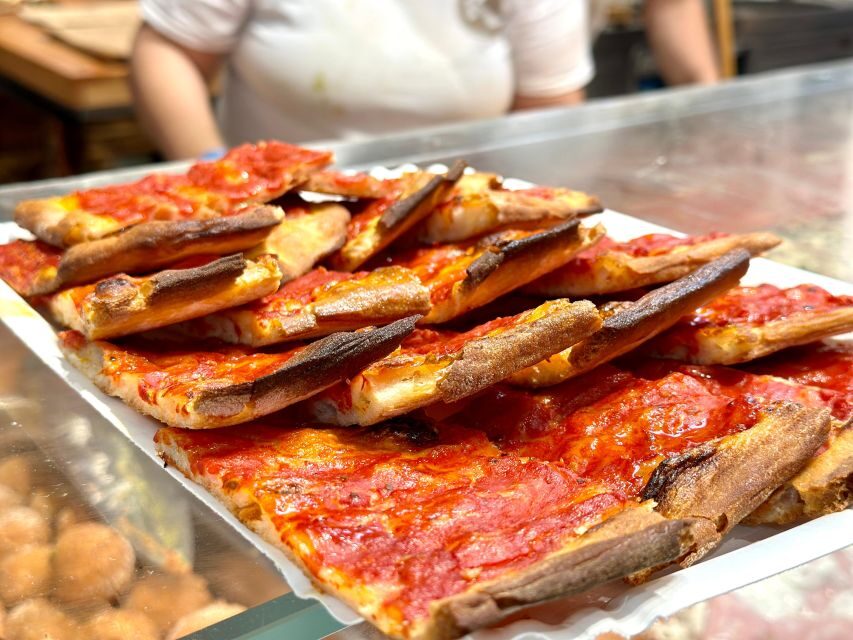
Food-wise, this tour is built like a greatest-hits sampler. Over roughly two and a half hours, you’ll hit five food stops and add a sample of beer plus a sip of wine. That combo is part of the value: you’re not just collecting bites, you’re getting a sense of how Romans snack and drink casually while walking through the city.
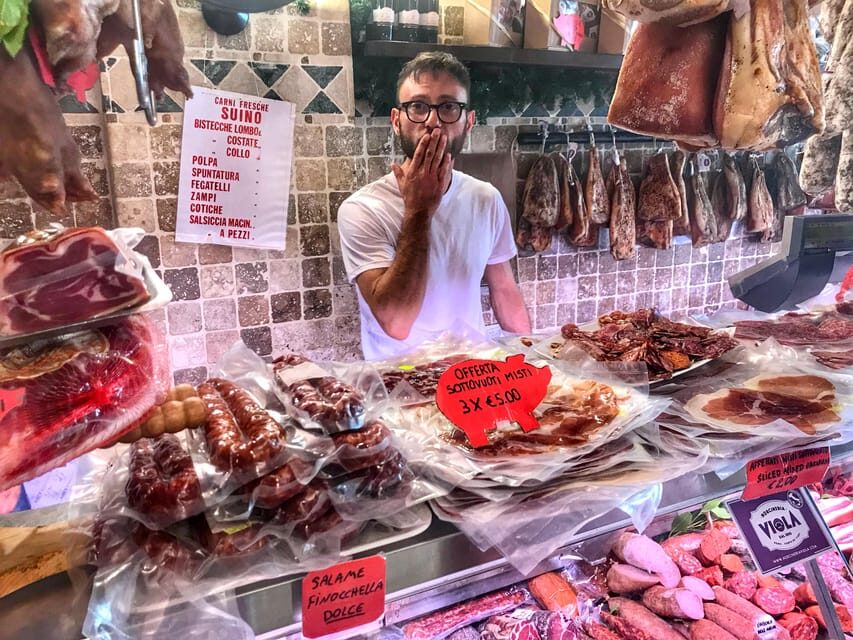
At Campo de’ Fiori, you start with samples from the sort of places you rarely notice from a distance. You might catch freshly baked pizza from an historical bakery, and you’ll likely taste an assortment of artisanal cured meat sold by a long-running shop (the details matter here—there’s a sense of tradition in how these businesses have kept going).
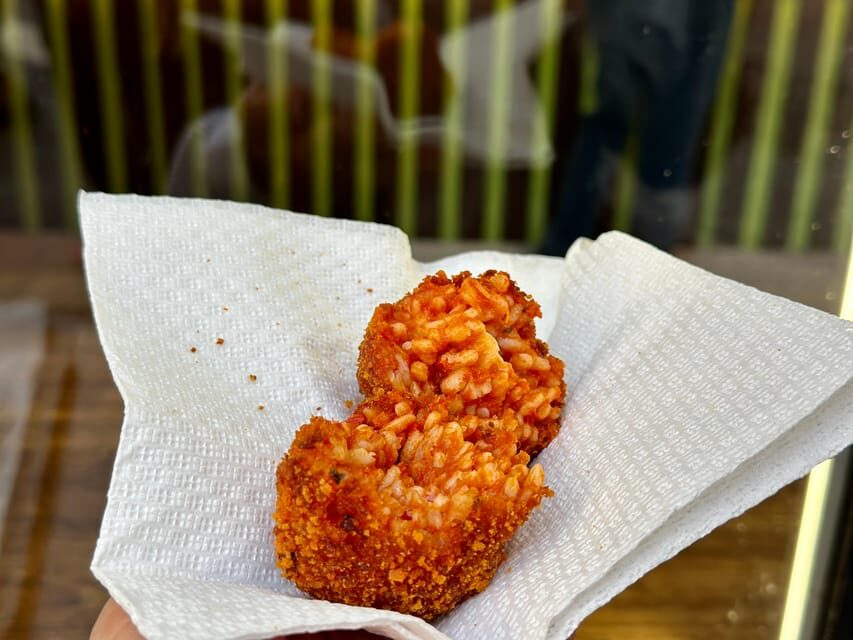
Then you move toward Roman street-food mode proper: think quick, crispy, handheld foods that are perfect for eating while standing, then moving on. A big favorite on the route is supplì, the deep-fried rice ball Rome is famous for. It’s one of those bites that feels simple until you taste it: hot, crispy outside, and that comforting rice center. It’s the kind of food that makes you understand why locals don’t need a long sit-down meal every time hunger hits.
If you’re going on the morning version: you may also taste olive oil, truffles, and balsamic vinegar at the local market. That’s not just extra food—it’s a smart way to anchor Roman flavors in the basics. Oil and vinegar show up everywhere in Italian eating, so tasting them early helps the rest of the experience click.
Taste expectation reality check: there are restrictions. Vegan, gluten-free, and dairy-free options are not available. Vegetarian can be provided, but only if requested in advance. If you have food allergies, especially nuts, expect possible cross contamination, since street-food tastings often come from shared preparation environments.
The short “in-between” walk: Via del Biscione and the fresco-and-shrine passage
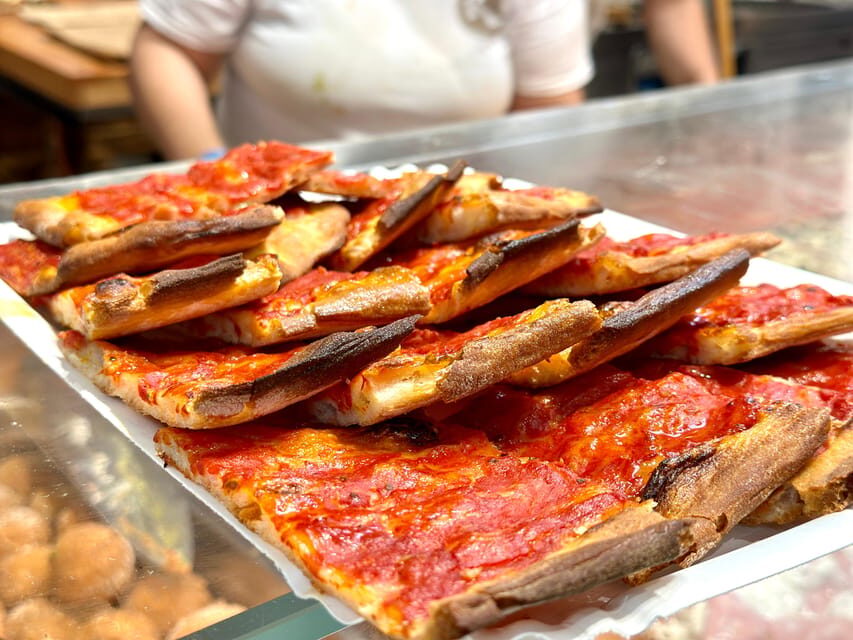
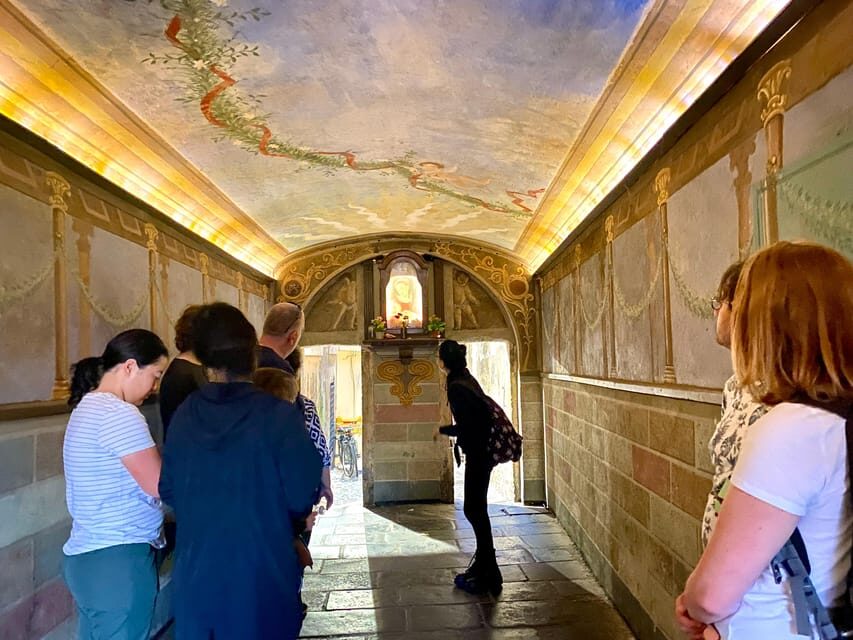
Between the bigger food stops, the route takes you through smaller stretches that make the tour feel like more than a food crawl. One segment includes Via del Biscione, and you’ll also pause along the way at an ancient passageway with frescoes and a shrine.
This kind of stop is worth it if you enjoy quick, visual context. It gives you a break from the constant “eat, then walk” rhythm and gives your guide room to explain how these neighborhoods grew around religious and community life. Even if you only stay for a few minutes, you leave knowing what you’re looking at rather than treating it like scenery.
It also helps that the walk stays efficient. If you’ve ever tried to do a self-guided street food sampling, you know how much time you can burn figuring out what’s good and where. This tour keeps you moving, but not in a stressed, sprinty way.
Why I think this section works: it turns the city into a guided map. You’ll notice little transitions—street width, building style, and the way people move—that you’d normally skip while staring at a menu.
Via dei Chiavari: another tasting stop where you learn what to notice
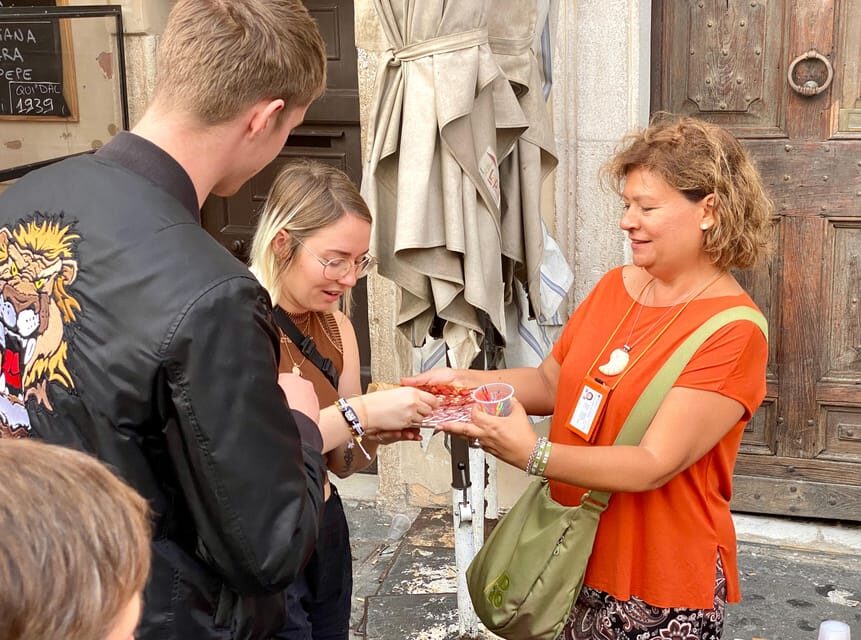
Another food moment happens around Via dei Chiavari, with about 30 minutes built in for a tasting. This is where the tour typically helps you read Roman eating like a local.
Instead of just giving you random bites, you’ll learn what matters: how Roman street food is usually meant to be eaten immediately, how the flavors are balanced, and how textures play a big role. That’s especially useful for anyone who doesn’t know what supplì, cured meats, or artichokes are supposed to taste like before their first bite.
If you’re picky about food variety, you’ll probably feel satisfied here. Between the cured meat sampling, the street-food fried items, and the final gelato, the tour covers the main categories of what Romans consider casual-and-special eating.
Small reality check: this is a walking tour, not a long sit-down. If you need frequent long breaks or guaranteed seating, this setup may feel tight. One detail worth noting: seats are not guaranteed.
Into the Jewish Ghetto: fried artichoke and the stories behind it
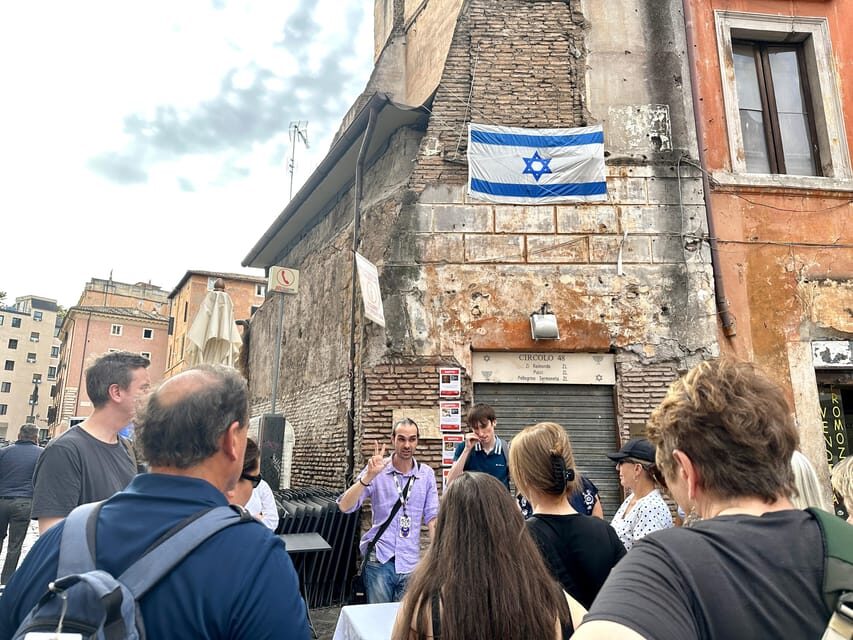
This is the part of the tour that most people remember, and it’s not only because of food. You’ll spend about 45 minutes in the historic Jewish Quarter (Jewish Ghetto), walking through one of the oldest Jewish communities in the western world and hearing how food traditions developed in that context.
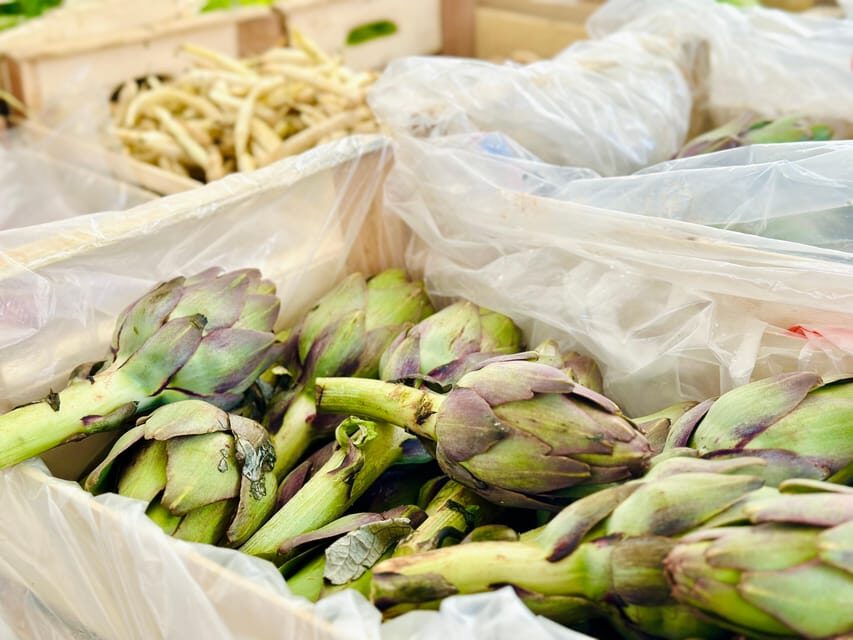
The signature tasting here is fried artichoke (carciofi alla giudia)—crispy, flavorful, and very different from what people expect if they’ve only had artichokes as a boiled vegetable. It’s the kind of dish that feels both street food and culture lesson at the same time.
What I like about the ghetto portion is that you’re not just eating in silence. The guide ties the food to everyday life and neighborhood history, so you understand why these dishes became iconic. You’ll also get practical insight into local dining habits—how Romans snack, where people tend to gather, and how certain foods fit into social rhythm.
One reviewer mentioned wanting more time in the Jewish quarter, which tells you something important: this stop is a highlight, but it’s still a 2.5-hour tour. If you’re coming mainly for historical depth in this area, you might want to follow up on your own after the tour ends. But if you want a blend of sights and tastes that keeps momentum, the timing works.
Comfort note: the walk includes cobbles, so keep your stride short and steady. Don’t rush. The guide’s commentary lands better when you’re not concentrating on your footing.
You can also read our reviews of more tours and experiences in Rome



Largo di Torre Argentina: finishing with gelato beside ancient ruins
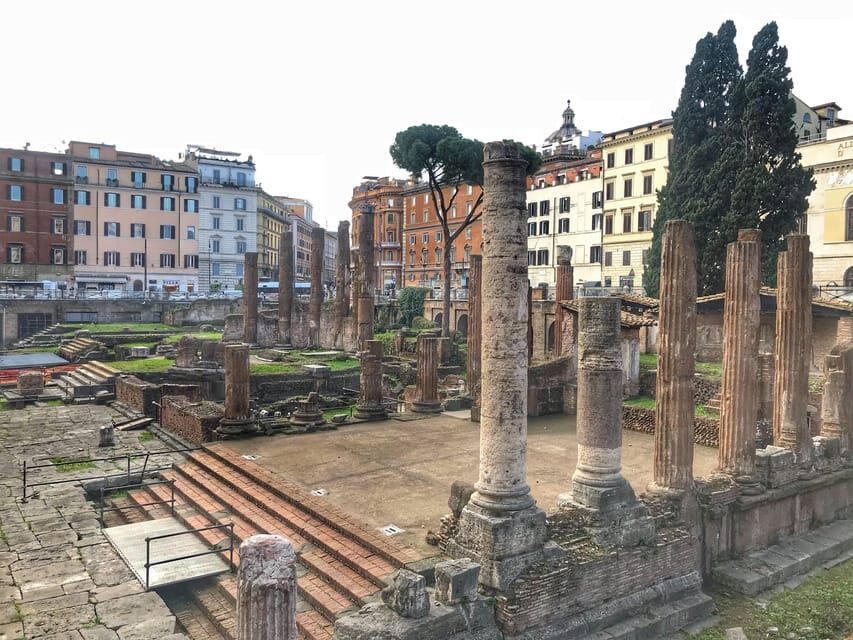
The tour ends at Area Sacra di Torre Argentina, near Largo Argentina. This is a smart finish for two reasons: you get a visual payoff, and you get a cooling-down treat.
After the ghetto section, ending with gelato is exactly the right reset. You’ve eaten several warm, savory items; dessert helps you wrap your brain around the whole flavor story. You’ll have about 20 minutes for this final stretch, which usually feels like enough time to enjoy the gelato without the tour feeling like it drags.
Torre Argentina also gives you a famous backdrop. It’s one of those Rome places where history sits right in your line of sight. Even if you’re not a museum person, it’s a meaningful way to cap a food tour because it reminds you: street food isn’t floating in space. It exists in the same streets as centuries of community life.
If you want extra value: after the tour, hang around a bit and orient yourself. This area is a good point for deciding what to explore next, especially if you enjoy walking and spontaneous detours.
Price and value: what $41 buys you in Rome time and calories
At $41 per person for about 2.5 hours, the price is hard to beat if your goal is practical sampling plus guided context. You’re paying for three things:
- Five food stops rather than a couple of bites
- Wine and beer tastings (a sip and a sample, not an open bar)
- A licensed local guide with neighborhood storytelling that makes the bites meaningful
Several guides listed in past outings—people like Francesca, Mattia, Barbara, Ramona, Arianna, and Adrianne—share the same pattern: friendly pacing, clear explanations, and tips you can use after the tour. That matters because the guide is part of the value, not just a conductor for snacks.
In terms of how full you’ll feel, one strong theme is that the tour tends to cover lunch and keep you satisfied later. If you’re budgeting for meals, this can reduce the number of separate stops you need on your first day.
The main cost-of-doing-this tradeoff: you’re committing to walking time. If you’d rather sit and eat slowly in air-conditioned comfort, you might feel rushed. But if you want to see Rome’s historic center while you eat, this price-to-experience ratio is solid.
Who should book this Rome street food walk, and who should skip it
This tour fits best if you:
- want guided Roman street food without needing to research every shop ahead of time
- like learning through tasting—food plus neighborhood context
- can handle about 2.5 hours of walking on uneven cobblestones
- want a mix of Campo de’ Fiori + Jewish Ghetto + Torre Argentina in one go
I’d skip it if you:
- use a wheelchair or need accessible routing (it’s not suitable for wheelchair users)
- need gluten-free, vegan, or dairy-free options (not available)
- have limited standing or walking capacity (not suitable)
- travel with pets (pets are not allowed)
If you’re vegetarian, you may be okay as long as you request it in advance. But if you need strict dietary control beyond that, plan carefully—cross-contamination risk can’t be ignored.
Should you book Rome Street Food at Campo de’ Fiori and the Ghetto?
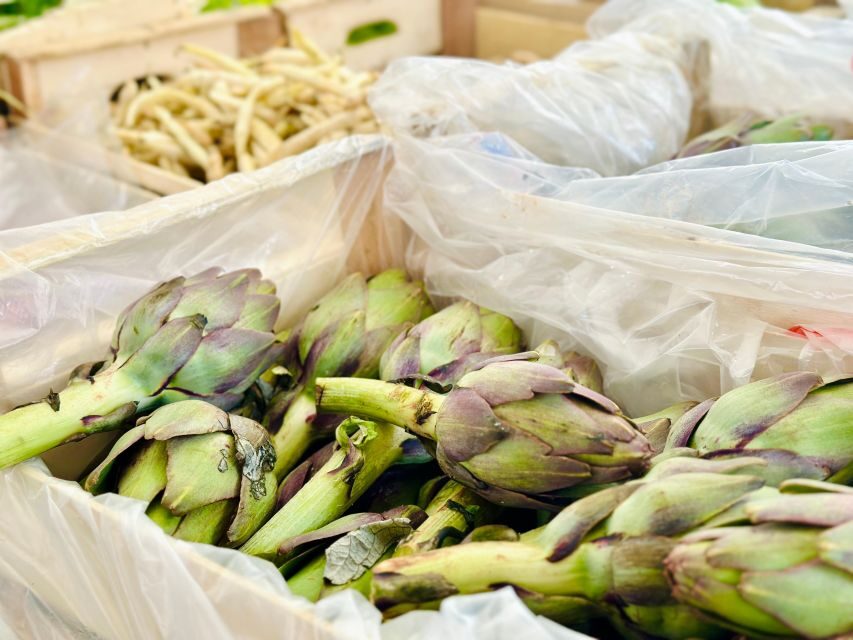
Yes—if you want an efficient, flavorful first pass through central Rome that mixes food with real neighborhood storytelling. The biggest reason to book is the pairing: Roman classics like supplì and bakery pizza, plus fried artichoke in the Jewish Ghetto, capped by gelato near Largo Argentina. That’s a memorable mix for the time you spend.
Also, this is a good pick when you want value. For $41, you’re not just buying snacks—you’re getting five tastings, a guide, and guided sightseeing that helps you understand what you’re looking at while you walk.
If dietary needs are strict (vegan, gluten-free, dairy-free) or if walking is tough, then it’s not the right match. But for most people who can handle cobblestones and enjoy tasting their way through Rome, this tour is an easy yes.
FAQ
Where is the meeting point for the tour?
You meet your guide under the statue of Giordano Bruno in the middle of Campo de’ Fiori square.
How long is the Rome street food tour?
The duration is 2.5 hours.
Is the tour in English?
Yes, the live tour guide speaks English.
What food and drinks are included?
The tour includes five food stops, plus 1 sample of beer and 1 sample of wine (a sip of wine and beer are offered during the tour).
Are there vegetarian options?
A vegetarian option can be provided only if requested in advance.
Are vegan, gluten-free, or dairy-free options available?
No. Vegan, gluten-free, and dairy-free options are not available.
Is the tour suitable for wheelchair users or limited walking ability?
No. It is not suitable for wheelchair users and it is not suitable for travelers with limited standing or walking capacity.
Are pets allowed on the tour?
No, pets are not allowed.