REVIEW · STREET ART
Rome street art tour: off the beaten path with a local guide
Book on GetYourGuide →Operated by Rome Travelogues · Bookable on GetYourGuide
Rome’s walls have a second job.
This Rome street art tour sends you into offbeat neighborhoods where street art isn’t a novelty, it’s part of the local identity. With Lisa, a Rome-born guide, you’ll connect murals to the neighborhoods that host them, using real context instead of just pointing at pretty paint.
Two things I really like: you get Garbatella and Tor Marancia in one loop, and you learn what you’re actually looking at—history, authors, and the meaning behind the work. You also see about 30 murals during a walk that stays friendly and human-sized.
One consideration: you’ll cover about 4 km on foot, and the tour calls for comfortable shoes. If you’re hoping for a sit-down, stop-and-go “classic sights” day, this one will feel more active than you planned.
In This Review
- Key highlights at a glance
- Why Garbatella and Tor Marancia make Rome feel local
- Getting there: Metro B to Garbatella and the simple meeting point
- The walking loop: 4 km, 2.5 hours, and what that pace really means
- Garbatella: early 20th-century planning meets street art
- Tor Marancia: an open-air contemporary art museum
- The “back through more street art” section that ties it together
- Lisa’s storytelling: history, authors, and context you can actually use
- Practical stuff that keeps the tour easy: shoes, water, and summer hats
- Price and value: $41 for a 2.5-hour local art education
- Who should book this, and who might skip it
- Should you book the Rome street art tour with Lisa?
- FAQ
- FAQ
- Where is the meeting point for the tour?
- Which metro line should I use?
- How long is the walk and how far is it?
- What kind of art and neighborhoods will I see?
- Is the tour in English?
- Is gelato included?
Key highlights at a glance
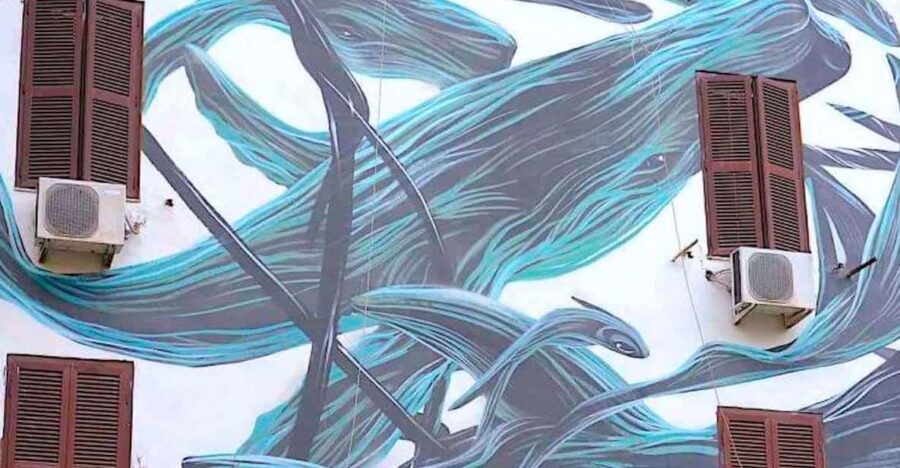
- Garbatella murals and monuments in a district shaped by early 20th-century planning
- Tor Marancia street art as an open-air, contemporary art experience
- About 30 murals explained with history and authorship
- A ring walk loop (~4 km) that keeps the pace manageable
- English-language guiding from a local, Rome-born guide named Lisa
- Optional gelato if you want to cool off during the walk
Why Garbatella and Tor Marancia make Rome feel local
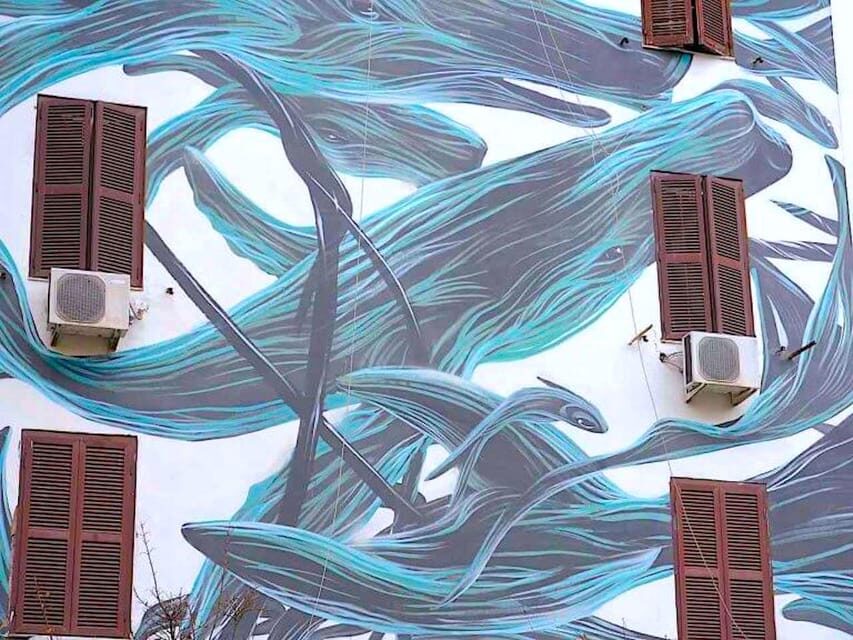
Rome has its famous monuments, then it has its quieter pulse. This tour is built around the second part—those everyday streets where art shows up on building walls like it belongs there. You start in Garbatella, a neighborhood many visitors miss completely, and you end back at the same point, which makes planning easier than hopping across town.
What makes this work so well is the pairing: Garbatella gives you the “designed neighborhood” side of Rome, then Tor Marancia shifts into contemporary street art. Together, they show two different ways a city expresses itself—through urban form on one hand, and through public art on the other.
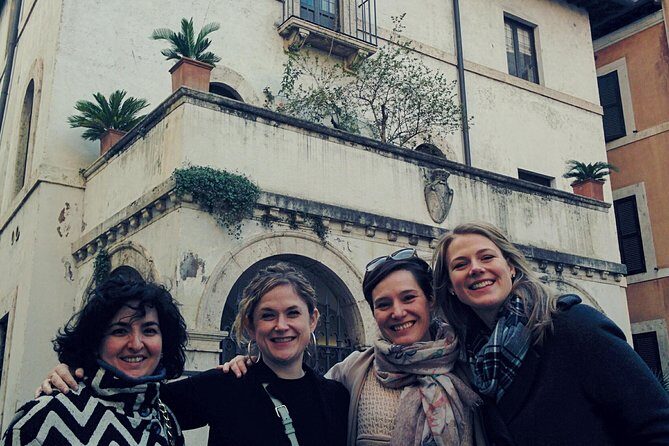
And because the tour is led by Lisa, born and raised in Rome, you’re not just hearing general facts. You’re hearing how someone from the city thinks about these places, including what locals notice and why they care.
You can also read our reviews of more guided tours in Rome



Getting there: Metro B to Garbatella and the simple meeting point
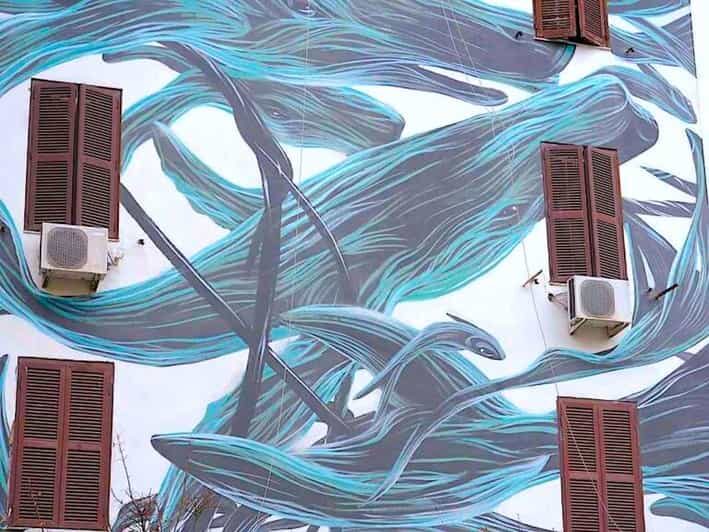
Plan to use Metro Line B (the blue line). Get off at Garbatella, and look for the exit that includes a little colored amphitheater—this is where you meet Lisa and the group.
This is a practical choice for two reasons. First, Garbatella is straightforward to reach without complex transfers. Second, starting and ending at the same metro stop keeps you from burning time at the end of the walk.
If you’re arriving the day-of, I’d do one small favor for yourself: confirm which metro exit you’re using before you fully commit to the meeting point. Metro exits in Rome can look similar, and you don’t want to spend your tour time hunting for that colored amphitheater.
The walking loop: 4 km, 2.5 hours, and what that pace really means
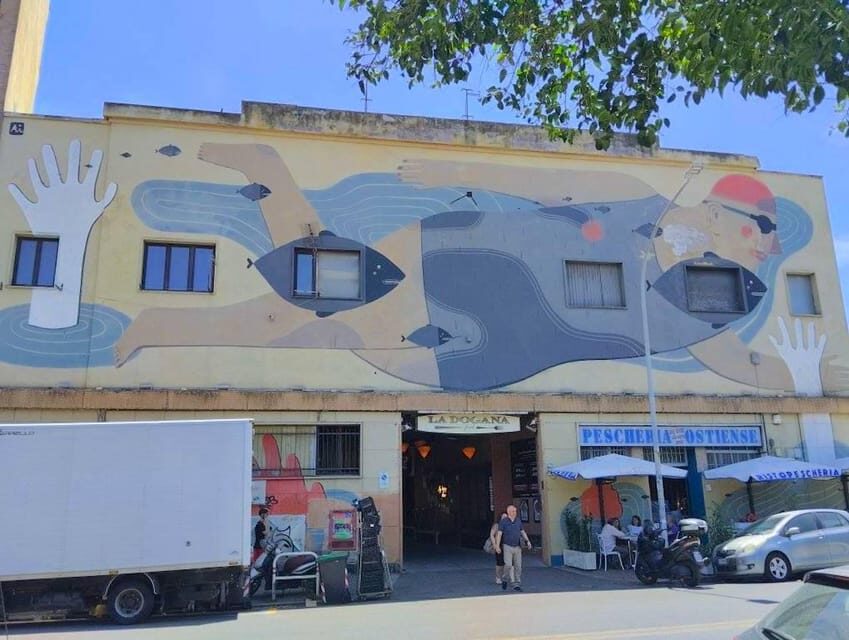
The route is a ring walk of about 4 km, lasting around 2.5 hours. That’s long enough to feel like you traveled somewhere meaningful, but short enough that you won’t need a “vacation from your vacation” afterward.
Here’s how to think about the pacing: the tour is not about sprinting from wall to wall. It’s about slowing down just enough to notice details—style, placement, and how each mural fits into its street. When the guide explains context, your brain has time to connect the story to what’s in front of you.
The most important prep is footwear. Comfortable shoes aren’t just a suggestion; the walk is the whole experience. If your shoes are already tired, your day will feel shorter than it should.
Garbatella: early 20th-century planning meets street art
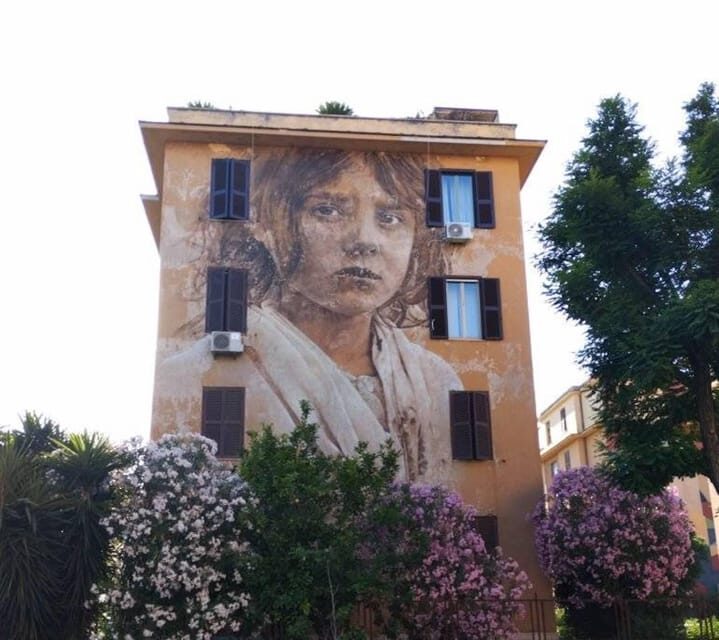
Garbatella is the kind of Rome you can’t fake. The neighborhood is known for its unique urban design, created by architects in the early 20th century. Even before you notice the murals, you’ll feel the area’s character through its layout and public spaces.
During the Garbatella portion, you’ll tour murals and monuments while Lisa explains what’s behind the art. Expect to hear about the neighborhood’s background and why certain pieces show up where they do. That “why” part is what turns street art from decoration into a story you can read.
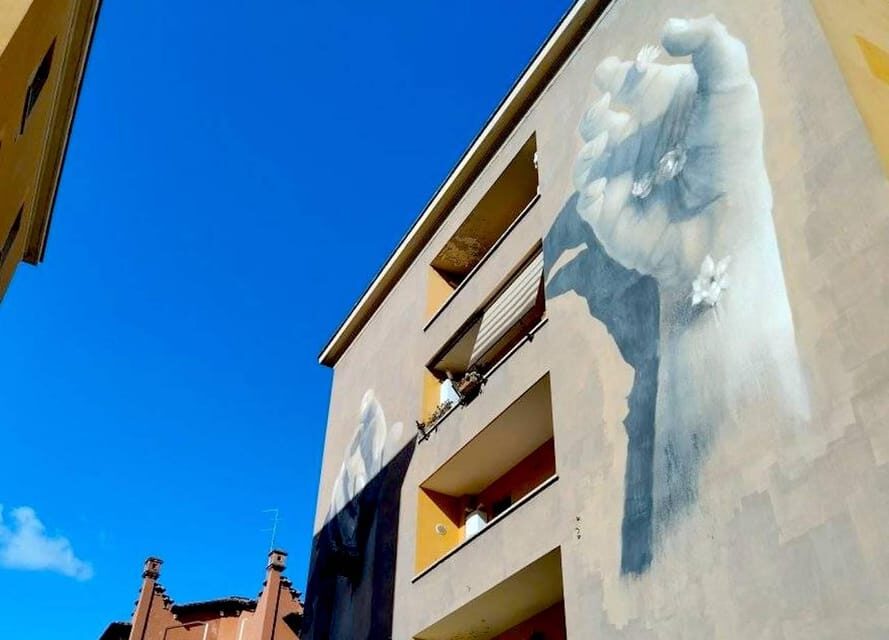
A smart tip for this section: look up, then step back. Many murals are designed to be seen as part of the building and street view—not as isolated artwork. If you only look from one angle, you’ll miss the way the paint interacts with the surroundings.
You’ll likely also appreciate how the tour keeps moving while still giving you time to look. This is the difference between a photo walk and a guided one. Here, you’re learning enough to see more than the surface.
And yes, there’s a gelato option if you want a break. The tour notes the chance to stop for gelato at one of the city’s best parlors, but it’s optional, not required. If you’re sensitive to sugar or prefer to keep walking, you can simply skip it.
Tor Marancia: an open-air contemporary art museum
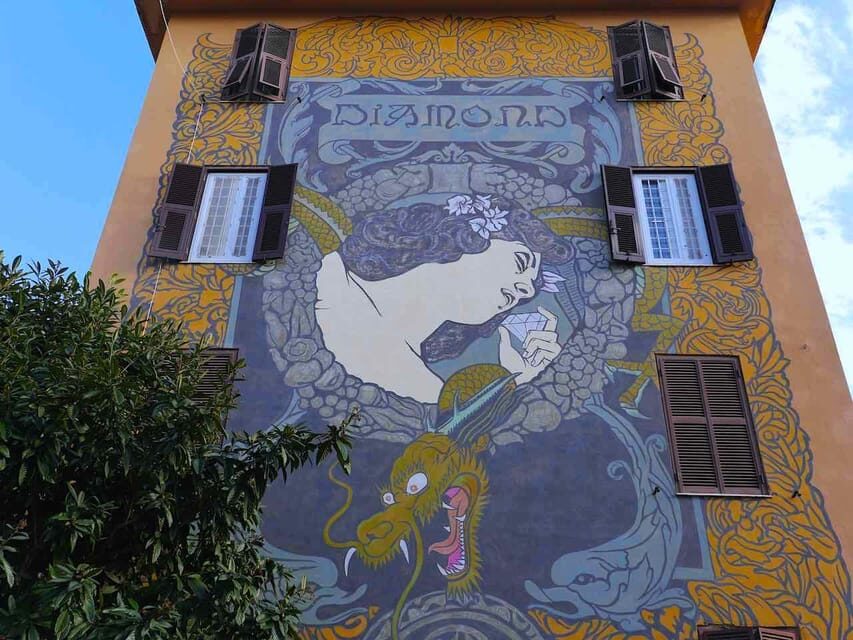
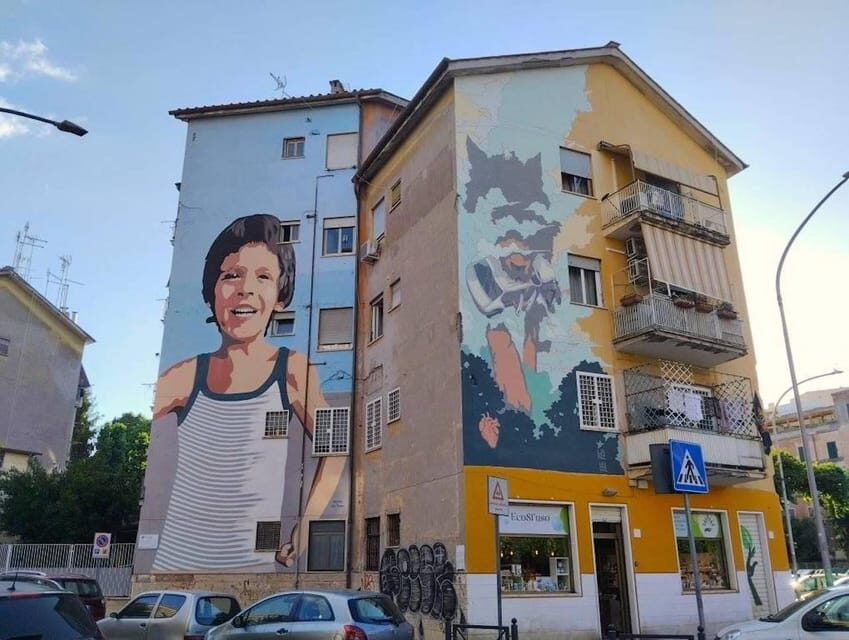
After Garbatella, the walk continues to Tor Marancia, where street art feels more like a living gallery than a random outdoor display. The tour describes this area as an open-air museum of contemporary art—something you’ll feel immediately once you start spotting pieces that look like they belong in a museum setting.
This part works especially well if you like contemporary art, or if you’ve ever wondered how modern culture shows up in a place like Rome. Tor Marancia answers that question by using public walls as exhibition space. Instead of art waiting behind glass, it’s out in the neighborhood where people see it in daily life.
Lisa’s job here is crucial: she connects what you see to neighborhood history and local culture, so you don’t leave with a collection of murals but no meaning. You’re walking out with a sense of how contemporary street art fits into Rome’s broader story.
If you want a personal-style souvenir from the tour, this is where it happens. Take time to find one mural you genuinely like, then spend a minute imagining how the artist designed it for this exact spot. That mental exercise makes the whole neighborhood feel less random.
You can also read our reviews of more tours and experiences in Rome


The “back through more street art” section that ties it together
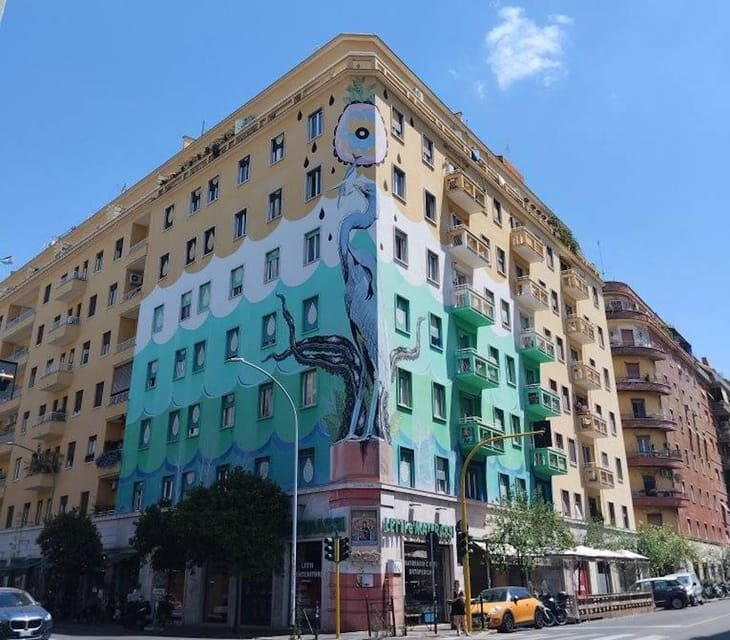
The last stretch isn’t just walking back. It’s where the tour reinforces patterns—how murals repeat themes, how art changes in different pockets of the city, and how the neighborhood stories keep connecting street to street.
This is also a good moment to slow down if you’ve been rushing mentally. By now, your eyes have adjusted, and you’ll start noticing details you might have missed earlier: signatures, visual references, and the way artists use color and scale.
If you’re someone who likes structure, you’ll probably enjoy this part most. It acts like a review in motion. Even if you don’t remember every fact, you’ll remember how the neighborhoods felt, and that’s the kind of memory that lasts longer than a landmark photo.
Lisa’s storytelling: history, authors, and context you can actually use
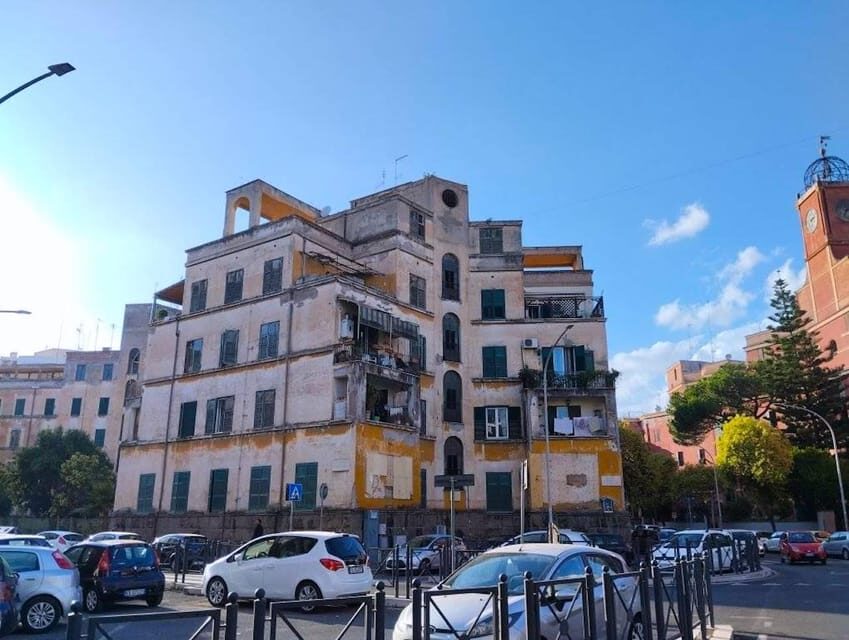
The guide makes or breaks a street art tour. In this one, Lisa is the reason it feels like more than sightseeing. She’s passionate about street art and about the hidden gems that neighborhoods less visited by tourists offer, and that focus shows in her explanations.
The key detail for me is that the tour doesn’t treat murals like trivia. You learn about history and the main sights of the areas, plus the authors behind the work. When you know who made something and why it appeared there, you look differently the next time you pass a mural.
From the way the tour is described, Lisa also uses the neighborhoods themselves as part of the lesson. You’re not just standing next to walls while time passes. You’re walking through context—urban design, local culture, and the way public spaces shape what artists do.
And the good practical part: Lisa gives information in English, so you’re not stuck translating in your head while you’re trying to enjoy the walk.
Practical stuff that keeps the tour easy: shoes, water, and summer hats
This tour is simple in concept: walk, look, listen. Still, the small practical notes matter.
- Comfortable shoes are mandatory. Don’t bring your “I’ll suffer for photos” sneakers. Bring shoes you can walk in for 4 km without thinking about it.
- Bring a water bottle. The tour mentions free refills during the walk, which helps a lot on warm days.
- A hat is recommended in summer. Rome can cook, and you’ll be outside the whole time.
If you tend to get dry, I’d also add one extra item: a light layer. Even in summer, you can run into shade then direct sun, and your comfort changes fast.
Price and value: $41 for a 2.5-hour local art education
At $41 per person, this isn’t a “cheap and cheerful” activity, but it also doesn’t pretend street art is a luxury product. You’re paying for something that’s hard to replicate alone: a guided route that links two specific neighborhoods to murals and local context.
Here’s what you’re really getting for the money:
- A guided loop with structure (so you don’t waste time searching for the right spots)
- Explanations about the history of the areas and the authors of the murals
- Time with a local guide who can help you notice what you’d otherwise miss
If your day is already packed with classic sights, this tour can be a high-value contrast because it shifts your Roman experience from big-ticket monuments to everyday walls. You come away with a new way of seeing the city, not just more photos.
Who should book this, and who might skip it
This tour is a strong fit if you:
- Want Rome off the tourist map, without turning it into a hassle
- Love street art, but also want the story behind it
- Like neighborhood walks where the guide connects art to place
- Prefer a lively, active experience you can finish in one morning or early afternoon
It might be less ideal if you:
- Hate walking or don’t want to cover about 4 km
- Only want the classic sights and aren’t interested in contemporary public art
- Plan to spend the day in a strictly accessible, minimal-walking style (this tour is firmly built around walking)
Should you book the Rome street art tour with Lisa?
I’d book it if you want a Rome experience that feels real and local. Starting in Garbatella and moving into Tor Marancia gives you contrast—planned neighborhood character plus contemporary street art—while Lisa’s explanations keep the murals meaningful.
You’ll get better value if you treat it like a guided walk, not a quick photo stop. Wear good shoes, bring water, and take moments to look up and step back. If you do those few things, the tour turns street art from background noise into a readable part of the city.
FAQ
FAQ
Where is the meeting point for the tour?
You meet at the exit of Garbatella Metro Station, at a little colored amphitheater right after you exit.
Which metro line should I use?
The tour recommends using Metro B (the blue line) and getting off at Garbatella.
How long is the walk and how far is it?
The tour lasts about 2.5 hours and includes a ring walk of about 4 km.
What kind of art and neighborhoods will I see?
You’ll see street art murals in Garbatella and Tor Marancia, with the tour describing Tor Marancia as an open-air museum of contemporary art.
Is the tour in English?
Yes, the guide gives the tour in English.
Is gelato included?
Gelato is not included. There’s a chance to stop for gelato during the walk if you want.