REVIEW · DRINKING TOURS
Art & Craft: Beer Tour with Street Art in Rome
Book on GetYourGuide →Operated by walkingourmet · Bookable on GetYourGuide
Rome looks different when you drink art. You’ll start in Pigneto and spend 2.5 hours following wall art that changes by neighborhood and by era, from Via del Pigneto pieces like Atoche and Solo to other standout names such as Alice Pasquini, Maupal, Andrea Cardia, and Diavu. What I like most is the story-led walk with a guide who talks history and context (I’ve seen Giulio described as very prepared on the local scene), and the second thing: you get real time for craft beer breaks, not just a quick sip.
One thing to keep in mind: street art intensity can vary. In Pigneto, you may find fewer pieces than you hoped for, and one guest noted the tour ran shorter and their beer tasting didn’t match what was advertised. So go in with flexible expectations, and you’ll enjoy it more.
In This Review
- Key highlights you should know
- Following Rome street art through Pigneto’s streets
- Via del Pigneto: Atoche and Solo as your opening act
- Beer tasting in the neighborhood, not at a tourist trap
- The 2501 sign and the art timeline feeling
- Alice Pasquini and Maupal: science meets imagination
- Tor Pignattara: photo stops, scenic walking, and new names
- Andrea Cardia and the wall-to-wall idea of evolution
- Diavu and five iconic symbols
- Aperitivo at an Atoche masterpiece building
- Price and what you get for $100
- Who this tour suits (and who should think twice)
- A practical way to get the most out of it
- Should you book this Art & Craft Beer Tour in Rome?
- FAQ
- Where is the meeting point for this tour?
- How long is the tour, and what is the price?
- What is included in the experience?
- What languages are the live guides offered in?
- Is the tour wheelchair accessible?
- What is the cancellation policy?
Key highlights you should know
- Atoche and Solo on Via del Pigneto: early wall stops that set the tone for the whole route
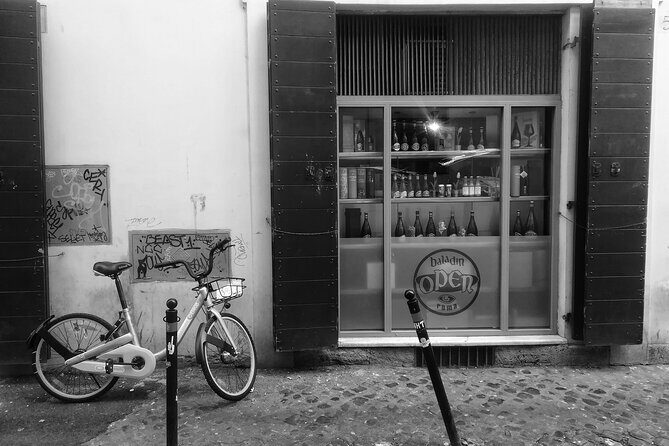
- Craft beer in the neighborhood: you choose your favorites at a local shop during planned breaks
- Science meets street art: Alice Pasquini and Maupal bring imagination and curiosity to the walls
- Torpignattara photo stops and views: you’re walking with a bit of scenery, not only close-up walls
- Diavu and their five-symbol sequence: a clean visual way to understand art evolving over time
Following Rome street art through Pigneto’s streets
Rome has a habit of turning every block into a gallery. The trick is finding the right areas and seeing the art the right way: up close, with a guide who can point out what changed and what stayed the same.
This tour takes you to Pigneto first, with a meet-up at the Pigneto metro station on Linea C. You meet right in front of the metro staircase, at the exit facing the railway. That’s practical: you’re not hunting for a storefront or a specific mural on a busy street. Once everyone groups up, you’ll start with a short walk and photo stops that ease you into the neighborhood vibe.
Pigneto is a good pick if you like your Rome less like a postcard and more like daily life. You’ll see the area through the eyes of the people who live there. And because the route is private, it’s easier to ask questions and slow down when something catches your eye.
You can also read our reviews of more food & drink experiences in Rome
Via del Pigneto: Atoche and Solo as your opening act
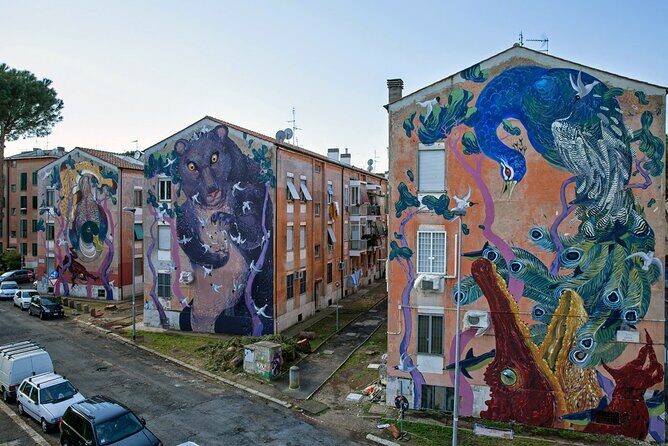
The first real art moment is along Via del Pigneto, where you’ll stop to admire works by Atoche and Solo. This is more than a name-drop kind of start. The value here is how the guide frames what you’re looking at: styles can shift, themes can repeat, and you start to notice details you might otherwise miss.
You’ll get a photo stop right away, then later you’ll be back for a break that includes beer. In other words, you’re not rushing past the walls. You’re also not stuck staring at them without time to reset.
If you like street art for the craft side, these early pieces are a strong way to start. You learn to look for things like composition, how shapes repeat, and how the artist’s visual language evolves from one wall to another.
Beer tasting in the neighborhood, not at a tourist trap
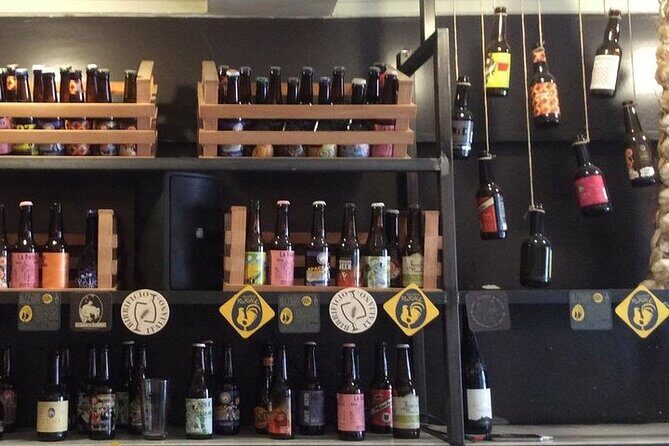
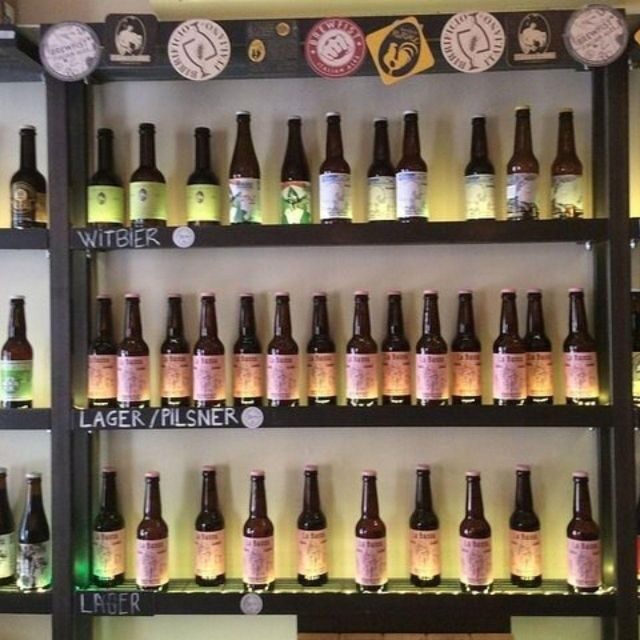
The tour pairs walls with a local beer shop stop. After your initial art time on the Pigneto stretch, you get a break (around 30 minutes) that includes beer tasting and time to choose what you want.
This is one of the smartest parts of the whole experience. Street art can be noisy in its own way. Beer turns the volume down. You sit, compare flavors, and think about how art and drinks both have personality. You’re tasting different craft options while you’re already learning that street art isn’t one uniform style. It’s many approaches living side by side.
At the end of the tour, you’ll also get a traditional Aperitivo experience at an Atoche masterpiece building. So the beer theme isn’t just a token add-on. You actually get multiple moments to drink and reflect on what you saw.
One practical tip: if you’re prone to getting tipsy faster than you expect, pace yourself. The tour runs about 2.5 hours, so the walking plus tastings can sneak up on you.
The 2501 sign and the art timeline feeling
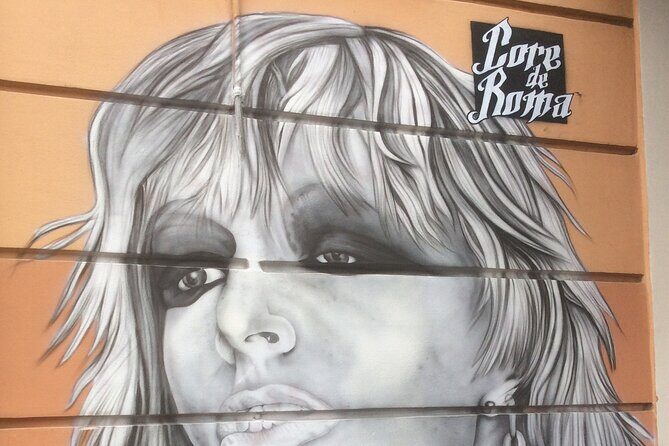
Between the main artists and the later neighborhood stops, you’ll also notice a distinctive 2501 sign. It’s the kind of detail a good guide will make you look at twice, because these small recurring identifiers often connect to larger stories: changes in the street art scene, shifts in style, and how artists and symbols travel through a city.
This is where the tour does something subtle but useful. It builds a sense of progression. You’re not just collecting murals like trading cards. You’re learning to see the city as a living timeline.
Alice Pasquini and Maupal: science meets imagination
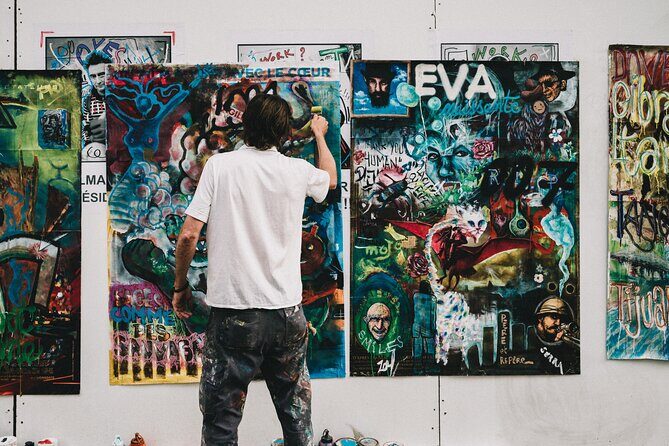
Next up, you’ll head toward works by Alice Pasquini and Maupal. The tour description highlights a theme worth paying attention to: science meeting imagination. That doesn’t mean you need a science degree to enjoy it. It just means the art tends to play with ideas, not only with style.
This is a great stop if you like the thought behind the visuals. You’ll likely find yourself looking for how the shapes and details connect to that idea of experimentation or discovery. Even if some murals are more straightforward, this kind of work often rewards slower looking.
Photo stops here matter. Don’t rush your pictures. Street art like this can look different depending on angle and distance, and you’ll see more when you stand back, then step closer.
You can also read our reviews of more drinking tours in Rome




Tor Pignattara: photo stops, scenic walking, and new names
After Pigneto, you move into the Tor Pignattara district. The itinerary builds in photo stops plus a walk with scenic views on the way, so it’s not only wall-to-wall. This matters for two reasons:
- You get a breather between art clusters.
- You get a better sense of place, so the murals don’t feel like random decorations. They feel anchored in real streets.
In Tor Pignattara, you’ll focus on different artists, including Andrea Cardia (listed as A.Cardia) and Diavu. This section helps you understand the core value of the tour: art changes neighborhood to neighborhood, even within the same city.
Andrea Cardia and the wall-to-wall idea of evolution
Andrea Cardia’s work is part of what the tour uses to show the “art progression” idea. It’s not presented as one artist telling one story. It’s presented as multiple voices showing how creativity keeps shifting.
When you’re on these stops, I recommend you look for patterns in technique. Even if you can’t name every detail, you can often tell whether an artist’s style leans toward crisp edges, heavy texture, layered visuals, or bold symbolism. That kind of comparison is the easiest way to make the experience feel meaningful instead of just scenic.
And if you’re the type who usually only snaps photos without noticing much, this stop is where you start noticing.
Diavu and five iconic symbols
Diavu adds another layer with a set of five iconic symbols. The wording around this matters because it suggests you’re not only looking at one mural. You’re following a sequence, which can make the art feel like a story told in symbols.
This is also a good place to pause and think: what do you recognize, what do you understand from first glance, and what needs explanation? A guide helps here, because street art often works like an inside conversation between artists, locals, and the city itself.
Don’t worry if it doesn’t all click on the first symbol. The beauty of the tour’s format is that you’re doing several art blocks plus drink breaks. Your brain has time to connect dots.
Aperitivo at an Atoche masterpiece building
As the tour nears its end, you visit the Atoche masterpiece building, where a traditional Aperitivo awaits. This is your last “tie the theme together” moment: you’ve been comparing how styles change across walls, and now you finish with drinks in an art-centered setting.
Aperitivo is a key Italian ritual, and it makes this tour feel less like a guided hike and more like a real local night out. From what I’ve seen in guest feedback, people especially enjoy the feeling of refueling without rushing out the door right after.
If you want the most enjoyment from this stop, take a few minutes before you drink. Look around the building and let the art sink in. Then sip and connect the mood of the murals to the mood of the neighborhood aperitivo.
Price and what you get for $100
At $100 per person for a 2.5-hour private experience, you’re paying for three things: a guide, a route built around specific street art names, and the food-and-drink component.
Here’s why it can feel like good value if you’re the right fit:
- You get 100% private guiding, which makes it easier to get questions answered and to adjust pace.
- You get snack and beer tasting, plus the Aperitivo finish.
- The art stops are specific: Atoche, Solo, Alice Pasquini, Maupal, Andrea Cardia, Diavu, plus the 2501 sign.
It may feel less like a deal if you were expecting an all-day, wall-to-wall museum feeling, or if you only want the most famous murals in Rome. One guest also reported a shorter-than-advertised run and missing the beer tasting as expected, so it’s worth choosing this tour with flexible expectations and a willingness to enjoy the neighborhood even if the art volume is lighter than other areas.
Who this tour suits (and who should think twice)
This is a strong match if you:
- like street art and want context, not just photos
- want to combine art with a real neighborhood beer break
- prefer a less crowded area of Rome, with a more local feel
You might think twice if:
- you want maximum number of major works in a short time
- you’re very picky about the exact timing of beer service and want zero surprises
Either way, the private nature helps. You’re more likely to get a smooth, tailored flow than on a large group walk.
A practical way to get the most out of it
You don’t need special gear, but a few choices make the whole 2.5 hours better.
Wear comfortable shoes. Even with shorter walking segments, you’ll be on your feet through photo stops and district changes. Bring your camera ready, but also plan to look without the lens for a few minutes each stop. Street art often rewards slow attention, especially when you’re learning names and visual themes.
And when the beer tasting starts, treat it like part of the lesson. Compare what you choose with what you saw. It’s not just drinking. It’s pairing your senses with the idea of evolution—how styles shift on walls and how tastes shift in a glass.
Should you book this Art & Craft Beer Tour in Rome?
If you want a fun Rome night that mixes street art with real beer and aperitivo, I’d book it—especially if you’re curious about artists beyond the typical headline murals. The best reason to go is the combination: art stops that have meaning and drink breaks that make it feel human, not rushed.
But if your top priority is collecting the most murals possible, or you’re expecting a huge variety of famous works in one neighborhood, you may be happier choosing a different street-art route. This one is about guided looking, beer pacing, and art progression across specific districts.
In short: book it if you like neighborhoods, context, and a beer-and-art flow. Skip it if you only want the biggest names packed into every minute.
FAQ
Where is the meeting point for this tour?
You meet at the Pigneto metro station on Linea C, right in front of the metro staircase, at the exit facing the railway.
How long is the tour, and what is the price?
The tour lasts 2.5 hours and costs $100 per person.
What is included in the experience?
It includes a 100% private guide, a snack, and beer tasting.
What languages are the live guides offered in?
The guide is available in English, French, German, Italian, and Spanish.
Is the tour wheelchair accessible?
Yes, it is wheelchair accessible.
What is the cancellation policy?
Free cancellation is available up to 24 hours in advance for a full refund.