REVIEW · POMPEII
Pompeii with an archaeologist, small group!!!
Book on Viator →Operated by Naplesprit · Bookable on Viator
Pompeii makes you stop and stare. This small-group, archaeologist-led walk is a fast path into what a Roman city felt like, from street life to public buildings, all wrapped in the calm of an afternoon schedule. I really like the 12-person maximum (you get real attention) and the fact that the tour is led by an archaeologist who can connect the ruins to daily life. One watch-out: even in the late day, Pompeii is still outdoors and involves walking on uneven ground.
If you want the highlights without spending half a day lost, this format fits. The itinerary aims to help you learn the big picture—then zoom in on the famous sights like houses, shops, thermal baths, the theater, the lupanary, and the area linked with the moving molds—before the light turns magical. Still, with only about two hours, you’ll want to treat it as your smart starter, not your only visit.
In This Review
- Pompeii with an archaeologist: quick hits before you go
- Pompeii in two hours: what the small-group format really buys you
- The archaeologist guide: how you turn ruins into Roman life
- Meeting at Ristorante Suisse and timing for calmer walking
- Houses, street shops, and the Roman city plan you’ll remember
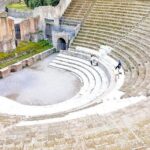
- Thermal baths and the theater: public life beyond the postcard
- Lupanary and the reality check of Pompeii’s social world
- The moving molds: what this stop adds to the story
- Photography in the late day: how to get shots without losing your place
- Price and value: is $66.09 for 2 hours a good deal?
- Who should book this Pompeii afternoon tour?
- Final call: should you book this Pompeii with an archaeologist tour?
- FAQ
- How long is the Pompeii with an archaeologist small-group tour?
- Is the tour in English?
- What is included in the price?
- Where does the tour start and end?
- What should I know about tickets?
- What happens if the weather is bad or plans change?
Pompeii with an archaeologist: quick hits before you go
- Small group (max 12): easier questions, less waiting, and you keep moving.
- Archaeologist-led: you get context for what you’re seeing, not just names.
- Afternoon timing: designed to avoid the worst heat and the worst crowd crush.
- Entrance ticket included: you show up and get in with less hassle.
- Photographer-friendly: late-day light plus a guided route helps you plan quickly.
- Daily life focus: houses, shops, baths, theater, and the lupanary aren’t separated from real routines.
Pompeii in two hours: what the small-group format really buys you
Pompeii is huge on a map and surprisingly easy to feel overwhelmed in real life. This tour keeps it practical: about 2 hours with a tight route aimed at the most meaningful buildings and street-level clues. That matters because Pompeii rewards attention—tiny details like wall decoration, shop layouts, and how public spaces worked can make the whole place click.
A small group also changes the pace. When the tour is limited to 12 travelers, you’re less likely to get stuck behind a big wave. You can hear the guide, ask a quick question, and move when the group is ready. It’s the kind of setup that helps you leave with a mental map, not just photos.
You can also read our reviews of more tours and experiences in Pompeii.



The archaeologist guide: how you turn ruins into Roman life
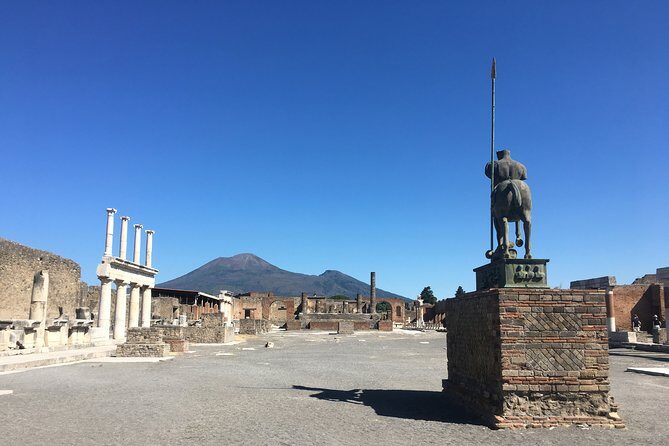
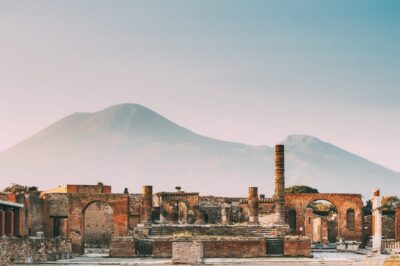
An archaeologist doesn’t just point at stone. They help you read it. Here, the tour is built around the idea that Pompeii is a living example of Roman life that was buried after the eruption of Mount Vesuvius in 79 AD. When you walk with someone trained to interpret evidence, the city stops being a list of famous landmarks and becomes a place people actually used day after day.
I like that the tour emphasizes daily habits. You’re not only chasing the headline buildings; you’re also being nudged toward how Romans lived—where they ate, shopped, bathed, gathered, and socialized. That approach makes Pompeii feel less like a museum and more like a snapshot of a real community that got interrupted.
In the guide feedback you’ll see the name Luca mentioned, and that lines up with what you want in this setting: someone who’s both competent and friendly, so the information lands without turning the walk into a lecture.
Meeting at Ristorante Suisse and timing for calmer walking
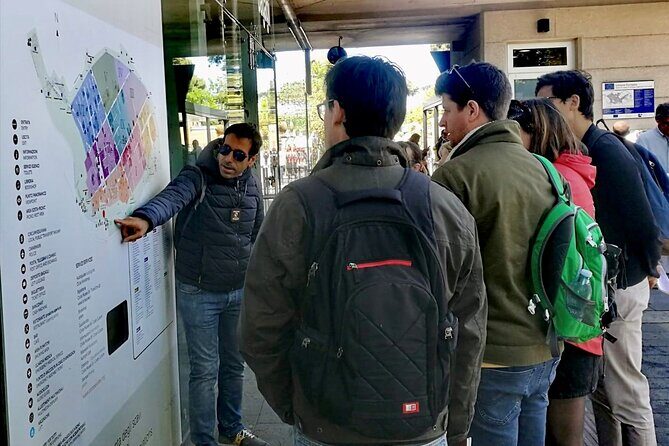
You start at Ristorante Suisse, Piazza Esedra 10/13, 80045 Pompei (NA), Italy. The good news is the tour ends back at the same meeting point, so you don’t have to solve logistics after the walkthrough. It’s also described as near public transportation, which is useful if you’re mixing this with other stops in the area.
The schedule is designed for comfort. This is an afternoon tour planned to avoid the worst heat and the worst crowds. That’s not just a “nice to have.” In Pompeii, heat and congestion both wreck your attention span. When you’re not sweating through every stop or fighting your way forward, you can actually look at details.
Houses, street shops, and the Roman city plan you’ll remember
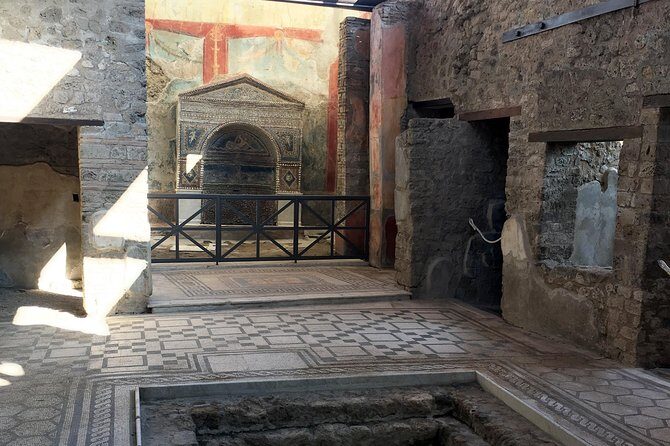
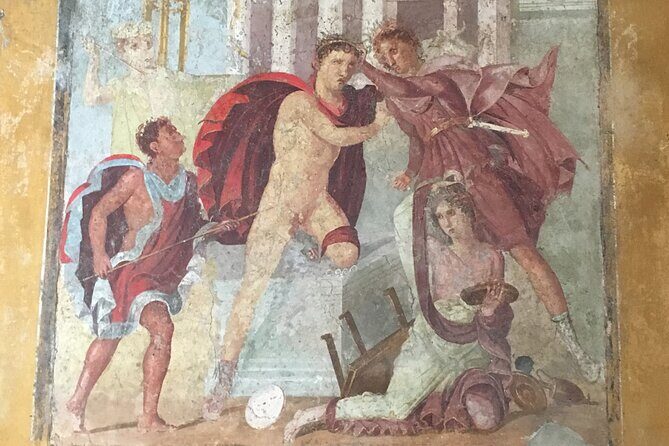
One of the most rewarding parts of Pompeii is how the “famous buildings” are mixed with everyday spaces. During your visit, you’ll see the kind of typical house with decorations that helps you picture how wealth and daily routine could show up in art and architecture. You’ll also visit shops, which are key for understanding the city as a place of work and exchange, not just ceremonies.
You’ll likely find that this kind of guided sequence helps your brain build a simple map: private space, public-facing business space, then shared civic spaces. That structure is what makes the city easier to revisit later on your own. Even if you don’t cover everything, you’ll understand what matters and where to look next.
Possible drawback: if you already know Pompeii well, two hours may feel like you’re skimming. But if you want a clear route and a strong foundation, the condensed plan is a feature, not a flaw.
Thermal baths and the theater: public life beyond the postcard
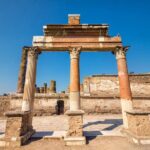
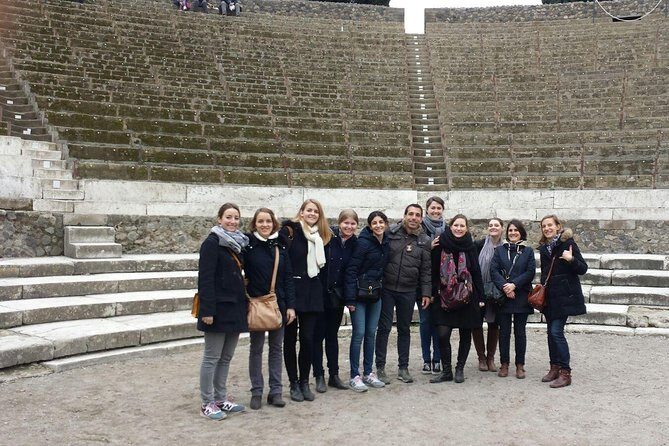
Pompeii isn’t only about houses and walls. A big part of Roman identity was public life, and this tour includes stops that show that in action—especially the thermal baths and the theater.
Thermal baths are where you get a sense of routine and community. Even without going deep into every technical detail, it’s easy to see how bathing and social time were woven together. The tour also helps you connect the building layout to how people might have moved through spaces.
The theater adds a different angle. Here you’re seeing the kind of entertainment and gathering that brought people together in a shared rhythm. This pairing—baths for daily life, theater for public events—makes the city feel balanced, not just dramatic.


Lupanary and the reality check of Pompeii’s social world
The lupanary is one of the most talked-about sites in Pompeii, and the tour includes it for a reason. It’s not there for shock value alone; it’s part of understanding the full range of social structures in the city.
If you’re visiting with kids, you’ll want to decide ahead of time how much you want that topic handled. The overall tour is described as recommended for families, so it’s offered in a way that can work for mixed ages, but you’ll still want your comfort level to be aligned with the subject matter.
If you’re an adult who appreciates honest history, this stop can be surprisingly grounding. Pompeii doesn’t let you pretend ancient life was all noble speeches and marble temples. It was messy and human, and the lupanary is one of the clearer reminders.
The moving molds: what this stop adds to the story
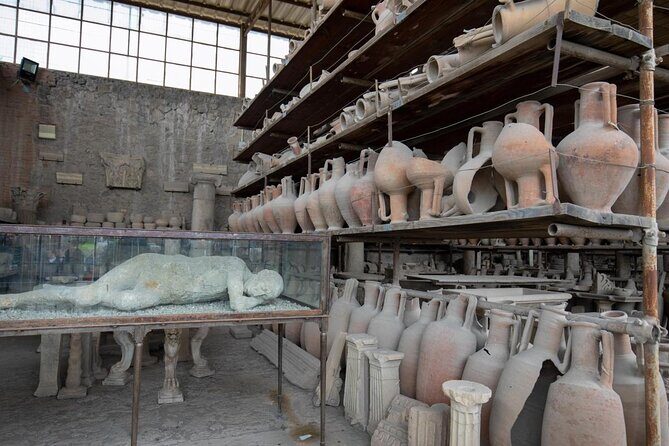
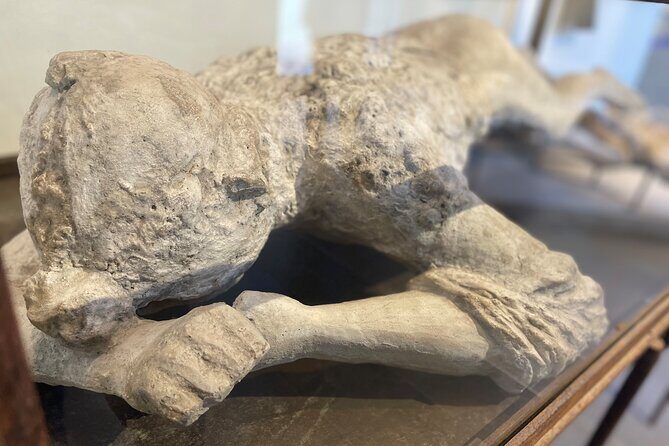
The tour also mentions the area connected with moving molds. Even when the exact exhibit details aren’t spelled out, the point of including this type of stop is usually the same: it gives you a way to understand the tragedy of 79 AD and how evidence helps reconstruct what happened.
This is the part of the visit that tends to slow people down, because it shifts you from “what did the city look like?” to “what happened here?” That change is important. Pompeii can feel like a time capsule, but the eruption is the event that created the time capsule. Seeing the materials or displays tied to the molds helps you connect the science of interpretation with the human impact.
Tip for your visit: keep your pace steady here. It’s easy to rush past emotionally heavy spots, and that’s when you miss the meaning the guide is trying to highlight.
Photography in the late day: how to get shots without losing your place
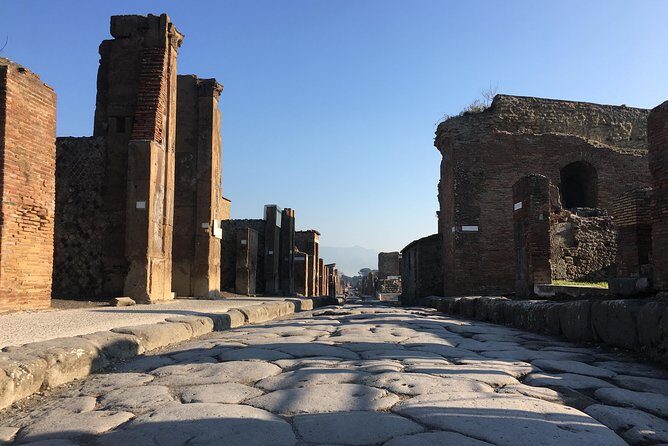
This experience is specifically framed as appealing to photography enthusiasts, and the afternoon timing helps. Late-day light can be kinder on the ruins and makes stone surfaces look less flat. It also helps you photograph architecture and textures without the harsh overhead glare.
A practical move: listen for the guide’s “why this spot” explanation, then take your photos. If you shoot first, you’ll often end up taking random images instead of pictures that match the story you’re learning. This tour’s guided pacing makes it easier to frame your photos in a way that later helps you remember where you were and what you learned there.
Because Pompeii streets can be tight, don’t assume you can stop anywhere. Follow the group so you’re not blocking others or getting separated.
Price and value: is $66.09 for 2 hours a good deal?
At $66.09 per person for about 2 hours, you’re paying for three main things: the small-group experience (max 12), a tour with an archaeologist, and an express entrance ticket. What makes this feel like value is that the ticket part is included—so you’re not paying separately for entry while also trying to coordinate timing on-site.
You’re also getting a route designed to reduce two major stressors: heat and crowds. Those factors don’t show up on the receipt, but they absolutely affect your quality of experience. If you’ve ever tried to DIY Pompeii and ended up walking too fast or missing key sights, this kind of guided structure is often worth it.
One more value point: the tour doesn’t promise to cover everything. Instead, it chooses the most important and famous buildings plus daily-life anchors. For most people, that’s the right trade-off—learn the essentials well, then explore further if you want.
Who should book this Pompeii afternoon tour?
This tour makes the most sense if you want:
- A clear overview of Pompeii with a human guide who can explain what you’re seeing
- A manageable time commitment (about 2 hours)
- A smaller group that keeps you from feeling like you’re in a conveyor belt
- A schedule designed to help you avoid the worst heat and crowd pressure
It’s also a solid match for families who want an organized visit and for people who love archaeology but don’t want to spend hours planning. If you’re a photography lover, the late-day timing plus guided stops is a good combination.
On the other hand, if you’re the kind of traveler who wants to roam freely for half a day, you may prefer more time on your own. Think of this tour as your best “start strong” option.
Final call: should you book this Pompeii with an archaeologist tour?
If you want Pompeii to feel understandable fast—houses, shops, baths, theater, the lupanary, and the molds area—this is an efficient, well-structured choice. The small group and archaeologist-led focus make it easier to connect details to daily Roman life. And the afternoon timing is the kind of thoughtful planning that keeps your visit enjoyable instead of punishing.
If you’re sensitive to outdoor walking and uneven paths, wear good shoes and expect you’ll be on your feet. But for most visitors, the balance of content, pace, and included ticket makes this a strong buy.
FAQ
How long is the Pompeii with an archaeologist small-group tour?
The tour lasts about 2 hours.
Is the tour in English?
Yes, it is offered in English.
What is included in the price?
The experience includes a small group (up to 12), a tour with an archaeologist, and a Pompeii Express Entrance Ticket. Lunch is not included.
Where does the tour start and end?
It starts at Ristorante Suisse, Piazza Esedra 10/13, 80045 Pompei (NA), Italy and ends back at the same meeting point.
What should I know about tickets?
You receive a mobile ticket.
What happens if the weather is bad or plans change?
The experience requires good weather. If it’s canceled due to poor weather, you’ll be offered a different date or a full refund. You can cancel for a full refund up to 24 hours before the experience starts.