REVIEW · CITY TOURS
Rome: Small Group City Highlights Tour in Electric Cart
Book on GetYourGuide →Operated by Etuk Tours Rome · Bookable on GetYourGuide
Rome’s best shortcuts aren’t on foot.
This electric cart highlights tour is built for getting your bearings quickly, while still hitting the big Rome classics like the Colosseum area, the Pantheon, Trevi Fountain, and Navona Square. You also get some hill driving for a wider sense of the city, plus a small-group feel that keeps the tour moving without chaos.
What I like most is the live guide storytelling—you get place-by-place context rather than just a list of monuments. I also really appreciate the built-in pace break with gelato and a short walk, so you’re not stuck bouncing past every stop with no time to absorb anything.
One thing to consider: the cart is great for coverage, but it’s not a smooth ride and it’s not suitable for people with mobility impairments. If you rely on step-free access or need a lot of assistance, you’ll want to look for a different format.
In This Review
- Key takeaways before you book
- Where the tour starts by the Colosseum (and why that’s smart)
- A 7-seat electric golf cart: fast sightseeing with real-world limits
- Colosseum area to Pantheon: how the route builds your mental map
- Trevi Fountain, Navona Square, and Campo de’ Fiori: classic Rome with timing in mind
- Piazza del Popolo and hill driving: getting beyond the flat center
- The short walk and gelato time: when you slow down on purpose
- Hidden gems and guide surprises: the value of a human route
- English, Spanish, Portuguese, or Dutch: a guide that keeps up
- Price and value: is $135.94 worth 3 hours?
- Who this tour fits best (and who should skip it)
- FAQ
- FAQ
- How long is the Rome city highlights tour in an electric cart?
- How big is the group?
- Where do we meet for the tour?
- Where does the tour end?
- Which main landmarks are included?
- Do we get time to walk and eat gelato?
- What languages are available for the live guide?
- Is this tour suitable for people with mobility impairments?
- Are large bags or luggage allowed?
- What’s the cancellation policy?
- Should you book this electric-cart highlights tour?
Key takeaways before you book
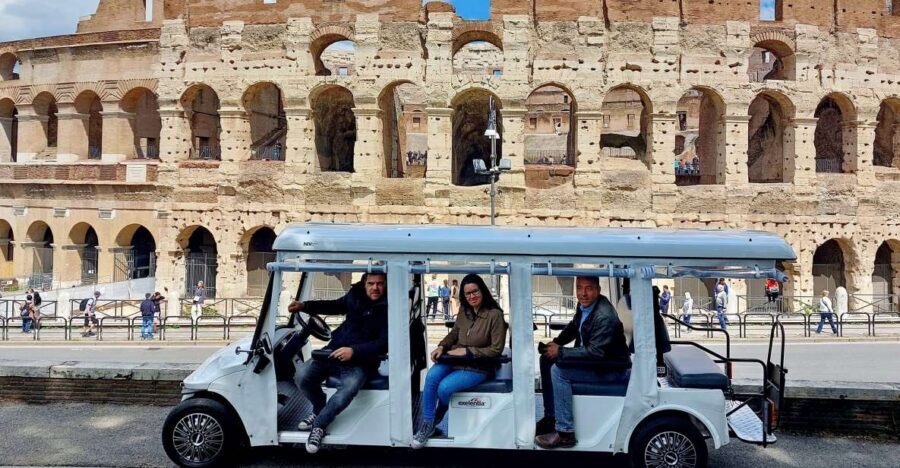
- 7-seat small group means easier answers to questions and less waiting around at each stop
- Electric cart transport helps you cover major sights in about 3 hours
- Short walk + ice cream/gelato time gives you a breather and a chance to slow down
- The route includes headline sites plus central areas like Pantheon, Trevi, Navona, and Campo de’ Fiori
- You’ll also get hill driving for better city impressions than a flat, center-only walk
- Expect bumpy terrain and chaotic streets at times; the driver’s skill matters
Where the tour starts by the Colosseum (and why that’s smart)
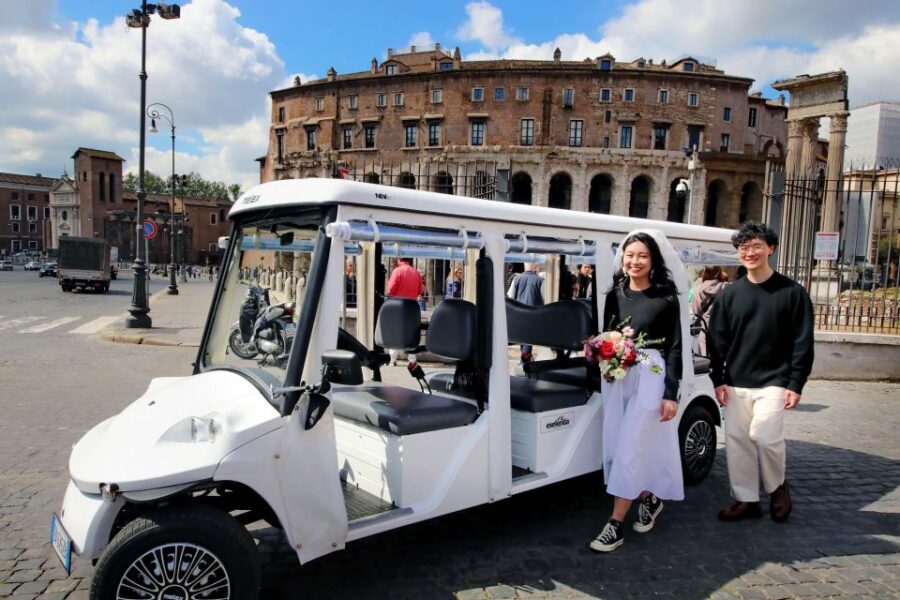
You meet at the Big Bus stop by Piazza del Colosseo, on the corner of Via di S. Giovanni in Laterano. This is a practical starting spot because it drops you right into the Rome most first-timers want: the Colosseum area, with plenty of transit options and easy orientation.
From the first minutes, the tour focuses on flow. You’re not trying to assemble a plan across multiple neighborhoods on your own. Instead, you’re in a guided loop that takes you through the center and beyond, so you spend less time figuring out where to go next.
If you’re someone who worries about being late or lost on a tight schedule, this start point helps. It’s also close enough to the classic sights that, even if you only have a few days, you’ll feel like you’ve touched the main Rome buttons early on.
You can also read our reviews of more city tours in Rome

A 7-seat electric golf cart: fast sightseeing with real-world limits
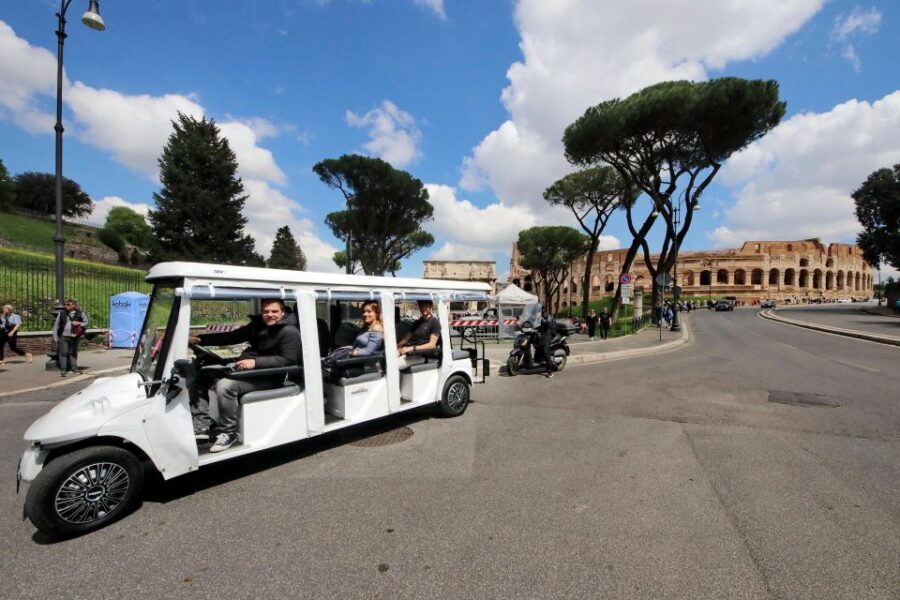
This is a 7-seater golf cart, and that size matters. It’s small enough that you don’t feel like you’re trapped in a moving bus group, but big enough to keep everyone comfortable for a short city loop.
You also get an important benefit: you’re not relying on Rome’s sidewalk gymnastics. The central streets can be narrow, busy, and uneven. Using the cart lets the tour do what it’s good at—covering distance and getting you close to major landmarks.
Still, keep expectations grounded. The cart ride can involve rougher terrain and traffic moments that feel chaotic from the passenger side. One of the standout details from the experience is that the driver matters a lot here. Guides like Eugenio have been praised for driving skill in tough conditions, which is exactly what you want to hear before you commit to this kind of transport.
Bottom line: it’s efficient and fun, but it’s not a spa shuttle. Wear something you can move in for the short walking time you’ll get.
Colosseum area to Pantheon: how the route builds your mental map
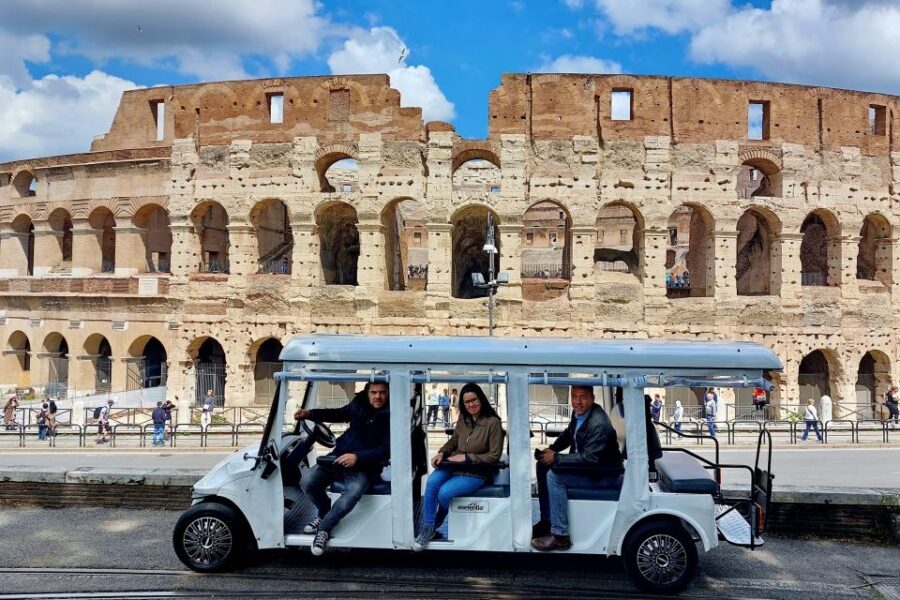
The tour’s big advantage is how it stitches Rome together in a logical order: start near the Colosseum, then move through central sights that help you understand how the city grew and how different eras sit next to each other.
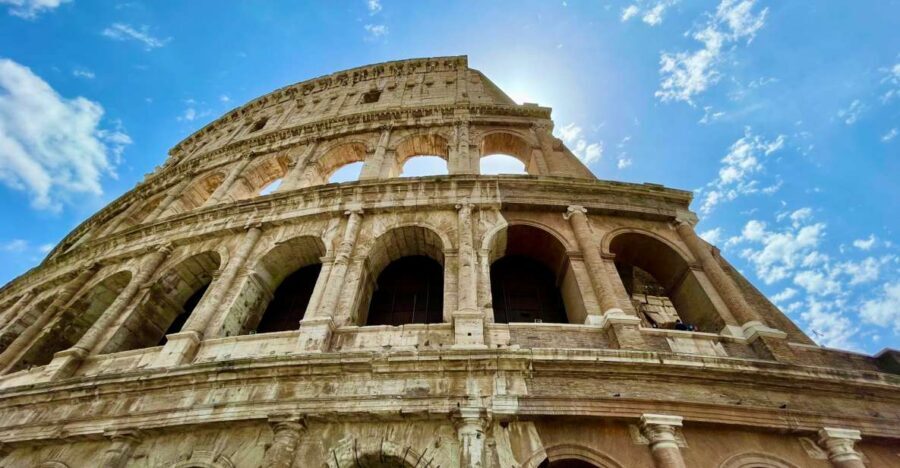
You’ll visit the Colosseum and the Pantheon, two of the most important landmarks in Rome. The payoff isn’t just seeing them. It’s the way a good guide helps you notice details you’d otherwise miss—why each place matters, what was going on around it, and how to connect them to what you’ll see later in your trip.
The Pantheon is a great example of why guided context helps. If you only look at it from one angle, it can feel like a pretty building. When the guide explains what you’re looking at, it turns into a reference point you’ll remember when you walk away.
Also, because you’re doing multiple headline stops in one outing, you’re effectively building a “mental map” early. That makes it easier to plan your remaining days, whether you return for a longer visit or decide you’ve already gotten what you need at a given site.
Trevi Fountain, Navona Square, and Campo de’ Fiori: classic Rome with timing in mind
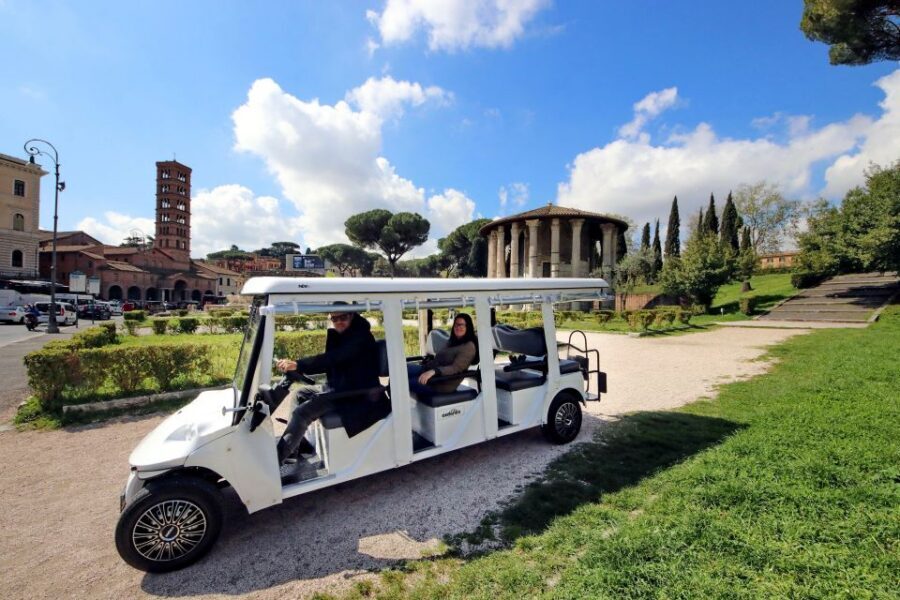
This tour includes stops at Trevi Fountain and Navona Square, plus Campo de’ Fiori. Those three areas are famous for a reason: they’re visually strong, easy to recognize, and packed with street life.
What you’ll love here is the blend of major-sight energy and the sense of Rome as a living city. Trevi and Navona are obvious photo magnets. Campo de’ Fiori feels more everyday—more local-market vibe and less “single monument” feel—so it helps balance your day.
Just remember what this tour style is. You’re not doing long, slow museum-style time at each location. You’re doing highlights, with enough orientation and narration that you know what you’re looking at, and then you move on.
That can be a drawback if you’re the type who wants extended time inside major sights. But if your goal is to hit the top monuments and keep momentum, this route fits that mission well.
Piazza del Popolo and hill driving: getting beyond the flat center
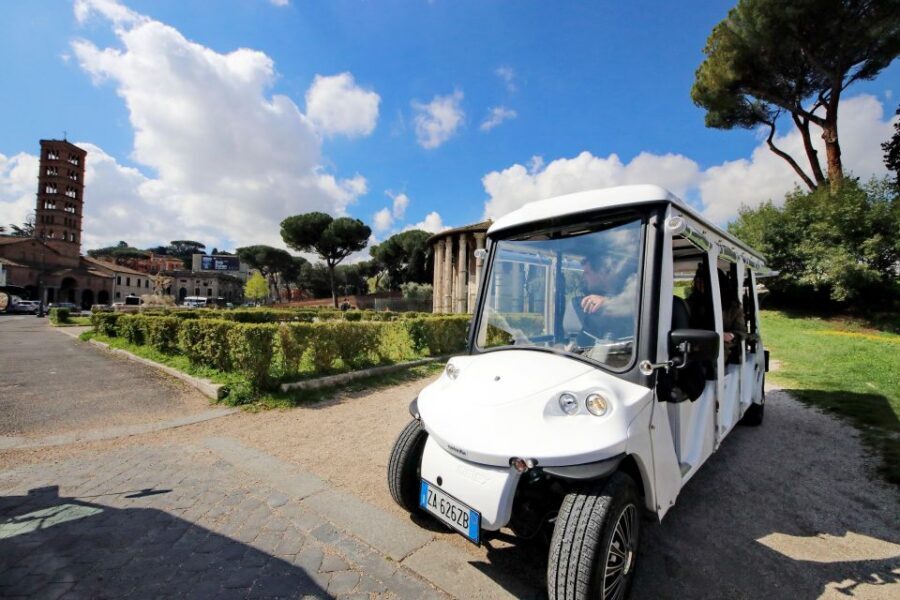
One part of the experience I’d call out is the hill driving. Rome isn’t just flat, straight sightseeing corridors. When you angle up and out, you start to understand the city’s layout in a way that a pure center walk won’t always deliver.
The tour itinerary also references Piazza del Popolo, which is a key central landmark and an area that naturally connects different directions of the city. Even if you don’t linger for hours, passing through puts you in the right frame of mind for exploring on your own afterward.
Hill driving tends to do two things for you:
- It gives you viewpoints that feel bigger than the monuments alone
- It breaks up the “same-street” rhythm so the day doesn’t feel like one long photo stop after another
If you like seeing how neighborhoods relate to each other, this is one of the strongest reasons to choose a cart tour rather than only walking a museum circuit.






The short walk and gelato time: when you slow down on purpose
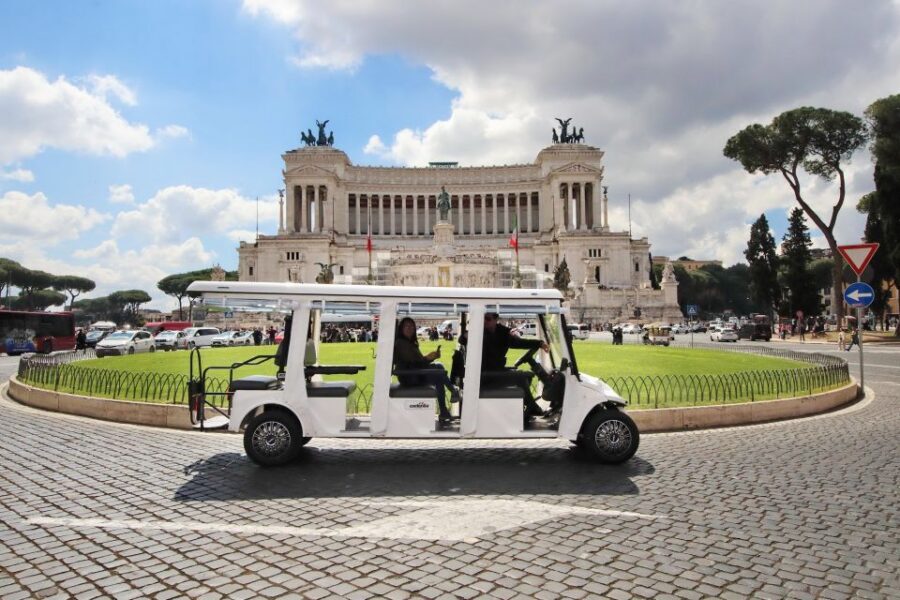
This is not a purely “ride and point” tour. You’ll have time for a walk and time for ice cream/gelato. That might sound small, but it changes the whole feel of the experience.
A quick walk gives you a moment to stand closer, take a breath, and not just watch Rome slide by. Gelato time does the same thing in a different way. It marks a natural break so you don’t end the tour feeling like you only consumed sights in rapid-fire mode.
Also, this is where small-group dynamics help. With fewer people, the group tends to stay more flexible for brief breaks, rather than being shoved along on a strict, industrial schedule.
This built-in pause is a big part of why people come away with the feeling that they saw a lot without feeling like they rushed through everything.
Hidden gems and guide surprises: the value of a human route
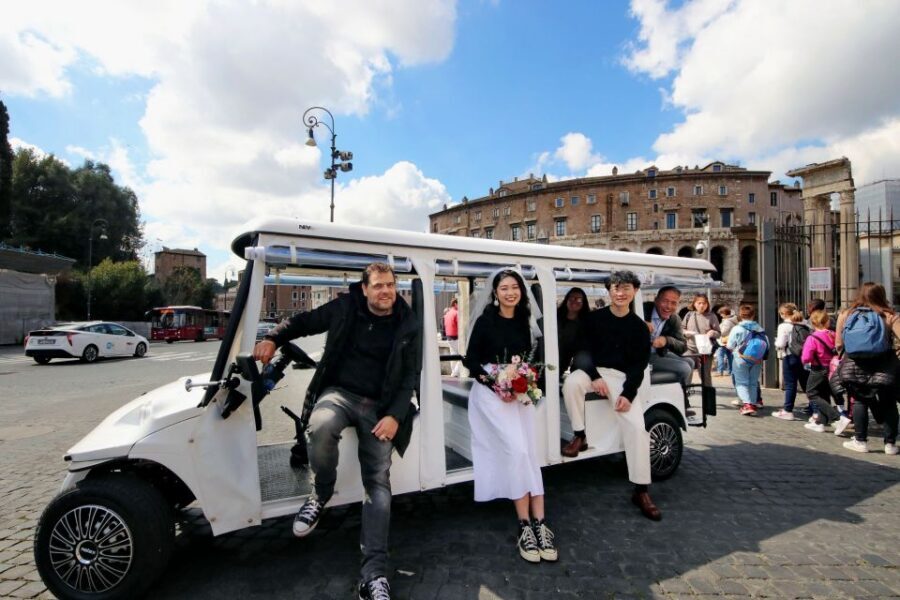
The tour includes hidden gems that the operators know, plus surprises that you typically won’t get if you’re doing everything solo from a phone map.
Now, I’ll keep this practical: you won’t know the details until you’re on the day. But you can expect that the guide uses local knowledge to add a little texture between headline monuments—small streets, viewpoint angles, and the kind of Rome detail that makes you feel like you experienced the city instead of just checking off landmarks.
This is where a standout guide can change your day. Eugenio has been praised for turning explanations into something you can actually feel—he makes the city’s story click instead of sounding like a script. One account also notes he recommended a restaurant, and helped with a dinner reservation at the end of the tour. That’s the kind of extra service that turns a “highlights” outing into real trip momentum.
Even if you don’t get the exact same setup, you’ll likely walk away with a clearer sense of where to go next, and that’s often the true value of a guided format.
English, Spanish, Portuguese, or Dutch: a guide that keeps up
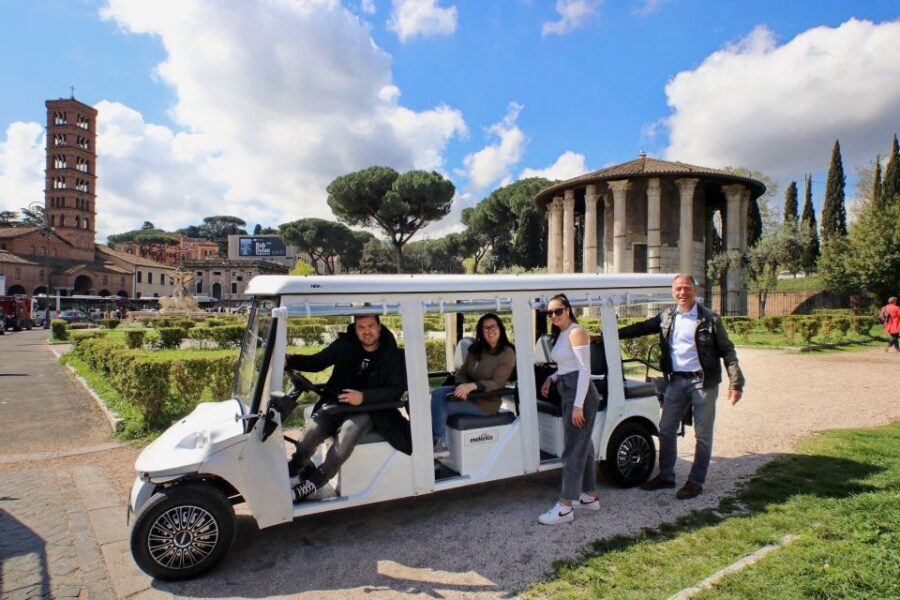
The tour runs with a live guide in English, Spanish, Portuguese, or Dutch. That matters because the tour is moving and the narration is part of the experience—not just background facts.
When the language is right, you get better answers, better pacing, and fewer “what did they say back there?” moments. With a small group, you also have a better chance to ask quick questions without derailing the whole route.
If you’re traveling with mixed language skills in your group, check availability for your preferred language in advance. It’s worth it for a tour like this, where the guide’s job is to connect stops into one coherent experience.
Price and value: is $135.94 worth 3 hours?
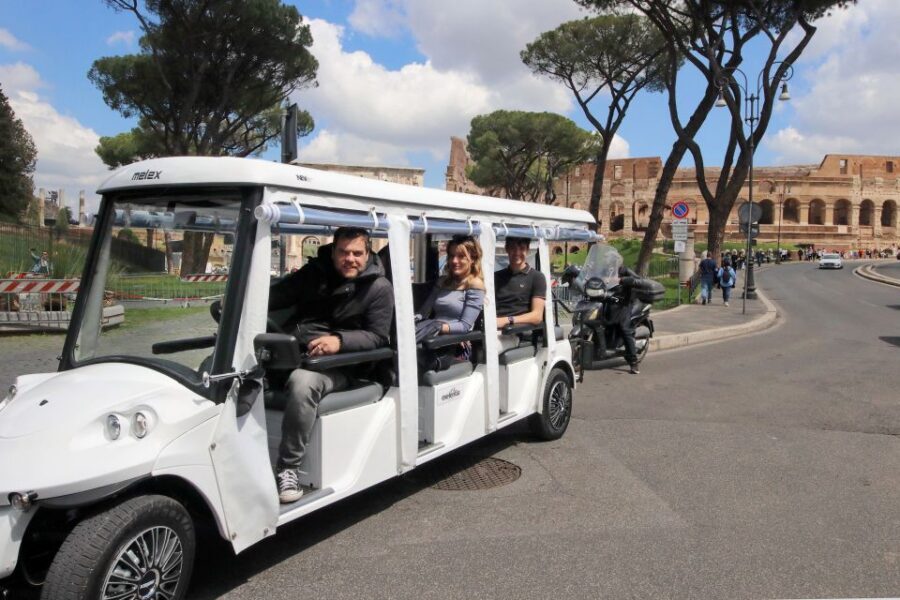
At $135.94 per person for about 3 hours, this tour isn’t the cheapest way to see Rome. But it isn’t trying to be. It’s priced like a guided transport experience that bundles three things you’d otherwise have to piece together yourself:
- Guide time across multiple landmark stops
- Cart transport that reduces friction from walking distances and street navigation
- A structured highlights route with breaks (walk + gelato) and extra surprises
If you only have a short window and want to cover key sights without building a complex plan, the value makes sense. You’re buying time and clarity.
If you’re the kind of traveler who enjoys slow, deep exploration and wants to spend hours at fewer sites, you may find it feels a bit fast. In that case, consider using this as a first-day orientation and then come back later for the sights you loved most.
Who this tour fits best (and who should skip it)
This tour is a strong match for:
- First-time visitors who want Colosseum-to-Pantheon-to-Trevi in one outing
- People who prefer guided structure over self-directed navigation
- Travelers who like photos but also want the story behind what they see
- Short-trip schedules where you need efficient coverage
It’s not a great fit for:
- Anyone who needs mobility assistance (it’s listed as not suitable for people with mobility impairments)
- People traveling with heavy luggage or large bags (not allowed on tour)
- Anyone expecting long stays at interior attractions or a slow “stay all day” pace
If you’re flexible and your goal is highlights plus orientation, you’ll probably feel like you got good value.
FAQ
FAQ
How long is the Rome city highlights tour in an electric cart?
It’s listed as a 3-hour tour. Starting times vary, so you’ll need to check availability.
How big is the group?
It’s a small group limited to 7 participants.
Where do we meet for the tour?
You meet at the Big Bus stop at Piazza del Colosseo, on the corner of Via S. Giovanni in Laterano (also listed as Via di S. Giovanni in Laterano, 2).
Where does the tour end?
The activity ends back at the meeting point area. The itinerary also lists Piazza Venezia as a finishing point.
Which main landmarks are included?
The tour includes the Colosseum, Pantheon, Trevi Fountain, Navona Square, and Campo de’ Fiori.
Do we get time to walk and eat gelato?
Yes. The tour includes time for a walk and ice cream/gelato.
What languages are available for the live guide?
The live guide is offered in English, Spanish, Portuguese, and Dutch.
Is this tour suitable for people with mobility impairments?
No. It’s specifically listed as not suitable for people with mobility impairments.
Are large bags or luggage allowed?
No. Luggage or large bags are not allowed.
What’s the cancellation policy?
You can cancel up to 24 hours in advance for a full refund.
Should you book this electric-cart highlights tour?
I’d book it if you want a smart, efficient way to hit Rome’s top monuments in about 3 hours, especially if you like having a guide connect the dots and you’re happy with a highlights pace (with breaks for gelato and a short walk). The small group size is a real quality-of-life upgrade here.
Skip it if you need step-free accessibility help or you’re carrying large baggage. Also skip if your idea of a perfect day is slow, deep time inside fewer places.
If you’re trying to get the most out of a limited schedule, this tour is a solid way to get your bearings fast and leave yourself with an easier plan for what to do next.