REVIEW · MUSEUMS
Vatican Museums & Sistine Chapel Group Tour
Book on Viator →Operated by Rome Tour · Bookable on Viator
Rome’s most famous ceiling is right here.
This is a tight, well-packed Vatican Museums & Sistine Chapel tour designed for big art hits in a short window. You’ll move through major museum wings—think classic sculpture and Papal-era collections—then finish with Michelangelo’s frescoes, including the Creation of Adam and the Last Judgment. The pacing is built for people who want the highlights without getting lost for hours.
I especially like that the tour includes more than just entry: you get a guide, privilege entrance, and headsets (so you can actually hear the stories). And I also like the small-group cap of 20, which makes it easier to keep up and ask questions. The main drawback to plan for: during special Vatican moments (like a conclave or the Pope’s passing), access can change, and you might not be able to enter the Sistine Chapel.
In This Review
- Key Things You’ll Notice on This Vatican Tour
- Why This Tour Works: Museums With a Finish Line
- Vatican Museums: The Rooms That Actually Make Sense
- Pio Clementino Museum and classic sculpture
- Gallery of the Candelabras: a visual warm-up
- Geographical Maps and the Vatican’s interest in the world
- Tapestries Gallery: Renaissance art beyond painting
- Raphael Rooms: why these paintings feel different
- Caravaggio and other big names
- Sistine Chapel in 15 Minutes: How to Make It Count
- Priority Entrance, Headsets, and a Small Group (Max 20)
- Who the Guides Are: Stories and Timing
- Logistics That Affect Your Experience (Meeting Point to Exit)
- Price and Value: Paying for Tickets, Guide, and a Smoother Day
- Crowds, Closures, and the Jubilee: Plan for Changes
- Should You Book This Vatican Museums & Sistine Chapel Tour?
- FAQ
- How long is the Vatican Museums & Sistine Chapel group tour?
- What’s included in the price?
- Is the tour in English?
- How many people are in the group?
- Where do I meet the tour?
- Where does the tour end?
- Is a vehicle included for transportation?
- What about tips?
- Is the tour very physically demanding?
- What if my booking is close to my travel date?
- Can I cancel for a refund?
Key Things You’ll Notice on This Vatican Tour
- Privilege entrance plus headsets helps you keep moving and still understand what you’re seeing
- Vatican Museums first, Sistine Chapel second gives you context before the grand finale
- Raphael Rooms and major galleries cover a wide range of art eras in one run
- Small group (max 20) makes timing feel more manageable than big bus tours
- Guide style matters—you may be led by people like Tiziana, Marco, Elaine, or Gerard, each bringing their own approach
- Event-day access changes are real—the Sistine Chapel can close during major Vatican events
Why This Tour Works: Museums With a Finish Line
If you’re trying to see the Vatican without turning your day into a stressful marathon, this format is smart. You get roughly 2 hours 15 minutes in the Vatican Museums, then 15 minutes in the Sistine Chapel. That split matters because it gives you enough museum time to understand what you’re looking at, and then a concentrated shot at the Sistine’s ceiling and altar wall.
The Vatican Museums can feel like a maze if you’re on your own. Here, the route is organized around the big rooms and artists you actually came to see. You’ll pass through stops such as the Pio Clementino Museum, the Gallery of the Candelabras, the Geographical Maps Gallery, the Tapestries Gallery, and the Raphael Rooms. That last one is a big deal: it’s where Raphael’s rooms help you connect Renaissance painting to the wider Vatican art world.
You’ll also get practical help from the guide’s explanations. The point isn’t to memorize dates. It’s to understand why certain images are placed where they are, and why different artists used different styles to communicate power, faith, and knowledge.
You can also read our reviews of more museum experiences in Rome



Vatican Museums: The Rooms That Actually Make Sense
Pio Clementino Museum and classic sculpture
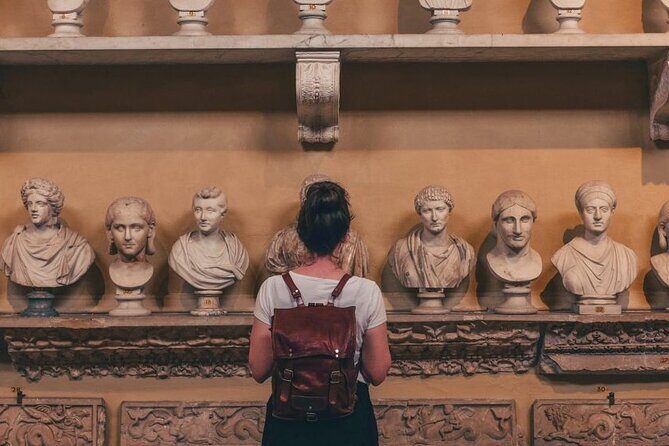
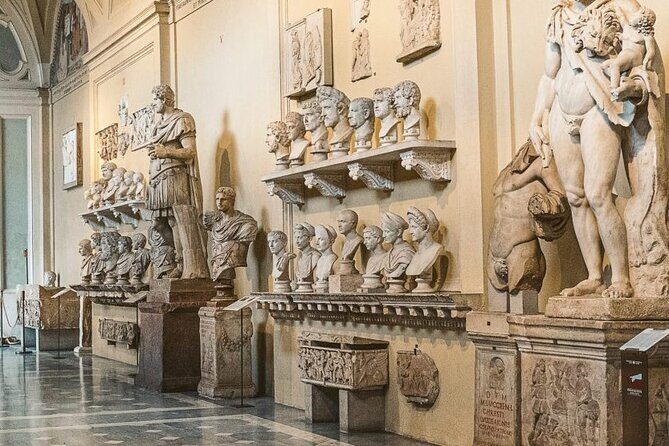
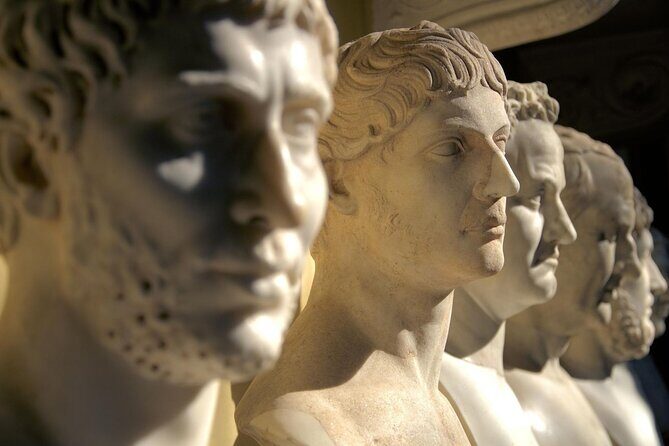
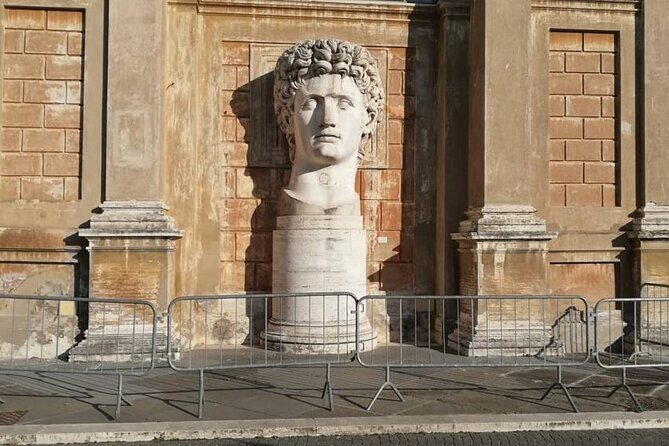
The Pio Clementino Museum is one of those areas where you can immediately see why the Vatican became such an art magnet. Even if you’re not a sculpture fanatic, the scale and craftsmanship push you to look closer. Expect to see classical works that shaped how later artists learned what beauty and proportion should look like.
What I like about starting here is that it gives your brain a foundation. When you move later to Raphael and Michelangelo, you’ll notice how Renaissance artists built on classical ideas rather than working in a vacuum.
Gallery of the Candelabras: a visual warm-up
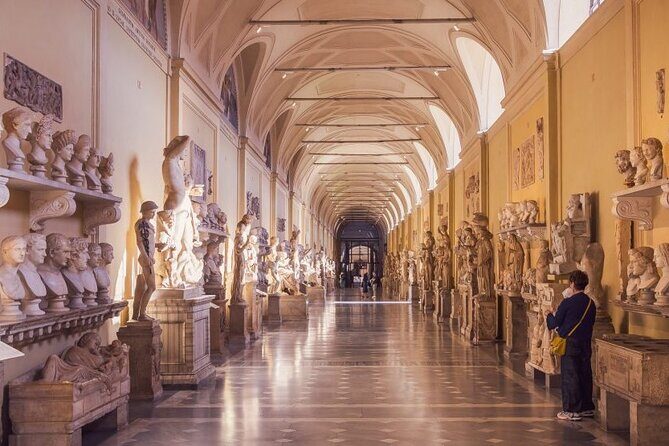
Next up is the Gallery of the Candelabras. The name alone sounds dramatic, and it is. Rooms like this are part museum, part theater. The guide’s job is to help you read the setting, not just the objects—so you don’t treat it like a hallway of random masterpieces.
Geographical Maps and the Vatican’s interest in the world
Then you hit the Gallery of the Geographical Maps. This is where art meets curiosity. The maps reflect a time when the Vatican was deeply engaged with global knowledge and how it could be shown through collections. It’s a refreshing change of pace from purely religious or mythological scenes.




Tapestries Gallery: Renaissance art beyond painting
The Gallery of the Tapestries is worth slowing down for. People often expect only paintings, but tapestries show how art was made to be seen in lived spaces—woven visuals that carried stories and prestige.
Raphael Rooms: why these paintings feel different
The Raphael Rooms are the payoff for many first-timers. Raphael’s approach is different from older styles you’ll see elsewhere in the museums: more clarity, stronger composition, and a sense of human scale. Even when you know the artist’s name, the rooms make it real.
Caravaggio and other big names
You also have the chance to see works associated with major artists mentioned as part of this visit, including Giotto and Caravaggio. The best way to enjoy this isn’t to try to spot every attribution. It’s to keep your eyes open for how artists used light, gesture, and storytelling to make the viewer feel present in the scene.
Sistine Chapel in 15 Minutes: How to Make It Count
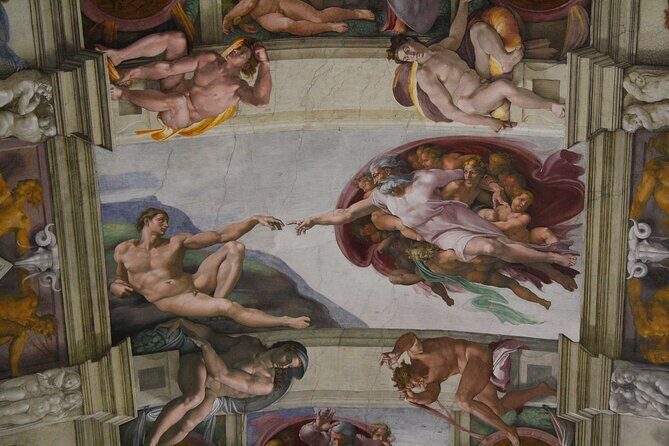
The tour ends with Sistine Chapel time—about 15 minutes. That’s short by design, which is good news and bad news.
It’s good because you won’t get dragged into a slow, exhausting standstill. It’s bad because you need a game plan to see what matters most to you. Here’s mine: focus first on the ceiling, especially Creation of Adam, then shift your attention to the altar wall for the Last Judgment.
What makes this visit work is the guide’s explanation of Michelangelo’s techniques and the historical context. That’s the difference between seeing famous images and understanding what Michelangelo was trying to do—composition, scale, and how the art communicates moral drama.
Also, expect crowds. Even with the organized route, the Sistine Chapel attracts everyone who has ever heard of Rome. Your best move is to keep your eyes moving in small sections. Don’t aim for a full perfect view. Aim for the key moments the guide points out.
Priority Entrance, Headsets, and a Small Group (Max 20)
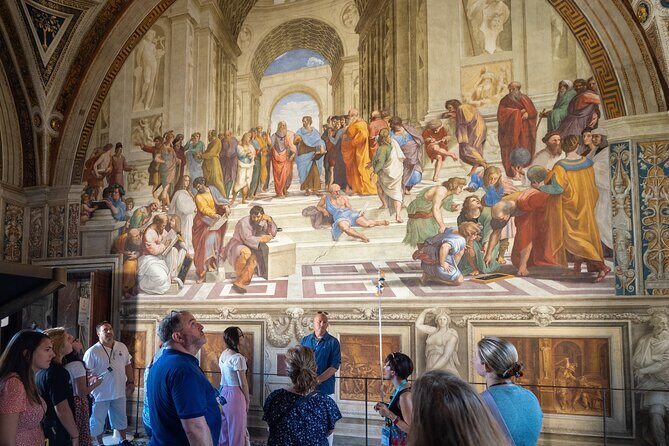
This tour includes privilege entrance and headsets, which is a surprisingly big deal. Rome’s line chaos is real, and the Vatican’s crowds can stretch your patience thin. Even when the lines are long, being able to hear your guide through headsets keeps you engaged instead of frustrated.
The group size—up to 20—helps too. Larger groups can turn into stop-and-start herding. Smaller groups make the pacing feel more human, especially when your guide is trying to keep everyone oriented.
If you’ve ever tried to follow a guide while you’re craning your neck for the right painting, you know why headsets matter.
Who the Guides Are: Stories and Timing
In real life, the guide can turn an art visit into a memory. In this tour style, you’ll want someone who can explain what you’re seeing quickly and clearly, and who keeps the group on schedule.
From what’s been shared about past outings, guides such as Tiziana and Elaine are praised for being friendly and bringing smart, witty delivery along with strong knowledge of the Vatican and its art. Marco has been noted for smooth on-the-ground help, including practical problem-solving when mobility needs came up.
That last part matters: this is a crowded, indoor-heavy day. Even if you don’t have special needs, you’ll appreciate a guide who understands how to keep the group moving efficiently.
Logistics That Affect Your Experience (Meeting Point to Exit)
The meeting point is Bar L’Ottagonocentro, Piazza del Risorgimento, 00193 Rome. You’ll end at the Vatican Museums exit, so plan your next stop with a short walk buffer.
This tour is described as near public transportation. That helps, because you don’t want to waste time fighting a parking problem before you even reach the Vatican.
Duration is listed as about 2 hours 30 minutes. That “about” matters. Vatican timing can shift a bit based on crowd flow and access.
And yes, you’ll want moderate physical fitness. Expect standing, walking, and indoor stairs/escalators where they exist. Nothing wild is promised, but this is still a museum day.
Price and Value: Paying for Tickets, Guide, and a Smoother Day
The price is $90.31 per person and it includes the essentials: tickets, a tour guide, privilege entrance, and headsets.
That’s where the value comes from. If you’ve ever bought tickets and then tried to find a meaningful route on your own, you know it’s easy to spend your energy wandering and your time re-reading signs. Paying for a guide and access help means you spend more time looking at art and less time solving logistics.
What’s not included: tips and an air-conditioned vehicle. On a hot day, that can matter to comfort. But since this is mostly walk-and-stand indoors, the biggest heat factor will be your timing around Rome streets before you reach the Vatican.
Crowds, Closures, and the Jubilee: Plan for Changes
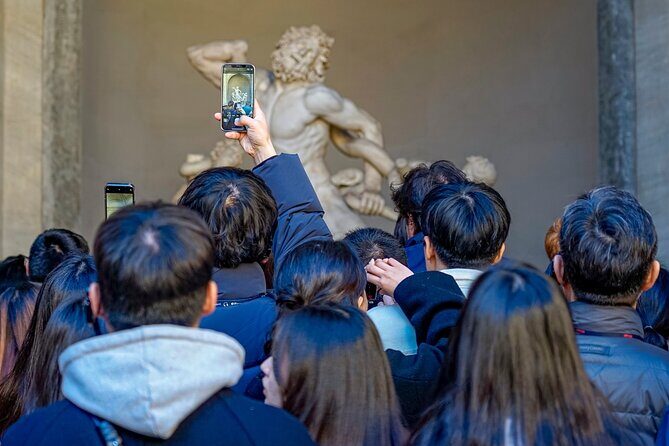
Two realities can shape your visit:
1) The Vatican can adjust access during major moments. For example, Sistine Chapel entry has been reported as impossible in at least one situation tied to a conclave. If that happens, you’ll want to be flexible and focus on what you can still see with your group.
2) During the Jubilee, some areas may be under restoration. The key advice is simple: watch for any messages sent about potential changes. Restoration work and access changes aren’t unusual here, and they can affect what’s open on a given day.
If you’re the type who gets upset when a plan changes, you might feel it. If you can go with the flow, you’ll still have a strong experience.
Should You Book This Vatican Museums & Sistine Chapel Tour?
I’d book this tour if you want a straightforward path to the Vatican Museums highlights and then the Sistine Chapel without turning your day into “where are we now?” chaos. It’s also a good fit if you appreciate a guide who can tie art to meaning, not just point at it.
Skip it or consider another option if you need guaranteed access to every single room every day. With the Vatican’s event-driven access shifts, you should be mentally prepared for changes.
If you’re going soon, note that it’s typically booked about 50 days in advance, so grabbing a slot earlier tends to reduce stress.
FAQ
How long is the Vatican Museums & Sistine Chapel group tour?
It runs about 2 hours 30 minutes in total, with around 2 hours 15 minutes for the Vatican Museums and 15 minutes for the Sistine Chapel.
What’s included in the price?
The tour price includes the ticket, a tour guide, privilege entrance, and headsets.
Is the tour in English?
Yes, the tour is offered in English.
How many people are in the group?
The group has a maximum of 20 travelers.
Where do I meet the tour?
You’ll meet at Bar L’Ottagonocentro, Piazza del Risorgimento, 00193 Rome, Italy.
Where does the tour end?
The tour ends at the Vatican Museums exit (Vatican City).
Is a vehicle included for transportation?
No. An air-conditioned vehicle is not included.
What about tips?
Tips are not included.
Is the tour very physically demanding?
The tour recommends a moderate physical fitness level.
What if my booking is close to my travel date?
You’ll receive confirmation at booking time unless you book within 8 hours of travel. In that case, confirmation is provided as soon as possible, based on availability.
Can I cancel for a refund?
No. This experience is non-refundable and cannot be changed for any reason.