REVIEW · DINING EXPERIENCES
Rome: Roman Restaurant Dining Experience with Food and Wine
Book on GetYourGuide →Operated by The Roman Food Tour · Bookable on GetYourGuide
Dinner in Rome gets real fast.
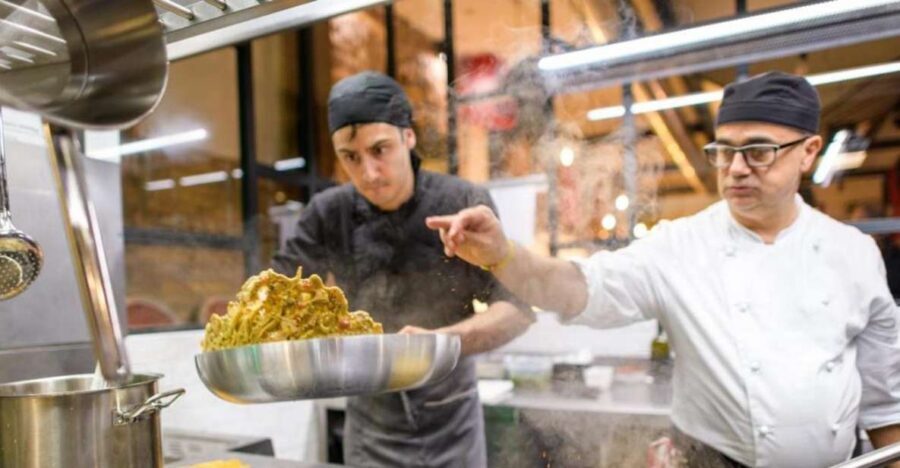
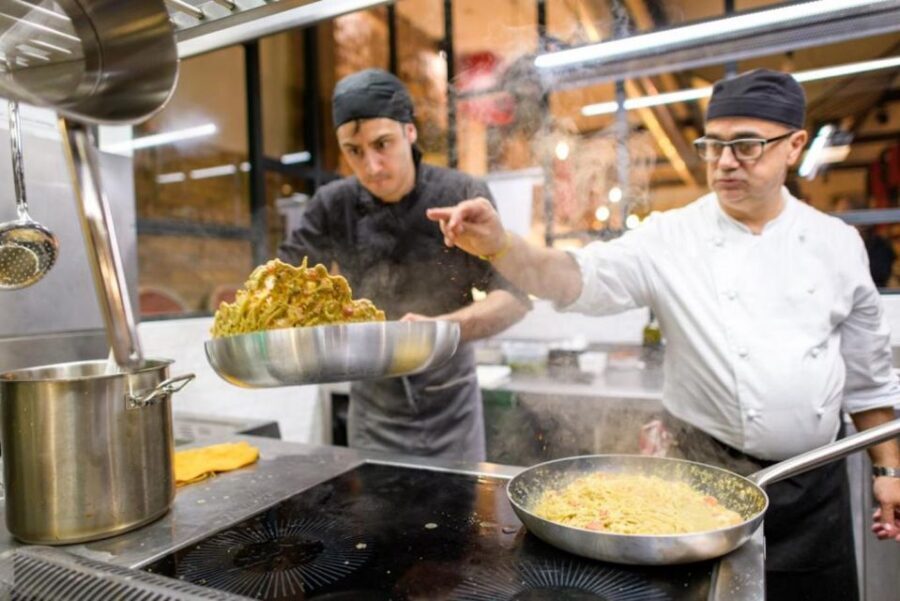
This meal experience takes place at Il Segreto, close to the Vatican in Prati, in a traditional dining room with an open-plan kitchen. You pick a 2-course or 3-course menu, then settle in for Roman classics like carbonara and amatriciana while the kitchen stays in view.
I especially love the service level here: the staff are attentive and multilingual, so it feels easy even if your Italian is still under construction. I also like that the menu is built around recognizable Roman dishes, finished with a homemade-style dessert and a drink you choose to go with the food. One thing to keep in mind: depending on where you sit, you might not be right in front of the chefs, even though the kitchen is open.
In This Review
- Key highlights you’ll actually care about
- Il Segreto in Prati: the Rome setting near the Vatican
- 75 minutes, 2 or 3 courses: how the pacing feels
- Bronze vs Gold: choosing your menu without regret
- Bronze menu (2 courses)
- Gold menu (3 courses)
- The Roman classics: what you’re really ordering
- Carbonara (rigatoni or first-course carbonara)
- Amatriciana (paccheri amatriciana)
- Cacio e pepe (tonnarelli cacio e pepe)
- Meatballs (gold option)
- The second course on gold: steak, octopus, or cod
- Drinks included: wine, prosecco, coffee, tea, and soft drinks
- Dessert finish: cheesecake or chocolate cake
- What the open kitchen changes (and where you might not get the view)
- Service that feels personal, not transactional
- Is $28 good value in Rome? Here’s the honest math
- Who should book this dinner experience (and who might skip it)
- Should you book this Roman dining experience?
- FAQ
- How long is the Roman restaurant dining experience?
- Where is the restaurant located?
- How much does it cost?
- What menus can I choose from?
- What dishes are available on the bronze (2-course) menu?
- What dishes are available on the gold (3-course) menu?
- What drink is included with the meal?
- Is skip-the-line entry included?
- Is the experience wheelchair accessible?
- What languages do staff speak?
Key highlights you’ll actually care about
- Il Segreto location near the Vatican (Prati): convenient for a first-night plan and easy to reach from central sights
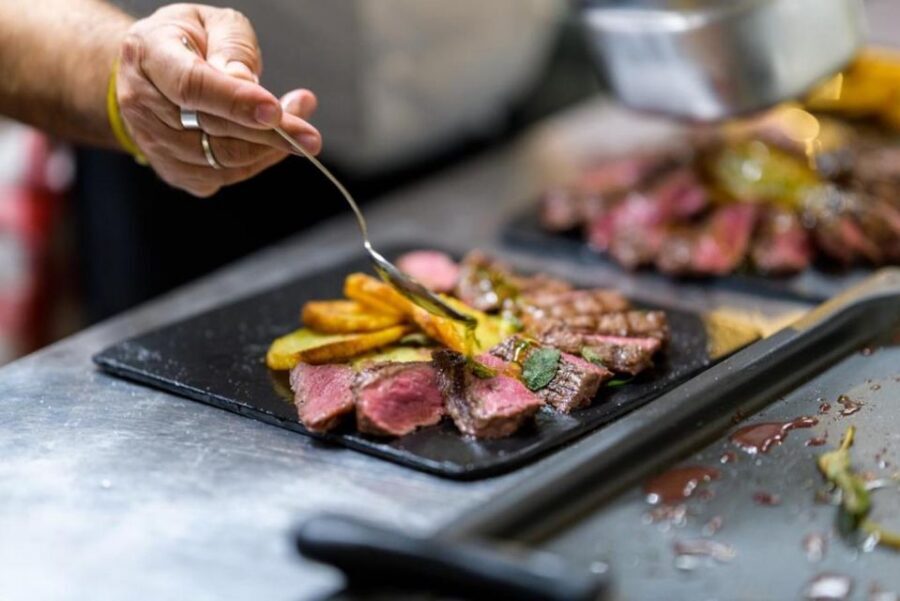
- Open-kitchen cooking you can see: chefs working while you eat, not just a hidden pass-through
- Two menu tiers (bronze 2-course, gold 3-course): clear choices with classic Romans dishes
- A drink is included: wine, prosecco, coffee, tea, and soft drinks depending on the option
- Portions are substantial for a set menu: you’ll likely leave satisfied, not nibbling
- Staff attention is a standout: smooth, friendly service that feels personal even for solo diners
Il Segreto in Prati: the Rome setting near the Vatican
If you want one good evening in Rome without overthinking it, this is the kind of plan that helps you get your bearings. Il Segreto sits close to the Vatican, in the Prati area. That’s a smart base because Prati is calmer than the loudest central blocks, but it still puts you within easy reach of major sights.
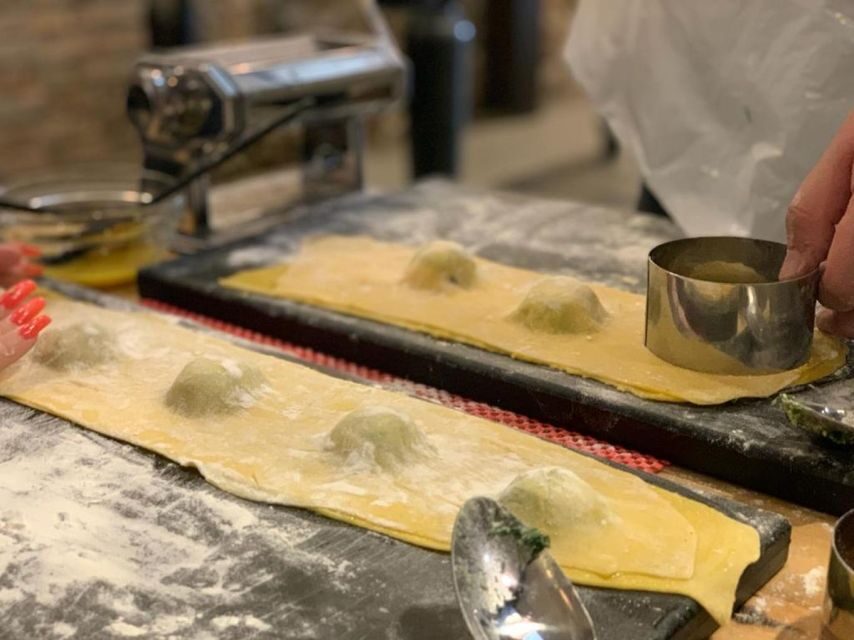
Inside, the restaurant keeps things authentic and unpretentious, which matters more than people expect. It doesn’t feel like a theme show. It feels like a working Roman restaurant where the kitchen is part of the entertainment. The open-plan setup gives you a clear sense of what’s happening behind the scenes, so the evening has momentum even before your first plate lands.
A big part of the appeal is that this isn’t just sit-and-wait dining. The kitchen activity adds energy to the room, and the staff keep things moving with a steady, hospitable pace. Reviews consistently point to an atmosphere that feels charming and fun, even when the day has gone sideways.
You can also read our reviews of more food & drink experiences in Rome



75 minutes, 2 or 3 courses: how the pacing feels
The full experience runs about 75 minutes. That time frame is helpful: long enough to enjoy multiple courses, short enough that you’re not stuck for hours. In a city where plans can stretch, this kind of structure can be a relief.
Here’s the basic rhythm you should expect:
- You arrive and get seated in a traditional dining room.
- You choose a set menu: bronze for 2 courses or gold for 3 courses.
- You order your main from the options offered.
- You choose a drink to go with your meal.
- You finish with dessert if you choose the 3-course gold menu.
This matters for value. You’re not paying to guess what you’ll get. You’re paying for a complete dinner format: classic pastas, a second course on the gold menu, and dessert. It’s also easier to manage your appetite. If you’re hungry, go gold. If you want a lighter but still satisfying dinner, bronze is the safer move.
One practical note: because it’s a set-menu experience, the kitchen timing depends on the group schedule. That’s normal. The upside is that service tends to feel organized rather than chaotic, and the staff keep you in the loop.
Bronze vs Gold: choosing your menu without regret
You’ll choose between two tiers that are built for different kinds of appetites.
Bronze menu (2 courses)
With bronze, you get two courses:
- A main course chosen from: paccheri amatriciana, tonnarelli cacio e pepe, or rigatoni carbonara
- A dessert chosen from: cheesecake or chocolate cake
You also get a drink with the meal, with options including prosecco, soft drinks, coffee, or tea.
If you’re doing other Rome activities that night, bronze is the smarter slot. It gives you the key Roman flavors without committing to a full progression.
Gold menu (3 courses)
Gold adds a second course and a final dessert course:
- First course options (main pasta): meatballs, paccheri amatriciana, tonnarelli cacio e pepe, or carbonara
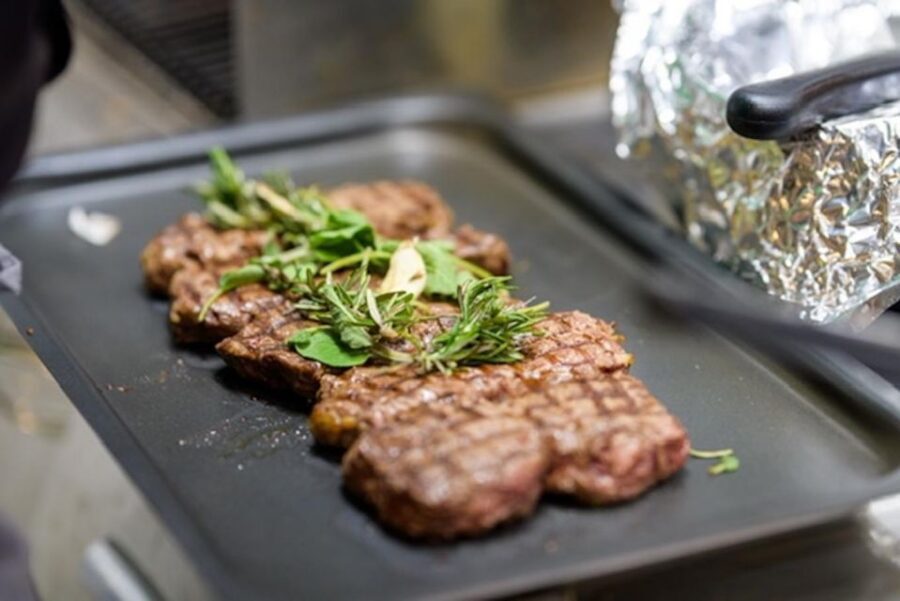
- Second course options: steak, roasted octopus, or roasted cod
- Dessert (third course): you choose your desert for the final course
- Drink: soft drink, coffee, tea, or a glass of wine (wine is included as an option here)
Gold is for when you want a real Roman meal feeling: pasta, then something heartier from the kitchen, then dessert. Reviews also suggest the meal can be more filling than you expect from a set menu, so if you go gold, come hungry and plan to enjoy a calm evening afterward.
You can also read our reviews of more tours and experiences in Rome



The Roman classics: what you’re really ordering
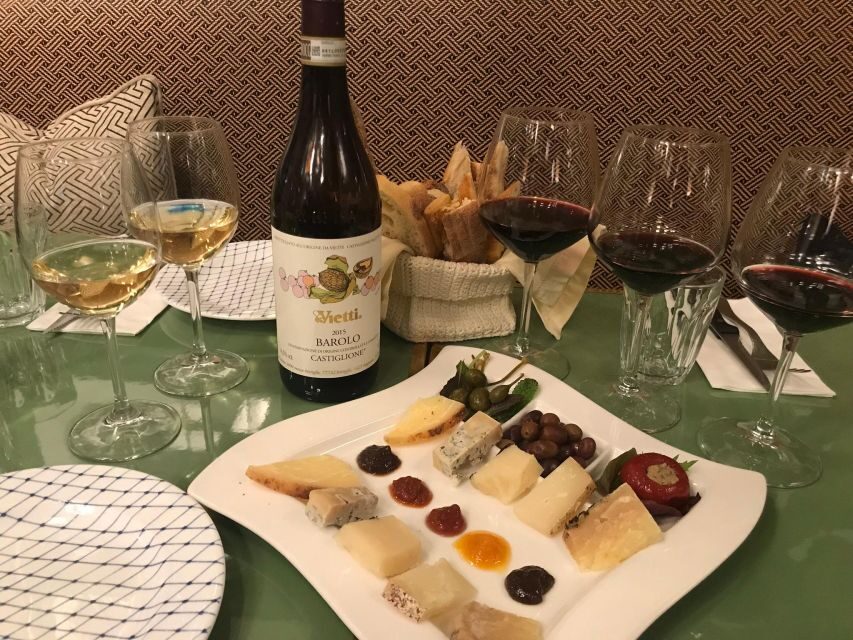
This is not a menu of random tourist pasta. It’s built around Roman staples that you can recognize and compare.
Here are the standout options you can choose from:
Carbonara (rigatoni or first-course carbonara)
Carbonara is a Roman identity dish. Here it shows up as rigatoni carbonara on bronze, and also as carbonara on gold. You’ll get a version that’s cooked for comfort and consistency, not a fancy deconstruction.
Amatriciana (paccheri amatriciana)
Paccheri amatriciana is another Roman go-to. It’s hearty and sauce-forward, which is great when you want something satisfying without needing a lot of explanation.
Cacio e pepe (tonnarelli cacio e pepe)
This one is simpler on paper but harder in practice. Cacio e pepe depends on texture and balance. When it’s right, it feels creamy and coating, not heavy. If you want a more delicate direction than amatriciana, this is a solid choice.
Meatballs (gold option)
Meatballs on the gold menu give you another Roman comfort track before the second main arrives.
The takeaway: you’re choosing among dishes that are recognizable, so you’re unlikely to feel lost. You also get a dinner format that helps you taste multiple Roman flavors without making decisions for hours.
The second course on gold: steak, octopus, or cod
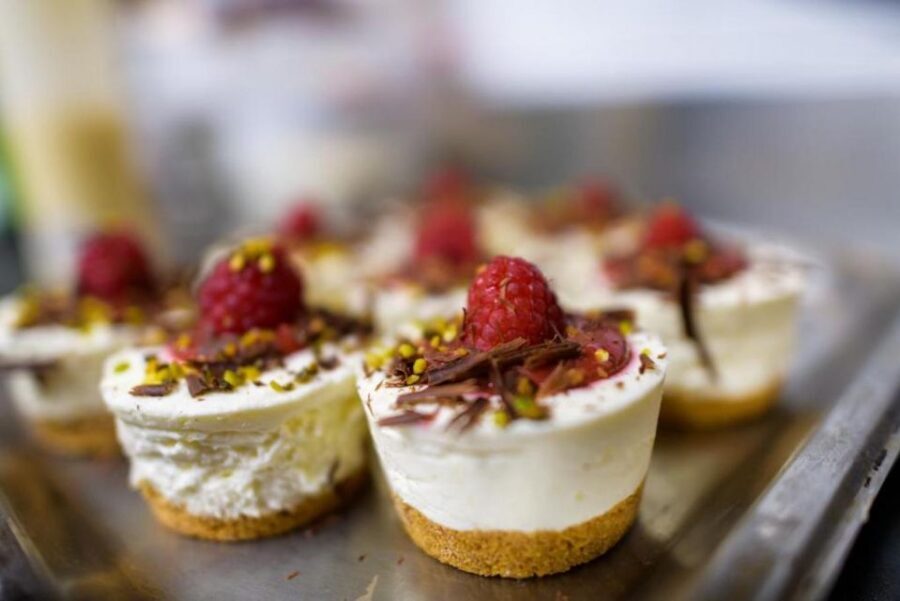
Gold is where the meal shifts from pasta comfort to a more complete dinner plate.
Your second course choices are:
- Steak
- Roasted octopus
- Roasted cod
This is a useful range because you can tailor to your preferences:
- If you want familiar and hearty, steak fits.
- If you want something more “Roman coast” in flavor (and you don’t mind octopus), roasted octopus is a memorable pick.
- If you’d rather keep it lighter and fish-forward, roasted cod is the more cautious choice.
Because this is still part of a set-menu experience, you’re not stuck negotiating a special order. You pick from what’s available, and the kitchen does the rest.
Drinks included: wine, prosecco, coffee, tea, and soft drinks

One of the best value levers here is that the drink is included. It turns dinner from a budget-friendly meal into something you feel good about, especially if you’re comparing Rome meal options.
Your drink options can include:
- Wine
- Prosecco
- Soft drinks
- Coffee
- Tea
On bronze, you might see prosecco, soft drink, coffee, or tea. On gold, a glass of wine is an option alongside soft drinks, coffee, or tea.
If you’re the type who wants a glass of wine with pasta, this is the easiest way to make that happen without doing the math mid-meal. And if you’re avoiding alcohol, you’re not penalized. Coffee and tea are part of the plan, not an afterthought.
Dessert finish: cheesecake or chocolate cake
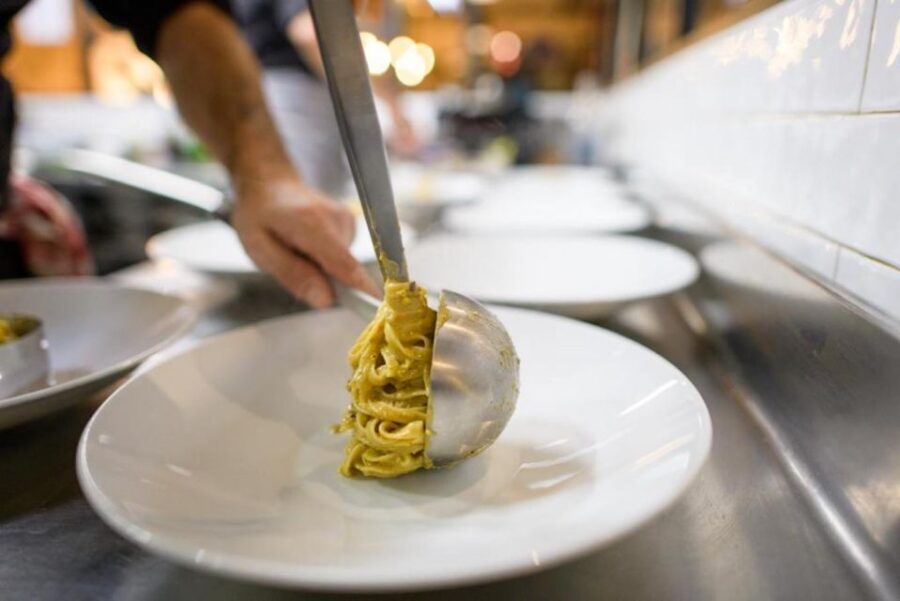
For bronze, dessert options are cheesecake or chocolate cake. For gold, you’ll choose a dessert as your third course.
The important part is less what it is and more that it’s included in the experience. It’s that classic end-of-meal ritual that makes a set menu feel like a full evening, not just a timed plate delivery.
What the open kitchen changes (and where you might not get the view)
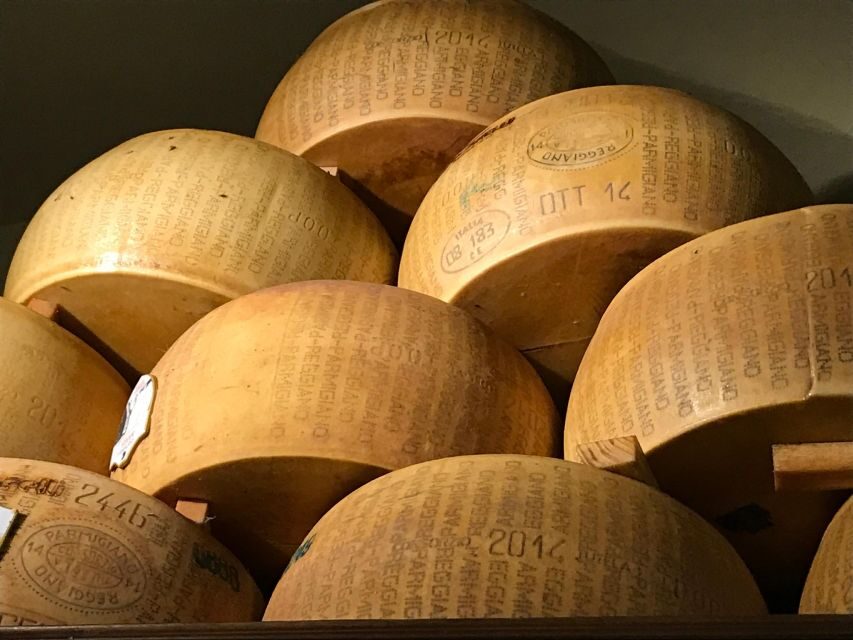
The open-plan kitchen is one of the main reasons this dinner feels lively. You watch chefs prepare your food, and the kitchen activity keeps the room energized.
That said, you should plan for a small possibility: where you sit may affect how close you are to the cooking line. One downside that comes up is that the view can vary depending on table placement. So if your goal is to be right in front of the chefs, aim to arrive a bit earlier when possible and don’t assume every seat has the same sightline.
Even without a perfect seat, you’ll still get the benefit of seeing a real restaurant kitchen in action. It adds texture to the meal, and it helps the evening feel more like a Roman night out than a generic dinner.
Service that feels personal, not transactional
This is where the reviews really lean in, and it’s easy to see why. Staff attention is repeatedly described as warm and highly responsive, and the multilingual factor makes it simpler to relax.
You can also expect a host or greeter who speaks many languages, including English, French, Spanish, Italian, German, Portuguese, Turkish, Arabic, Thai, and more. That matters because it reduces the friction of ordering. Even if your Italian is limited, you’ll be able to make your choices without stress.
If you’re traveling solo, this kind of service style is especially helpful. It’s the difference between sitting down and feeling like you’re being processed versus feeling taken care of. The atmosphere also helps: the room feels festive and charming, which makes it a comfortable pick for couples and solo diners.
Is $28 good value in Rome? Here’s the honest math
At $28 per person, this is priced as a fixed dinner experience. For that, you’re getting:
- A 2- or 3-course meal depending on your option
- A drink included
- A structured 75-minute dining window
- A traditional Roman restaurant setting near the Vatican
- Open-kitchen atmosphere
In Rome, that kind of package can be a smart deal because it reduces add-ons. Instead of paying for each element separately, the menu turns dinner into one predictable cost.
The only caution is your appetite and expectations. If you choose the 3-course gold menu, expect it to be more substantial than a tiny tasting menu. One review note called out that you get a full-sized meal rather than reduced portions for the multi-course format. That’s good value, but it means you shouldn’t schedule a big dessert stop afterward unless you’re ready to share.
If you want a safe, satisfying first-night plan near major sights, this price point is easier to justify.
Who should book this dinner experience (and who might skip it)
This is a great fit if you want:
- A Roman food-focused evening without complex planning
- A set-menu structure that keeps decisions simple
- Roman classics like carbonara and amatriciana
- A included drink, especially if you’d like wine or prosecco
It’s also ideal if you’re tired after a long day. The format works because the meal is organized and the staff help smooth out the experience.
You might skip it if:
- You strongly prioritize being seated directly in front of the kitchen pass.
- You want a very flexible, à la carte menu where you can customize everything.
Otherwise, it’s the kind of dinner that helps you feel like Rome is doing the entertaining for a change.
Should you book this Roman dining experience?
Yes, you should book it if you want a practical, classic Roman dinner near the Vatican with a drink included and a real sense of the kitchen at work. The best reasons to choose it are the combination of attentive service, recognizable Roman dishes, and the open-kitchen atmosphere that makes the 75 minutes feel like an event, not just a stop.
Book bronze if you want a simple, satisfying meal with pasta and dessert. Choose gold if you want the full dinner arc with a second course like steak, roasted octopus, or roasted cod.
If you’re aiming for a highly specific kitchen view, just don’t assume every seat is equally close. But for most people, this is a strong value way to eat well in Rome without turning dinner into a project.
FAQ
How long is the Roman restaurant dining experience?
The experience lasts about 75 minutes.
Where is the restaurant located?
It’s at Il Segreto, near the Vatican in the Prati neighborhood of Rome (Lazio, Italy).
How much does it cost?
The price is listed as $28 per person.
What menus can I choose from?
You can choose either a bronze (2-course) menu or a gold (3-course) menu.
What dishes are available on the bronze (2-course) menu?
Your main can be paccheri amatriciana, tonnarelli cacio e pepe, or rigatoni carbonara. Dessert is cheesecake or chocolate cake.
What dishes are available on the gold (3-course) menu?
Your first course can be meatballs, paccheri amatriciana, tonnarelli cacio e pepe, or carbonara. Your second course can be steak, roasted octopus, or roasted cod. You choose the dessert as your third course.
What drink is included with the meal?
A drink is included. Options mentioned include wine, prosecco, soft drinks, tea, and coffee (depending on the menu).
Is skip-the-line entry included?
Skip the ticket line is included.
Is the experience wheelchair accessible?
Yes, it is wheelchair accessible.
What languages do staff speak?
The host or greeter lists many languages including English, French, Spanish, Italian, Chinese, German, Hebrew, Indonesian, Japanese, Korean, Persian, Portuguese, Turkish, Traditional Chinese, Arabic, and Thai.