REVIEW · FOOD
Rome Private Wine & Food Tour Trastevere, Ghetto, Campo de Fiori
Book on Viator →Operated by GOURMETALY FOOD TOURS OF ROME · Bookable on Viator
Food walks beat museum days in Rome. This private walk-and-taste route is built for people who want the real food rhythm of the city: market chatter, quick bites in classic Roman shops, and seated tastings with wine. I especially love the market-to-neighborhood flow (Campo de’ Fiori to the Jewish Ghetto to Trastevere), and I like how much you sample without feeling rushed. One thing to plan for: you’ll be on your feet for about 3.5 hours, so comfy shoes matter.
You get English-speaking attention from your guide for the entire time, not a “wander and figure it out” vibe. Guides like Clelia, Marielle, Natasha, Aurelio, Gloria, Livia, and Claudio are repeatedly praised for keeping things friendly and question-friendly, and that shows in how the stops are paced. If you’re a winter visitor, you’ll also hit seasonal specialties that change the whole flavor of the tour.
In This Review
- Key Highlights You’ll Actually Feel
- Private Wine & Food Tour: Why This Feels Like Rome, Not a Script
- A quick practical note
- Piazza Farnese and the Start of the Route: A Polished Opening
- Campo de’ Fiori: Market Energy Morning Tours (and Why It Matters)
- What you’ll taste and why it fits
- Campo de’ Fiori Afternoon Option: Same Place, Different Mood
- The Jewish Ghetto and Piazza delle Cinque Scole: Food With Meaning
- What to look for at the tastings
- Ancient Pizzicheria Ruggeri and Forno Roscioli: Pizza That Actually Means Something
- Isola Tiberina Walk-By: A Pause Over the River
- Trastevere Finish: Cacio e Pepe, Amatriciana, and the Caffeine-Free Kind of Happiness
- Wine Tastings: Why Seated Stops Are Part of the Value
- Gelato at Fiordiluna With Eugenio Morrone: Dessert as a Win Condition
- Seasonal Notes: Winter Artichokes and Summer Zucchini Flowers
- Sunday Version: Organic Market First, Then the Same Core Neighborhoods
- What You Actually Eat: A Clear Picture of the Menu
- Food needs and allergens
- Who This Tour Fits Best (and Who Might Want to Adjust)
- Should You Book This Rome Private Wine & Food Tour?
- FAQ
- Is this tour private or shared?
- How long is the Rome wine and food tour?
- What language is the tour offered in?
- What’s included in the price?
- Are there vegetarian options?
- Is there a gluten-free or dairy-free option?
- What’s different about Sunday tours?
- Where does the tour start and end?
Key Highlights You’ll Actually Feel
- Campo de’ Fiori market start for the sights, smells, and vendor talk that sets the tone
- Jewish Ghetto food stops with classics like fried artichokes (seasonal) and suppli made to order
- Trastevere dining flavor through streets packed with Roman favorites and a very local dinner energy
- 3 seated wine tastings alongside pizza, cheese, and pasta so you can taste Rome in layers
- Gelato with Eugenio Morrone at Fiordiluna, hosted by a 2020 gelato world champion
- A private format that’s easier to manage with your pace and questions
Private Wine & Food Tour: Why This Feels Like Rome, Not a Script
This is the kind of tour that works because it stays human. You’re not pulled along by a big group with headcounts and awkward gaps. Instead, you get a guide who can slow down when you want to linger, and speed up when you just want to eat the next thing.
At $217.69 per person for roughly 3 hours 30 minutes, the price looks steep—until you add up what’s included. You’re getting multiple tastings that go beyond a few “try this bite” samples: cheeses and cured meats, pizza tastings, seasonal fried specialties, pasta tastings, 3 wine tastings at seated stops, plus gelato. For me, that’s the value math: you’re paying for an organized route through places that are easier to navigate when someone explains what you’re actually tasting.
The other big win is the route itself. You move through three Rome “food states”: market day energy at Campo de’ Fiori, the Jewish Ghetto’s food-and-memory traditions, then Trastevere’s late-evening dining culture. It’s not random. It’s a food map.
You can also read our reviews of more food & drink experiences in Rome


A quick practical note
Since it’s a walking food tour, you’ll want shoes that can handle cobblestones. It’s also weather-run: the tour operates in all conditions, so plan for rain or shine with a layer and a small umbrella.
Piazza Farnese and the Start of the Route: A Polished Opening
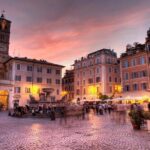
You begin at Piazza Farnese, a refined square anchored by the Farnese building and the French Embassy area, with fountains adding that “Rome postcard” feeling. It’s a smart place to start because it gives you a clean orientation before you start moving toward the busier food zones.
From there, the tour heads toward Campo de’ Fiori and then continues into the neighborhoods where Rome food is actually made and sold day to day. Even if you’ve been to Rome before, that first transition matters: it helps your brain switch modes from sightseeing to eating.
When you arrive, look for the host with the sign at the meeting point associated with the tour operator. Once you connect, your guide keeps the pace steady and uses the walk to set up what you’ll learn and taste next.
Campo de’ Fiori: Market Energy Morning Tours (and Why It Matters)
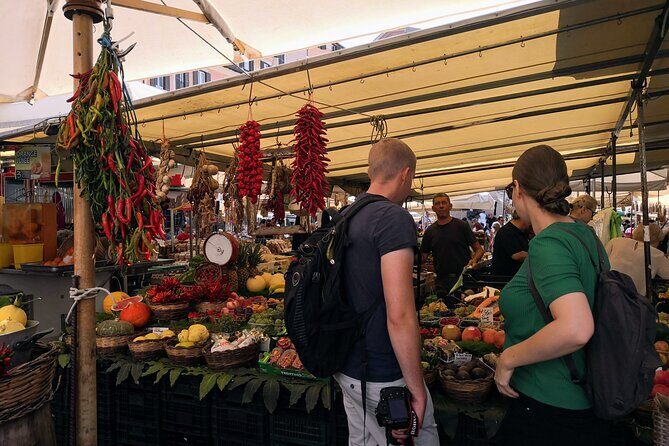
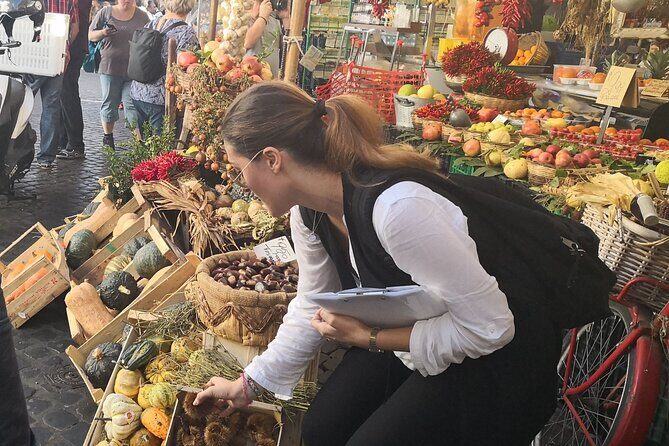
If you book the Monday–Saturday morning option, you’ll start with Campo de’ Fiori at its loudest, liveliest best. This is one of Rome’s best-known market squares, and the point isn’t just to look—it’s to see how locals shop.
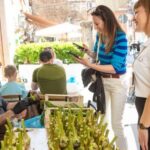
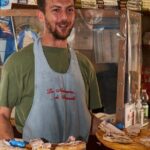
You’ll browse seasonal produce and local specialties, chat with vendors, and get that everyday shopping rhythm that rarely shows up on a “top sights” itinerary. It’s also where you’ll spot the statue of Giordano Bruno, a philosopher burned alive by the Inquisition in 1600. The guide’s framing turns it from a random monument into a reminder of the importance of free thought—history you can feel in the square’s attitude.
What you’ll taste and why it fits
A market start works because it primes your palate. You’re not jumping straight to bread-and-cheese without context. Your guide connects ingredients and choices to the Roman dishes you’ll sample soon after.
You can also read our reviews of more tours and experiences in Rome



Campo de’ Fiori Afternoon Option: Same Place, Different Mood
If you choose an afternoon tour on Monday–Saturday, you still go to Campo de’ Fiori, but you’ll catch it in a more relaxed mode. Even when the market is not fully in swing, the square stays active—food, people, and the surrounding neighborhood atmosphere still do the heavy lifting.
This schedule is great if you’re balancing other plans that morning (like Vatican area time) or if you just prefer slower daylight strolling. You still get the market context, and you still carry that energy into the Jewish Ghetto and then onward to Trastevere.
The Jewish Ghetto and Piazza delle Cinque Scole: Food With Meaning
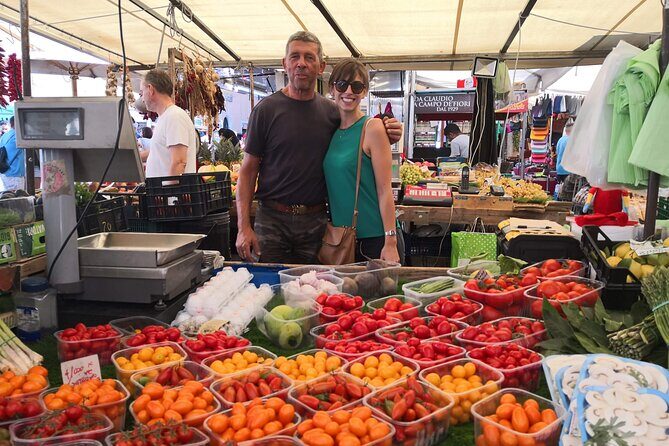
Next comes the historic Jewish Ghetto, including the area around Piazza delle Cinque Scole. This is where the tour becomes more than snacks on a walk. The guide explains cultural and culinary heritage—how food habits reflect identity, tradition, and community history.
You’ll pass older buildings and see landmarks tied to the community, including the Jewish school and the synagogue area. You’ll also encounter ancient Roman ruins in the mix. It’s a reminder that Rome is layers: the city’s architecture and its food traditions overlap like a palimpsest.
What to look for at the tastings
This part of the tour leans into fried, savory, and comfort-food classics, including:
- Fried artichokes (winter only) in the style often called carciofo alla giudia
- Supplì al telefono, fried rice balls with mozzarella and tomato sauce
- Other Roman-Jewish favorites depending on seasonal availability
The tastings are part of the experience logic. You’re not just eating; you’re learning what ingredients are prized, what techniques matter, and why certain foods became staples.
Ancient Pizzicheria Ruggeri and Forno Roscioli: Pizza That Actually Means Something
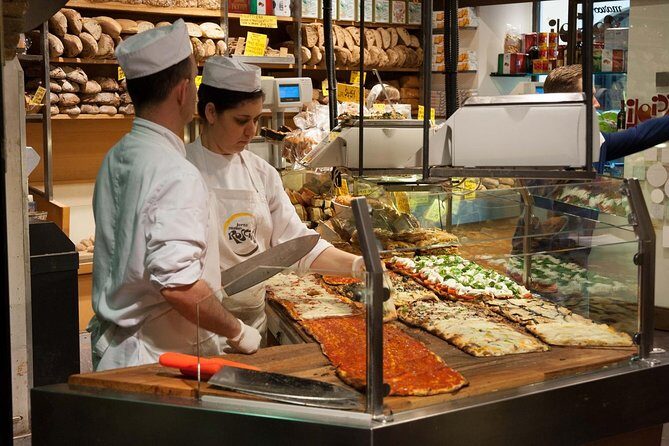
As you move through the route, you’ll hit two of the stop types that define Roman street food culture: the casual, iconic counter culture for pizza and the bread-and-pizza culture for heavier cravings.
At Ancient Pizzicheria Ruggeri, you’ll learn stories, habits, legends, and practical tips tied to authentic Roman foods. This is the kind of stop where the guide helps you notice small details—like what makes Roman-style slices different and how toppings and textures show up in real life.
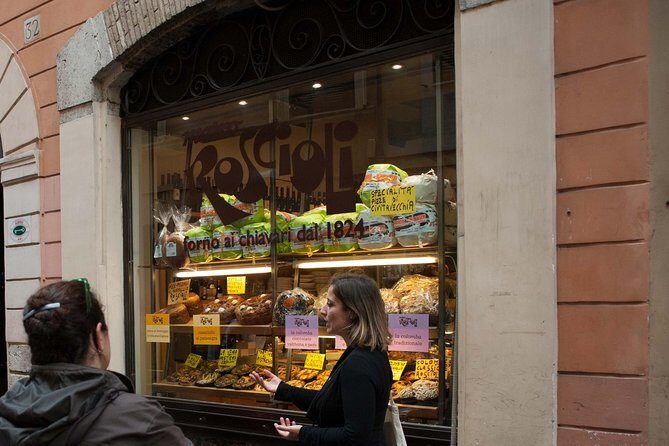
Then comes Antico Forno Roscioli, famous as a place for pizza al taglio and loved by bread people. Here, you’ll taste different styles of pizza:
- Pizza bianca with mortadella
- Pizza rossa with EVO oil and tomato sauce
- Pizza con le patate, with sliced potatoes, black pepper, and rosemary (a distinctly Roman-feeling choice)
If you’re thinking pizza is always the same, these stops will change that. Roman pizza here is about simple ingredients treated seriously, plus that satisfying “how is this so good?” chew.
Isola Tiberina Walk-By: A Pause Over the River
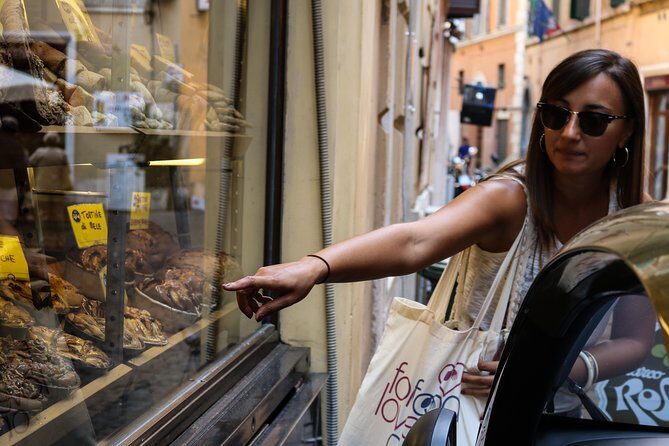
At some point during the walking route, you cross the oldest bridge in town to reach Isola Tiberina. On the island you’ll find a church, a convent, and hospitals. It’s not a major “tourist highlight” stop that eats an hour of your day, but it gives you a breath of air and a visual break before you head back into the tighter streets of Trastevere.
It’s also a nice moment to let the earlier tastings settle—because the best part of Trastevere is next.
Trastevere Finish: Cacio e Pepe, Amatriciana, and the Caffeine-Free Kind of Happiness
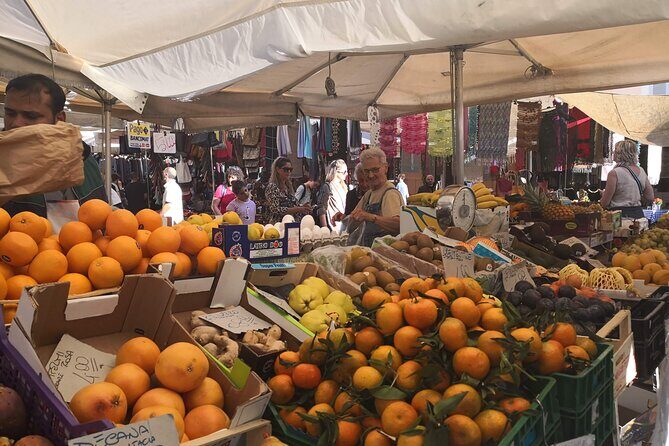
Trastevere is the finale energy of this tour. It’s popular for a reason: the streets are narrow, the atmosphere is lively, and the food is part of daily life. The tour ends at Basilica di Santa Maria in Trastevere, with a scenic square that makes the whole walk feel like it has a natural “last page.”
In Trastevere, you’ll do more seated tastings. You’ll sample:
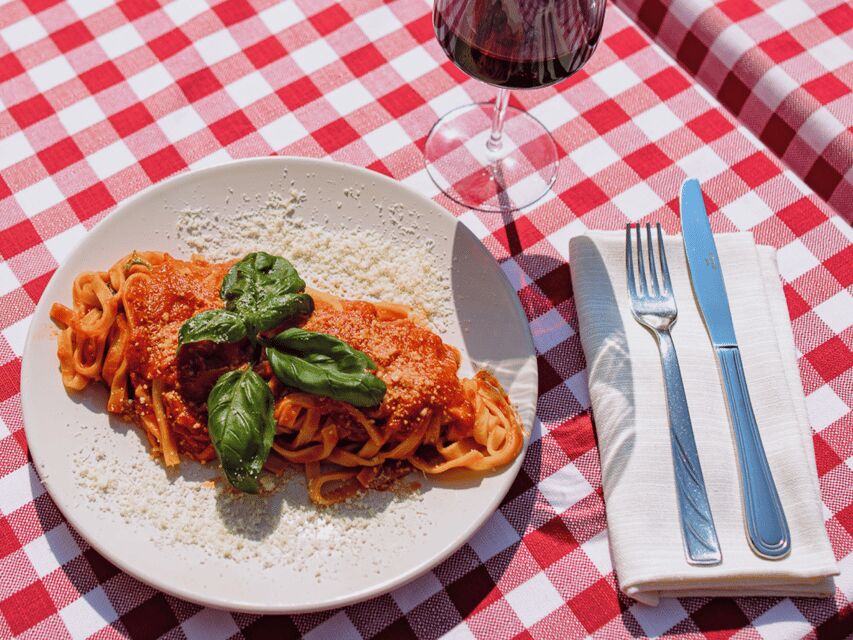
- Cacio e pepe
- Amatriciana
- Plus a couple of other Roman favorites depending on what’s planned that day
One standout tasting stop listed in the experience is Ristorante Sette Oche in Altalena, where you’ll enjoy cacio e pepe and amatriciana pasta. Another key piece is the sequencing: you get the fried and pizza energy first, then the pasta comfort afterward, then the sweetness at the very end. It’s a smart palate arc.
Wine Tastings: Why Seated Stops Are Part of the Value
This tour includes 3 wine tastings at seated stops. That matters because wine in Italy isn’t just a beverage—it’s tied to how food is served and paced.
You’re tasting alongside Roman food, not in isolation. By the time you get to the gelato, you’re not just full—you’re calibrated. You know what you like, and you understand how the food choices work together.
If you’re trying to drink responsibly, it’s worth noting you can still enjoy the food portion even if you’d rather not overdo wine. The tour is designed around tasting, not getting smashed.
Gelato at Fiordiluna With Eugenio Morrone: Dessert as a Win Condition
The final big food hit is gelato at Fiordiluna, hosted by Eugenio Morrone, listed as gelato world champion 2020. You’ll taste gelato with a two-flavors cup plus extras.
I like dessert on this tour because you’re at the natural end of the walking route. No rushing back to catch trains, no hunting for dessert afterward. You just finish where the tour finishes and close the loop.
Also, the tour description is blunt in a good way: gelato here is treated as the real deal, not a casual afterthought.
Seasonal Notes: Winter Artichokes and Summer Zucchini Flowers
One reason people keep loving this tour is that it doesn’t ignore seasons. Your menu can include:
- Jewish-style fried artichoke in winter
- Fried zucchini flowers in summer
Those are big flavor changes, not tiny menu tweaks. If you time your trip around your preferred season foods, you’ll get a more “personal” version of the tour.
Sunday Version: Organic Market First, Then the Same Core Neighborhoods
Sundays run with a different plan. Many independent shops and food vendors close on Sundays, so the route shifts to focus on open options—especially markets.
Sunday tours start at a farmer-managed organic market, where producers sell directly and you sample fresh products. Then you walk through lesser-known streets toward the Jewish Ghetto and continue to Trastevere, with tastings along the way. In practice, this means you get more emphasis on ingredient sourcing and less on the “classic shop counter” feeling that you may get during Monday–Saturday routes.
If you’re in Rome on a Sunday and worry about food tour disappointment, this adaptation is a plus. You’re still getting the core cultural stops, just with a different starting engine.
What You Actually Eat: A Clear Picture of the Menu
Here’s the menu style you can expect, since it’s built around Roman staples and a few standout Jewish and market foods. Common tastings include:
- Pecorino romano with spianata romana (a Roman cheese-meets-cured meat combo you’ll hear about for Roman pasta styles)
- Mozzarella di bufala (water buffalo mozzarella)
- Pizza varieties like pizza bianca with mortadella, pizza rossa, and pizza con le patate
- Supplì al telefono
- Fried seasonal specialties (artichokes in winter; zucchini flowers in summer)
- Pasta tastings: cacio e pepe and amatriciana
- Gelato at the end
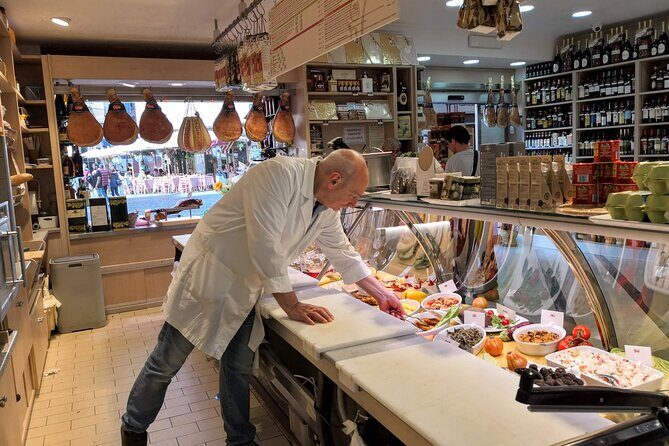
You’ll also get cheeses and hams at historic grocery-style stops, and the structure includes both quick tastings and seated stops with wine.
Food needs and allergens
Vegetarian options are available if you advise at booking. Gluten-free or dairy-free options are also listed as available. Still, the tour notes that allergens can be present in the tastings—milk, eggs, soy, mustard, nuts, and gluten. If you have serious allergies, contact the provider before you go so you get clear answers.
Who This Tour Fits Best (and Who Might Want to Adjust)
This is best for you if:
- you love eating your way through neighborhoods, not just checking boxes
- you want a private experience with room for questions
- you care about Rome’s food culture in both mainstream and Jewish Ghetto traditions
- you’ll enjoy wine tastings and want gelato from a named champion source
It might be less ideal if:
- you dislike walking on cobblestones for about 3.5 hours
- you have allergy needs that require very strict control (still possible, but you’ll want confirmation)
- you’re hoping for a “see every famous monument” day (this tour is about food zones, markets, and the neighborhoods that support them)
One small comfort detail: reviews mention guides taking care of slower walkers and not rushing people, so pacing can be adjusted to your group.
Should You Book This Rome Private Wine & Food Tour?
If you want the best value in Rome food experiences, this one is hard to beat—because you get a guided path that links markets, Jewish Ghetto classics, Trastevere pasta, 3 wine tastings, and ending gelato. The private format makes it feel like a tailored evening rather than a checklist.
Book this tour if you’re the kind of traveler who remembers flavors more than museum facts. Choose the morning version if you want peak Campo de’ Fiori market energy; choose afternoon if you like a calmer start. If you’re visiting on a Sunday, pick it for the organic market opening and the adapted approach.
If you can handle a solid walking day and you’re excited to try a mix of Roman and Jewish-heritage foods, I’d say yes. This is the kind of tour that turns Rome into something you can taste for weeks after you leave.
FAQ
Is this tour private or shared?
This is a private tour/activity, so only your group participates.
How long is the Rome wine and food tour?
It runs for about 3 hours 30 minutes.
What language is the tour offered in?
The tour is offered in English.
What’s included in the price?
The tour includes cheeses and hams, 2/3 pizza tastings, fried seasonal specialties, 2 pasta tastings, 3 wine tastings, and a gelato tasting, plus a private local guide and food-walking tour.
Are there vegetarian options?
Yes. A vegetarian option is available—advise at the time of booking.
Is there a gluten-free or dairy-free option?
Gluten-free or dairy-free options are available, if you advise ahead of time.
What’s different about Sunday tours?
On Sundays, the itinerary is adapted because many independent shops and food vendors close. The tour starts at a farmer-managed organic market and focuses on markets and open venues.
Where does the tour start and end?
It starts at Piazza Farnese (Piazza Farnese, 106, 00186 Roma) and ends at Piazza Giuseppe Gioachino Belli, 00153 Roma RM.