REVIEW · COLOSSEUM TOURS
Rome: Private Tour of the Colosseum,Roman Forum and Palatine
Book on GetYourGuide →Operated by C.I.S. Tours. · Bookable on GetYourGuide
Skip the lines, keep moving. That’s the big win with this private guided route through the Colosseum, Roman Forum, and Palatine. I like how it turns the “see the ruins” plan into a guided story you can follow—especially when you’re learning how Ancient Rome’s social classes worked.
You’ll also appreciate the time-saver: priority entry means you’re not stuck buying tickets while your patience drains. One possible consideration: you still have to pass metal-detector security at the Colosseum, and if it’s a peak-busy day, you could wait there even with fast entry.
In This Review
- Key highlights at a glance
- Why this private Colosseum–Forum–Palatine tour fits how Rome visits should work
- Where you meet: Piazza del Colosseo and the Colosseo metro start point
- Entering the Colosseum with priority entry (and how security can still affect timing)
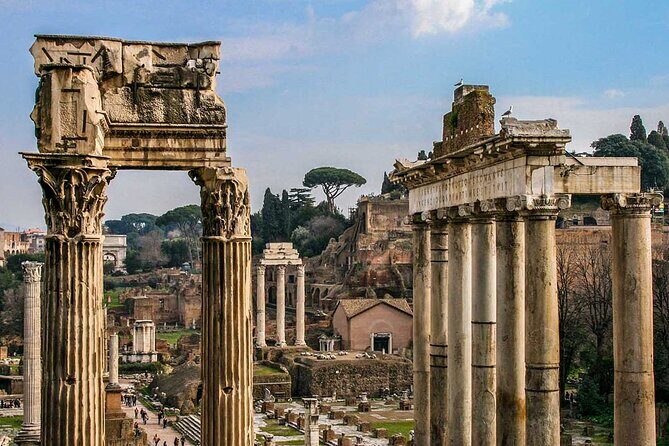
- Roman Forum: turning ruins into daily government and public life
- Palatine Hill: imperial homes, strong views, and the ruler’s perspective
- How the 3.5 hours feel on the ground (and who this private tour suits)
- Price and value: what $350.06 per person buys you
- What to bring (and what Rome will make you leave behind)
- Should you book this Colosseum–Roman Forum–Palatine private tour?
- FAQ
- How long is the Rome private tour of the Colosseum, Roman Forum, and Palatine?
- Where do we meet for the tour?
- Is the ticket line skipped?
- What’s included in the price?
- What languages are available for the guide?
- What documents should I bring?
- Is the tour wheelchair accessible?
Key highlights at a glance
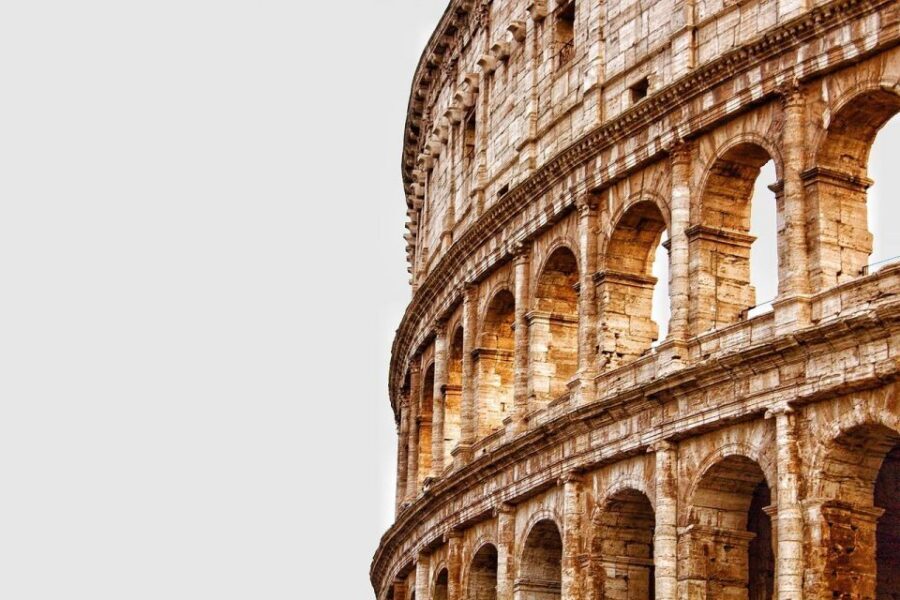
- Priority entry at the Colosseum helps you avoid the longest ticket lines
- Three guided blocks (1 hour each) keeps the pace focused: Colosseum, Forum, Palatine
- Clear context on Roman society—class divisions show up as you walk the sites
- Forum politics to sacred sites with stops tied to public life and the Sacred Way
- Palatine Hill for imperial power—you’ll connect the views to the homes of emperors and kings
- A true private group with a guide available in multiple languages
Why this private Colosseum–Forum–Palatine tour fits how Rome visits should work
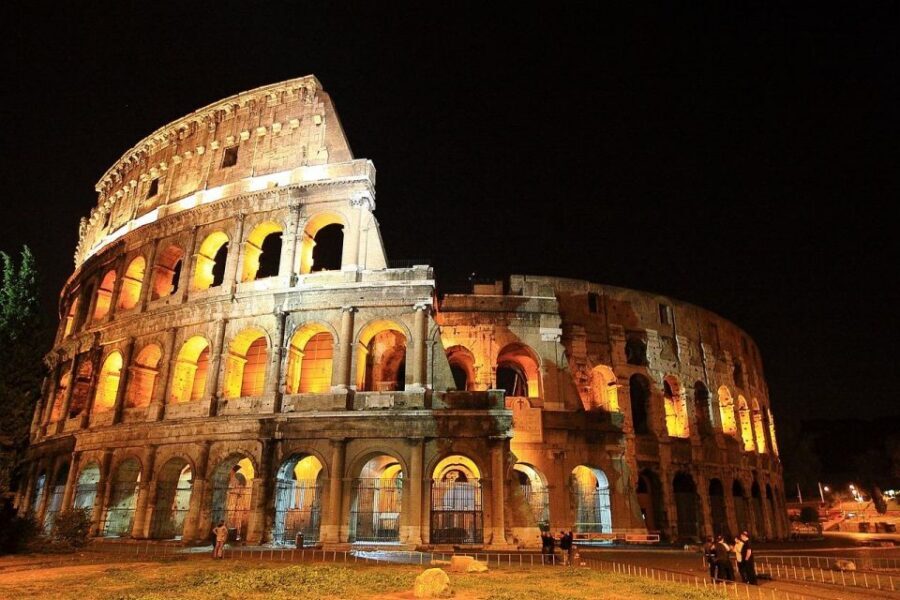
Rome’s biggest attractions have a common problem: you can spend more time queuing than learning. This is built to solve that. The route is compact—about 3.5 hours total—and each section is guided for roughly an hour, so you get momentum without racing like it’s a sprint.
The other thing I like is the structure. Instead of treating the Colosseum, Forum, and Palatine as three random photo stops, the tour connects them as parts of one power system. You’ll start with the amphitheater, then move to the heart of public life, then finish on the hill where rulers lived and displayed control. Even if you’re not a big “history person,” you’ll still understand what matters as you walk.
This tour is also designed for people who want guide time. You’ll have a live guide (not just an audio app), and the tour is private, meaning you can ask questions and keep your bearings as you go. If you like learning details that make the stones feel less like a postcard and more like a lived-in place, this style tends to land well.
You can also read our reviews of more private tours in Rome


Where you meet: Piazza del Colosseo and the Colosseo metro start point
This tour starts at Piazza del Colosseo, 21—but in practice you’ll meet in a very specific spot: in front of the Colosseum metro station, on the lower floor/ground level, near the green kiosk, looking for staff with the C.I.S. Tours sign.
No hotel pickup or drop-off is included, so plan to arrive under your own steam. I’d treat the meeting point like a mini mission. Give yourself extra minutes so you can find the sign fast and avoid losing time right at the start.
Also note the format: the activity ends back at the meeting point. That’s useful for planning a smooth afternoon. You won’t end up far away without a way back.
Entering the Colosseum with priority entry (and how security can still affect timing)
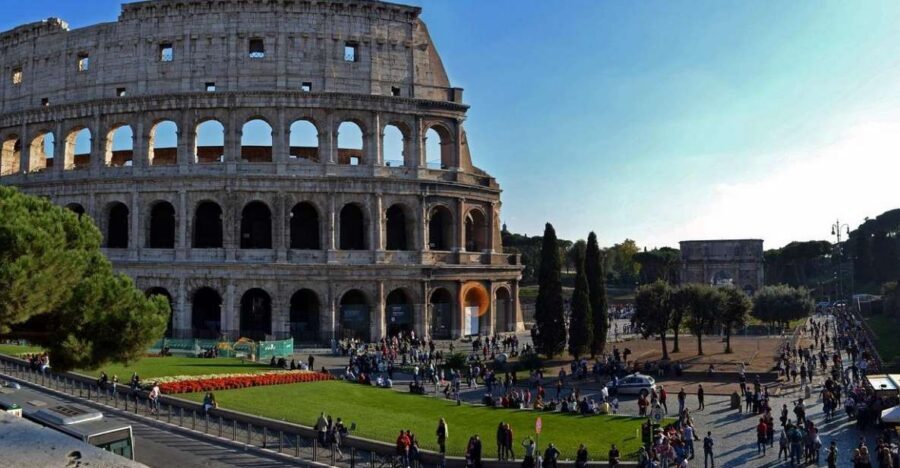
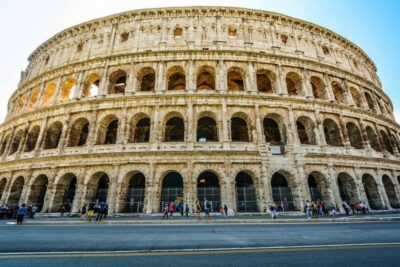
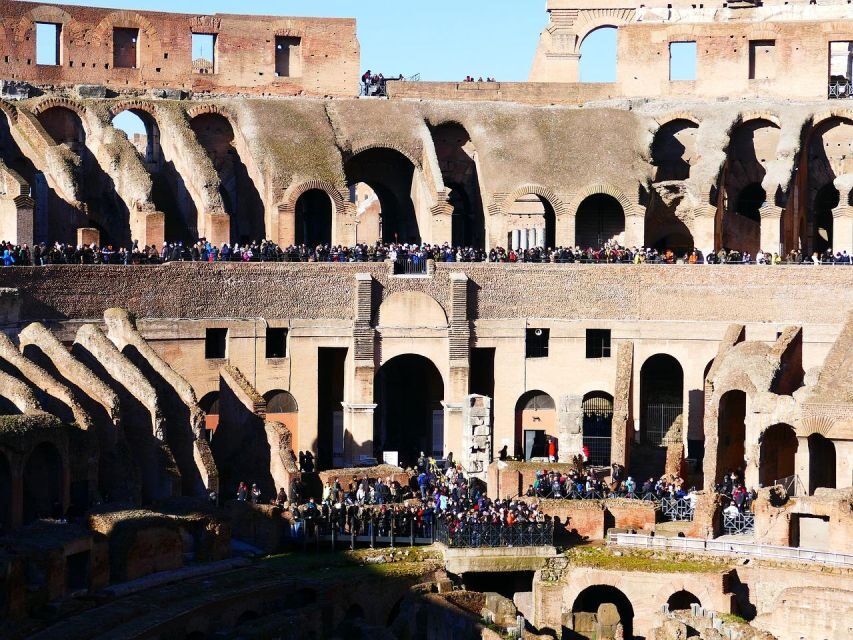
The Colosseum stop is your launch point. Your guide meets you outside, then you move into the site with privileged access, including entrance to the Colosseum and skipping the ticket line. If you’ve ever visited Rome’s top attractions, you know that one hour of “waiting with your phone at 3% battery” can feel like a full day.
That said, don’t ignore the reality on site: you must pass a metal-detector security check. The good news is it’s expected for everyone. The only caution is that when it’s busy, there may be waiting as you go through security. The priority part helps you avoid the ticket queue—not a blanket guarantee of zero waiting.
Once inside, the experience is guided for about one hour, with time for a photo stop built in. This is a good length. Long enough to understand what you’re looking at, short enough that the rest of your visit still has energy. And because you’re on a private route, your guide can pace the explanation to what you care about most—architecture, crowd flow, social status, or the “what was this used for” basics.
Roman Forum: turning ruins into daily government and public life
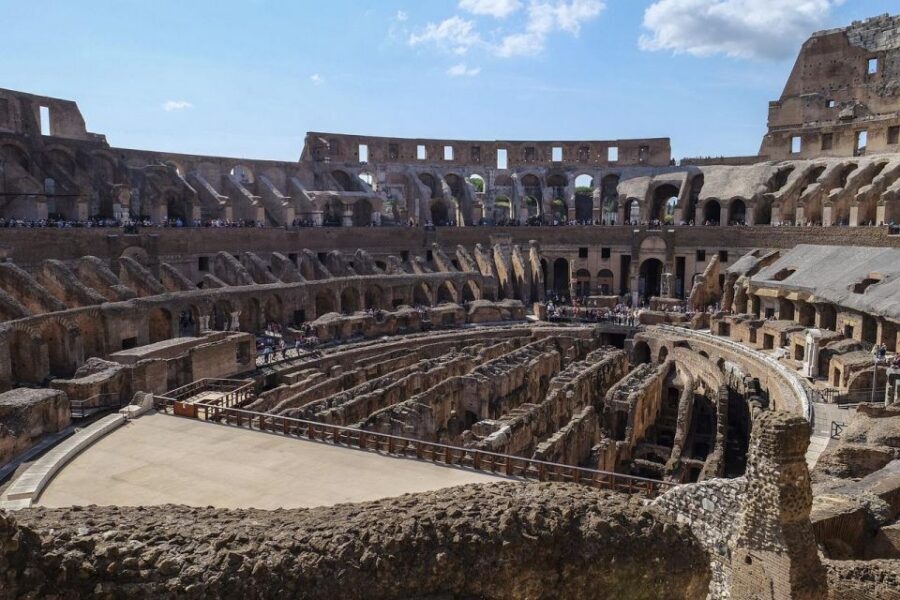
The Roman Forum is where the tour starts to feel more meaningful. You’re stepping into a place where government and public life concentrated in Roman times, so it’s not just about columns and broken walls. It’s about systems: who had power, how decisions got made, and how people experienced the city.
Your Forum portion runs about one hour with guided narration plus a photo stop. A big theme here is how Rome’s society was rigidly divided into classes. The guide helps you understand that the spaces you’re walking weren’t neutral. They were built and used around rank and status—how people interacted, where influence showed up, and who got access.
You’ll also hear about the Sacred Way, one of those spine-like routes that helps you keep your mental map straight. That detail matters. When you know the “main lines” of how people moved, the Forum stops feeling like a maze of unrelated ruins.
Practical tip: the Forum is also where you’ll want to slow down mentally even if your legs keep moving. Let the guide connect the big picture (public life and rule) to the smaller things (where you’re standing and what that area likely meant). That’s when the tour stops being sightseeing and starts being understanding.
Palatine Hill: imperial homes, strong views, and the ruler’s perspective
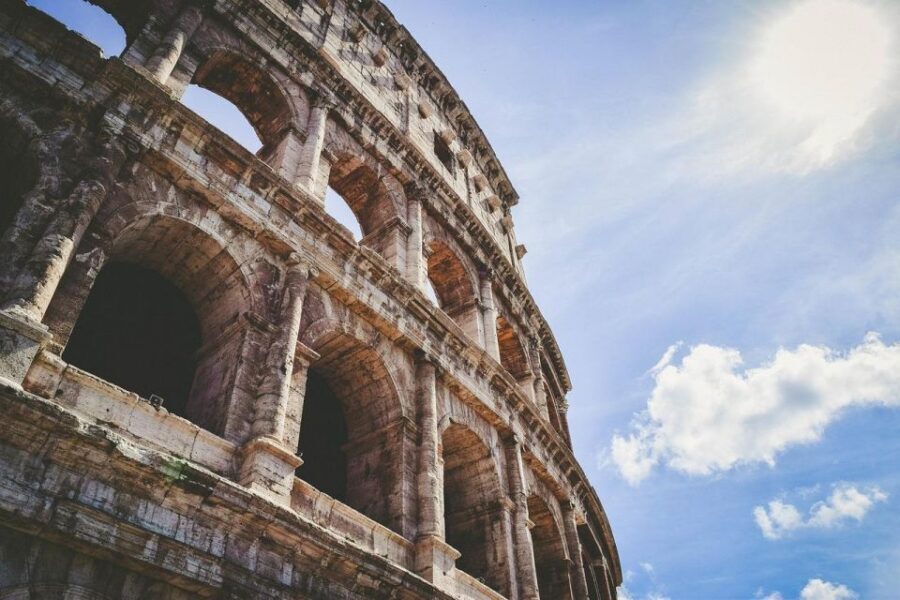
The finish is Palatine Hill, again around one hour guided with a photo stop. If the Forum is about public life, Palatine is about private power—where emperors and kings lived, and where the feel of “control from above” makes visual sense.
This area is built for perspective. The hill’s vantage points help you appreciate how rulers didn’t just govern from buildings. They were positioned so the city’s layout and movement were visible from their world. That’s the kind of connection a guide can point out as you walk.
Expect the tour to reference homes and authority: you’ll pass through places tied to the homes of ancient emperors and kings. That theme is key. Palatine can look like a collection of ruins until someone gives you the mindset: this was the residence landscape of power, not just a scenic overlook.
And because you’re ending here, your tour feels complete. You’ve seen entertainment and spectacle in the Colosseum, the machinery of public rule in the Forum, and the residency of power on the hill. Even if you don’t remember every name, the structure is memorable.






How the 3.5 hours feel on the ground (and who this private tour suits)
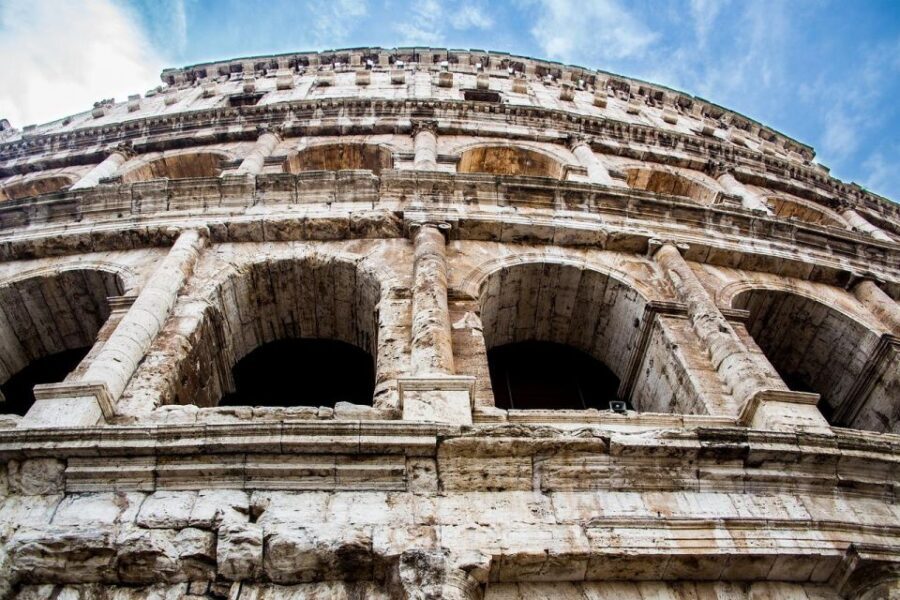
This is a private group tour that totals about 3.5 hours. That timing is a sweet spot. It’s long enough to cover three major sites with real narration, but short enough that you can still plan food or a second visit afterward.
If you’re traveling with mixed interests—say, someone who loves architecture and someone who wants stories about power and daily life—this tour usually works because each stop has its own focus. The Colosseum brings spectacle and space. The Forum brings politics and society. Palatine brings the ruler’s world and the big-picture views.
This is also a good option when you’d rather spend your time looking at the sites than managing logistics. Priority entry helps with that. You’re not trying to coordinate ticket timing in the middle of a busy day.
Two notes so you can match expectations:
- It’s not suitable for wheelchair users, since the tour format and site access aren’t listed as wheelchair-friendly.
- Starting times vary, so check availability for your preferred slot.
Price and value: what $350.06 per person buys you
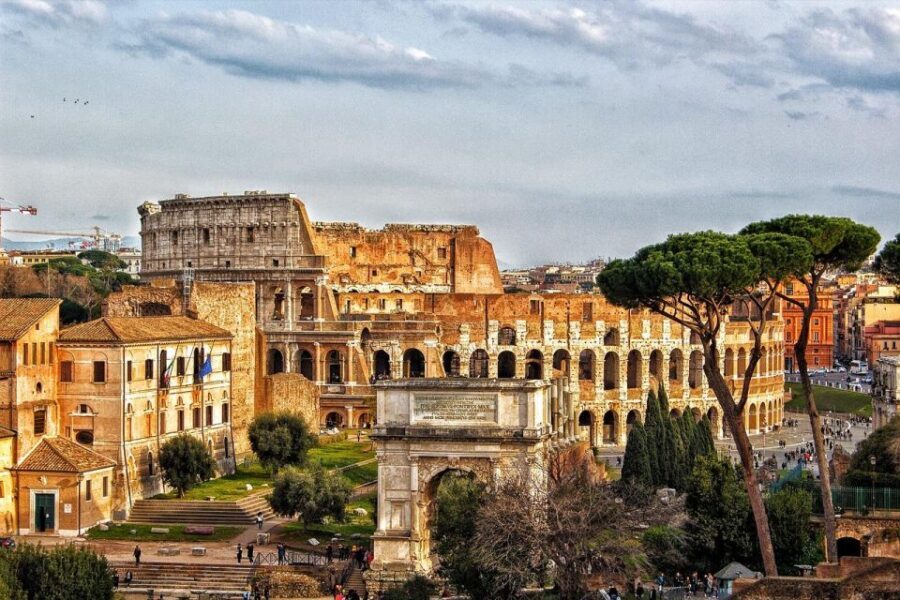
Let’s talk money plainly. At $350.06 per person, you’re paying for three things: private guiding, priority entry, and the convenience of a route that’s already planned.
Here’s where value shows up:
- You get guided time at each major site (about an hour at each stop), not one lump of generic commentary.
- Entrances are included for the Colosseum, Roman Forum, and Palatine, which removes a chunk of the decision fatigue.
- Skip the ticket line is the big stress-reliever. If your day is packed, those minutes can be the difference between enjoying Rome and feeling behind.
If you’re comparing this to doing it solo, the main question is: do you want a guide to interpret what you’re seeing? The Forum and Palatine especially reward guided context. A guide doesn’t just point at rocks—they help you understand why the spaces matter. If that’s your travel style, the price often feels more reasonable.
If you’re traveling on a strict budget and don’t care about narration, you might find cheaper ways. But if you want less line-worry and more clarity while walking, this is priced like a time-and-comfort solution, not like a “see it for free” approach.
What to bring (and what Rome will make you leave behind)
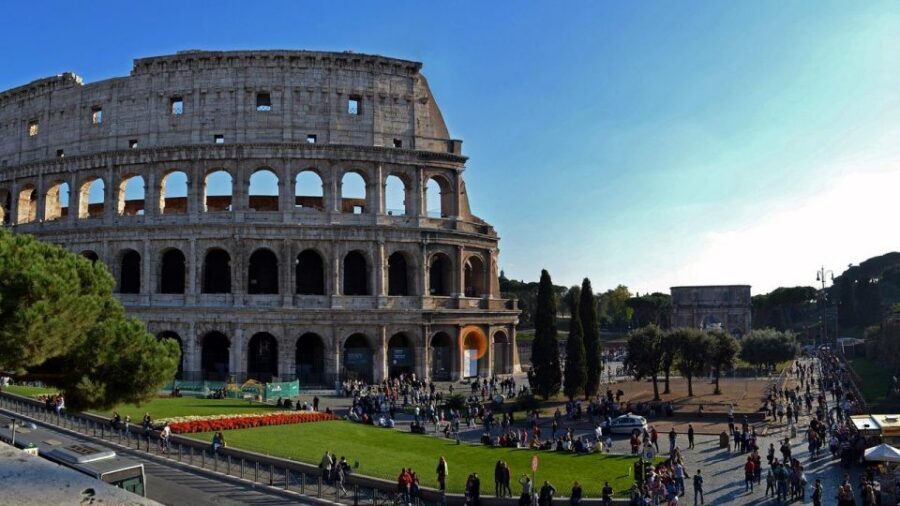
For the Colosseum and the surrounding experience, you need to think like security matters—because it does.
Bring:
- A passport or ID card. A copy is accepted.
- For children, you’ll need a passport or ID card as well (not optional).
Don’t bring:
- Weapons or sharp objects
- Luggage or large bags
- Alcohol and drugs
- Sprays or aerosols
- Glass objects
- Bags
One more important point that affects your booking: you’ll need to provide full names of all participants during booking because the name is required to secure tickets.
If you’re trying to travel light, you’ll already be closer to stress-free. Pack small, keep it simple, and you’ll glide through faster.
Should you book this Colosseum–Roman Forum–Palatine private tour?
I’d book it if you fit one of these profiles:
- You want the big three sites handled in a focused 3.5-hour plan.
- You’d rather spend energy learning than queuing.
- You like a guide who explains the “why” behind the stones, including Roman class divisions and how public life worked.
- You prefer private group pacing over herd-style wandering.
I’d skip or rethink it if:
- You rely on wheelchair access, since it’s listed as not suitable for wheelchair users.
- You’re okay with spending your day juggling tickets and timing on your own.
If you do book, look for a guide you’ll enjoy. Names can vary, but guides in this operation can be strong at connecting visuals to meaning. For example, Giovani comes up in the kind of feedback that suggests you’ll get clear explanations and practical detail.
FAQ
How long is the Rome private tour of the Colosseum, Roman Forum, and Palatine?
The tour runs about 3.5 hours.
Where do we meet for the tour?
Meet in front of the Colosseum metro station (lower floor, ground level), near the green kiosk, and look for staff with the C.I.S. Tours sign.
Is the ticket line skipped?
Yes. The tour includes priority entry and skips the queue to purchase tickets.
What’s included in the price?
Entrance to the Colosseum, the Roman Forum, and the Palatine, plus private guided tours for each area. Taxes and all costs are included.
What languages are available for the guide?
English, Spanish, French, Italian, German, and Arabic.
What documents should I bring?
You should bring a passport or ID card. A copy is accepted. For children, passport or ID card information is also required.
Is the tour wheelchair accessible?
No. It’s listed as not suitable for wheelchair users.