REVIEW · PRIVATE
Rome: Private Caravaggio Tour
Book on GetYourGuide →Operated by Through Eternity Tours · Bookable on GetYourGuide
Caravaggio turns Rome into a darkroom. This private Rome tour follows the artist through churches and galleries with an English-speaking art historian, tying what you see to the controversial life behind it. I love the scheduled moment for the Calling of St. Matthew in San Luigi dei Francesi, and I love ending in the Piazza del Popolo area with the whole Baroque setting around you.
You’ll also get a guided path that hits both the sacred and the worldly side of the city: think churches, elite institutions, and the kinds of stories that helped Caravaggio become part of Rome’s legend. It’s a smart way to understand why his paintings feel so personal, even centuries later.
One possible drawback: it’s a dense, mostly on-foot route in just 3 hours, so if you like slow roaming, you’ll feel the pace.
In This Review
- Key moments I’d put on your radar
- Where the tour really starts: Galleria Pamphilj on Via del Corso
- Doria Pamphili Gallery: set your eye before the churches
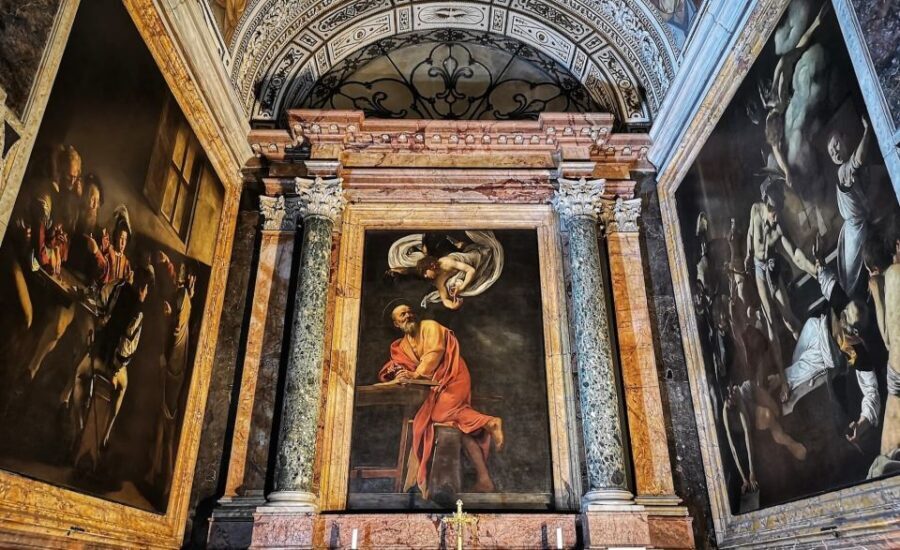
- San Luigi dei Francesi and The Calling of St. Matthew
- Basilica of St. Augustine (Sant’Agonstino): faith, patronage, and street-level reality
- Santa Maria del Popolo: where major Caravaggio scenes take over
- The Palace of the Propaganda of the Faith: power shows up in the art
- The most important Caravaggio works you’ll talk about on the walk
- Price and value: $117.82 for a private art historian-led route
- Pace, walking, and practical tips for enjoying the route
- Who should book this Caravaggio tour
- Should you book the Rome: Private Caravaggio Tour?
- FAQ
- How long is the Rome: Private Caravaggio Tour?
- Where do I meet the guide?
- Where does the tour end?
- What are the main places you visit?
- Does this tour include skip-the-line tickets?
- Is transportation or food included?
- What languages does the guide speak?
- Is it a private tour, and are there headsets?
- What should I bring?
- What is the cancellation policy?
Key moments I’d put on your radar
- Skip-the-line entrance tickets so your time goes to looking, not waiting
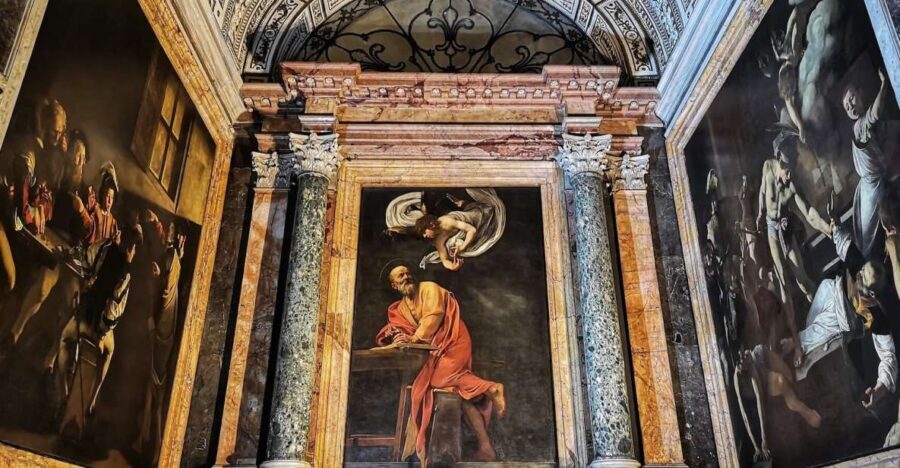
- San Luigi dei Francesi for The Calling of St. Matthew
- Doria Pamphili Gallery (guided, 1 hour) to get grounded in the art world around Caravaggio
- Santa Maria del Popolo (guided, 40 minutes) for major Caravaggio masterpieces
- Palace of the Propaganda of the Faith as a big-picture stop that explains the forces behind the art
- Headsets for groups of 6 or more, which helps in busy church interiors
Where the tour really starts: Galleria Pamphilj on Via del Corso
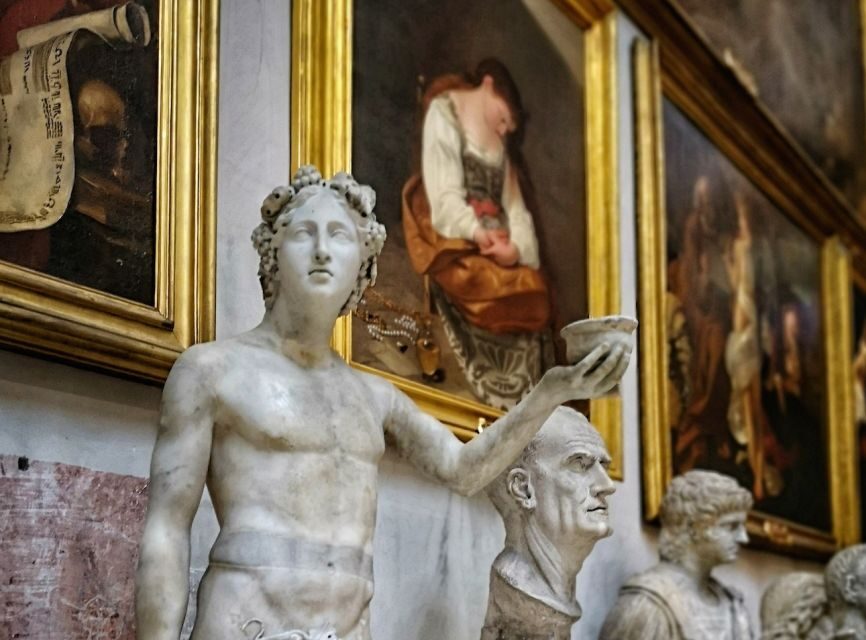
You meet your guide in front of Galleria Pamphilj, right by Via del Corso 305. The guide should have a Through Eternity Tours sign or flag, so you’re not left guessing in the middle of Rome traffic and tourist noise.
I like this start because it puts you close to the center of the action, and it makes the tour feel like a guided walk through real neighborhoods—not just a string of random ticket lines. Plus, starting with a gallery first helps you train your eye before you hit the churches.
You can also read our reviews of more private tours in Rome
Doria Pamphili Gallery: set your eye before the churches
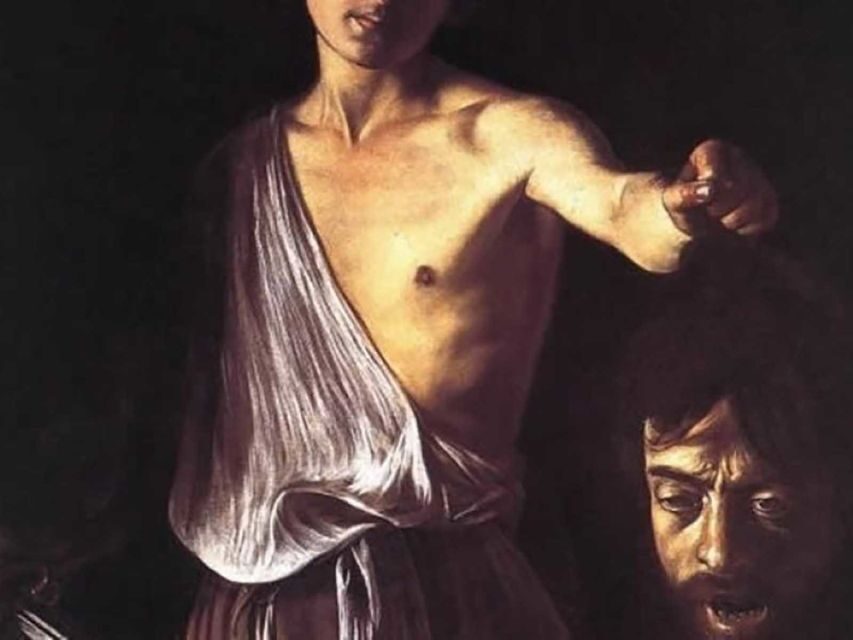
Stop 2 is Doria Pamphili Gallery, with a guided visit that lasts about an hour. This is where an art historian style of explanation really matters, because Caravaggio is the kind of painter where details connect to big stories.
The point here isn’t just to see paintings. It’s to learn how to notice what the artist is doing, and how his work fits the drama of Baroque Rome. If you’re the type who likes art, but finds museum info either too technical or too vague, this is the sweet spot: focused attention, human explanations, and enough structure to make the next stops land.
Practical note: plan for a bit of standing and slow walking inside. If you’re the kind of person who needs to take frequent breaks, bring water early and pace yourself.
San Luigi dei Francesi and The Calling of St. Matthew
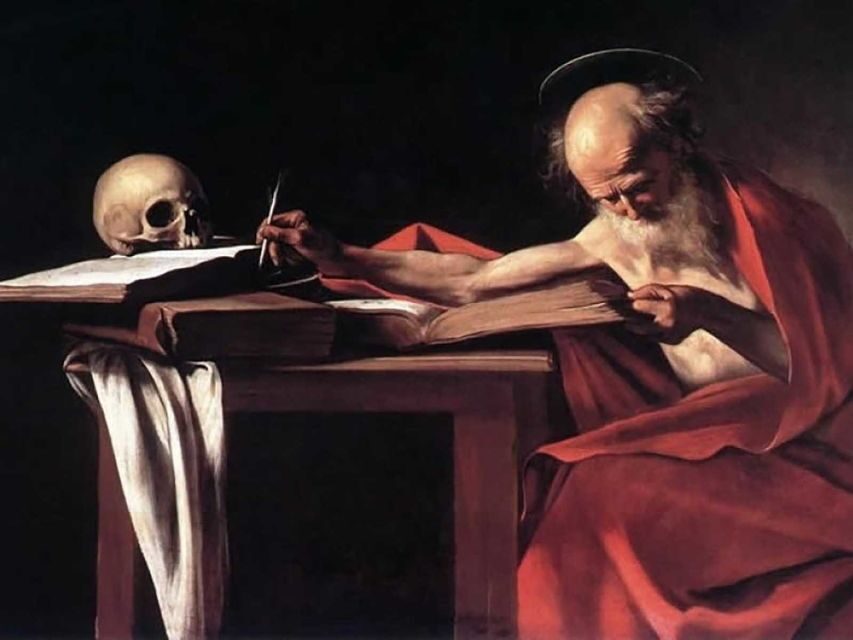
Stop 3 is the Church of St. Louis of the French, also known for the moment everyone comes for: The Calling of St. Matthew. This is where Caravaggio’s gift for making a scene feel immediate shows up best—religion treated with real drama.
Your guide will walk you through the work and connect it to Caravaggio’s life, including the way his reputation (the high and the low) became part of how people talked about his art. I find this approach makes the painting more than a photo in a guidebook. You understand why it struck viewers, not just what it depicts.
Touring this kind of church scene works best when you slow down on purpose. Don’t rush the explanation; take in the composition your guide is describing, then look again on your own for a few seconds before moving on.
Basilica of St. Augustine (Sant’Agonstino): faith, patronage, and street-level reality
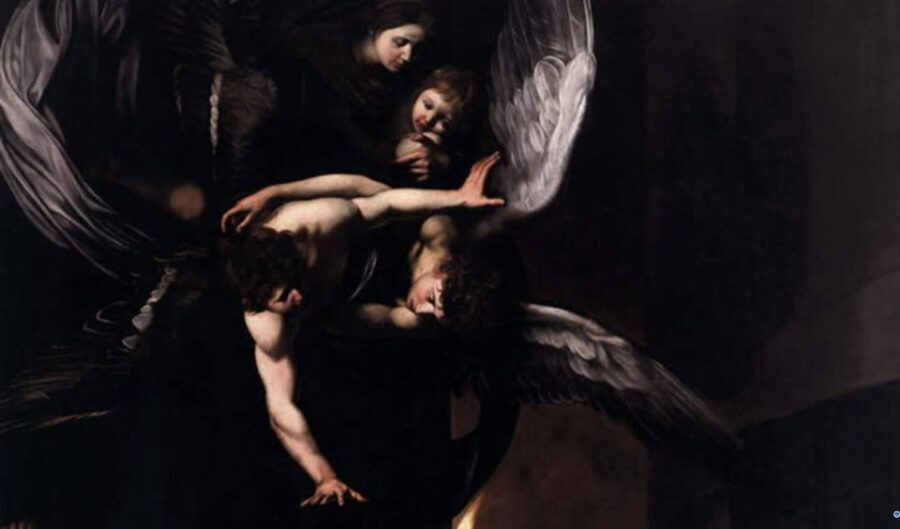
Stop 4 is the Basilica of St. Augustine for a guided visit around 40 minutes. The tour also refers to Sant’Agonstino as part of the landmarks connected to Caravaggio’s story, so you can expect the explanation to tie the religious setting to the broader world Caravaggio lived in.
What I like here is the balance. You’re not only watching paintings. You’re learning why Caravaggio’s work ended up entwined with Rome’s power structures and its less-polished life. That’s a key part of the tour theme: the confounding mix of brilliance and controversy.
A small consideration: church interiors can be cool and dim. Comfortable layers help if you run hot. Also, keep your water accessible but don’t make it a distraction mid-explanation.
Santa Maria del Popolo: where major Caravaggio scenes take over
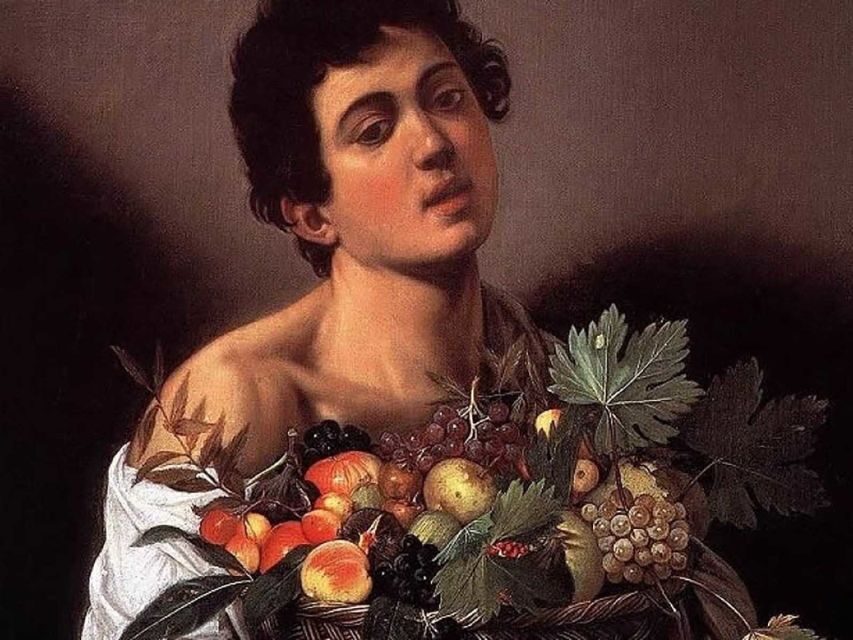
Stop 5 is Santa Maria del Popolo, guided for about 40 minutes. This is one of the biggest art stops on the route because the tour specifically sets you up to marvel at Caravaggio masterpieces here.
You’ll be guided through key works associated with the painter, including The Conversion of Saul, The Crucifixion of St. Peter, Narcissus, and Judith Beheading Holofernes. The curator-like value of the tour is that you don’t just read titles—you hear how the stories, the emotions, and the cultural setting fit together.
I also like the mental shift this stop encourages. You start thinking of Caravaggio less as a single famous painter and more as a living character in Rome’s imagination. The guide’s job is to connect the dots between his troubled life and the way the city interpreted his work.
After this, you head toward the finish in the Piazza del Popolo area, which is a great place to regain your bearings. That open space helps you reset before you continue on your own.
The Palace of the Propaganda of the Faith: power shows up in the art
One highlight on this tour is encountering the Palace of the Propaganda of the Faith. Even if you’re not a history person, this matters because it reminds you that art in Baroque Rome wasn’t made in a vacuum.
Caravaggio’s work moved through an environment where institutions cared about public meaning. When your guide points you toward this palace, they’re giving you context for the kind of attention Caravaggio could command—and the pressure he had to keep delivering dramatic, readable stories.
If you like your art explanations to have real-world stakes, this stop is one of the best value add-ons on the tour.
The most important Caravaggio works you’ll talk about on the walk
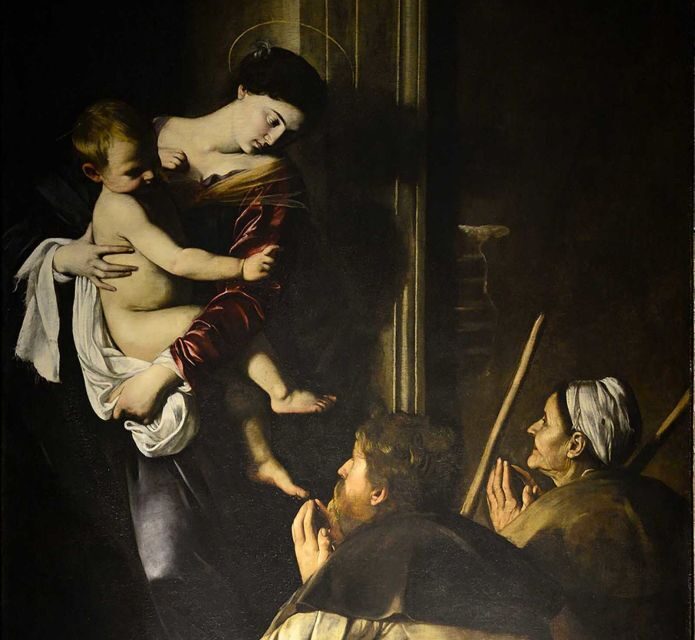
This tour is built around a set of major Caravaggio works, and you’ll discuss them with your guide as you move through the route. The tour description highlights scenes including:
- The Conversion of Saul
- The Crucifixion of St. Peter
- Narcissus
- Judith Beheading Holofernes
- Plus The Calling of St. Matthew at San Luigi dei Francesi
The practical benefit of having these specific titles is simple: you’re not just learning generalities. When someone mentions a detail—like why a scene was chosen or how people would have read it in its time—you can mentally connect it to an actual work you’ll keep remembering later.
If you’re visiting Rome for the first time, this kind of focused structure is also what makes a short tour feel worthwhile. You leave with a handful of strong anchors instead of a blur of churches.
Price and value: $117.82 for a private art historian-led route
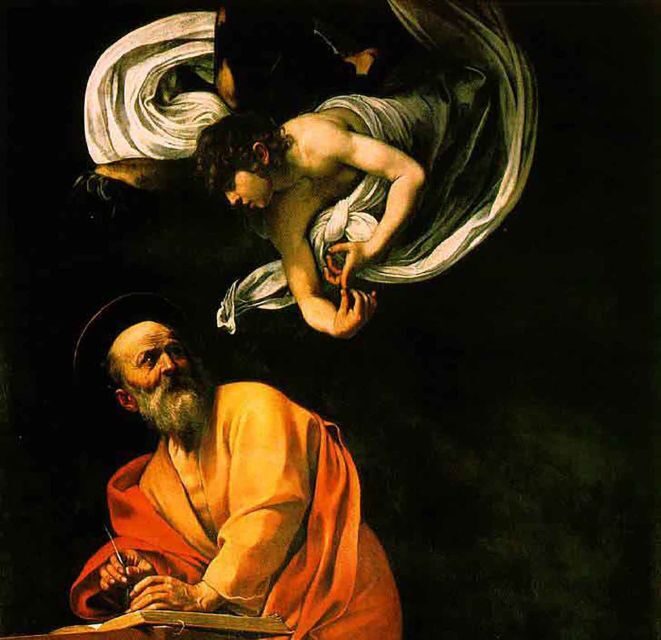
At $117.82 per person for a 3-hour private tour, you’re paying for three things: expert guidance, entry efficiency, and a concentrated route.
Here’s what you get that supports the price:
- An English-speaking private guide
- Skip-the-line entrance tickets
- All fees and taxes included
- Headsets if your group is 6 or more
- A structured walk through major sites tied to Caravaggio
What’s not included matters for budgeting:
- Transportation to and from the meeting and end points
- Food and beverages
So is it good value? For me, it’s a solid buy if you want art explained clearly and you’d otherwise be tempted to wander without a plan. It’s also worth it if you hate waiting in lines and want to maximize your limited time.
If you’re traveling with a very small group and don’t mind arranging your own entry tickets, a group tour might cost less. But you give up the private pace and the targeted explanation that makes Caravaggio click.
Pace, walking, and practical tips for enjoying the route
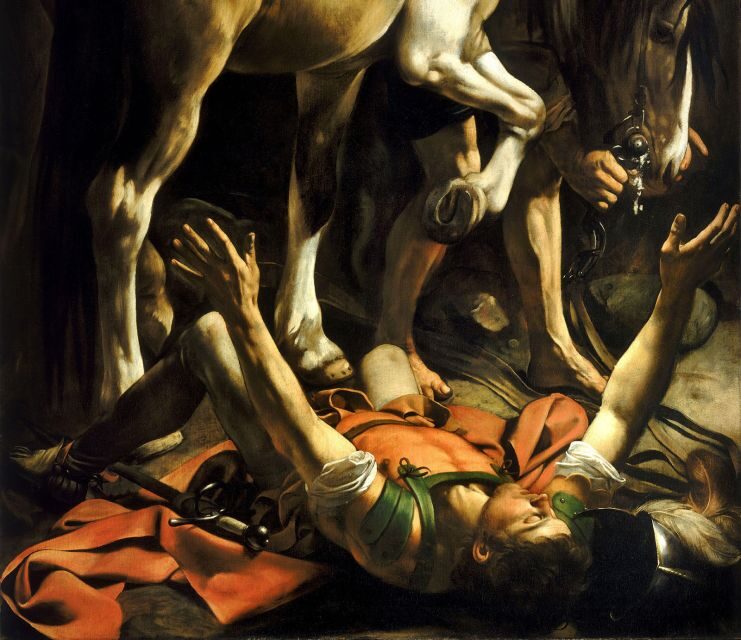
This is a city-center walking experience that includes a museum and multiple churches. The tour duration is about 3 hours, so the pace is efficient rather than relaxed.
I recommend:
- Comfortable shoes (church floors and museum walkways add up fast)
- Water, since you’re told to bring it and you’ll likely want it
- An extra mental buffer for the possibility of changes due to the Jubilee, since some monuments may be under restoration
Also keep in mind the tour is offered in English and Italian, so if you prefer one language over the other, pick based on your comfort level.
One more important note: the information says wheelchair accessible, but it also states it is not suitable for wheelchair users. If mobility is a factor for you, contact the operator with your needs so they can confirm whether this route works on the ground.
Who should book this Caravaggio tour
This is a great match if:
- You want a private, expert-led overview of Caravaggio in Rome
- You love the Baroque style and want the paintings connected to the city’s real institutions and stories
- You prefer a guided route when time is short, but you still want to stop and look
It may not be the best fit if:
- You dislike walking and want lots of independent free time
- You’re hoping for an all-day deep study session (this is tightly timed)
Should you book the Rome: Private Caravaggio Tour?
I think it’s a good booking if you want Caravaggio explained in a way that feels grounded and human, with the biggest named stops handled for you. The combination of skip-the-line access, a focused 3-hour route, and major sites like San Luigi dei Francesi and Santa Maria del Popolo makes it easy to justify.
Book it if you want a strong “starter kit” that helps you understand why Caravaggio became such a legend in Rome. Skip it if you want a slow, choose-your-own-adventure day with lots of downtime.
FAQ
How long is the Rome: Private Caravaggio Tour?
The tour lasts 3 hours.
Where do I meet the guide?
You meet your guide in front of Galleria Pamphilj. The guide should have a Through Eternity sign or flag, and the route notes Via del Corso 305 as the starting area.
Where does the tour end?
The route notes Piazza del Popolo as the finish area. The activity info also says it ends back at the meeting point, so check your confirmation for the exact ending location.
What are the main places you visit?
The tour includes Doria Pamphili Gallery, the Church of St. Louis of the French, the Basilica of St. Augustine, and the Church of Santa Maria del Popolo, ending near Piazza del Popolo. You also encounter the Palace of the Propaganda of the Faith.
Does this tour include skip-the-line tickets?
Yes. Skip-the-line entrance tickets are included.
Is transportation or food included?
Transportation to and from the meeting and end points is not included, and food and beverages are not included.
What languages does the guide speak?
The live tour guide speaks English and Italian.
Is it a private tour, and are there headsets?
Yes, it is a private group tour. Headsets are provided for groups of 6 or more.
What should I bring?
Bring comfortable shoes and water.
What is the cancellation policy?
You can cancel up to 24 hours in advance for a full refund.