REVIEW · MUSEUMS
Rome: Private Capitoline Museums Tour
Book on GetYourGuide →Operated by Rome Guides · Bookable on GetYourGuide
Rome has a way of teaching you fast. This private tour threads the big pieces of ancient Rome together, starting outside in Capitoline Square and ending with views over the Roman Forum. I like that you’re led through major artifacts with clear context, not just a checklist, and you also get the museum’s star symbols up close, like the She Wolf.
Two things I especially like: first, you begin in Capitoline Square, shaped by Michelangelo, which makes the museum feel like part of the city, not a standalone stop. Second, you get the message behind the famous statues, including the Marcus Aurelius bronze and where it all sits in the story of Rome.
One consideration: this experience is not recommended for people with limited mobility, and wheelchair users are not suitable. There’s one elevator, but it does not serve all levels of the museum, and the tour runs rain or shine.
In This Review
- Key highlights worth planning around
- Capitoline Square: where the tour story begins
- Meet at Marcus Aurelius: the fastest way to get oriented
- Entering Rome’s oldest public antiquities collection
- The She Wolf: the symbol of Rome in context
- Marcus Aurelius Exedra and the bronze statue
- Capitoline Temple of Jupiter ruins: when statues meet space
- Roman Forum views: the best kind of museum exit
- What 2.5 hours with a private guide is really worth
- Logistics that affect your day (more than you think)
- Should you book this tour? My straight answer
- FAQ
- How long is the Rome Private Capitoline Museums Tour?
- Where do we meet our guide?
- Is this tour private?
- What’s included in the price?
- What’s not included?
- Are luggage bags and video recording allowed?
- What languages are offered?
Key highlights worth planning around
- Capitoline Square opens the show with Michelangelo’s design, right where you meet at the Marcus Aurelius statue.
- Oldest European public antiquities collection: created at the end of the 15th century under Pope Sixtus IV.
- She Wolf symbol of Rome: the kind of image you recognize instantly, but you learn what makes it matter.
- Marcus Aurelius Exedra and bronze statue: both are key anchor points for understanding Roman imperial art.
- Ancient Capitoline Temple of Jupiter ruins: you don’t just see objects; you connect them to real sites.
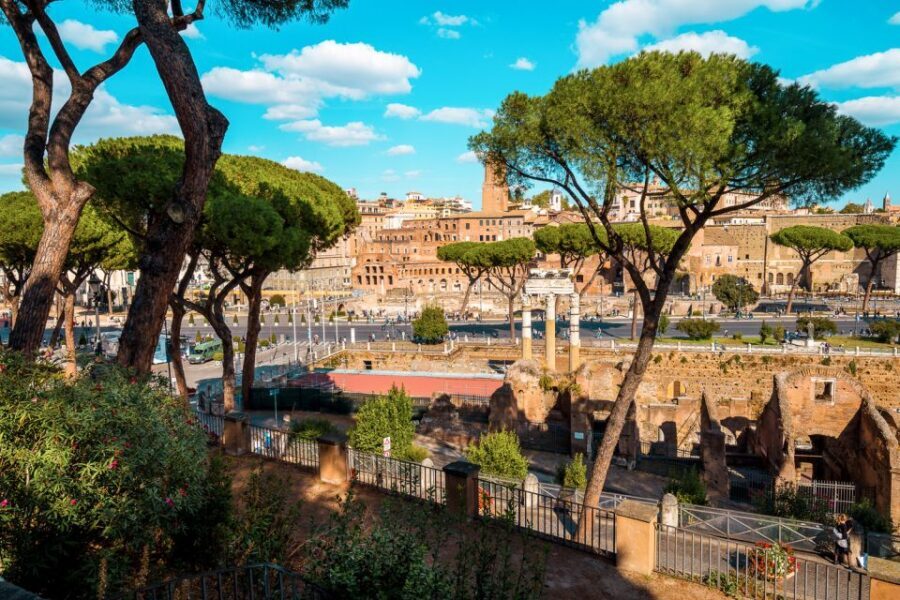
- Roman Forum views from inside the museum: your payoff is built into the route, not an afterthought.
Capitoline Square: where the tour story begins
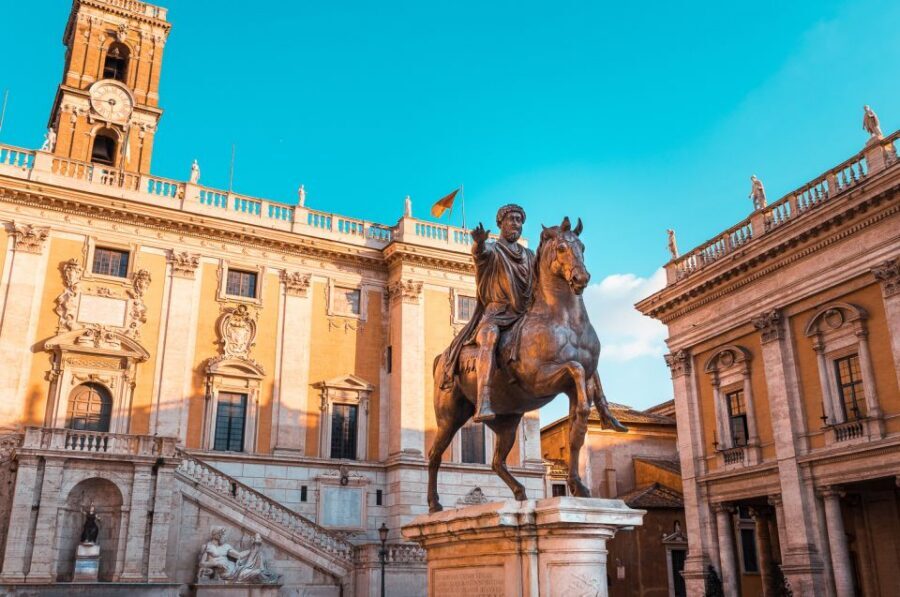
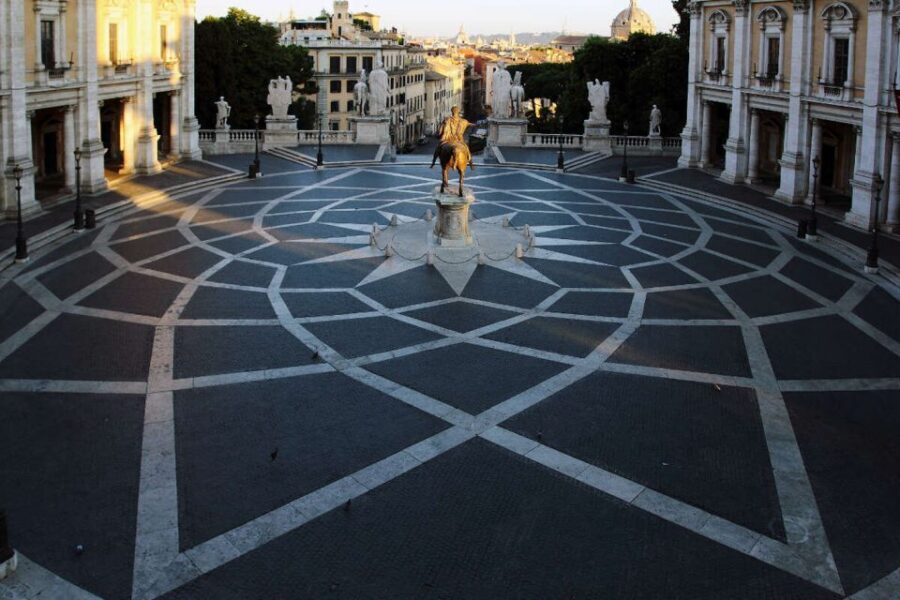
You start in Capitoline Square, a dramatic staging area that instantly makes sense of why this museum exists where it does. Michelangelo designed the square’s layout, and it helps you understand the Capitoline Hill as a power center—something Rome built and rebuilt over time. Even before you step into the museum, you’re already standing in the “big picture” of the city.
This matters because the Capitoline Museums aren’t just about collecting old things. They’re set up to help you see how different objects and sites connect—almost like a guided puzzle where the clues are sculptures, architectural pieces, and the view lines back toward the Forum. A private guide helps you make those connections instead of wandering through rooms and hoping it all clicks.
You can also read our reviews of more private tours in Rome



Meet at Marcus Aurelius: the fastest way to get oriented
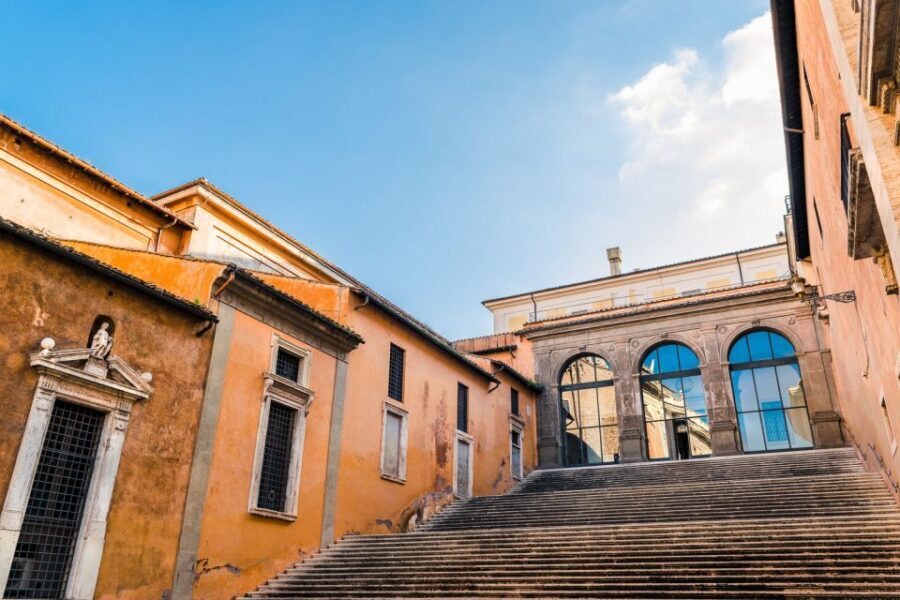
Your guide meets you in the middle of the square, in front of the statue of Marcus Aurelius. The guide holds a sign with your name and issues your tickets. That small detail matters more than it sounds. On busy museum days, having someone direct you to the correct entrance and get you started without confusion is real value.
Also, starting right at the Marcus Aurelius statue gives you a living “reference point” for what you’re about to see inside. When you later encounter the museum’s Marcus Aurelius sections—especially the Marcus Aurelius Exedra and the bronze statue itself—you’ll recognize the theme faster. It’s a simple trick, but it makes the tour feel cohesive.
If you get a guide like Vincenzo (Vincent), you can expect high energy and lots of story-focused context. If you’re with Martina, the tone is friendly and practical, with helpful tips about how to connect what you’re seeing to the rest of your Rome day.
Entering Rome’s oldest public antiquities collection

Once you’re inside, you’re looking at one of Europe’s major heritage stories: the museum contains the oldest European public collection of antiquities, established by Pope Sixtus IV at the end of the 15th century. That early date changes the feel of the visit. This isn’t just a museum of ancient Rome—it’s also a museum about Renaissance-era collecting and showing off Rome’s past to the public.
The tour’s approach is designed to help things fit together. You’ll move through highlight areas where marble and bronze statues show up as both art and evidence. You’ll also learn why certain works are famous—especially when they became symbols that later generations used to explain what Rome stood for.
This is where a private guide pays off. In a self-guided visit, you might recognize names like Marcus Aurelius or She Wolf, but you can miss why they’re linked to specific spaces and sequences. With a guide, the order feels intentional, like someone is handing you the “why” along the way.
The She Wolf: the symbol of Rome in context
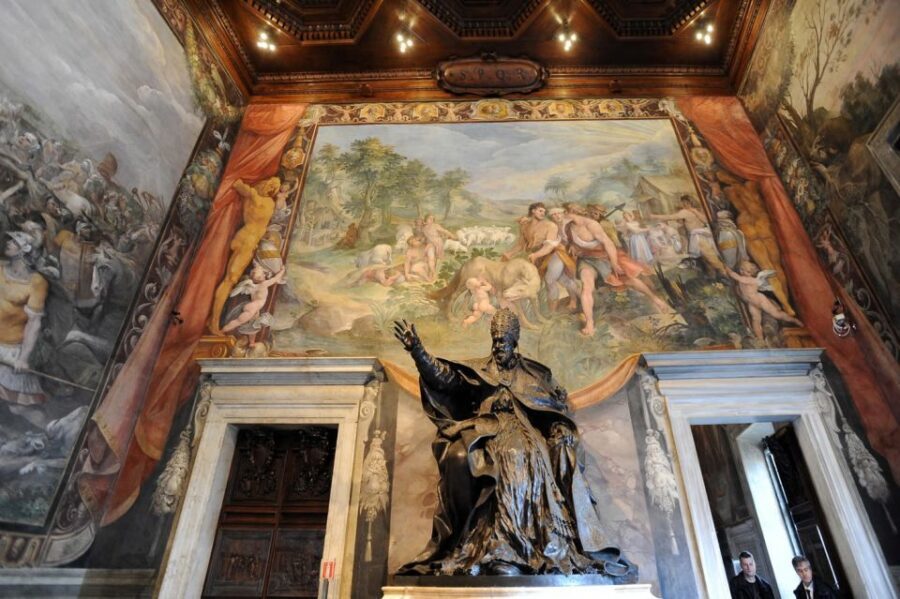
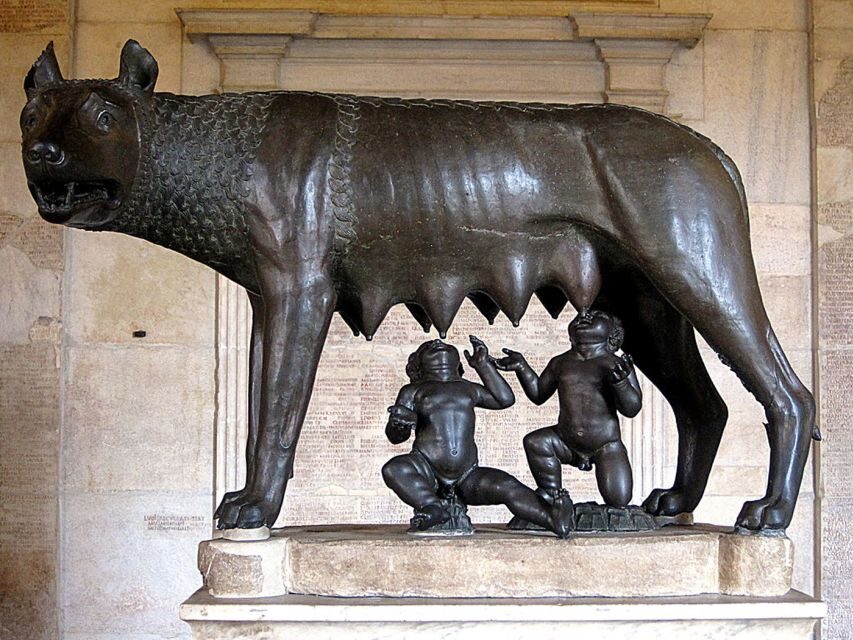
No matter how many photos you’ve seen, the She Wolf hits differently in person. It’s one of those images you instantly connect to Rome’s identity. But the real value of the tour is how it explains what the symbol represents and why it became so important.
On this tour, you don’t treat the She Wolf as a random highlight. You see it as part of the broader way the museum organizes Roman identity through sculpture. The guide helps you connect the symbol to the wider narrative of the city—how Rome tells its own story by elevating certain figures and images.
Also, the tour flow keeps the experience from feeling like a museum sprint. The She Wolf is timed so you’re fresh enough to actually take it in, and then you move on to a deeper imperial layer with Marcus Aurelius.
Marcus Aurelius Exedra and the bronze statue
The next big anchor is the Marcus Aurelius Exedra, followed by the bronze statue of Marcus Aurelius. The tour specifically calls out that the bronze statue dates back to the 2nd century A.D. That’s a detail worth holding onto while you look, because it helps you imagine the long life of Roman art—how something made in the imperial era can still function today as a cultural reference point.
The Exedra is especially useful for first-time visitors because it creates a setting for the story. You’re not just looking at a standalone sculpture. You’re seeing how the museum uses architectural space to frame meaning. A private guide helps you understand what you’re looking at beyond the surface, without turning the experience into a lecture.
This is one of the most praised aspects of the tour style. The guides tend to steer you toward the core pieces and make sure you don’t miss what matters. That also means you spend your limited time learning the key connections, instead of guessing which room is worth your attention.
You can also read our reviews of more museum experiences in Rome





Capitoline Temple of Jupiter ruins: when statues meet space
After the Marcus Aurelius section, you can admire the archaeological ruins of the ancient Capitoline Temple of Jupiter. This is the moment where the museum feels less like an indoor archive and more like a crossroads of locations. You’re seeing remnants tied to a major religious and political center, which helps the sculptures make more sense.
If you’ve ever felt museum objects are too far removed from their original setting, this stop is a fix. Even when you’re only seeing ruins rather than a fully restored structure, it gives your brain a real spatial reference. It’s easier to understand why Romans treated certain places as stages for power, ritual, and public identity.
It also sets up the final part of the tour perfectly: you’ll end with views over the Roman Forum, and those ruins make the skyline feel connected to what you’re about to see.
Roman Forum views: the best kind of museum exit
The payoff comes at the museum itself: incredible views over the Roman Forum. Many tours promise a view, but this one builds it into the route, which is a big difference. You’re not rushing out to chase photos before closing time. Instead, you finish while still in “museum mode,” with enough context to recognize what you’re looking at.
From the Capitoline area, the Forum is more than a famous landmark—it’s the setting behind Rome’s public life. When you reach this viewpoint after seeing the She Wolf and the Marcus Aurelius pieces, the images feel linked to power and identity rather than just scenic background.
Practical note: because the tour happens rain or shine, you may need to plan for weather. If it’s wet, you’ll still get the view, but the light may change how clearly you see details. Either way, it’s a strong ending because it gives you a last moment of meaning.
What 2.5 hours with a private guide is really worth
At $135.94 per person for a 2.5-hour private tour, this isn’t a “cheap and fast” option. But it also isn’t overpriced for what you’re getting—especially because tickets are included and you have a professional local guide for the whole run.
Here’s how I think about the value:
- You’re paying for time saved and context gained. A museum like the Capitoline can be packed with names and details, and a guide helps you convert that into understanding.
- The private format matters because it keeps the pacing aligned with you. You can spend longer at the pieces that hook you and move past what doesn’t.
- The tour includes both top highlights and the best finish: the Forum views. That combination is hard to recreate on your own in the same efficient order.
This is also one reason the duration works. At 2.5 hours, you’re not stuck for a half-day. You’ll likely finish with energy left for other Rome stops, rather than feeling museum-fatigued.
Logistics that affect your day (more than you think)
A few on-the-ground rules can shape how smooth your visit is.
First, there’s no luggage or large bags allowed. If you’re traveling with a bigger bag, it may force you to adjust your timing or storage plans. Second, video recording isn’t allowed. If you like recording highlights, switch your focus to photos and note-taking instead.
Language options are English and Italian, and it’s a private group. That usually means fewer distractions and a more focused conversation with your guide.
Weather isn’t a dealbreaker. The tour happens rain or shine, so pack for the conditions and expect that the museum experience will continue regardless of the sky.
Accessibility is the biggest practical snag: it’s not suitable for wheelchair users, and people with limited mobility should avoid it. The museum has one elevator, but it does not serve all levels, so you may still face stairs and uneven movement between areas.
Should you book this tour? My straight answer
If you want a smart first visit to the Capitoline Museums, I think this is worth booking—especially for first-timers or anyone who likes their museum time guided and efficient. The tour’s strongest points are the full narrative arc: Michelangelo’s Capitoline Square, the She Wolf, the Marcus Aurelius stops, the ruins of the Temple of Jupiter, and then the Roman Forum views to wrap it up.
I’d skip it or consider another format if mobility is a concern. The restrictions and elevator limits are real, and this tour isn’t set up for wheelchair-friendly pacing.
If you’re the type who enjoys learning how famous pieces connect to Roman identity and city space, book it. If you’re happy wandering and don’t need help deciding what matters most, you might do fine on your own. But if you only have limited time in Rome, this private, highlight-focused route is the cleanest way to make the museum feel like a story, not a maze.
FAQ
How long is the Rome Private Capitoline Museums Tour?
The tour lasts 2.5 hours.
Where do we meet our guide?
Meet your guide in front of the statue of Marcus Aurelius, in the middle of Capitoline Square. The guide will hold a sign with your name.
Is this tour private?
Yes. It’s a private group tour.
What’s included in the price?
Included are tickets, a professional local guide, and the private tour.
What’s not included?
Hotel pickup/drop-off, private transportation, and food and drinks are not included.
Are luggage bags and video recording allowed?
No. Luggage or large bags are not allowed, and video recording is not allowed.
What languages are offered?
The live tour guide is available in English and Italian.