REVIEW · PRIVATE
Rome Photo Masterclass: Private Tour & Workshop
Book on Viator →Operated by Travel Photo Tours in Rome · Bookable on Viator
Golden Hour turns Rome into your camera’s best friend.
This private photo masterclass focuses on how to see and frame the city, not just where to stand. You’ll get hands-on guidance from Marco Bulgarelli, an award-winning Rome-based photographer, while moving through historic sights and quieter streets.
I especially love two things: the way Marco teaches technique for both cameras and smartphones, and the stop-by-stop variety that mixes famous monuments with less-obvious angles and city details. You’ll also get critique and practical help for setting up shots with real people and real backdrops.
One consideration: this is a 4-hour walking session with multiple photo stops, so you’ll want comfortable shoes and a bit of stamina—even if you’re only there to shoot with your phone.
In This Review
- Key things that make this Rome photo tour work
- Golden Hour and honest framing: the real point of the masterclass
- Meet Marco Bulgarelli: coaching you can actually use
- A 4-hour plan that hits iconic Rome without feeling like a stampede
- Spanish Steps: setting up your project before you shoot
- Trevi Fountain: using angles to avoid the obvious shot
- Pantheon: quick photo sprint, high impact
- Piazza del Campidoglio: Capitoline Hill and subtle views
- Monumento a Vittorio Emanuele II: classic and unusual angles
- Mercati di Traiano and the Fori Imperiali: stone texture and “Rome close-up”
- Colosseum: unique angles that actually change your photo
- Roman Forum: alternative route photography that feels less crowded
- Street, travel, and portrait skills you practice (not just hear about)
- What to bring and how to plan your day
- Private tour value: why $240.05 can make sense
- Should you book the Rome Photo Masterclass?
- FAQ
- How long is the Rome Photo Masterclass?
- Who leads the tour and workshop?
- Where do you meet and where does the tour end?
- Is this a private tour?
- What kinds of photography does the workshop focus on?
- Do I need a camera, or can I use a smartphone?
- Are there minimum age requirements?
- Are admission tickets required at the stops?
- What if it rains?
Key things that make this Rome photo tour work
- Marco Bulgarelli’s teaching style mixes demo, coaching, and honest feedback so you improve fast
- Golden Hour planning means the timing shifts with sunset so the light stays flattering
- Real technique, not just sightseeing: street, travel, portrait, and urban framing skills
- Famous stops plus smart angles at the Spanish Steps, Trevi, Pantheon, Forum, and Colosseum
- You can bring a non-photographer friend who joins for free while you focus on photos
Golden Hour and honest framing: the real point of the masterclass
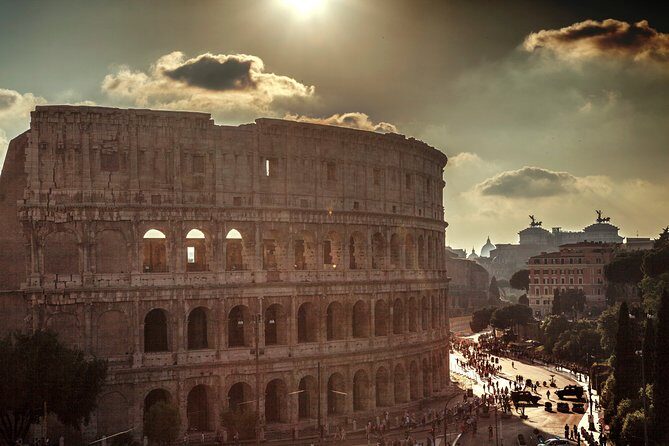
Rome has a way of making even simple photos look dramatic. The tricky part is knowing how to frame what you’re seeing so your pictures don’t turn into postcard copies. This masterclass is built around that exact problem: you learn how to compose Rome, especially during the best light window.
The timing matters. The afternoon start can shift based on sunset, so you catch Golden Hour when stone turns warm and shadows get softer. And if it rains, the tour leans into it—less for comfort, more because the mood and reflections can make images feel more poetic.
The bonus is that you aren’t stuck at one viewpoint. You move through different scenes so you build a small collection of images that look like a story, not a checklist.
You can also read our reviews of more private tours in Rome
Meet Marco Bulgarelli: coaching you can actually use
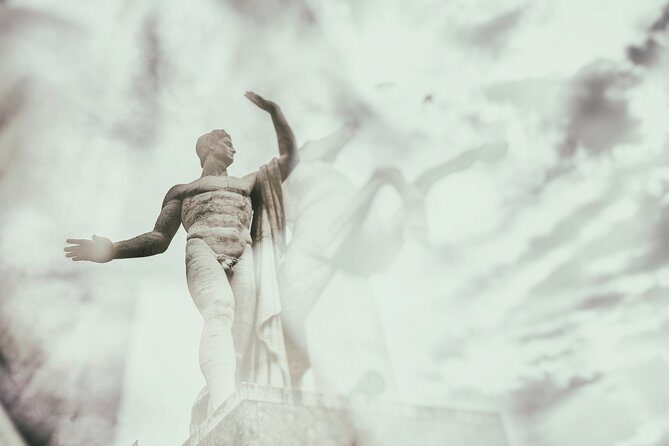
Marco Bulgarelli isn’t just a guide who knows the city. He teaches, explains, and adjusts based on what you’re trying to do. The teaching is repeatedly described as patient, practical, and focused on improving your results, with critique aimed at what to change next.
What makes this especially valuable is that Marco can work with different skill levels. Your group can include beginners, amateurs, and advanced photographers using a camera or a smartphone. That flexibility is rare in workshops, and it means you’re not left either way: either lost at the basics or bored if you already know your settings.
Marco’s approach also highlights something many people miss in Rome: how the message of your photo changes when your composition changes. You practice turning a busy street or monument into a clearer frame—often by simplifying what’s in front of you and guiding attention through lines, angles, and timing.
A 4-hour plan that hits iconic Rome without feeling like a stampede
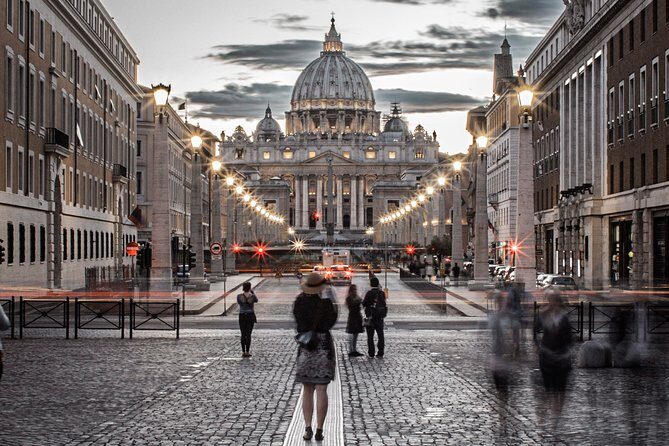
This private experience lasts about four hours and moves at a photo-focused pace. The group stays small because it’s private—only your group participates—so you can ask questions and get help without blending into a crowd.
You’ll start at Piazza di Spagna, 85 and finish near the Colosseum (Piazza del Colosseo, 1). Meeting near public transportation makes it easier to arrive without stress, and you won’t waste time figuring out logistics once you’re there.
There’s also built-in flexibility. You can personalize the itinerary with options like Piazza Navona, Castel Sant’Angelo, and St. Peter in the Vatican area along the river, or even choose a churches-focused route. That means the masterclass can match your interests rather than feeling fixed.
Spanish Steps: setting up your project before you shoot
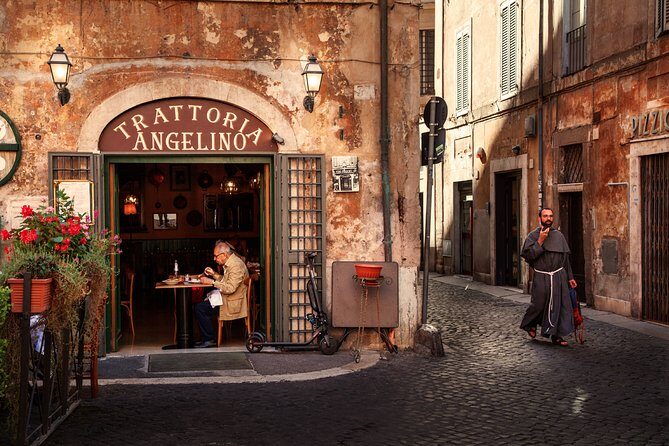
You start with a short introduction and a plan for building a photography project. This matters more than it sounds. A lot of people shoot Rome as a set of separate photos. Marco’s method pushes you toward images that connect—similar style, consistent framing choices, or a clear theme.
At the Spanish Steps, you do the first major practice stop. The session is about urban framing through an alternative shooting route, so you’re not only stuck shooting the most obvious angles. Even in 30 minutes, it’s enough time to try multiple compositions and learn what changes when you move a few steps.
A good tip for this stage: decide what you want your series to feel like. Street and portrait work often starts with a simple goal—like capturing gesture, motion, or how people interact with the architecture—then you adjust your position to match.
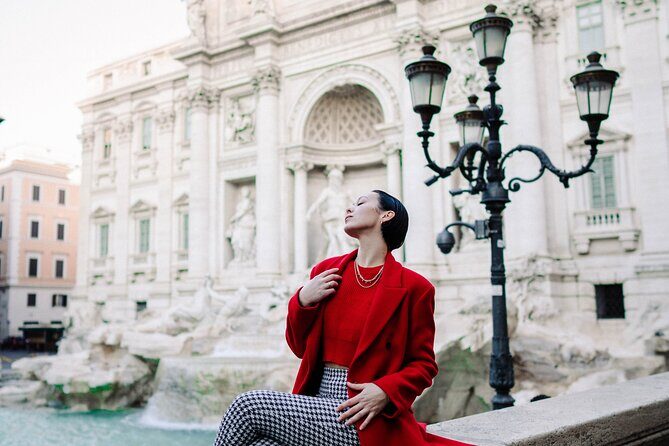
Trevi Fountain: using angles to avoid the obvious shot
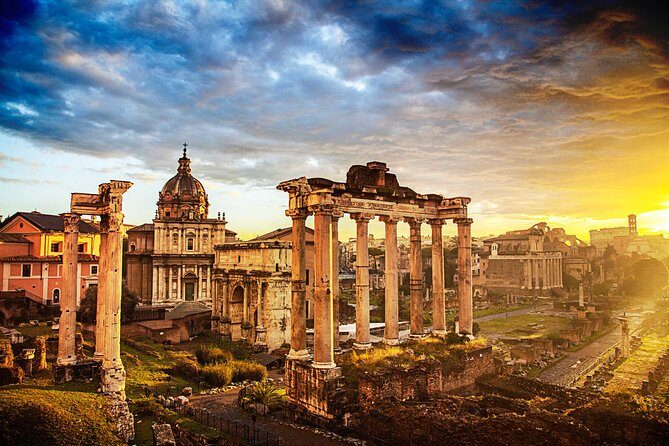
Trevi Fountain is famous for a reason. But it’s also a magnet for the exact same photo everyone tries to take. Here, you’re not just there to get the monument in the frame. You spend time shooting from various angles around Trevi, so your results look more intentional and less repetitive.
In 30 minutes, expect to practice small shifts: changing your height, rotating your lens toward side details, and composing with the fountain as a backdrop rather than the only subject. This stop is especially useful if you want portraits or travel-style photos that still include Rome’s identity.
If you’re photographing with a smartphone, this stop can train you fast. You’ll learn to control what’s dominant in the frame and how to keep the subject readable even when the background is crowded.
You can also read our reviews of more tours and experiences in Rome


Pantheon: quick photo sprint, high impact
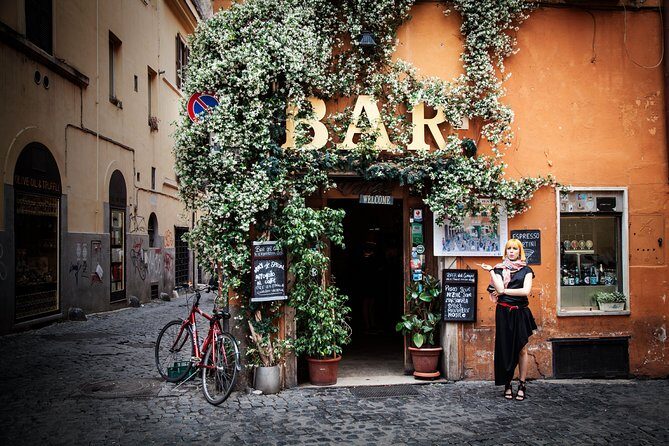
The Pantheon stop is shorter—about 15 minutes. That’s actually a good thing in a workshop. You learn how to move with purpose: find a composition, test it, shoot, then move on.
The goal here is to capture a stunning photo, likely by using the monument’s strong geometry and clean lines. Quick stops like this help you build a habit: don’t overthink while you’re standing there. Use your coach’s guidance, run a couple of variations, and lock in the shot you’re after.
If your goal is portraits with Rome’s big landmarks behind you, this short stop can also teach you how to separate your subject from a strong architectural background.
Piazza del Campidoglio: Capitoline Hill and subtle views
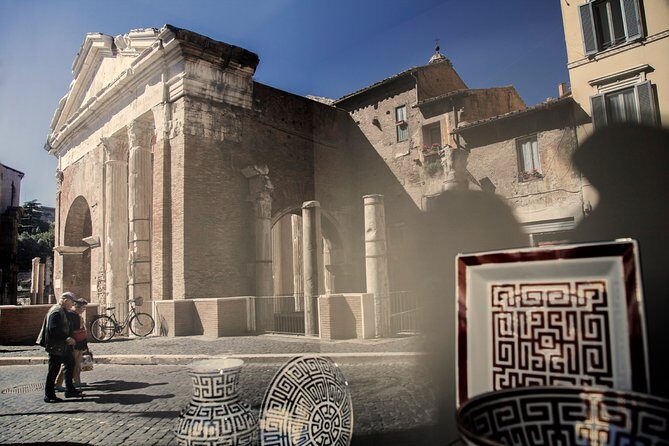
Piazza del Campidoglio is a classic spot for photographers because it offers strong perspective. You shoot the Capitoline Hill and surrounding areas, which means you get more than one kind of image opportunity—both architectural and more human-in-the-frame moments.
You’ll spend about 30 minutes here, which gives you time to explore angle changes without rushing. This is also a nice moment to slow down slightly. After the heavier icon moments, the views here often help you build a calmer, more composed series.
The practical value: you learn how to use vantage points. Instead of always shooting straight-on, you practice composing from different corners and letting lines guide the eye.
Monumento a Vittorio Emanuele II: classic and unusual angles
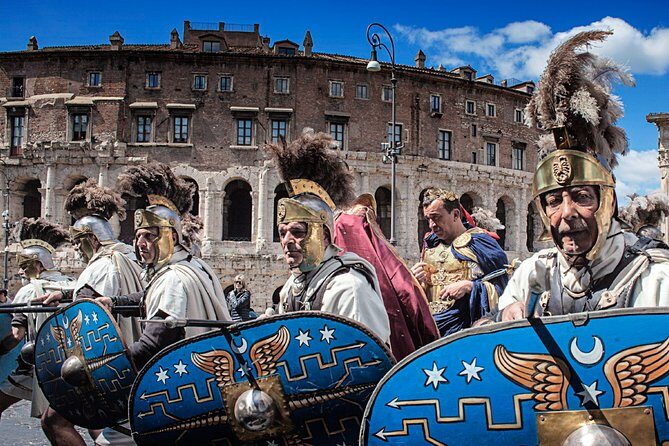
This stop is where Marco’s ability to think beyond the obvious pays off. You shoot the monument from many different angles, including some classic looks and some unusual ones.
Spend about 30 minutes here. That’s enough time to try a few styles: one “safe” approach that gives context, and a couple of experiments that make your photo series feel more personal. With a private coach, you can ask for what to try next rather than guessing.
If you want travel photography that looks like you found your own composition, this is one of the stops that can deliver that.
Mercati di Traiano and the Fori Imperiali: stone texture and “Rome close-up”
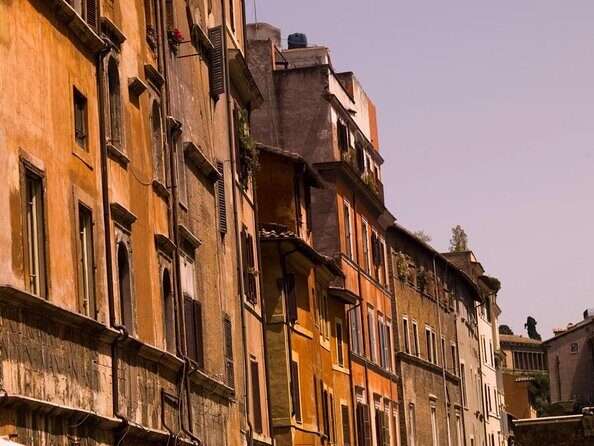
The Mercati di Traiano area offers a different flavor from the top-tier postcard icons. Here you shoot Trajan’s Market from various angles, focusing on how the structures sit and repeat.
You spend about 30 minutes at this stop, and it’s ideal for practicing detail work. Instead of always going wide, you can learn to frame patterns, edges, and layers—useful skills for both street and portrait photography because they teach you how to simplify a complex setting.
This is also the kind of location where rain can help. Wet stone and softer light can make texture show up better, which can make your “close-up Rome” images feel extra cinematic.
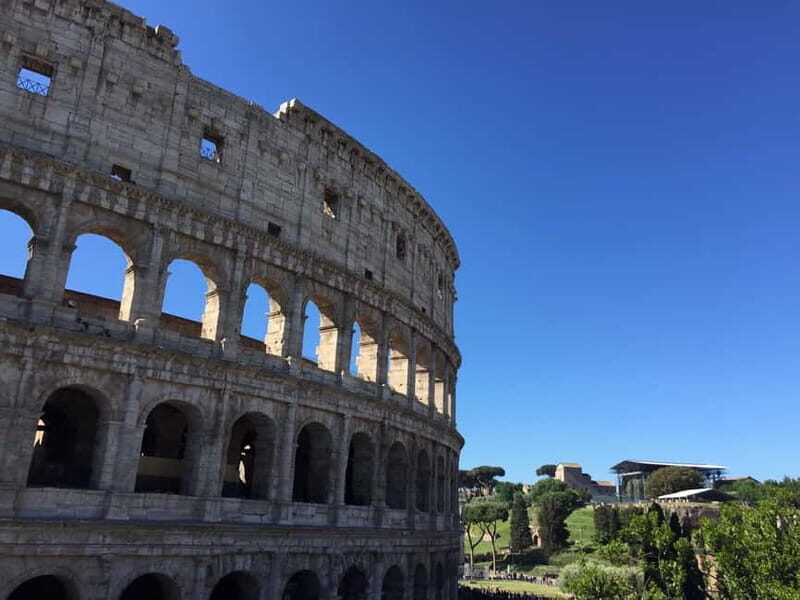
Colosseum: unique angles that actually change your photo
The Colosseum stop gets about 45 minutes. That extra time matters because the building rewards patience and repositioning. If you only shoot it once, your photos often look like everyone else’s. With more time, you can test variations and choose what fits your project.
The key here is unique angles. Marco pushes you to move and rethink the composition. You’re not just photographing the monument; you’re building a set of images that show the Colosseum as a subject with shape, depth, and mood.
This is where portrait-style practice can pay off too. If you incorporate people into your frames (where it makes sense), you can learn how to keep them clear while still using the Colosseum for dramatic context.
Roman Forum: alternative route photography that feels less crowded
The Roman Forum stop is about 30 minutes and focuses on shooting all the Roman Forums following an alternative way. The practical win is that you’re pushed to explore rather than just follow the most common visual path.
That changes your results. Your photos can end up feeling more lived-in and less like a set of landmark shots. The Forum is also excellent for travel photography because it has layers of time—and your framing decisions determine whether that complexity feels chaotic or cinematic.
A good way to use this stop: pick one compositional rule for your series. For example, commit to a perspective choice—like leading lines through arches—or a subject choice—like emphasizing people against a wide historical backdrop.
Street, travel, and portrait skills you practice (not just hear about)
The tour is designed around four themes: urban scenes, travel photography, street photography, and portrait photography. The clever part is that these themes aren’t separate activities. They blend.
You learn how to identify interesting frames, how to shoot people in a way that feels natural, and how to handle the background so it supports the subject. You also practice settings and composition guidance that can apply whether you’re using a phone or a camera.
If you want one clear takeaway, it’s this: you stop thinking like a tourist holding a camera and start thinking like a photographer building a point of view. In the reviews, people specifically mention learning to set up images more critically and learning tools they can keep using at home.
Also, Marco’s teaching is described as using your interests as a starting point. If you go in with a goal—street focus, portrait focus, or travel story style—you’ll get more out of the coaching.
What to bring and how to plan your day
For a 4-hour shoot, comfort beats gear fantasies. Wear comfortable shoes and bring a small bottle of water, because you’ll be moving between stops and doing active positioning.
Gelato, pizza, or coffee breaks can happen any time during the tour. That’s not just a nice perk; it helps you reset your eyes and keep your energy steady for Golden Hour light.
Bring a camera or smartphone. Marco’s instruction is built for both. If you’re using a smartphone, don’t assume it’s “less serious.” The point is learning composition and how to make your subject stand out, and that works on any device.
Private tour value: why $240.05 can make sense
At $240.05 per person for about four hours, this isn’t a budget “sit and look” sightseeing deal. But it can be strong value because you’re buying direct coaching, not just access to landmarks.
Here’s the value logic:
- You get a private setting with hands-on help and critique
- You learn framing and technique you can use long after Rome
- The stops are admission-free at each listed photo stop, so you’re not layering surprise entry fees into your day
- Your session includes shooting time and teaching time, not just walking between spots
If you’re traveling as a couple or with a friend, that partner can join for free if they’re not photographing. That can lower the per-person cost of the experience for the people who want to learn.
The smart way to decide is simple: if you want your photos to improve in a structured way, paying for a dedicated coach can be worth it. If you only want a few quick monument shots, you might be happier putting that money toward a guided history tour plus your own photo time.
Should you book the Rome Photo Masterclass?
Book it if you want your Rome photos to look intentional: strong framing, better portrait and street instincts, and a small series you can practice with later. This is especially good if you’re the type who already shoots (camera or phone) and wants feedback that tightens your results.
You might skip it if you’re mainly hunting for a relaxed, purely sightseeing day with minimal walking. Also, if you don’t care much about technique—only about taking a few landmark pictures—then you may find the coaching component less important.
FAQ
How long is the Rome Photo Masterclass?
The experience runs for about 4 hours.
Who leads the tour and workshop?
The tour is led by Marco Bulgarelli, an award-winning local photographer and National Geographic contributing photographer, and he speaks English.
Where do you meet and where does the tour end?
It starts at Piazza di Spagna, 85, 00187 Roma RM, Italy and ends near the Colosseum at Piazza del Colosseo, 1, 00184 Roma RM, Italy.
Is this a private tour?
Yes. It’s private, and only your group participates.
What kinds of photography does the workshop focus on?
The focus includes urban scenes, travel photography, street photography, and portrait photography.
Do I need a camera, or can I use a smartphone?
You can participate with either a camera or a smartphone.
Are there minimum age requirements?
Yes, the minimum age is 12 years.
Are admission tickets required at the stops?
All listed stops show admission ticket free.
What if it rains?
The tour notes that if it rains, the mood can become more poetic and the photos can become more expressive.