REVIEW · ROME
Rome: Pasta & Tiramisu Class with Free Flowing Fine Wine
Book on GetYourGuide →Operated by The Roman Food Tour · Bookable on GetYourGuide
This is the kind of Rome meal class that actually sticks. You’ll learn handmade pasta and tiramisu from scratch in a family-run restaurant setting, then sit down to a 3-course meal based on what you cooked. Along the way, you can sip fine wine, prosecco, or water as you work.
What I like most is the hands-on focus. You’re not watching from a distance. You’ll roll up your sleeves, get technique tips, and (instructors like Nina, Patrick, Lisa, Jan, and Irene have been mentioned by name) keep things fun while you learn.
One consideration: this class is not suitable for gluten intolerance. If gluten is an issue for you, skip this and look for a gluten-free option elsewhere.
In This Review
- Key Highlights You’ll Care About
- Step Into the Kitchen Rhythm of Rome
- Handmade Pasta: What You Learn, and Why It’s Useful
- Tiramisu From Scratch: The Dessert Section That Converts
- Wine While You Cook: The Social Advantage
- Your 3-Course Meal: Eating What You Made
- Timing, Group Energy, and How to Plan Your Day
- Dietary Options and the Gluten Catch
- Value for $46: What You’re Paying For
- Who This Is Best For (and Who Should Skip)
- Should You Book This Rome Pasta & Tiramisu Class?
- FAQ
- How long does the Rome pasta and tiramisu class last?
- What’s included in the price?
- Is the class taught in English?
- Can I get wine or prosecco during the class?
- What dietary options are available?
- Is this class suitable for gluten intolerance?
- Where do I meet the group?
- Is the class refundable if my plans change?
Key Highlights You’ll Care About
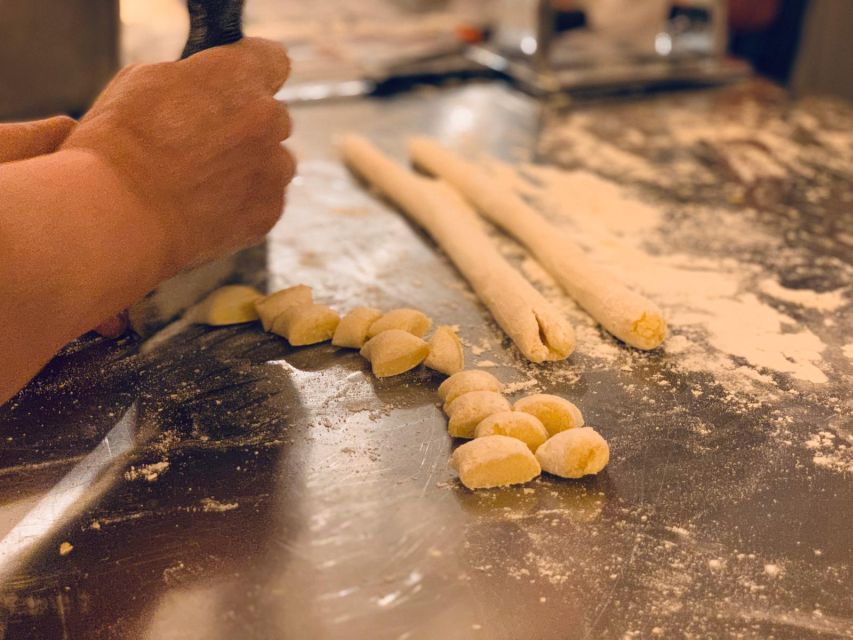
- Family-run Rome setting with a real kitchen rhythm, not a demo show
- Handmade pasta techniques you can repeat later at home with the recipes provided
- Tiramisu made from scratch, not assembled from shortcuts
- Free-flowing wine or prosecco while you cook and dine
- English instruction plus dietary options like vegetarian, vegan, and lactose intolerant
- A social dinner vibe where you can share the meal with fellow classmates
Step Into the Kitchen Rhythm of Rome
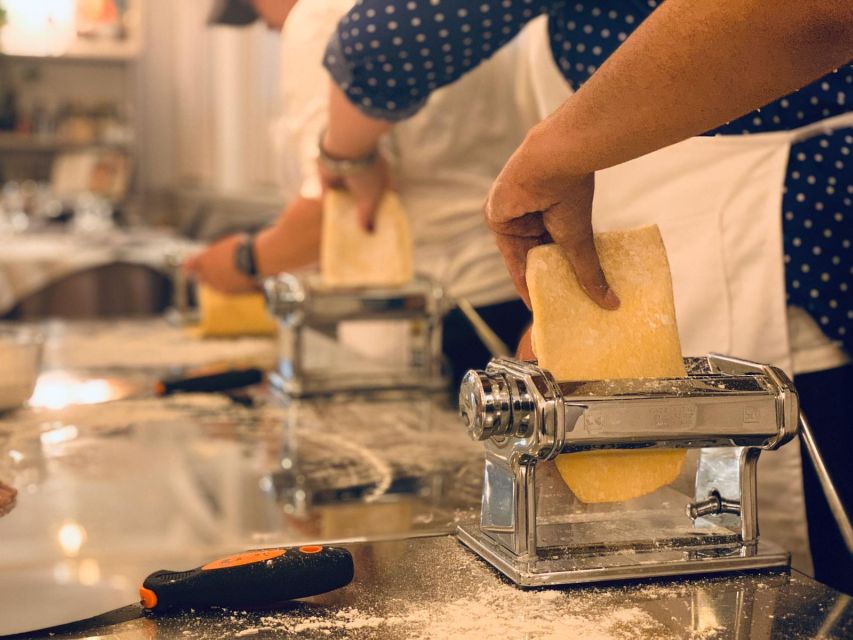
Rome cooking classes can feel staged. This one leans practical. You start in a family-run restaurant environment where the pace is human: you learn, taste, adjust, and then eat what you made.
The setting matters because pasta and tiramisu are not just recipes. They’re texture and timing. When you’re taught by an English-speaking instructor (names that come up include Nina and Patrick), you’re better able to translate instructions into real dough and real dessert.
You also get that Rome-through-food context. During the process, you’re essentially learning how people build flavor in everyday Italian kitchens, not just plating a photo-ready dish.
You can also read our reviews of more tours and experiences in Rome.



Handmade Pasta: What You Learn, and Why It’s Useful
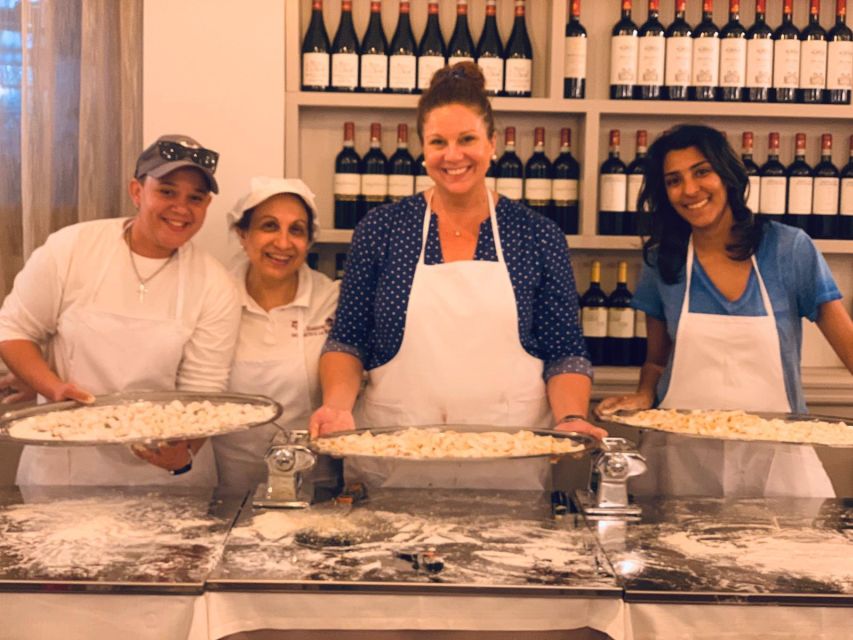
The pasta part is the heart of the experience. You’ll make dough from scratch and work it into something you can cook and plate. The teaching focus is on technique—how to handle dough, how to work it evenly, and how to keep your pasta from turning into sticky frustration.
What makes this valuable for you is that these are repeatable skills. Pasta dough is mostly about feel. If you learn what the dough should look and feel like (and you get tips during the process), you’re not guessing when you try again at home.
Some instructors mentioned by name, like Patrick and Jan, are described as keeping everyone moving and giving clear tips and tricks. That matters because pasta can go from perfect to overworked quickly. A good guide helps you fix issues while there’s still time to correct them.
And yes, you’ll get recipes to take home. That’s a big deal. You’re leaving with more than dinner—you’re leaving with a plan.
Tiramisu From Scratch: The Dessert Section That Converts
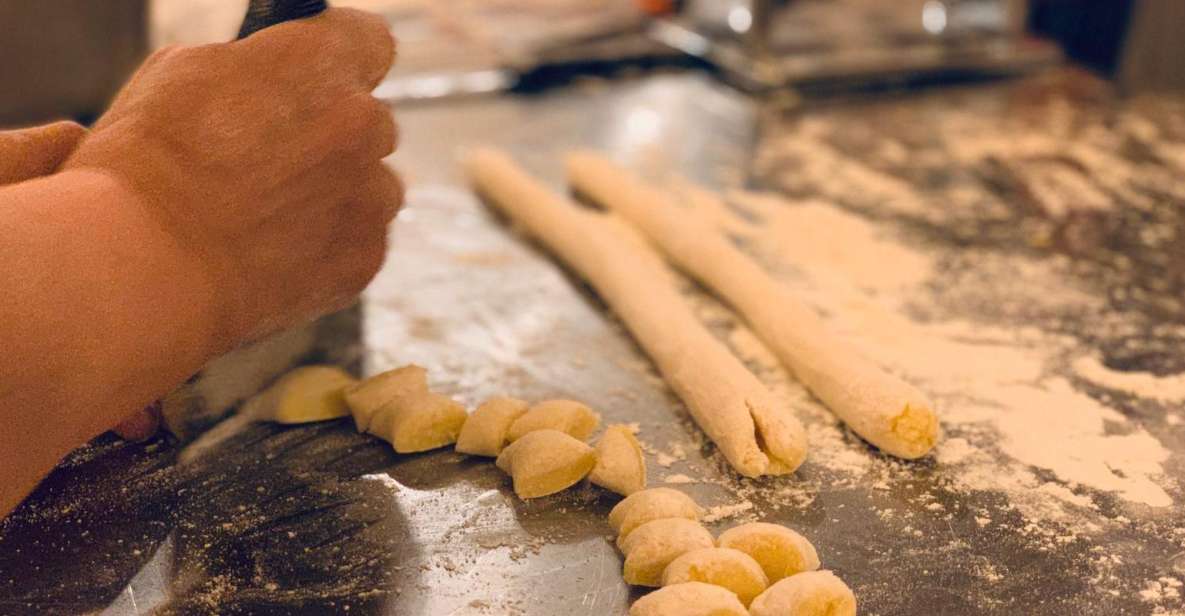
Tiramisu is the easy-sounding dessert that can still go wrong. This class treats it like real cooking, not shortcut assembly. You’ll learn how to make it from scratch and build it as a proper dessert, not just a layered effort.
The most practical part is that you’re doing it hands-on. You’ll understand how the components come together and how to get the right balance so it tastes like what you ordered in Rome, not like a generic version.
In the class vibe, you’ll also get coaching that helps you avoid common mistakes. People describe instructors as funny and encouraging, like Irene, who reportedly keeps the energy light while still teaching. That’s a great setup for something as fiddly as dessert.
Wine While You Cook: The Social Advantage
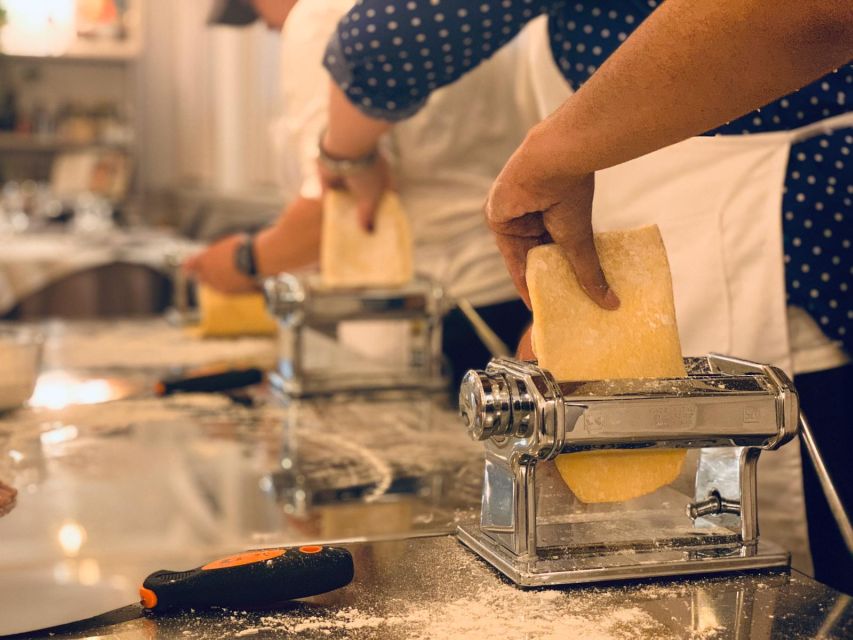
Free-flowing wine (or prosecco) changes the tone. Not in a party way, but in a how-does-this-feel-in-the-moment way. When you’re working with dough and cream, a relaxed group atmosphere makes it easier to focus and not rush.
This class gives you choice: you can sip fine wine, prosecco, or water. That’s nice because you can match the drinks to your comfort level. And because it’s included, you won’t spend your night doing mental math at the bar.
One of the most repeatedly praised points is the social side. People mention meeting fellow travelers from other countries and even sitting together for dinner. If you’re coming to Rome solo or you just want to avoid eating alone, this is a built-in way to turn a meal into a shared evening.
Your 3-Course Meal: Eating What You Made
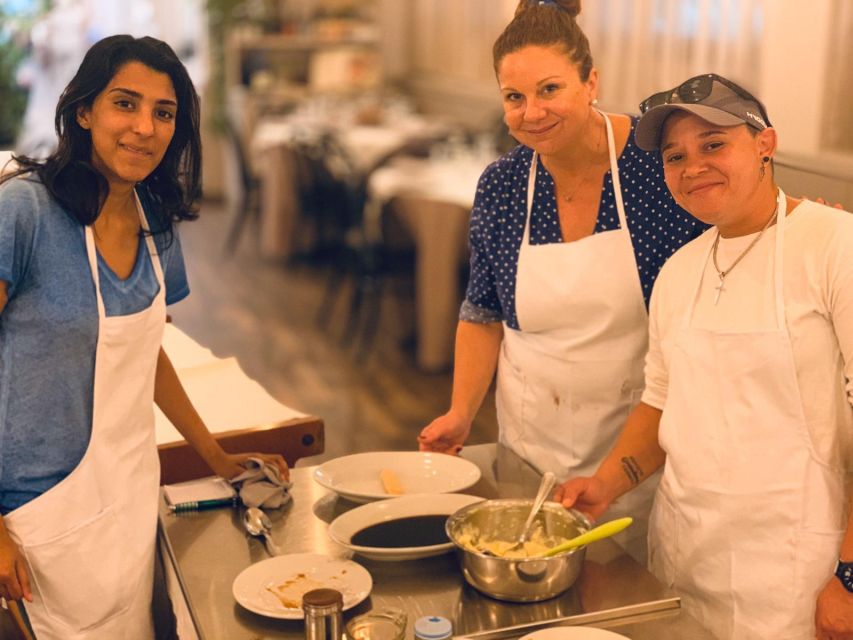
The class ends the way it should: with food at the table. You’ll sit down for a 3-course meal, and it includes the pasta and tiramisu you worked on during the session. That’s the payoff—your hands make the food, and then you get to enjoy it without waiting for a restaurant kitchen to do the finishing.
Here’s why that matters: cooking teaches you. Eating confirms it. When you taste your own pasta and dessert in a proper seated meal, you can connect technique to outcome. If something was too dry or too soft while you were working, you’ll notice it immediately at the table and learn for next time.
Also, a 3-course format usually means you’ll get more than one moment of satisfaction. The session keeps momentum: you cook, you taste, then you dine.



Timing, Group Energy, and How to Plan Your Day
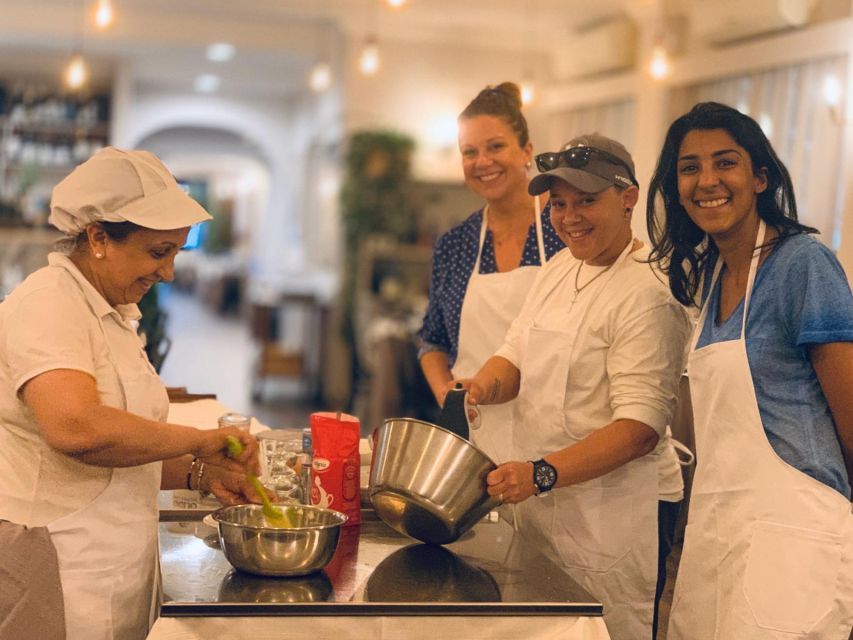
The duration is 3 to 4 hours, which is a good length for Rome. It’s long enough to feel like an experience, but not so long that you lose your whole afternoon to the kitchen.
Since the meeting point can vary depending on the option booked, treat this like an appointment. Give yourself a little buffer to get there without stress. Rome streets can be charming and chaotic at the same time.
What I’d recommend for your planning: schedule something else light afterward. You’ll likely be full, and you’ll want time to walk it off. Rome is made for that post-meal stroll.
Dietary Options and the Gluten Catch
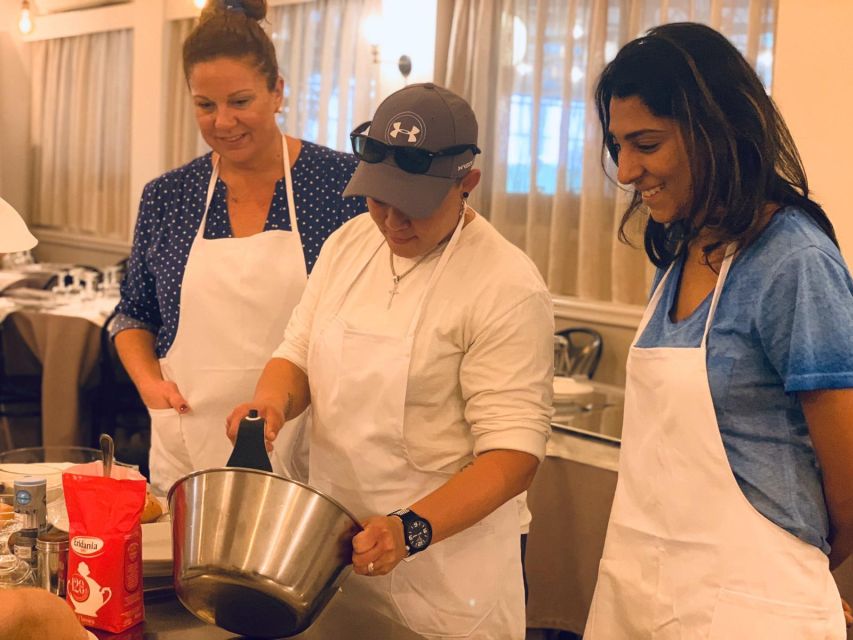
Dietary support is listed, including vegetarian, vegan, lactose intolerant, and other diets supported. That means you should be able to communicate your needs when booking, and the team will adjust.
The catch is explicit: this experience is not suitable for gluten intolerance. So if you need a strict gluten-free setup, don’t try to “request something.” Gluten intolerance is a deal-breaker here according to the activity info.
If you’re not dealing with gluten issues, dietary flexibility is a strong plus. Cooking classes often struggle with special diets, so having options listed up front gives you more confidence that your meal won’t just be an apology plate.
Value for $46: What You’re Paying For
$46 per person sounds simple, but the value is in what’s included.
You’re getting:
- a cooking class focused on handmade pasta and tiramisu
- a 3-course meal
- wine included (or prosecco) plus water
- recipes you can use to replicate the cooking at home
- English instruction
That’s not just a “taste and leave” experience. This is skill-building time plus food plus drinks, in one package. In a city where a good dinner can easily be a chunk of your day’s budget, this format is a smart way to get both enjoyment and education.
The other hidden value is the atmosphere. Friendly, fun instruction—people mention hosts and guides like Nina, Patrick, Lisa, Jan, and Irene—makes a cooking class feel like an evening out, not a chore. When you’re comfortable, you learn faster and you enjoy the meal more.
Who This Is Best For (and Who Should Skip)
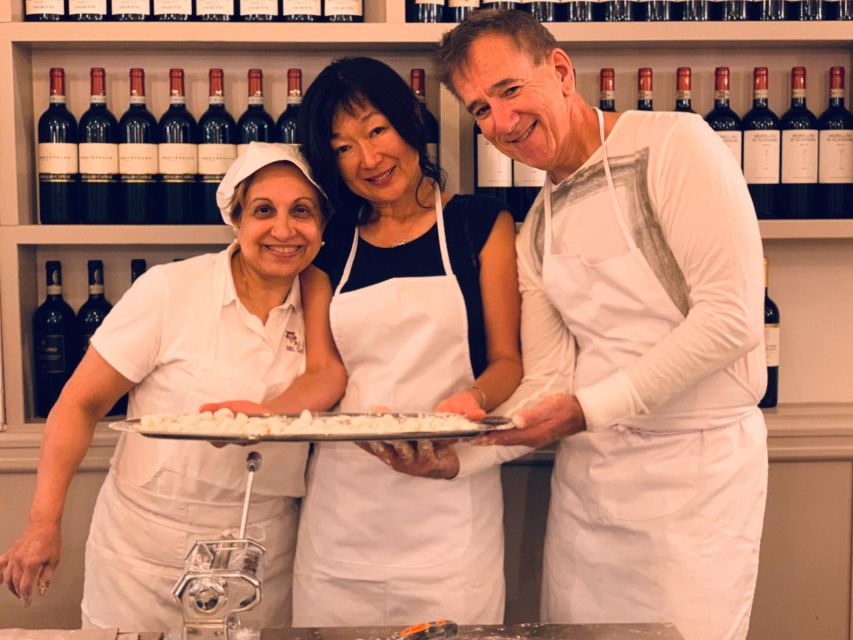
This class is especially good for you if:
- you want a hands-on experience, not just a food tasting
- you like learning techniques you can repeat at home
- you enjoy social meals and meeting new people
- you’re comfortable with gluten
You might reconsider if:
- you have a gluten intolerance (this is not suitable)
- you dislike alcohol or free-flow wine formats (you can choose water, but wine is part of the experience)
Also, if you’re the type who likes your vacations to include one memorable “activity evening,” this fits well. It’s a recipe-driven experience with real payoff at the table.
Should You Book This Rome Pasta & Tiramisu Class?
If you want a fun Rome night with real cooking skills, I think it’s a strong yes. The biggest reasons are the technique-focused hands-on pasta and tiramisu, the included 3-course meal, and the fact that you leave with recipes to try again later. Add free-flowing wine/prosecco and the chance to mingle with a group, and it becomes more than a class—it becomes a full evening.
Book it if you’re gluten-tolerant and you want something interactive. Skip it if gluten intolerance is part of your health picture.
If you want one simple guideline: choose this when you’re in Rome for taste, technique, and a shared meal. That’s where it earns its nearly perfect rating.
FAQ
How long does the Rome pasta and tiramisu class last?
It runs for about 3 to 4 hours, depending on the starting time you book.
What’s included in the price?
The experience includes the cooking class (pasta and tiramisu), a 3-course meal, wine, and water.
Is the class taught in English?
Yes. Instruction is in English.
Can I get wine or prosecco during the class?
Yes. You can sip wine or prosecco (and water) while you prepare your meal.
What dietary options are available?
Vegetarian, vegan, lactose intolerant, and other diets are supported. Let the provider know your needs when booking.
Is this class suitable for gluten intolerance?
No. The activity is not suitable for people with gluten intolerance.
Where do I meet the group?
The meeting point may vary depending on the option you book.
Is the class refundable if my plans change?
Free cancellation is offered up to 24 hours in advance for a full refund.