REVIEW · ROME
Rome: Pasta Cooking Class with Market Visit and Wine
Book on GetYourGuide →Operated by Yellowsquare Rome · Bookable on GetYourGuide
Homemade pasta starts at the market. The day blends a neighborhood food walk with real hands-on cooking, so you’re not just watching you’re choosing ingredients and shaping dough. I love the Nomentano Market stop for seasonal picks, and I also love how Chef Marco makes the techniques feel doable (even if you’ve never rolled pasta before). One consideration: the class is not suitable for people with gluten intolerance, since you’ll be working with wheat flour pasta dough.
Meet at Via Palestro 51 and plan for about 6 hours of Rome-time, walking a bit and then cooking together. The tour returns you to the meeting point when you’re done, so it feels like one smooth loop instead of a complicated itinerary.
You’ll eat what you make at lunch with a glass of Italian wine, then finish with coffee and limoncello, plus a participation certificate and take-home recipes. If you need help managing drinks for personal reasons, the Chef has shown he’s attentive and willing to support people with specific needs.
In This Review
- Key Highlights That Make This Class Worth It
- Market Walk at Nomentano Market: Ingredients You Can Taste Before Cooking
- Via Palestro 51 to Kitchen of Mamma: How the Day Actually Flows
- The Pasta-Making Core: Dough, Stations, and Getting It Right
- Ravioli, Tortellini, and Linguine: Shaping and Saucing Without Fear
- Wine Lunch, Coffee, and Limoncello: Eating the Results (and Enjoying the Stories)
- Price and Value in Rome: What $141.61 Actually Buys
- Who This Pasta Class Fits Best (And Who Might Skip It)
- Should You Book This Rome Pasta Class?
- FAQ
- How long is the pasta cooking class?
- Where do I meet the group?
- What’s included in the price?
- Is this class suitable for gluten intolerance?
- What languages is instruction offered in?
- Does the class include alcohol?
Key Highlights That Make This Class Worth It
- Nomentano Market ingredients: You learn what’s fresh and why those choices matter in Italian cooking.
- Chef Marco’s coaching style: Clear steps, lots of hands-on time, and individual help at your station.
- More than spaghetti: Expect multiple pasta styles, including ravioli and other shapes, not just one dish.
- Wine, coffee, and limoncello included: The food lesson ends with the classic Roman-Italian finishing touches.
- Recipes + certificate to take home: You leave with a plan to cook again later.
- Diet-friendly check-ins happen: The Chef asks about restrictions (like pork/red meat) during the cooking flow.
Market Walk at Nomentano Market: Ingredients You Can Taste Before Cooking
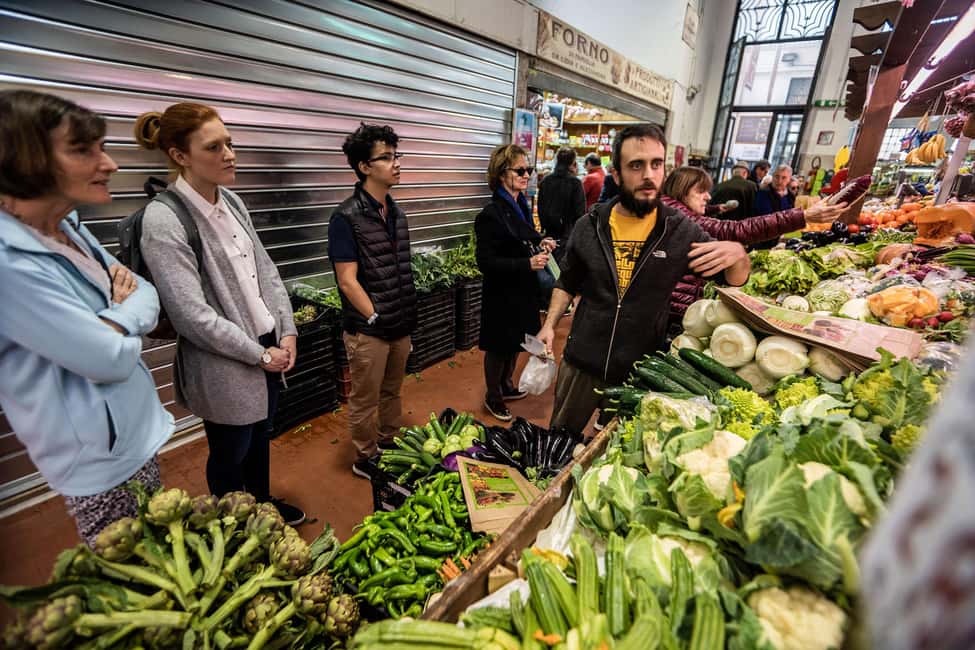
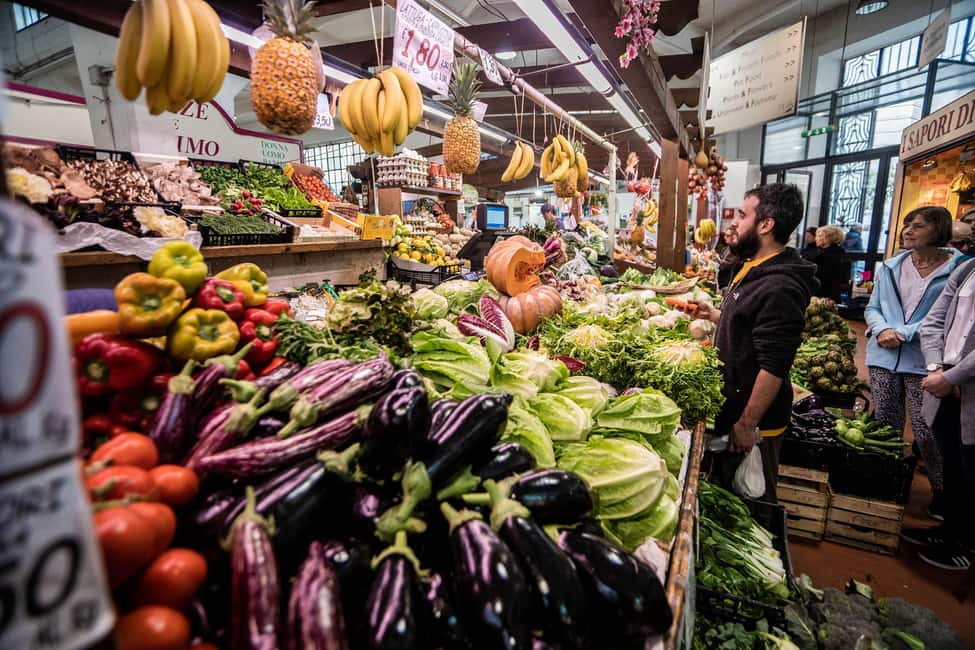
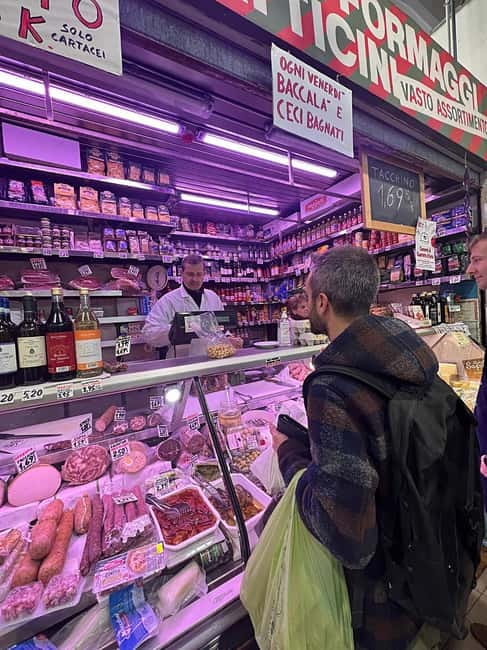
This is one of those Rome experiences where the food lesson starts outdoors, with you walking through a real local market area. You’ll go with your guide and Chef, and the point isn’t sightseeing for sightseeing’s sake. It’s ingredient education.
At the market, you’re paying attention to fresh produce and other staples that connect directly to what you’ll cook. You’ll notice how sellers package and display food, and you’ll hear what the Chef values when building flavors: what’s in season, what works together, and how those choices show up in the finished pasta.
A couple of details I really like about this part of the day:
- You’re learning Italian food logic, not memorizing recipes. The market tour helps you understand why certain fillings and sauces click.
- You get a story layer while walking. One session includes learning some Roman history along the route, which makes the neighborhood feel more meaningful without turning it into a lecture.
Practical note: markets can mean lots of standing and walking. Wear comfortable shoes. You’ll also want to bring a light layer, since you’ll be moving through outdoor and indoor spaces.
You can also read our reviews of more tours and experiences in Rome.



Via Palestro 51 to Kitchen of Mamma: How the Day Actually Flows
The meeting point is Via Palestro 51, 00185 Rome, and you should arrive at least 10 minutes early. From there, the day is paced like a friendly rhythm: short stroll first, then cooking.
You’ll make your way to the kitchen, which is called Kitchen of Mamma. That name matters because it signals the vibe: practical, warm, and family-style teaching. The kitchen approach isn’t about showmanship. It’s about getting the dough right, then building fillings and sauces you can repeat later.
A few things to keep in mind about timing:
- The listed duration is 6 hours, but at least some groups report the active cooking felt closer to 4 hours. That usually means the pace stays relaxed once you’re in the kitchen.
- The day includes breaks built in through the lunch and wine flow, so don’t schedule a tight dinner right after unless you like rushing.
This setup is especially good if you’re trying to balance a Rome trip with other plans. You get one concentrated food day without needing transfers across the city all afternoon.
The Pasta-Making Core: Dough, Stations, and Getting It Right
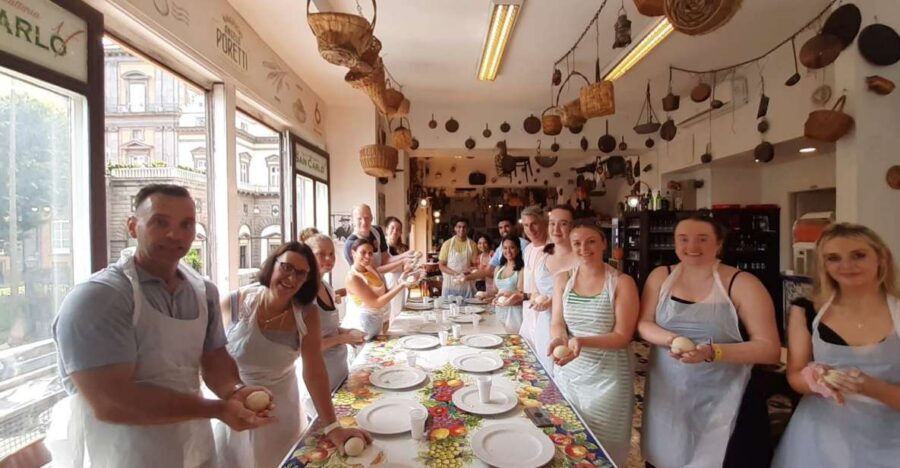
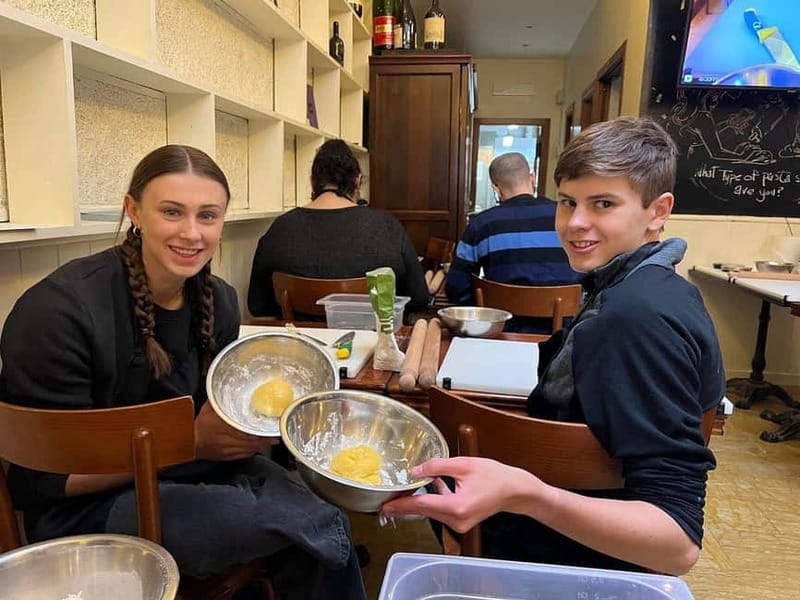
Once you’re in the kitchen, the class shifts from inspiration to technique. The focus is traditional pasta dough from scratch, taught by Chef Marco in English and Italian. And you’ll do more than one step. You’ll be working dough and shaping pasta, not just watching the Chef demonstrate.
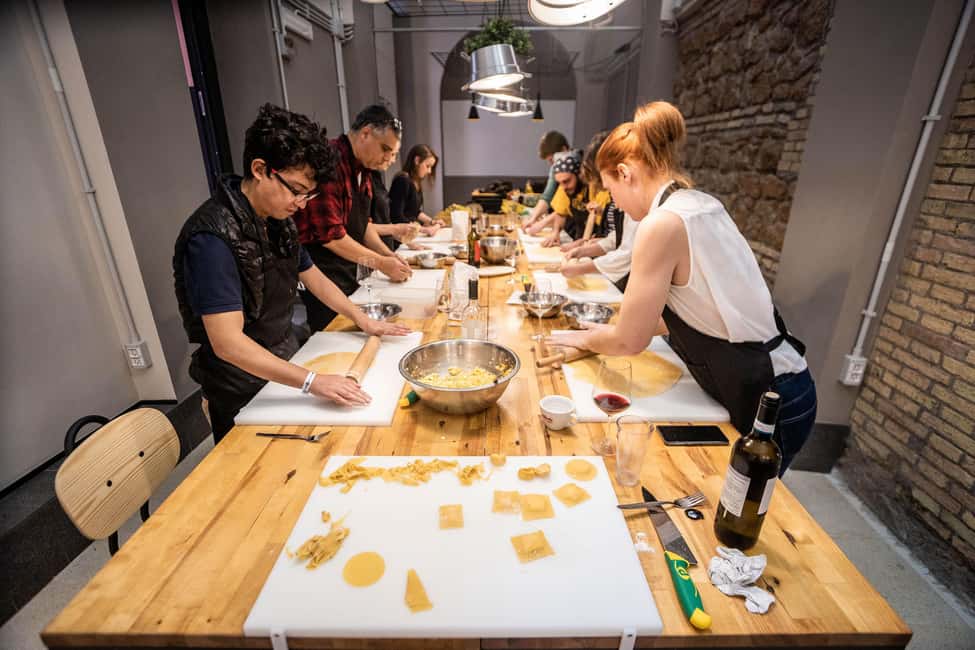
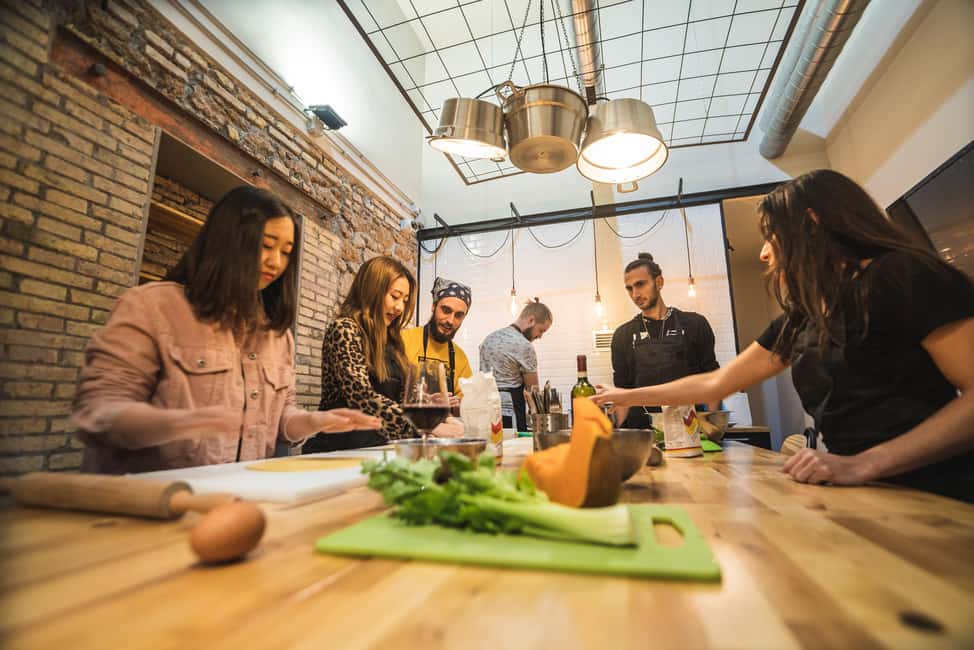
What makes this section feel worth your time is that you work at your own station. One detailed experience described individual stations around a long table, with the Chef checking in and giving guidance as people worked. That’s a big deal in cooking classes, because pasta is one of those things where small differences matter: flour amount, dough texture, rolling pressure, and timing.
Here’s what you can expect to learn:
- How to get a smooth, workable dough (the part most people worry about)
- How to manage the rolling process well enough to shape pasta
- How to handle fillings and assembly steps for filled pasta
If you’re nervous about messing it up, don’t be. This class is built for people with no previous skills. You’re not auditioning for a cooking show; you’re learning a practical workflow with a teacher who keeps you moving.
One more thing I appreciate: the Chef explains in a way that makes you feel in control. You’re not just being told what to do you’re being told why it works. That helps you adjust when something feels off.
Ravioli, Tortellini, and Linguine: Shaping and Saucing Without Fear
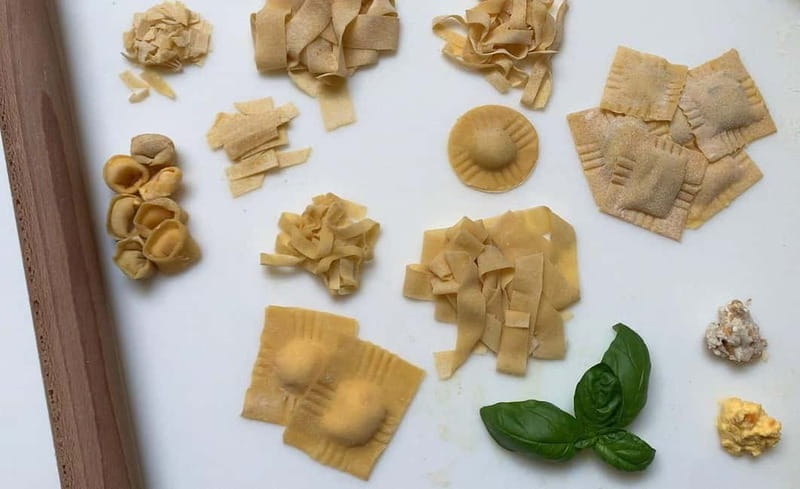
Many Rome cooking classes promise variety, but this one leans into it. You’ll learn to make multiple pasta styles, with some sessions including filled pasta like ravioli and tortellini, plus pasta such as linguine.
In one described session, people made and shaped several pasta items, including different sizes and multiple cutting/shaping steps. Another experience mentioned a class that went beyond a single dish and focused on making a range of shapes and fillings.
What you’ll also notice is that sauces aren’t treated like an afterthought. You’ll prep and cook sauce components alongside the pasta work flow. You’ll learn how to build a sauce that pairs well with the pasta type, whether you’re working with a meat-based sauce or a vegetarian-style filling.
Diet and restriction check-ins show up here too. One experience specifically mentioned that the Chef asked about dietary limits (like no pork or red meat) and adapted accordingly. If your meals need to be carefully managed, this is exactly the kind of class where you should speak up early and clearly.
As for the filled pasta part: ravioli and tortellini assembly can sound intimidating, but the class is structured so you practice the filling and forming steps while the Chef guides you. The result is that you leave with a real sense of how the shapes work, not just a plate of food.
Wine Lunch, Coffee, and Limoncello: Eating the Results (and Enjoying the Stories)
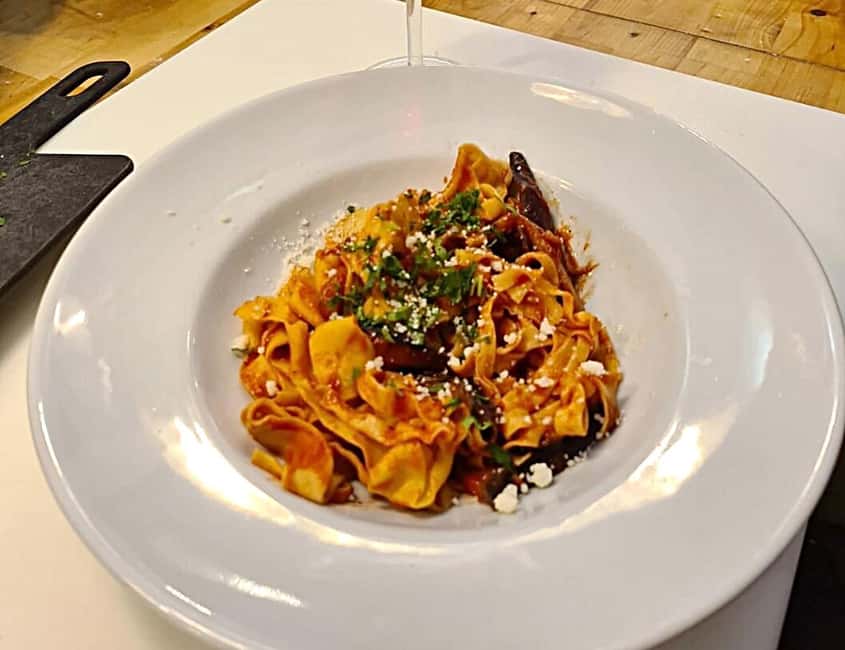
The lunch is a key part of the value here. You’ll sit down and eat pasta you made, not a separate restaurant meal. That matters because it closes the loop between technique and taste.
You also get a glass of Italian wine with lunch. The class is paced so the wine is part of the atmosphere, not a chaotic free-for-all. You’ll be listening to Italian stories while you eat, which adds personality to the meal. This turns lunch into a calm reset after the hands-on cooking.
After lunch, the experience finishes with coffee and limoncello. That’s a classic combo in Italy, and it gives the day a satisfying endpoint. It’s also a nice reminder that you’re doing a full Roman-Italian food experience, not just learning to cook.
One personal-support detail worth calling out: a participant who was pregnant shared that Chef Marco took extra care to make sure drinks were safe for the baby. If alcohol is a concern for you, you can expect the Chef to be attentive to the situation and to help you handle it appropriately.



Price and Value in Rome: What $141.61 Actually Buys
At $141.61 per person, this isn’t a budget snack. It’s more like a curated half-day experience that mixes three things most people can’t get together on their own: market guidance, hands-on coaching, and a full meal with drinks.
Here’s how the price breaks down in practical terms:
- Market visit: You’re paying for an educated walk, not just “see a market.” The market stop sets up the cooking choices.
- Chef-led class with materials: You’re learning dough-making and shaping techniques, with instruction and support at your station.
- Lunch with wine: This reduces the chance you’ll need to hunt for lunch immediately after a morning of Rome wandering.
- Coffee and limoncello: Small items, but they’re part of the complete experience.
- Take-home support: You leave with recipes and a participation certificate, which makes the class feel more permanent than a one-off meal.
If you enjoy practical food learning and you want to eat a meal that’s tied to something you made (instead of just ordered), this price can feel reasonable. If you only want a quick tasting, then you might prefer something cheaper and lighter.
Also: it’s listed as 6 hours. Even if it runs a bit shorter for some groups, you’re getting enough time to learn real technique and produce multiple pasta items.
Who This Pasta Class Fits Best (And Who Might Skip It)
This class is a great fit if:
- You want a hands-on Rome experience where you do the work and eat the results
- You like food learning that starts with ingredients, not just recipes on paper
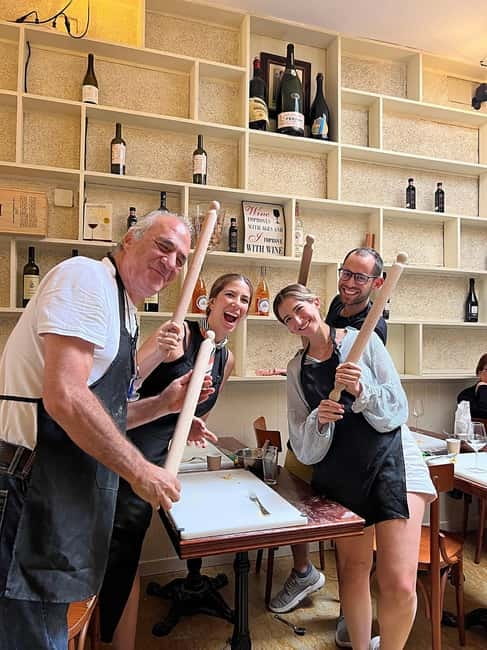
- You enjoy a social vibe with a lively Chef and a relaxed pace
It’s especially appealing for people who don’t want only the tourist hits. The class tends to go beyond the most famous pasta names and gives you variety in shapes and sauces.
Who should skip it:
- If you have gluten intolerance, it’s not suitable because you’ll be cooking and eating wheat-based fresh pasta dough.
If you’re worried about cooking skills, don’t be. The class is designed for beginners, and the instruction is set up so you can follow steps and get corrections when needed.
Should You Book This Rome Pasta Class?
Book it if you want a true food day in Rome: market-to-kitchen, hands-on dough work, and a sit-down lunch that actually reflects what you learned. The combination of Nomentano Market context, Chef Marco’s coaching, and the included wine and classic finish with coffee and limoncello makes it feel like a full experience, not a rushed class.
Skip it if gluten intolerance is part of your dietary reality. Also skip if you prefer a quiet museum style day. This is an active, talky, hands-on food class, and that’s the point.
If you like learning by doing, and you want to leave with pasta know-how you can repeat at home, this is the kind of activity that can genuinely anchor a Rome trip.
FAQ
How long is the pasta cooking class?
The activity is listed as 6 hours, with starting times based on availability.
Where do I meet the group?
You meet at Via Palestro 51, 00185 Rome. Arrive at least 10 minutes early, and the activity ends back at the meeting point.
What’s included in the price?
It includes a walking tour of a local market, lunch with pasta, a glass of Italian wine, coffee and limoncello, a participation certificate, and pasta recipes.
Is this class suitable for gluten intolerance?
No. It is not suitable for people with gluten intolerance.
What languages is instruction offered in?
The instructor provides instruction in English and Italian.
Does the class include alcohol?
Yes. Lunch includes a glass of Italian wine, and the experience ends with coffee and limoncello.