REVIEW · ROME
Rome: Palazzo Corsini experience ticket
Book on GetYourGuide →Operated by TOURISTATION · Bookable on GetYourGuide
Rome has a quiet art hideout. The Palazzo Corsini ticket gets you into the Galleria Corsini, the rare Roman picture gallery that has stayed intact since the 18th century. I like it because the visit is built around real, named art and rooms tied to the people who collected them, not just a generic museum loop.
Two things I’d call out right away: first, the included Rome City audio guide app works like an interactive guide—when you’re looking at a work, you can pull up details right on your phone. Second, the rooms tied to the collectors’ story hit harder than you’d expect, especially the Alcove of Christina of Sweden and the Corsini Throne. One drawback to factor in: this site isn’t wheelchair accessible, and you’ll need to follow strict rules once you’re inside (no flash photography, and no backpacks or food/drinks).
If you’re short on time, the timing is also smart. You’re looking at about 1 hour inside, and the experience is designed for a focused art-and-rooms visit rather than a long wander. Plus, your ticket includes an entrance to Palazzo Barberini, which can turn this into a strong one-two punch if you want more Roman masterpieces the same trip.
In This Review
- Key things that make this ticket worth your time
- Galleria Corsini inside Palazzo Corsini: why this gallery feels different
- How the Rome City app turns art viewing into a faster, smarter hunt
- Christina of Sweden’s Alcove and the Corsini Throne: what to seek first
- The named masterpieces: Caravaggio, Rubens, and Salvator Rosa
- Palazzo Corsini’s story: from Cardinal Raffaele Riario to Pope Clement XII
- Extra value: included entrance to Palazzo Barberini
- Price and timing: how to make the 1-hour visit feel complete
- Who this Palazzo Corsini ticket suits best
- Should you book? My straight answer
- FAQ
- What is the duration of the Palazzo Corsini experience ticket?
- Does the ticket include access to the Alcove of Christina of Sweden and the Corsini Throne?
- Is flash photography allowed inside the gallery?
- Is this experience wheelchair accessible?
- What else is included besides Palazzo Corsini?
- How does entry work if I only have a voucher?
- Can I cancel and get a refund?
Key things that make this ticket worth your time
- Interactive phone guidance for specific artworks: tap through the app and get information tied to what you’re looking at.
- Alcove of Christina of Sweden access: a famous room you can’t reliably improvise on without the right ticket.
- The Corsini Throne: a standout feature named right in the experience so you know what to seek.
- A tightly scoped 1-hour visit: enough time to see the major works without turning into a half-day commitment.
- Included entry to Palazzo Barberini: extra museum value without extra ticket hunting.
- A surviving 18th-century gallery setting: you’re not just seeing art; you’re seeing how the collection lives inside the building.
Galleria Corsini inside Palazzo Corsini: why this gallery feels different
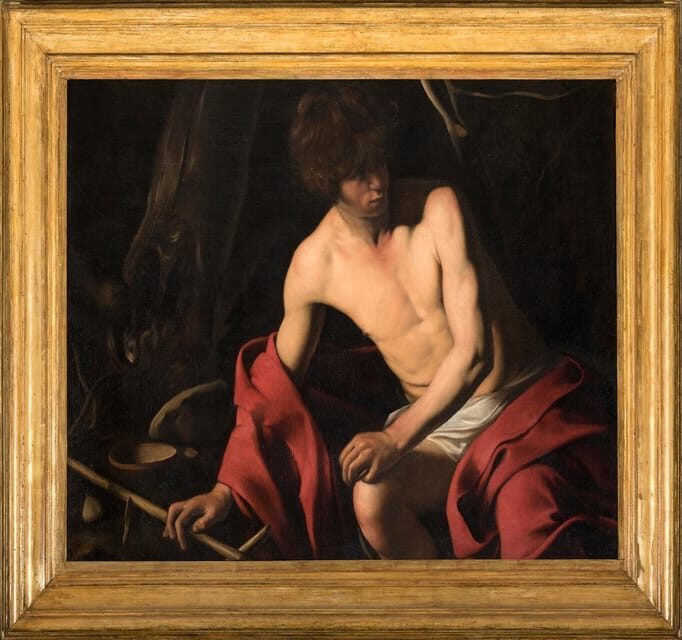
Palazzo Corsini isn’t just a backdrop. The big selling point is that the Galleria Corsini is described as the only Roman picture gallery from the 18th century that has survived intact. That matters because so much of what you see in Rome has been reconfigured over the centuries. Here, the building helps you understand the collection as something housed and displayed in a very specific way.
You’re also not entering a random room with a few paintings stuck on the walls. The experience frames your visit around the central nucleus of the National Gallery of Ancient Art in Rome, with a focus on classicist-leaning works in the collection. That means you’re more likely to get a coherent experience: look at the key named masterpieces, then connect them to the collectors and the palace itself.
The experience also includes access to parts of the palace tied to the family who lived there. You’ll be able to enter the apartments of an 18th-century cardinal and his family, which is an important change from the usual “hallway to hallway” museum style. It’s a reminder that these collections weren’t only about art. They were about status, taste, and daily life.
One more practical note: the ticket is designed to fit about an hour. If you love to linger for a long time on every single painting, you may feel slightly rushed. But if you use the included phone guide well, the 60 minutes can work in your favor, keeping you focused on what’s actually worth your attention.
You can also read our reviews of more tours and experiences in Rome



How the Rome City app turns art viewing into a faster, smarter hunt
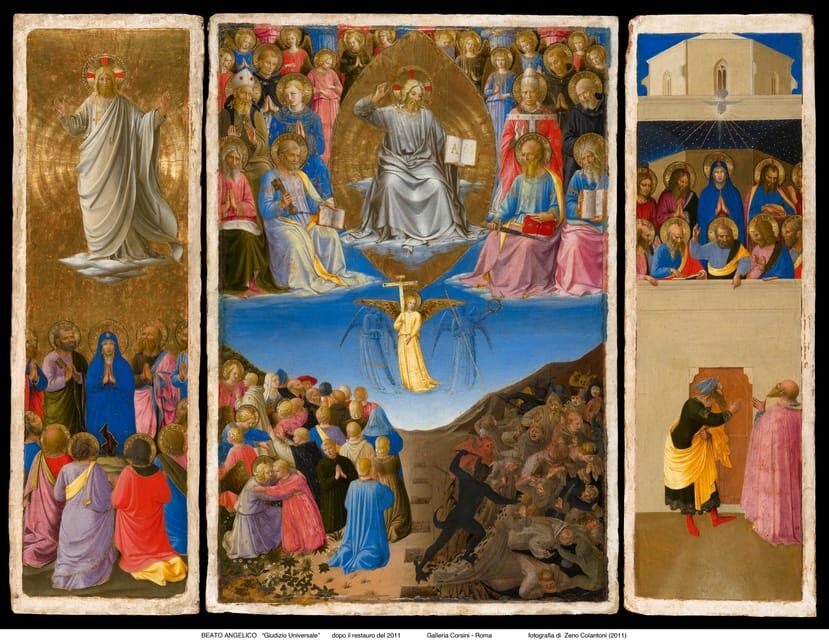
The most praised part of this experience is the phone guide approach. The setup lets you select artworks using what you’re looking at—essentially, you can pull up a full picture and review tied to the work in front of you. The goal is simple: you don’t have to guess what that painting is called or where to start reading.
Here’s how you can use that to your advantage:
- When you enter, take a minute to get the app working on your phone. You want it ready before you’re standing in front of works where you’ll feel rushed.
- Move room to room, and when you stop at a painting you care about, tap it in the app to bring up details.
- Use your phone photo roll like a mini study list: save the works that interest you so you can compare later without re-walking every room.
The value here isn’t flashy. It’s practical. Art museums can be overwhelming because your brain has to do too much at once—spotting the works, reading labels, and deciding what matters. This app shifts some of that load to your phone, so you can spend more time just looking.
Also, keep in mind you’re downloading an audio guide app on your smartphone that includes more than 170 points of interest. Even if you only use a few during Palazzo Corsini, it sets you up for a broader Rome museum day. Since your ticket also includes entrance to Palazzo Barberini, it makes sense to treat this as a “plan-ahead day” rather than a single stop.
Christina of Sweden’s Alcove and the Corsini Throne: what to seek first
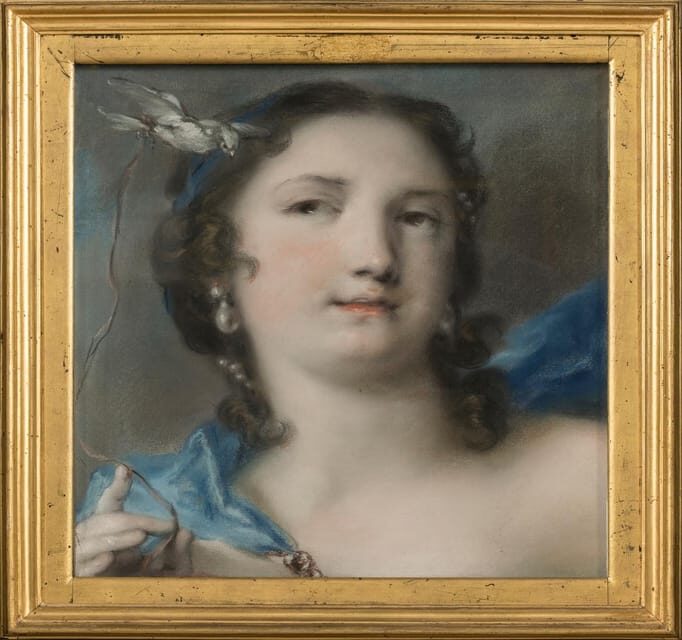
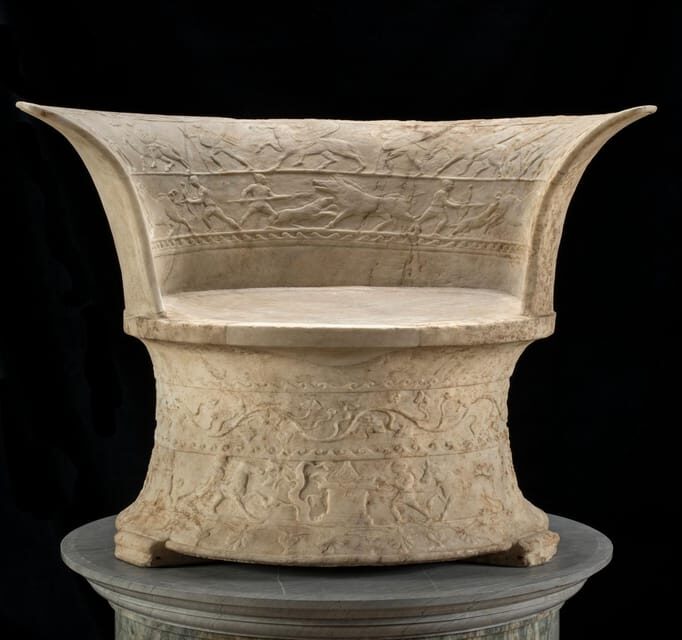
Some museum highlights are easy to miss because they’re not obvious from the door. That’s not the case here. The experience specifically calls out the Alcove of Christina of Sweden and the Corsini Throne, so you’ll know you’re hunting for two named must-sees.
Why these two matter:
- They’re location-based highlights, not just paintings. In other words, you’re moving through rooms where the architecture and furnishings are part of the story.
- They connect you to the owners and collectors, which is one of the most satisfying parts of this ticket. You’re not only looking at masterpieces; you’re also seeing how the palace was arranged for the kind of people who could collect and display them.
If you’re short on time (and you are, since the visit is about 1 hour), I’d structure your thinking like this: aim to hit these two highlights early, then spend the rest of your visit on the paintings that match your interests.
You’ll also get access to the apartments of the 18th-century cardinal and family. That’s where rooms like the alcove and throne fit into the bigger atmosphere—this is a palace residence turned gallery setting. Even if you’re not a “details person,” the fact that the ticket specifically includes these features should make your visit feel more intentional.
The named masterpieces: Caravaggio, Rubens, and Salvator Rosa
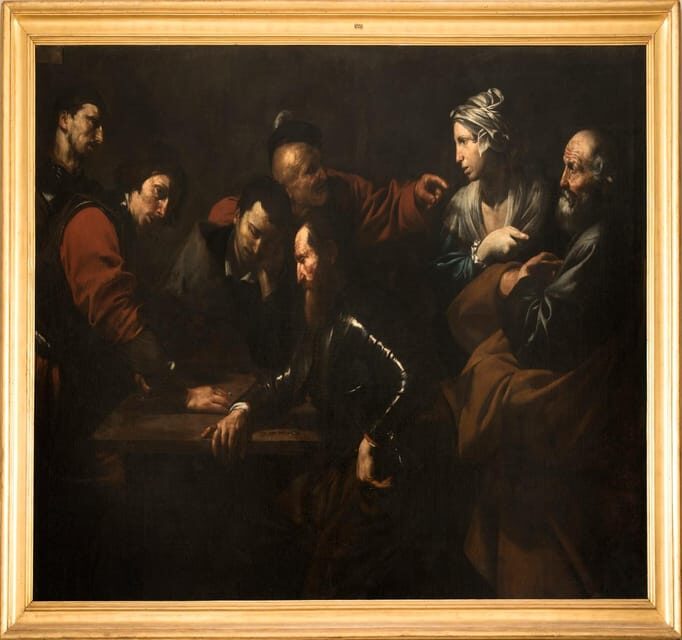
You’ll see masterpieces listed by name, which makes it easier to judge value before you arrive. The experience calls out paintings such as:
- St. John the Baptist by Caravaggio
- St. Sebastian by Rubens
- Prometheus by Salvator Rosa
It also references the mysterious Corsini Throne as a key attraction. With art, you can easily end up in a loop where you stare at everything but remember almost nothing. Naming key works reduces that risk.
Here’s the simple way to handle it during your visit. Pick your top works before you step inside, then commit to seeing them clearly. Because the time is tight, you won’t want to “collect experiences” the way you do in a big museum like the Vatican. In a 1-hour visit, your best bet is focused attention.
Also, remember the gallery is described as part of the National Gallery of Ancient Art’s collection nucleus. So the painting stops aren’t random. They’re tied to how the gallery presents its collection in this particular palace setting.
One caution: no flash photography. If you planned to take quick phone shots for later, switch your habits early. You don’t want to get halfway through and then realize you can’t capture what you were hoping to capture.
Palazzo Corsini’s story: from Cardinal Raffaele Riario to Pope Clement XII
The palace background isn’t trivia. It’s the reason the gallery feels coherent. The building was ordered toward the end of the 15th century by Cardinal Raffaele Riario, brother of Pope Sixtus IV della Rovere and father of Pope Julius II. Later, in 1736, the palace passed to the Corsini family, a very wealthy Florentine family, after the election of Cardinal Lorenzo to the papal throne as Pope Clement XII.
Then came the reshaping that prepared the palace for its new status. Restoration was entrusted to the architect Ferdinando Fuga, who restructured and expanded it between 1732 and 1736. The description includes an important architectural idea: Fuga built a new wing of the palace mirroring the existing one, plus a central building accessed by a monumental staircase.
Even today, the building isn’t solely a museum space. It houses the Accademia dei Lincei, whose library holds Cardinal Neri Corsini’s book collection. The prints collection tied to that book-and-print world is described as the oldest nucleus of the current National Institute of Graphics. That helps explain why the palace feels tied to scholarship, not just tourism.
For you, the practical takeaway is this: you’ll understand the art better if you keep the timeline in mind. This gallery isn’t only about names like Caravaggio or Rubens. It’s about why the Corsini family had the means and the taste to gather these works, and how their residence became the display space.




Extra value: included entrance to Palazzo Barberini
This ticket’s value improves when you compare what you’re paying for versus what you can add without buying another ticket right away. Your included items list says you get entrance to Palazzo Barberini with the same ticket.
That doesn’t mean Palazzo Barberini is identical in focus to Palazzo Corsini. But it does mean you can keep building your Rome art day in a structured way. If you like having a plan, this is where the phone app can help even more—your day stops being a random sequence of galleries and becomes a set of related stops.
You can also use this for pacing. If you enter Palazzo Corsini and feel like you want more time with art after your 1-hour visit, your next step (Palazzo Barberini) is already covered.
The value point also shows up in how the pricing is framed. The total retail price includes €15.00 adult admission to Palazzo Corsini (minors are listed at €0.00). The difference is due to services included in the offer. In plain terms: you’re paying not just for entry, but also for the packaged experience approach (like skipping the ticket line and the included phone guide).
Price and timing: how to make the 1-hour visit feel complete
At about $29 per person for a 1-hour experience, the ticket is most attractive when two things are true for you: you want a focused visit, and you’ll actually use the included phone guide.
If you’re the type who enjoys art labels and reading, you might not need as much tech support. But if you want to move efficiently and still feel informed, the interactive phone method is the difference-maker. It’s the part that turns this into more than a basic entry ticket.
Timing matters here because the site is strict about what you can bring in and how you behave inside. The experience notes:
- Flash photography is not allowed
- Backpacks are not allowed
- Food and beverages are not allowed
So plan like a museum, not like a casual stroll. Travel light. If you’re wearing a bag, keep it minimal or be ready to store it elsewhere before you arrive.
Also, there’s an accessibility limitation. The gallery is not accessible for wheelchair users or people with mobility impairments. If mobility is a factor, you should treat that as a deciding point, not a minor inconvenience.
Finally, the ticket includes skip-the-ticket-line and the meeting point process is voucher-based: the voucher you received is not the entry ticket, and an operator contacts you with instructions to coordinate entry. That means you’ll want to check your messages and keep your voucher handy so you’re not scrambling on the day.
Who this Palazzo Corsini ticket suits best
This experience is a strong fit if you want:
- A compact art visit with major named works and named highlights
- A guided self-paced approach using a phone-based guide that helps you identify what you’re seeing
- Palazzo atmosphere, including cardinal-family apartments, not just a few galleries
- A way to tie your day to more art afterward via included entrance to Palazzo Barberini
It’s less ideal if you need wheelchair-friendly routes, or if you’re the kind of visitor who wants to bring a backpack and snack your way through museums. The rules inside are clear, and the space isn’t set up for mobility needs.
Should you book? My straight answer
Book it if you want a focused, high-signal art and palace experience in Rome, and especially if you like using your phone to get fast, specific information tied to the works you’re standing in front of. The interactive phone guide and the included access to the Alcove of Christina of Sweden and the Corsini Throne make this ticket feel purpose-built rather than generic.
Skip or reconsider if you need wheelchair access or you’d struggle with the no-backpack, no-food, no-flash rules. Also, if you’re the type who needs two hours or more to fully sink into a gallery, the 1-hour structure may feel tight.
For the right traveler, this ticket offers good value because it packages entry, phone guidance, and extra museum access to Palazzo Barberini. It’s one of those Rome plans that works well when you want results, not exhaustion.
FAQ
What is the duration of the Palazzo Corsini experience ticket?
The experience lasts about 1 hour.
Does the ticket include access to the Alcove of Christina of Sweden and the Corsini Throne?
Yes. Your ticket includes access to the Alcove of Christina of Sweden and lets you see the Corsini Throne.
Is flash photography allowed inside the gallery?
No. Flash photography is not allowed.
Is this experience wheelchair accessible?
No. The gallery is not accessible for wheelchair users or people with mobility impairments.
What else is included besides Palazzo Corsini?
The included items list includes entrance to Palazzo Barberini, plus access to the Alcove of Christina of Sweden and the Rome City audio guide app on your smartphone with more than 170 points of interest.
How does entry work if I only have a voucher?
Your voucher is not the entry ticket. You’ll be contacted by an operator who provides the necessary information and instructions to coordinate your entry.
Can I cancel and get a refund?
Yes. You can cancel up to 24 hours in advance for a full refund.