REVIEW · AUDIO TOURS
Rome: Navona Square Underground Ticket with Audio Guide
Book on GetYourGuide →Operated by TOURISTATION · Bookable on GetYourGuide
Rome hides a whole stadium underground.
This self-guided ticket gets you down 5 meters beneath Piazza Navona to the Stadium of Domitian, where you’ll see Roman masonry, brickwork, travertine blocks, and marble columns, explained with an audio guide and lots of visual support (including photos and 3D-style reconstructions). I especially like the multi-language audio guide and the way the stop-by-stop narration helps you understand how the piazza evolved into what you see today. One thing to keep in mind: it’s not huge underground, so if you expect a sprawling museum, you might feel a little surprised by the scale.
What I like most is how practical this feels for a busy day in central Rome—you can fit it in without needing a long guided group tour. The optional aperitif or wine tasting adds a nice payoff, giving you a moment to sit up top and look back at Piazza Navona’s energy after the history lesson below. If you’re traveling with a stroller, plan for limited space down there; it’s not pram friendly based on visitor experience.
In This Review
- Key Highlights You Should Know Before You Go
- Why the Stadium of Domitian Under Piazza Navona Matters
- Getting There: Redeeming Your Voucher at the Main Fountain (No Guessing)
- Walking the Underground Route: From Arena Materials to Seating Logic
- What you’ll notice fast
- Street-level noise and the “not fully sealed” feeling
- Photos, panels, and reconstructions do real work
- The Audio Guide: Multi-Language Convenience, Station Snags
- How to make it work without frustration
- Accessibility note (quick, practical)
- Aperitif or Wine Tasting: The Best Way to End the Story
- Price and Value: What $18 Buys You in a Roman Day
- Who Should Book This (and Who Might Be Happier Skipping)
- Should You Book the Rome Navona Underground Stadium Ticket?
- FAQ
- Do I need a guided tour for this experience?
- How deep is the Stadium of Domitian site under Piazza Navona?
- How long should I plan for the visit?
- What languages are available on the audio guide?
- Is the site wheelchair accessible?
- Is an aperitif or wine tasting available?
Key Highlights You Should Know Before You Go
- 5 meters underground at Piazza Navona: you’re literally stepping below street level into ancient sports infrastructure
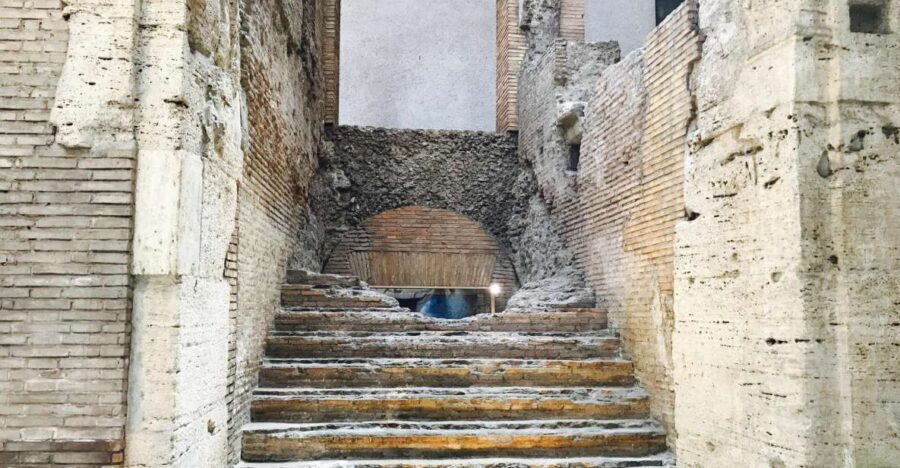
- Stadium of Domitian ruins: you’ll focus on entrances, construction materials, and how the arena worked
- Audio guide in multiple languages: Spanish, English, French, German, Italian, Russian, Portuguese
- Unpublished-style visuals and panels: photos plus interpretive signage make the archaeology easier to follow
- Up to 30,000 spectators: the narration explains crowd division, not just the stones
- Optional aperitif or wine tasting: a reserved table and a drink/snack pairing after your walk
Why the Stadium of Domitian Under Piazza Navona Matters

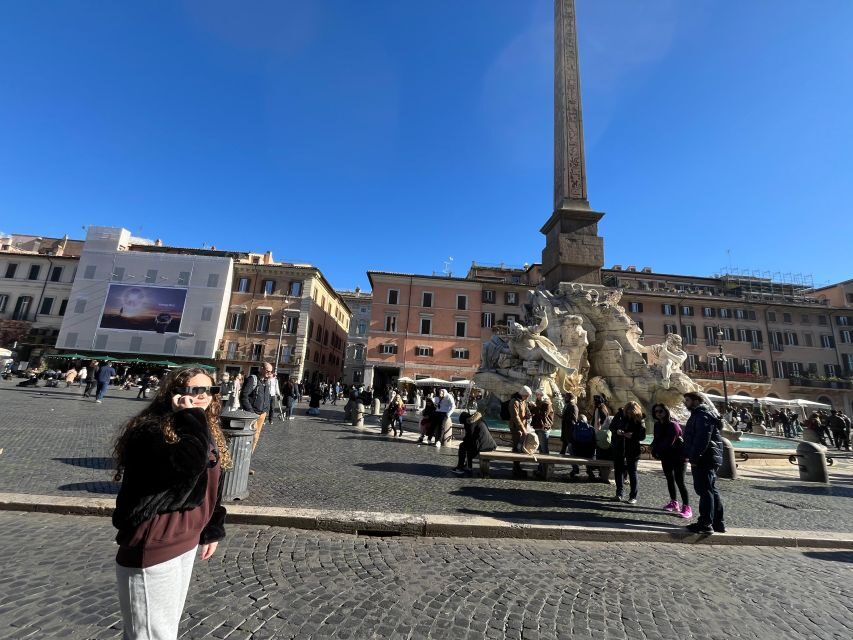
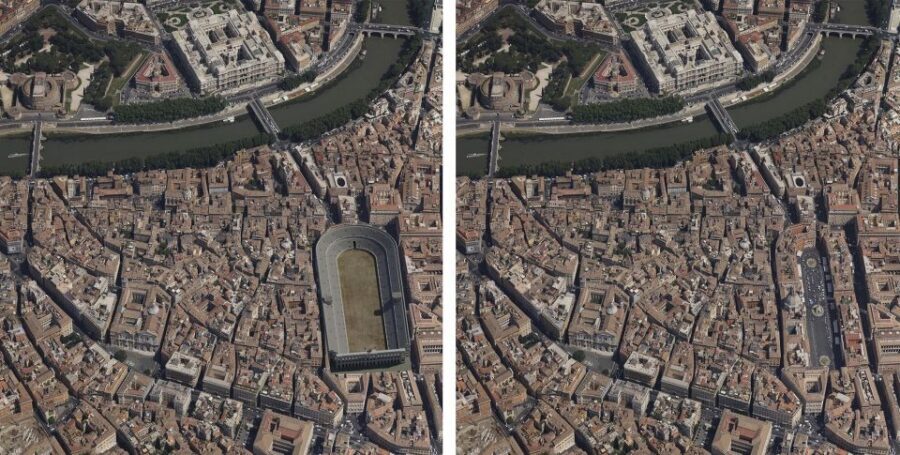
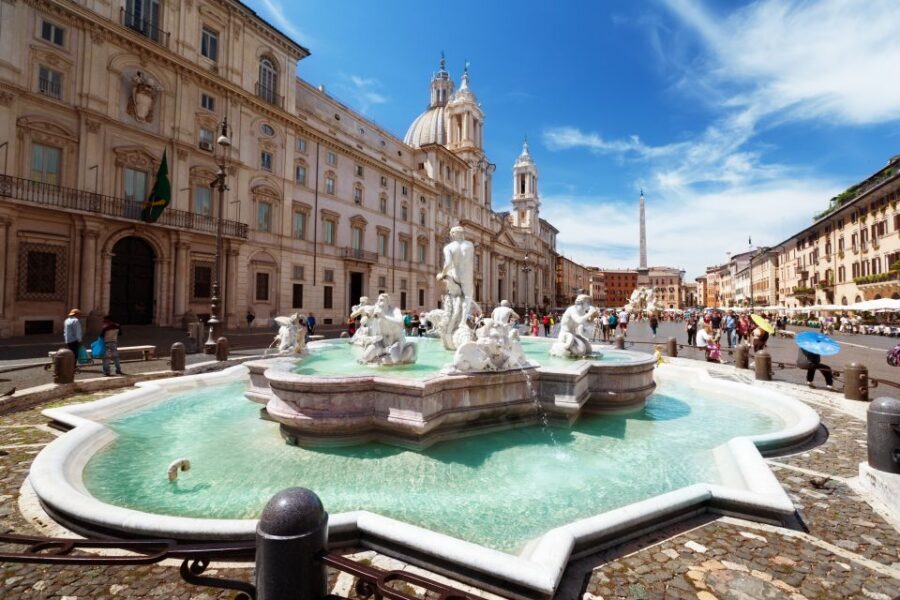
Piazza Navona looks like the classic Roman showpiece: fountains, baroque facades, and a constant stream of people. The twist here is that the plaza is built over something that was once a serious venue for public spectacle—an ancient stadium with real crowd capacity.
This ticket takes you to the Stadium of Domitian, described as the first and only stadium ever built from masonry in Ancient Rome. That single detail helps you connect the dots: you’re not just looking at ruins that happened to survive. You’re looking at a purpose-built sports arena structure, with design choices meant to handle crowds.
The underground setting is the real “aha.” You’re 5 meters below the current street, and the experience is designed to show you what sits beneath your feet: how the ancient venue was shaped, what elements remain, and how the area became the piazza you’re walking around now. You also get narration about the evolution of Roman sports, plus how the arena would have functioned with a division system for spectators (the site notes crowd levels up to 30,000).
You can also read our reviews of more tours and experiences in Rome



Getting There: Redeeming Your Voucher at the Main Fountain (No Guessing)
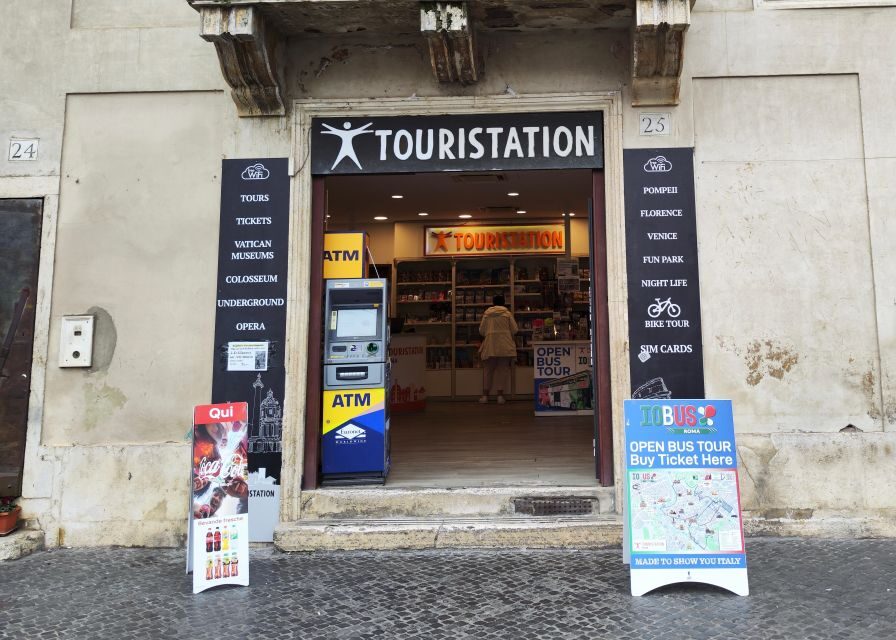
The meeting point is straightforward: redeem your voucher at the tourist point in front of the main fountain at Piazza Navona, 25.
Here’s the practical part: don’t just show up and assume you’ll enter immediately. One common snag people run into is getting to the wrong step first—sometimes you may be directed to a ticket office or a slightly different spot before you return to the entrance with the correct printed ticket. It’s usually handled smoothly by staff, but it’s still worth building in a little patience.
Tip I’d use: arrive a few minutes early so you’re not rushing when you find the kiosk. Piazza Navona is crowded, and it’s easy to lose time just walking around trying to spot the right point.
Walking the Underground Route: From Arena Materials to Seating Logic
Once you’re inside, the layout is built around a guided-by-audio approach. You’ll move through numbered stations, listen at each stop, and use the panels/photos to connect what you hear to what you see.
What you’ll notice fast
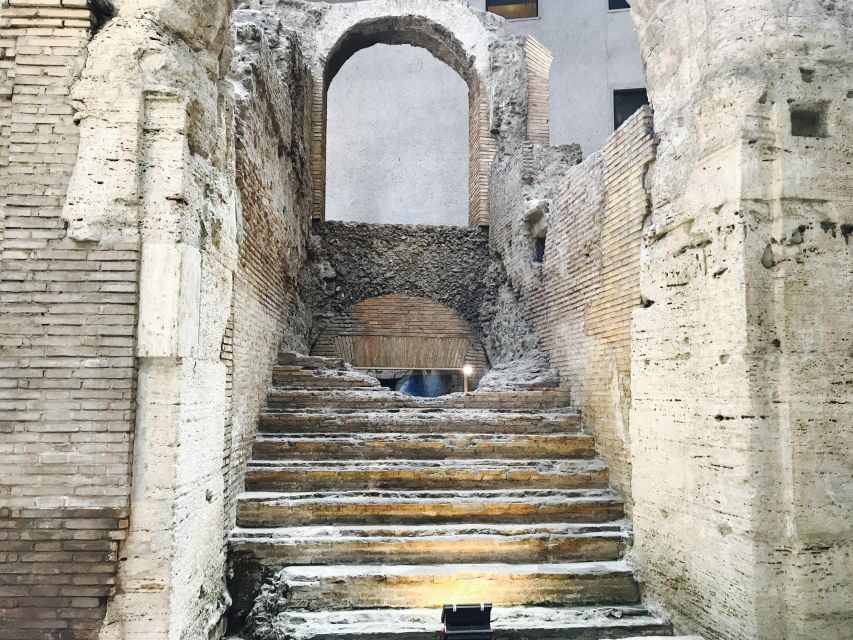
- Construction details: travertine blocks, brickwork, and marble columns are specifically highlighted, so you’re not left guessing whether you’re looking at something important.
- Entrance structure: the main entrances are part of the story, including how the site’s materials were used.
- Scale of the crowd: the narration explains how spectators could number up to 30,000 and how they were divided in the arena.
Even if the underground room feels smaller than you expected (a theme in several experiences), the focus is intense. This isn’t about “wandering for hours.” It’s about learning what you’re actually seeing, then mentally reconstructing the stadium in your head.
Street-level noise and the “not fully sealed” feeling
One reality check: you may still hear some street sounds from above. That doesn’t ruin the experience, but it does mean you’re not in a quiet, closed-off crypt museum. If you like total silence for concentration, bring that expectation into your planning. If you don’t mind a little city noise, you’ll probably enjoy how the past and present sit side by side.
You can also read our reviews of more guided tours in Rome




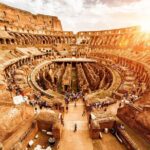
Photos, panels, and reconstructions do real work
The site uses informative panels and a selection of photos (including images described as unpublished-style) to help you picture the original stadium. There are also visual reconstructions and renderings to show dimensions and layout. That matters because the archaeology can look like fragments until you understand what they represent.
The Audio Guide: Multi-Language Convenience, Station Snags
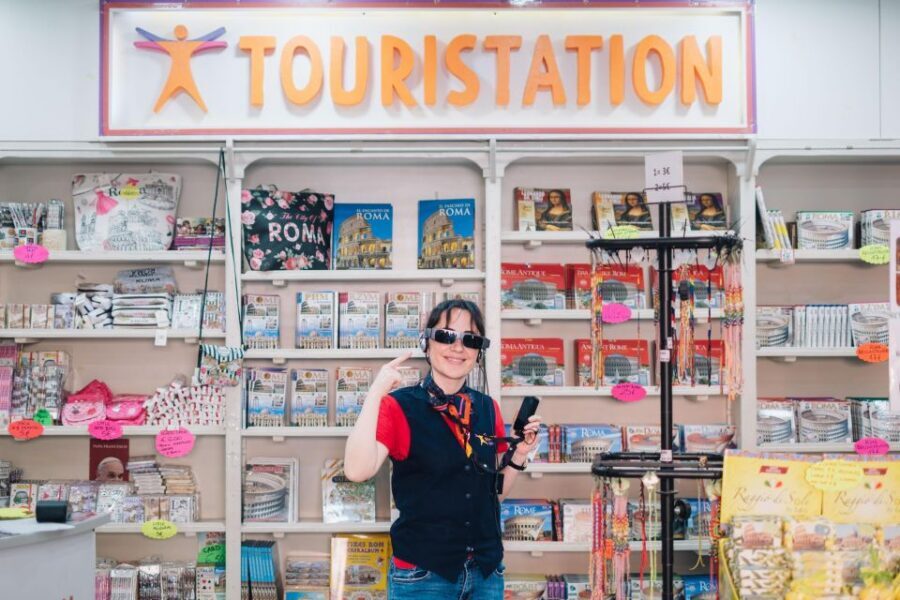
This is an audio-guided experience, and the audio guide is the main tool that turns stone into story. The audio guide is available in Spanish, English, French, German, Italian, Russian, Portuguese, which makes it a strong choice if your group isn’t all using the same language.
How to make it work without frustration
- Follow the station numbering and signage slowly. Some people find the station flow a bit confusing if you move too fast.
- If a sound feels unclear at one spot, pause, reposition yourself, and give the device another second.
- Keep your eyes on the visuals (panels, images) while listening. The audio works best when you can link narration to a nearby feature.
Several experiences highlight that the audio makes the visit understandable, and that’s the key takeaway: if you skip the audio and just walk through, you’ll miss much of what makes the ruins click.
Accessibility note (quick, practical)
The site is listed as wheelchair accessible, but underground archaeology spaces can still feel tight depending on your route and the room layout. If you or someone in your group uses a wheelchair, it’s smart to take your time and allow extra minutes to navigate inside.
Aperitif or Wine Tasting: The Best Way to End the Story
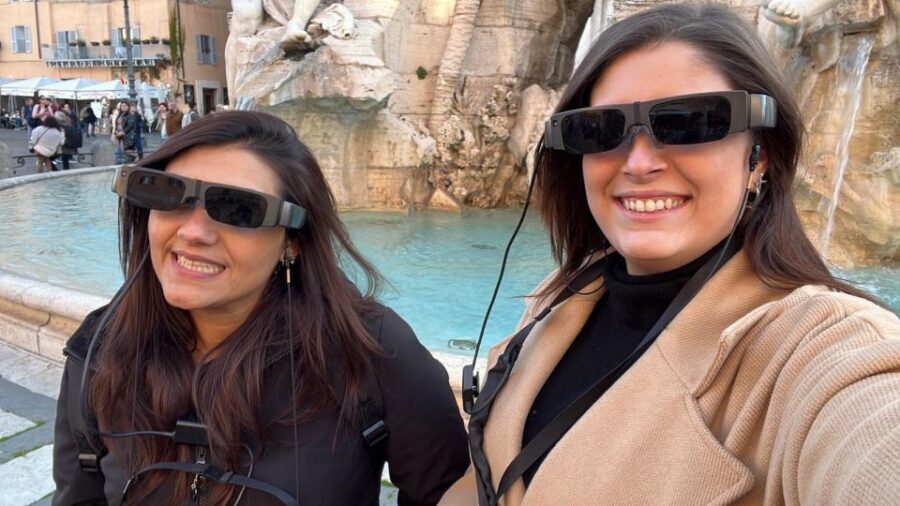
If you choose the option that includes the aperitif, you’ll get 1 cocktail and snacks at one of the viewpoints described as especially fascinating, located in the heart of Rome. Staff reserve your table for you at the included stop.
If you select the wine tasting option, you’ll get a sampling of two wines paired with a traditional appetizer board, also in the heart of Rome.
Why this matters: it changes the tempo. Underground, you’re focused on materials, crowd numbers, and reconstruction visuals. Then you come back up, sit for a drink, and the setting makes more sense. Piazza Navona isn’t just a background for photos—it becomes part of the story you just learned.
If you’re a solo traveler, this part can also be a nice built-in pause when you don’t have anyone else to time with you.
Price and Value: What $18 Buys You in a Roman Day
At $18 per person, this is not competing with the big-ticket monuments. But it doesn’t try to be.
The value is in what you get for the money:
- A rare “under the piazza” perspective that you can’t replicate with casual walking
- Audio guidance in multiple languages, which matters for comprehension
- A focused topic: Roman sports evolution and stadium engineering, not general Roman life
- Optional add-ons (aperitif or wine) that extend the experience without requiring you to plan anything separately
In other words, you’re paying for access and interpretation. The ruins themselves aren’t trying to fill an entire afternoon. That’s why it pairs well with a day that already includes major sights—this becomes your twist, your smaller but distinctive stop.
If you’re on a tight schedule and want something that feels different from another church facade or viewpoint, this does that.
Who Should Book This (and Who Might Be Happier Skipping)
You’ll likely love this if:
- you enjoy Roman engineering and sports history more than only emperors and battles
- you want a short, meaningful activity that fits between other central Rome stops
- you like using audio to learn at your own pace
You might want to think twice if:
- you’re expecting a big underground museum maze
- you want a guided group tour with a live expert speaking to you
- you travel with a pram or need a very stroller-friendly route (the underground area isn’t pram friendly per visitor notes)
For families, there’s a small plus: one experience notes a special audio guide for children, with a 5-year-old enjoying the audio guide pen and exploring a small enough area comfortably. If you’re traveling with kids, that’s worth considering.
Should You Book the Rome Navona Underground Stadium Ticket?
I’d book it if you want a smart, efficient way to experience Rome from street level down to the bones of a stadium. The combination of 5-meter underground access, the detailed focus on construction materials, and the audio guide in many languages makes it easy to understand even if you don’t have a background in Roman architecture.
Skip it only if you’re hunting for huge scale, long wandering time, or a fully guided experience. For everything else—especially if you’ve already seen the headline monuments—this is a satisfying, unusual add-on that feels like Rome showing you a secret you didn’t know was there.
FAQ
Do I need a guided tour for this experience?
No. This is an audio-guided visit. The ticket includes the audio guide, and a guided tour is not included.
How deep is the Stadium of Domitian site under Piazza Navona?
The archaeological area is about 5 meters below street level at Piazza Navona.
How long should I plan for the visit?
A lot of people report around 45 minutes to about an hour, depending on how carefully you listen and move through the stations.
What languages are available on the audio guide?
The audio guide is available in Spanish, English, French, German, Italian, Russian, and Portuguese.
Is the site wheelchair accessible?
Yes, it’s listed as wheelchair accessible.
Is an aperitif or wine tasting available?
Yes. You can add an option that includes an aperitif (1 cocktail and snacks) or choose a wine tasting option with two wines and a traditional appetizer board.