REVIEW · ROME
Rome: Navona Square and École Française Underground ticket
Book on GetYourGuide →Operated by TOURISTATION · Bookable on GetYourGuide
Beneath Piazza Navona, Rome keeps secrets. This small-group ticket combines time in and around Piazza Navona with entry to the École Française Underground, where you learn how one Ancient Rome Olympic stadium was built using masonry. You’ll also get plenty of moments for photos while you connect the dots from the square to the city’s famous landmarks.
I particularly like the focus on one specific place under your feet, rather than a scatter of stops. I also love that the included audioguide comes in 7 languages and helps you line up key sights like the Fountain of the 4 Rivers and the Trevi area without feeling rushed. One drawback to consider: the underground experience is more of an exhibit-style visit than what some pictures may suggest, and it can be tricky to find the exact meeting spot at first.
In This Review
- Key things to know before you go
- What this Navona underground ticket actually gives you
- Starting at Piazza Navona: where the story begins
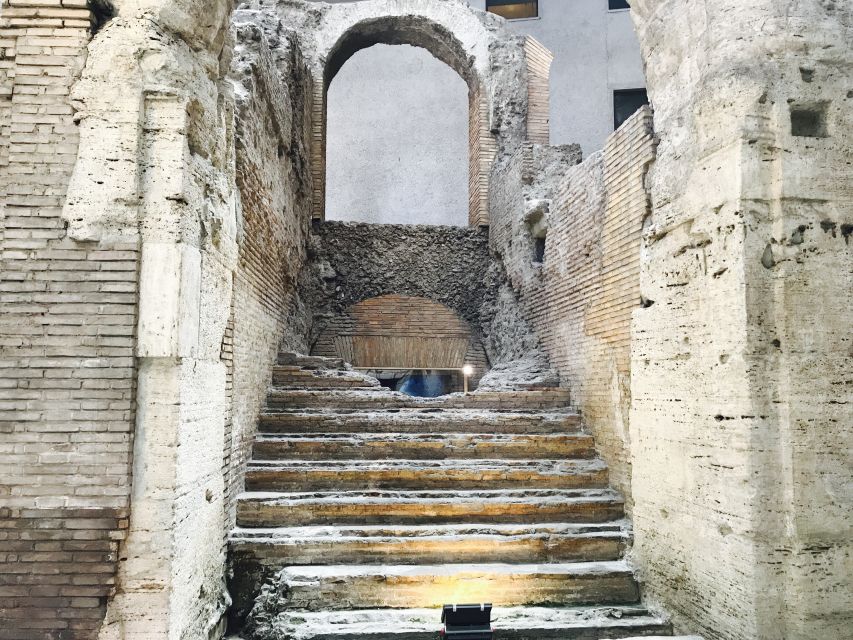
- École Française Underground: the Ancient Rome masonry stadium underfoot
- Pantheon from outside: using the walk to connect timelines
- Trevi Fountain and the coin ritual: stories plus the big photo moment
- Finishing options: Panoramic Glass Elevator, Palazzo Venezia, and museums
- Audioguide mode: how to get more out of it in real time
- Photos and selfies in Rome: where this route helps
- Price and value: is $29 fair for what you get?
- Who should book this experience, and who should skip it
- Quick practical notes that can save you time
- FAQ
- Where do I meet to redeem my voucher?
- How long does the experience take?
- What is included with the ticket?
- Are there guided tour instructions included?
- Which languages are available on the audioguide?
- Which landmarks are part of the route?
- Is an aperitif included?
- Is this experience suitable for wheelchair users?
- What time of day can I go?
- Is free cancellation available?
- Should you book this Navona Square and École Française Underground ticket?
Key things to know before you go
- Limited visitor size: You get a more controlled experience instead of a mass of people.
- Roman masonry stadium focus: You’ll hear what makes this Ancient Rome Olympic stadium unusual.
- Audio guide in 7 languages: English plus six others, so you can match your pace.
- On-the-walk landmarks: Piazza Navona, Pantheon (outside), and Trevi Fountain are part of the route.
- Photo-friendly breaks: The stops are built for quick selfies with recognizable Rome views.
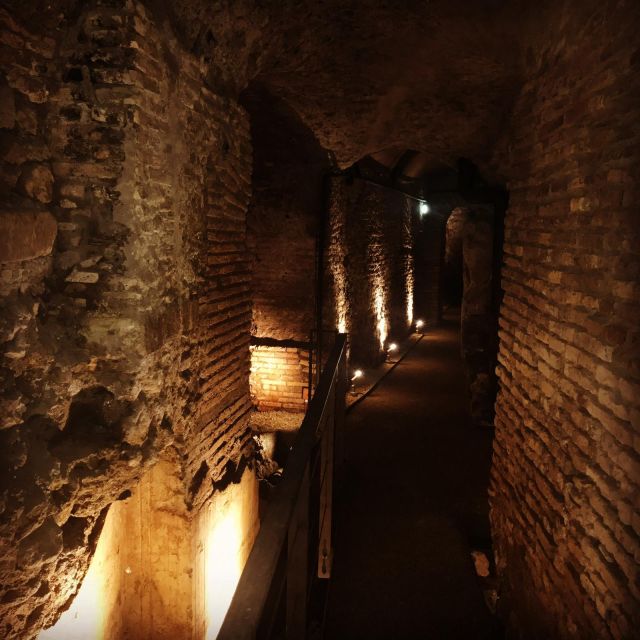
- Realistic expectations for the underground: It’s an exhibit visit, not a long tunnel walk.
What this Navona underground ticket actually gives you
This isn’t a full-day “see all of Rome” plan. It’s a focused experience that centers on Piazza Navona’s story—specifically what’s under it—and then links that history to three of the city’s biggest picture magnets.
At the top level, you’ll spend time above ground around Piazza Navona, then move into the École Française Underground site. The ticket package includes your access to the underground area and an audioguide designed to keep you moving with context. The tour is also described as having only a very limited number of visitors, which matters in Rome: smaller groups mean less elbow-to-elbow time and more chance to actually understand what you’re seeing.
The route also includes the Pantheon from outside and Trevi Fountain, plus additional optional museum time at the end depending on the version you choose. That mix is smart if you like history but don’t want to spend your whole day in line—or if you want classic Rome highlights without the chaos.
One more thing: this is not marketed as a wheelchair-friendly stop. If you need step-free access, you should skip this exact ticket.
You can also read our reviews of more tours and experiences in Rome.


Starting at Piazza Navona: where the story begins
Your visit begins at the square—Piazza Navona—because it’s the natural “stage” for everything you’ll learn. Piazza Navona is famous for its fountains and architectural drama, and this ticket uses it as a living introduction before you go underground.
What to watch for while you’re up top:
- The fountains and the classic baroque geometry that make the square so photogenic.
- How the square’s look and layout fit into the bigger timeline of Rome’s layers.
- Any short photo breaks you can take while the group is still relatively contained.
A key stop here is the Fountain of the 4 Rivers by Bernini, which is specifically called out in the experience description. That matters because fountains in Rome aren’t just decoration—they’re political messages and myth-making in stone and water. If you’re curious, the audioguide is where you’ll get the reasoning behind what you see, so don’t rush past the sculptures.
This is also where you’ll get your first “Rome orientation.” Even if you’re only visiting a few landmarks, Piazza Navona helps you get your bearings fast. You’ll be surprised how quickly you start noticing the city’s patterns when you connect the underground story to what’s right above.
École Française Underground: the Ancient Rome masonry stadium underfoot
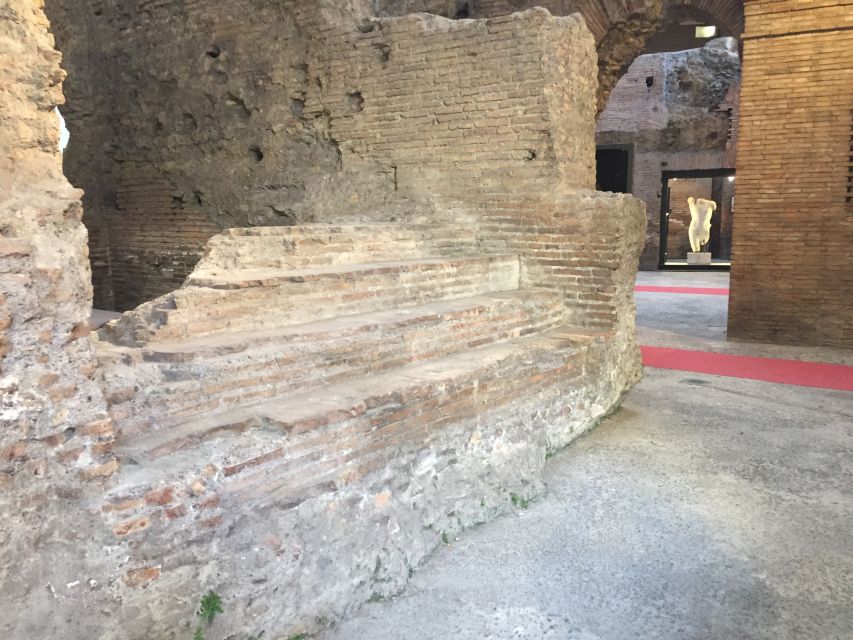
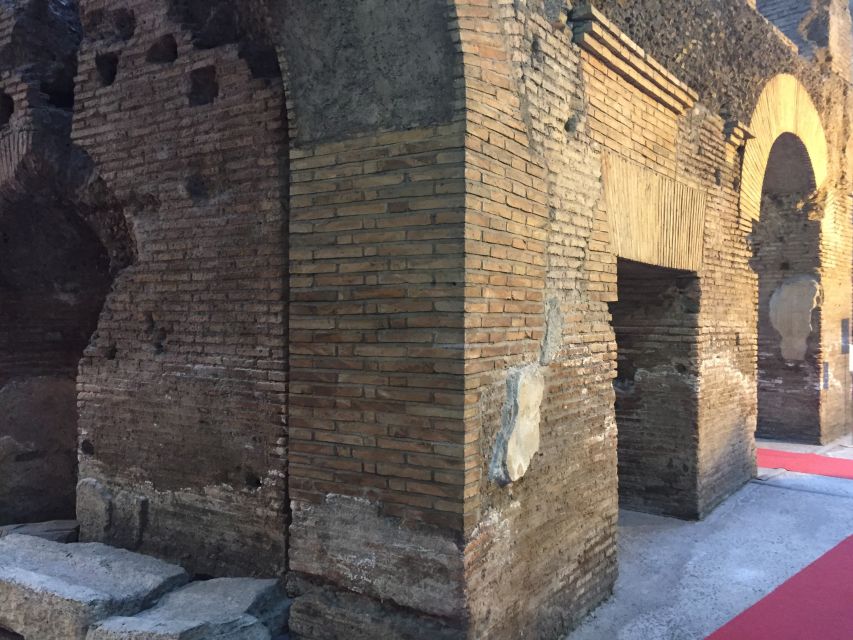
This is the core reason to book. The École Française Underground is presented as the place to discover what lies beneath Piazza Navona, and it’s tied to a very specific claim: it’s the only stadium in Ancient Rome said to be built out of masonry.
That’s the kind of detail that changes your visit from sightseeing to storytelling. Instead of just walking through an exhibit, you’re learning why this site exists and why the construction method matters. Rome’s ancient structures aren’t all the same, and masonry is one of those “how they built it” clues that helps you picture the engineering choices people made at the time.
What you should expect inside:
- An exhibit-style underground experience, focused on interpretation and visible remains.
- A guided explanation through the audioguide rather than a long roaming tunnel adventure.
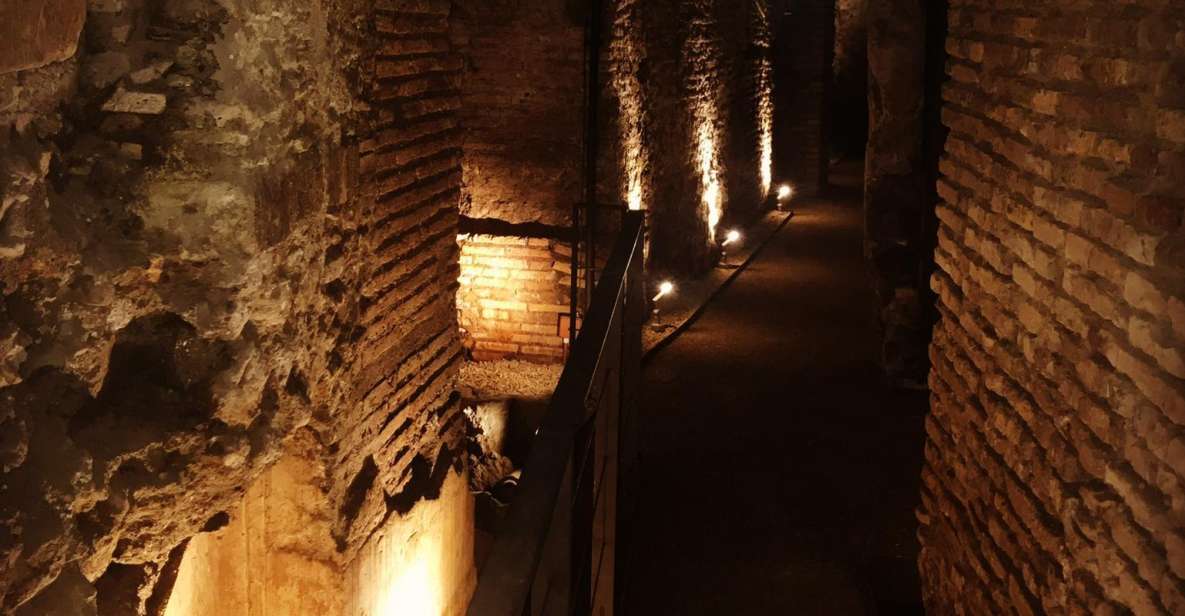
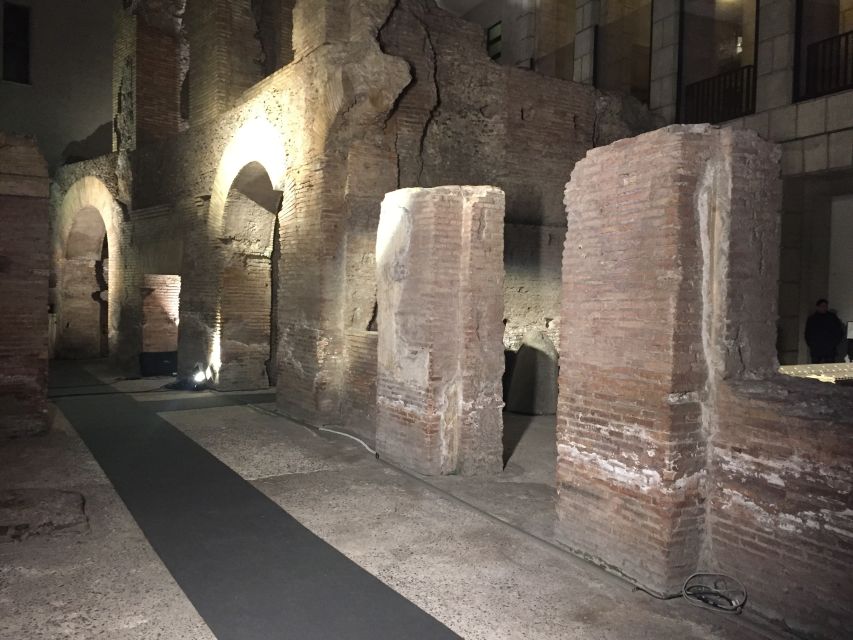
One important expectation-set comes from past visitors’ feedback: some photos can make the underground look more like a dramatic tunnel walk. In reality, think “exhibit experience” more than “sci-fi underworld.” If you go in expecting that, you’ll leave happier.
And since the group size is described as very limited, you’re more likely to have a chance to stand back, read, and take photos without constant crowd pressure. That’s not a small deal here.
Pantheon from outside: using the walk to connect timelines
The tour route includes the Pantheon from outside. Even if you don’t go inside, this stop works well as a contrast point.
Why it’s valuable:
- It gives you a direct visual link between Rome’s ancient world and later architectural genius.
- You can compare the scale and ambition you’ve just been hearing about underground to a building that still dominates the skyline.
The description also notes the Pantheon as one of the most well-preserved ancient temples in the world. It even includes a famous reaction attributed to Michelangelo—he reportedly called it angelic rather than human in design. Whether you treat that story as literal or legend, it’s useful because it tells you how seriously people have admired Roman structure for centuries.
Practical tip: since you’re only seeing the Pantheon exterior, use the audioguide to focus on the parts you can actually see from where you stand—shape, dome impression, the façade presence—so you don’t feel like you’re missing out.
Trevi Fountain and the coin ritual: stories plus the big photo moment
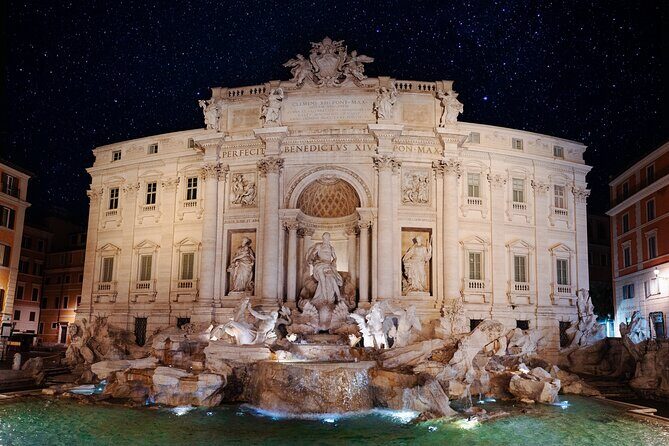
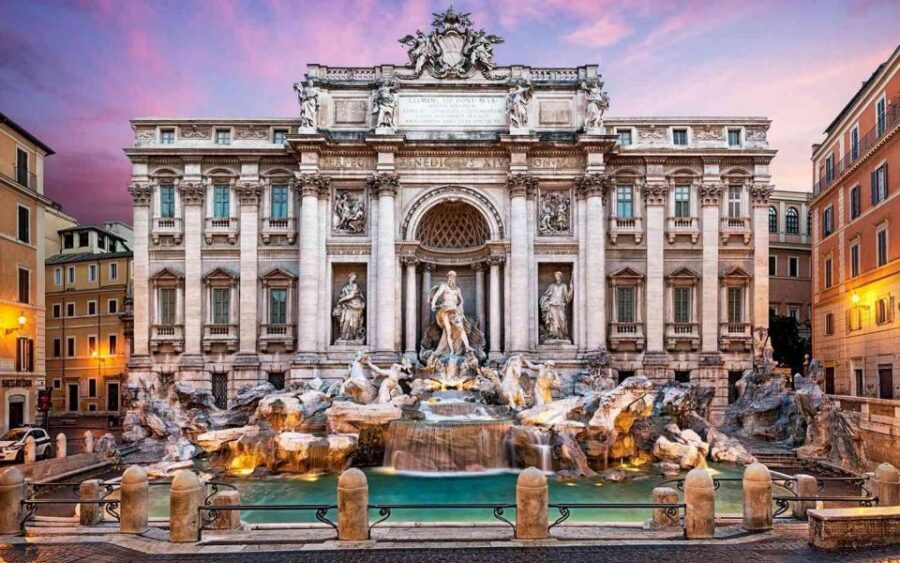
Trevi Fountain is the other signature stop on this route, described as the largest and best-known fountain in Rome. You’ll be able to toss a coin, which is the classic ritual meant to ensure you’ll return one day.
What makes Trevi Fountain fit with this ticket:
- It turns the history and legends you’re hearing into a scene you can see instantly.
- It’s also the kind of stop where Rome turns up the drama—crowds, marble, water, and everyone trying for the same angle.
This experience description says you’ll learn the secrets the fountain holds. I’d treat that as “stories behind what you’re seeing.” In Rome, fountains are packed with symbolism, and a good audio track can help you notice details you’d miss if you only came for the postcard.
Photo-wise, plan for quick shots rather than long sessions. Trevi is famous, so you’ll want to avoid waiting too long for the “perfect” view while the group is moving.

Finishing options: Panoramic Glass Elevator, Palazzo Venezia, and museums
The final part is designed as an add-on area. The experience description says you’ll complete things with a Panoramic Glass Elevator plus Palazzo Venezia and the Risorgimental Museum, or you may choose the Capitoline Museums instead.
Because you’re not told here which option is included versus optional in every booking, I’d treat this as a menu:
- One route might include the Panoramic Glass Elevator and Risorgimental Museum time at/near Palazzo Venezia.
- Another route might swap museum time to the Capitoline Museums.
The Capitoline Museums are specifically highlighted as being the world’s first museum opened to the public in 1734. That’s not just trivia; it’s a good reason to pick this option if your goal is to understand how “modern museum culture” traces back to Rome.
If your priority is skyline views and a more modern experience element, you may prefer the route that includes the glass elevator. If your priority is the museum story itself, lean toward the Capitoline option.
Audioguide mode: how to get more out of it in real time
The included audioguide is available in English, Italian, Spanish, French, German, Russian, and Portuguese. That’s a strong practical setup because you can keep pace without waiting for a group interpretation moment.
Here’s how to use it so it doesn’t feel like background noise:
- Listen for the “why” sections, not just the dates. The stadium built from masonry is the kind of detail that becomes meaningful when you know why it matters.
- When you reach a landmark like the Fountain of the 4 Rivers, pause your walking for 30 seconds and let the guide connect the sculpture to the story.
- If you’re the type who likes photos, time your stops so you listen first, then shoot. That way your pictures come with meaning.
A balanced note from past feedback: some people found the narration interesting but a bit slow or dull in delivery. If you’re sensitive to that, bring your own pacing strategy—don’t force yourself to listen end to end if you’re not feeling it. Use the guide for key segments and then switch to exploring with your eyes.
Photos and selfies in Rome: where this route helps
This ticket explicitly leans into photo moments. You’re promised beautiful pictures of Rome city highlights, and the structure of the walk supports that.
Where photos tend to work best:
- Piazza Navona: wide views of the fountains and the square’s dramatic stonework.
- Trevi Fountain: classic backdrop, easy to make a recognizable shot.
- The exterior Pantheon: you can capture a strong dome silhouette without needing entry.
For selfie success, remember one reality of Rome: at the busiest landmarks, the crowd controls the angle. So I’d do your Trevi photos quickly and then keep moving.
Also, underground photography is a different game—lighting and space matter. If you want photos below ground, focus on the subject the audioguide is describing and don’t expect cinematic lighting. Bring a basic expectation: clear images over dramatic ones.
Price and value: is $29 fair for what you get?
At about $29 per person (with a 1.5 to 3 hour duration), the main value is the combination of:
1) access to the École Française Underground area, and
2) a structured walk tying Piazza Navona to Pantheon exterior and Trevi Fountain, plus
3) an included audioguide in 7 languages.
That’s a solid deal if you care about the under-the-square angle. In Rome, many experiences either focus purely on the big names or purely on museums. This ticket tries to do both by giving you one distinctive “Rome layer” story (the masonry stadium underground) and then connecting it to widely recognized landmarks.
Still, there’s a fair criticism worth respecting: some people felt there was not enough to see for the price. And with the note that the underground is more exhibit-style than tunnel-walk, you may want to decide ahead of time whether you’re paying for:
- a meaningful, narrated underground stop with context, or
- a longer, more active underground adventure.
If you’re the second type, you might feel shortchanged. If you’re the first type—history with a time limit—you’ll likely feel the value.
Who should book this experience, and who should skip it
This works best if you:
- want to see a Roman site you can’t easily DIY on your own with the same guided context,
- enjoy Piazza Navona and want it to mean more than just a pretty square,
- like structured routes that hit big Rome landmarks without a full-day commitment,
- appreciate a small-group feel (limited visitor numbers).
It’s not ideal if you:
- expect a long underground tunnel walk,
- dislike audioguides or find them hard to concentrate on for the whole route,
- need wheelchair-friendly access.
If your travel style is mostly “walk and look” with a tight schedule, this ticket is a good fit.
Quick practical notes that can save you time
Here are a few details that can make your experience smoother without getting lost in logistics:
- Plan to redeem your voucher at Touristation Naonva, Piazza Navona, 25. Some visitors have found the meeting instructions unclear, so give yourself extra time at the start.
- Expect a duration window of 1.5 to 3 hours. That’s short enough to fit between bigger plans, but long enough to feel like you actually did something.
- Optional aperitif exists only if that option is selected, so confirm what you booked if food is part of the appeal.
FAQ
Where do I meet to redeem my voucher?
You meet at Touristation Naonva, Piazza Navona, 25, to redeem your voucher.
How long does the experience take?
The duration is listed as 1.5 to 3 hours, depending on the starting time and availability.
What is included with the ticket?
It includes the Navona Square and École Française Underground ticket, an audioguide in multiple languages, and an aperitif if the option you selected includes it.
Are there guided tour instructions included?
The activity details list guided tour under Not Included. You will have an included audioguide, and you’ll follow the experience route described.
Which languages are available on the audioguide?
The audioguide is available in English, French, German, Italian, Portuguese, Russian, and Spanish.
Which landmarks are part of the route?
The experience includes Piazza Navona, Pantheon from outside, and Trevi Fountain, plus additional options at the end depending on your chosen itinerary.
Is an aperitif included?
An aperitif is included only if you select the option that includes it.
Is this experience suitable for wheelchair users?
No. It is listed as not suitable for wheelchair users.
What time of day can I go?
You can check availability to see starting times, with the total duration listed at 1.5 to 3 hours.
Is free cancellation available?
Yes, free cancellation is listed as available up to 24 hours in advance for a full refund.
Should you book this Navona Square and École Française Underground ticket?
Book it if you want a short, well-defined Rome experience built around one standout idea: a Roman masonry stadium story under Piazza Navona, explained with an audioguide, and then connected to Pantheon exterior and Trevi Fountain.
Skip it if your dream day is a long, walk-through underground adventure or if you hate audioguides. And arrive with a bit of patience for the meeting point—start early at Touristation Naonva so you don’t lose time hunting the exact location. If you match the expectations to the format, this is a very good way to turn a famous square into an actual story with depth.